

2838 Andrews Telephone Rd, Pascagoula, MS 39567
To contact a resident: (228) 285-1892
For more information about senior living options: (866) 208-4318
Overall Review of ACD Assisted Living Facility
Cons
 The nurses sit around and never answer the phones.
- The front door is often locked in the afternoon, forcing visitors to ring and wait for a nurse to unlock it.
- There is no apology, no customer service, and no friendliness.
- The facility is a joke and seems to care only about money.
- Patients are left in bed all day with no bathroom or wheelchair assistance.
- The aides play and sing and do not help their patients, and rehab is described as a joke.
- Residents are left dirty and bathed only once a week; the doctor tending to patients visits only every fourth Friday.
- Families are advised not to send their loved ones there.
Review
ACD Assisted Living Facility in Pascagoula, MS is best suited for a resident who is largely independent and does not require reliable daily assistance. In practical terms, this is not a strong fit for most seniors who need help with bathing, mobility, or supervision. Families with severe budget constraints may briefly consider it as a low-cost stopgap, but the realities described suggest it is not a viable long-term home for anyone who depends on attentive care, timely responses, and basic safety oversight.
Those evaluating options for a loved one should look elsewhere if daily caregiving is necessary. For anyone requiring consistent help with bathroom transfers, wheelchair assistance, or fall risk management, this facility is unlikely to meet expectations. Alternatives with higher staffing ratios, more predictable routines, and regular medical oversight are strongly recommended. If the choice is constrained by price, consider home health services or other nearby communities with transparent staffing and clearer accountability before committing to stay here.
There are virtually no credible positives evident in the feedback, and the drawbacks far outweigh any potential convenience. The reviews suggest that expectations around responsiveness, compassion, and professional conduct are not met, and any perceived cost savings cannot compensate for ongoing safety concerns. The absence of reliable staff engagement undermines basic quality of life and the ability to sustain rehabilitation or daily living activities that truly support recovery and ongoing independence.
The most troubling patterns center on neglect and poor day-to-day care. Front doors reportedly remain locked with long waits for staff to respond, creating unnecessary friction and frustration. Nursing staff are described as unavailable or unresponsive, with notes of missed calls and little to no customer service. Daily routines appear rudimentary at best: residents left in bed for extended periods, limited assistance with hygiene, and only brief rehabilitation sessions, commonly about 15 minutes once a day. A fall occurred overnight because assistance was not timely, and weekly bathing is cited as routine rather than exceptional care. Medical oversight is described as sparse, with doctor visits occurring only on a very infrequent schedule. Taken together, these factors translate into real safety hazards and degraded quality of life, not a pathway to meaningful recovery or dignified daily living.
For families weighing next steps, a decisive approach is warranted. Demand a formal, written care plan that documents staffing levels, shift coverage, and specific tasks for mobility, bathing, medication management, and emergency response. Schedule unannounced visits and speak with multiple staff members, residents, and, if possible, family advocates from other facilities to triangulate the reality on the ground. Examine state survey results and any recent licensure actions to understand ongoing compliance issues. If care needs remain, prioritize facilities with transparent staffing metrics, consistent physician or nurse practitioner visits, and demonstrated commitment to resident comfort and safety. When in doubt, err on the side of relocating sooner rather than later, as delays can compound risk and distress.
In the end, the conclusion is clear: this community should be approached with extreme caution and only as a last resort when all viable alternatives have been exhausted. For most seniors who require reliable assistance, this is not a recommendation. Families should pursue options with proven bedside care, regular supervision, and responsive, respectful communication. If a stay here becomes unavoidable, couple it with rigorous oversight, formal care agreements, and a concrete plan for transition to a higher-quality setting as soon as possible.
 Board and Care Home
 Fully furnished suites with 24/7 supervision, meals, and social activities.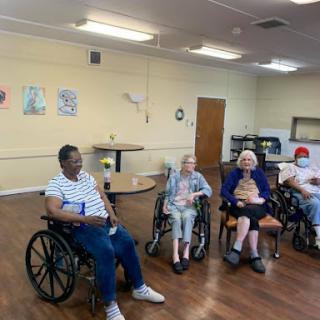




 Comprehensive Guide to Blood Pressure Charts for Older Adults: Understanding Normal and High Readings by Age
 Financing Long-Term Nursing Home Care Through Social Security: A Thorough Exploration
 Essential Knowledge on Pneumonia in Older Adults