For more information about senior living options: (866) 208-4318
2.9 from 68 reviews
5 stars
24
4 stars
8
3 stars
2
2 stars
4
1 stars
30
Overall Review of Highland Chateau Health Care Center
caveat8 reviews mention this
Care can feel inconsistent
Call light response times are described as slow or unpredictable by multiple residents and families.
Several reviewers describe slow call light response, including waits of an hour or longer, and situations where help was still not coming even after pressing the button. Some also describe missed or delayed basic needs such as assistance with the restroom, bathing, meals, or medication-related support. A few reviewers also mention staff availability feeling sporadic, which adds to concerns about day-to-day consistency.
common16 reviews mention this
Staff kindness is frequently noted
Many residents and families describe staff as kind, helpful, and respectful.
Positive reviews consistently mention caring, friendly, and respectful staff who communicate with families and treat residents well. Some reviewers specifically praise nurses and CNAs, describing them as engaging, attentive, and supportive for both patients and visitors. Even when other parts of the experience are criticized, multiple reviews still single out certain staff members as providing strong, compassionate care.
common7 reviews mention this
Food quality is mixed
Food draws both positive and negative comments across the reviews.
Some reviewers say the food is good or plentiful, and a few mention meals with variety. Others report problems such as meals being cold or inedible, or difficulty following diet expectations (including diabetic-related meals). There are also mentions that food quality can vary depending on who is working, which may help explain the split in feedback.
common3 reviews mention this
Activities help pass the day
Residents and visitors describe a steady mix of activities and outings.
Reviews mention activities as something residents can join, including bingo and general scheduled programming. One reviewer also notes that activities are meant to keep residents busy, while another says there are plenty of activities available. A separate note mentions waiting for an activity schedule and needed equipment, suggesting that participation can depend on timely support.
caveat4 reviews mention this
Cleanliness concerns come up
Multiple reviews raise cleanliness and odor concerns.
A few reviewers describe the building or rooms as unclean, including one mention of a room not being clean. Other comments describe strong odors and a generally filthy environment, including concerns about outdoor conditions. Some of these critiques are paired with broader complaints about care quality, reinforcing that cleanliness is not just a minor issue in those experiences.
caveat3 reviews mention this
Cooling problems affect comfort
Air-conditioning problems are repeatedly cited as a comfort issue.
Reviewers describe limited or non-working air-conditioning, including comments that cooling was unavailable in parts of the building or in the entire facility. One review also notes air-conditioned areas being limited to offices rather than where residents spend time. Another describes discomfort during summer along with broader complaints about the environment.
How we summarize
Counts show how many written reviews mention each theme; a review can touch several themes, and only frequently mentioned themes are displayed.
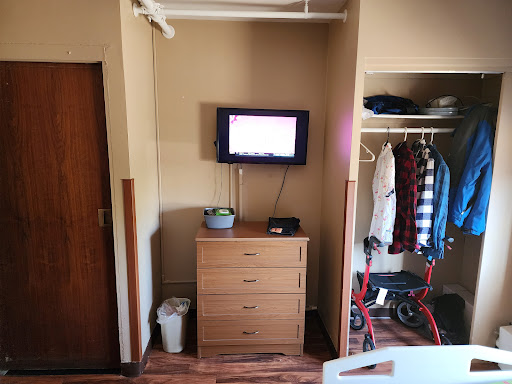
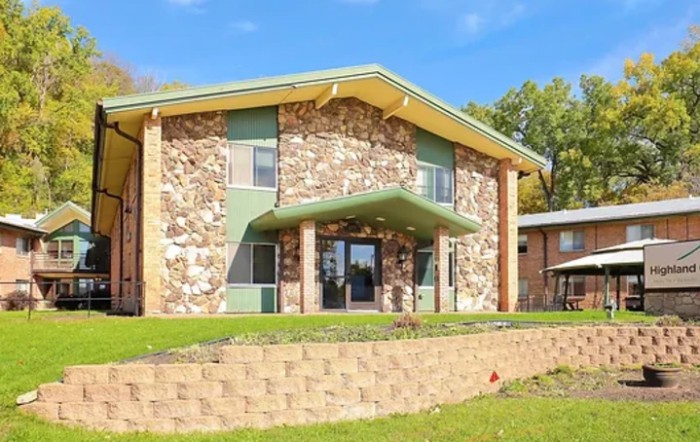
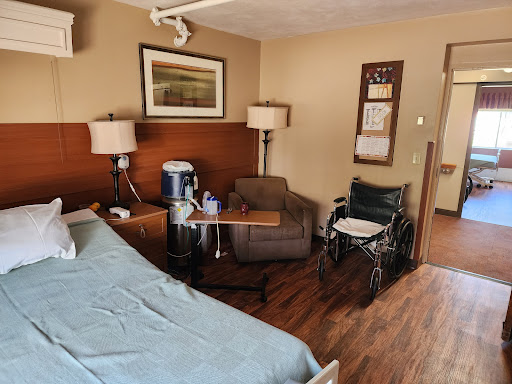
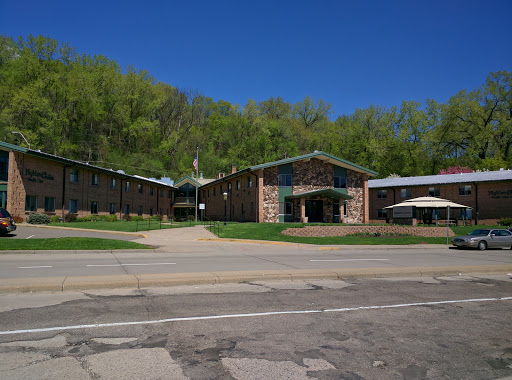
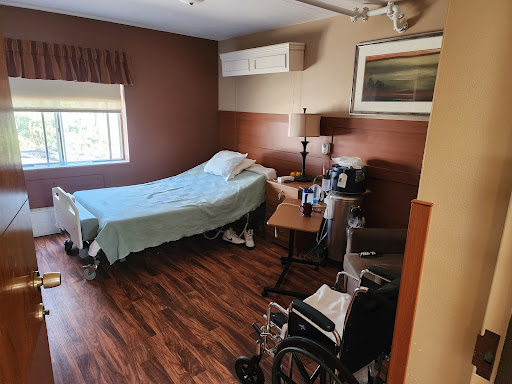
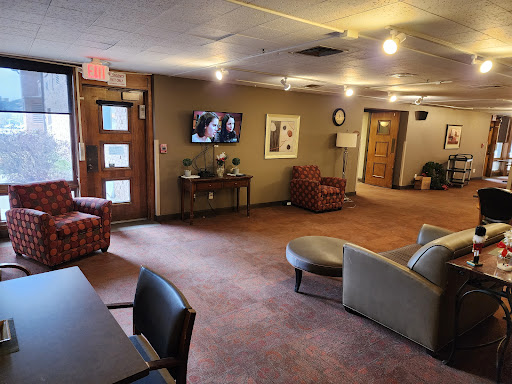
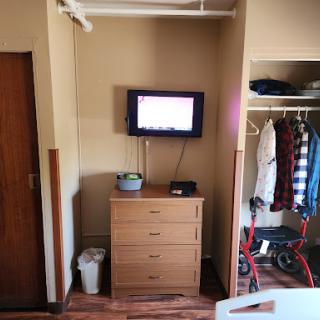
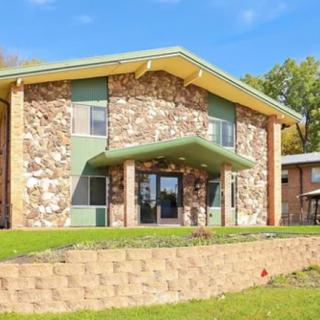
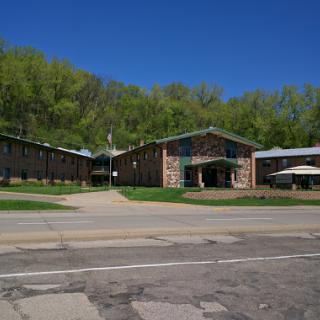
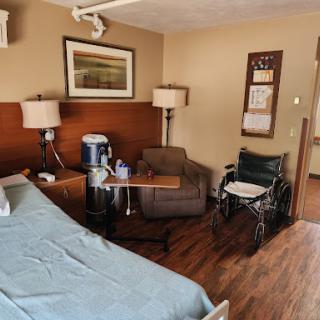
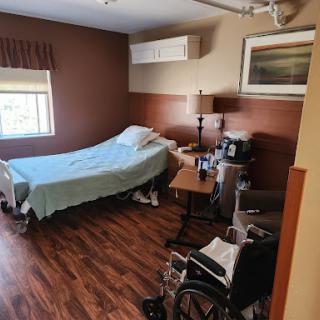
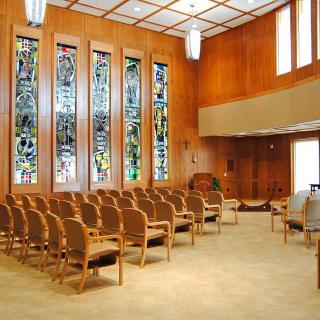
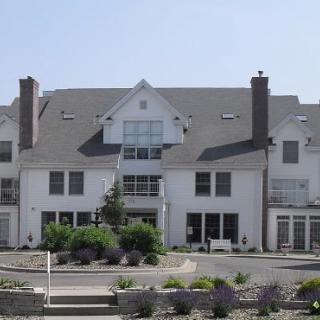
Highland Chateau Health Care Center on seniors.fyi includes 6 photos including images showing landscaping, building, bedroom, wheelchair, television, wall art, architecture, nature, and more.
Nearby Communities
The Wellington Senior Living
Saint Paul, MN
4.3 from 51 reviews
$1,850 to $3,000 / month
Friendly, attentive staff with ample activities and spacious, well-maintained apartments.
The Wellington Assisted Living
St Paul, MN
4.5 from 11 reviews
Extensive amenities with 24/7 safety and coordinated care
Rockwood Place Apartments
St. Paul, MN
3.5 from 4 reviews
$730 to $930 / month
Very affordable 55+ living with extensive nearby amenities (restaurants, parks, healthcare, transportation).
The Alton Memory Care
Saint Paul, MN
4.3 from 23 reviews
$3,000 to $4,000 / month
Clean, safe environment with a dedicated memory-care focus and engaging activities.
Shepard Park Home Care
St Paul, MN
4 from 3 reviews
Memory-care focused environment with 24/7 staff, comprehensive daily living support, and convenient access to services.
Serenity Living Care
St Paul, MN
5 from 3 reviews
Comprehensive care with 24-hour supervision, medication management, restaurant-style dining, and a mental wellness program.
Lilydale Senior Living
Lilydale, MN
4.8 from 17 reviews
$3,780 / month
Extensive amenities and responsive, caring staff in a clean, well-designed setting.
Carondelet Village
Saint Paul, MN
5 from 2 reviews
Warm, skilled staff and a welcoming, home-like environment.
New Perspective Senior Living | Highland Park
Saint Paul, MN
4.3 from 81 reviews
$2,272 to $3,769 / month
Caring staff and engaging activities create a warm, supportive environment.
Pneumonia significantly affects older adults due to weakened immune systems and atypical symptoms that complicate diagnosis, necessitating early detection and tailored treatment. Risk factors include chronic diseases and cognitive impairments, with preventive measures like vaccinations and healthy lifestyles being crucial for reducing risk.
Palliative care enhances the quality of life for seriously ill patients by providing comprehensive support at home through a multidisciplinary team, addressing various needs and prioritizing comfort over curative treatments. While it offers personalized care and involves family in decision-making, challenges like caregiver stress and logistical issues persist, with growing demand prompting advancements in technology and healthcare policies to improve access.
Palliative home care focuses on improving the quality of life for individuals with serious illnesses by providing comfort, symptom management, and emotional support in their own homes. This approach includes personalized care plans, regular assessments, and resources for family caregivers, all while prioritizing person-centered treatment that aligns with patients' goals.
Get PricingAsk A QuestionSchedule A TourContact Senior Advisor
By clicking submit, you agree to our Partner's Terms of Use. You
also consent to receive calls and texts, which may be autodialed, from our Partner. Your consent is not a condition to
using our Partner's service. Please visit our Partner's Privacy Policy for information about their privacy practices.

 64 resident community capacity
 Skilled Nursing Facility
 Air-conditioning
 Beauty salon
 Cable or satellite TV
 Computer center
 Dining room
 Fitness room
 Fully furnished
 Gaming room
 Garden
 Housekeeping services
 Kitchenette
 Move-in coordination
 Outdoor space
 Private bathrooms
 Restaurant-style dining
 Small library
 Telephone
 Wellness center
 Wi-Fi/high-speed internet available
 Minneapolis-St Paul International (3 miles away)
 Community operated transportation
 12-16 hour nursing
 24-hour call system
 Activities of daily living assistance
 Assistance with bathing
 Assistance with dressing
 Assistance with transfers
 Diabetes diet
 Medication management
 Mental wellness program
 Special dietary restrictions
 Concierge services
 Planned day trips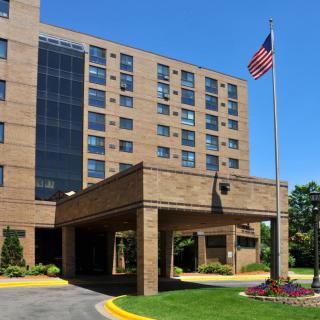
 Friendly, attentive staff with ample activities and spacious, well-maintained apartments.

 Essential Knowledge on Pneumonia in Older Adults
 Exploring Palliative Care in the Home: A Comprehensive Overview
 Comprehensive Insights into Palliative Home Care: What It Is and What to Expect