The Wellington Senior Living offers competitive pricing for its accommodations compared to the broader market in Ramsey County and throughout Minnesota. For instance, a studio at The Wellington is priced at $1,850 per month, which is significantly lower than the county average of $3,546 and the state average of $3,617. This trend continues with one-bedroom units as well; while The Wellington charges $2,500, residents would typically pay more within Ramsey County ($2,287) and across the state ($2,893). In the two-bedroom category, The Wellington's rate of $3,000 still provides a compelling option when juxtaposed with county and state figures ranging from $2,312 to $2,955. Overall, The Wellington Senior Living presents an appealing cost structure that prioritizes affordability without compromising quality.
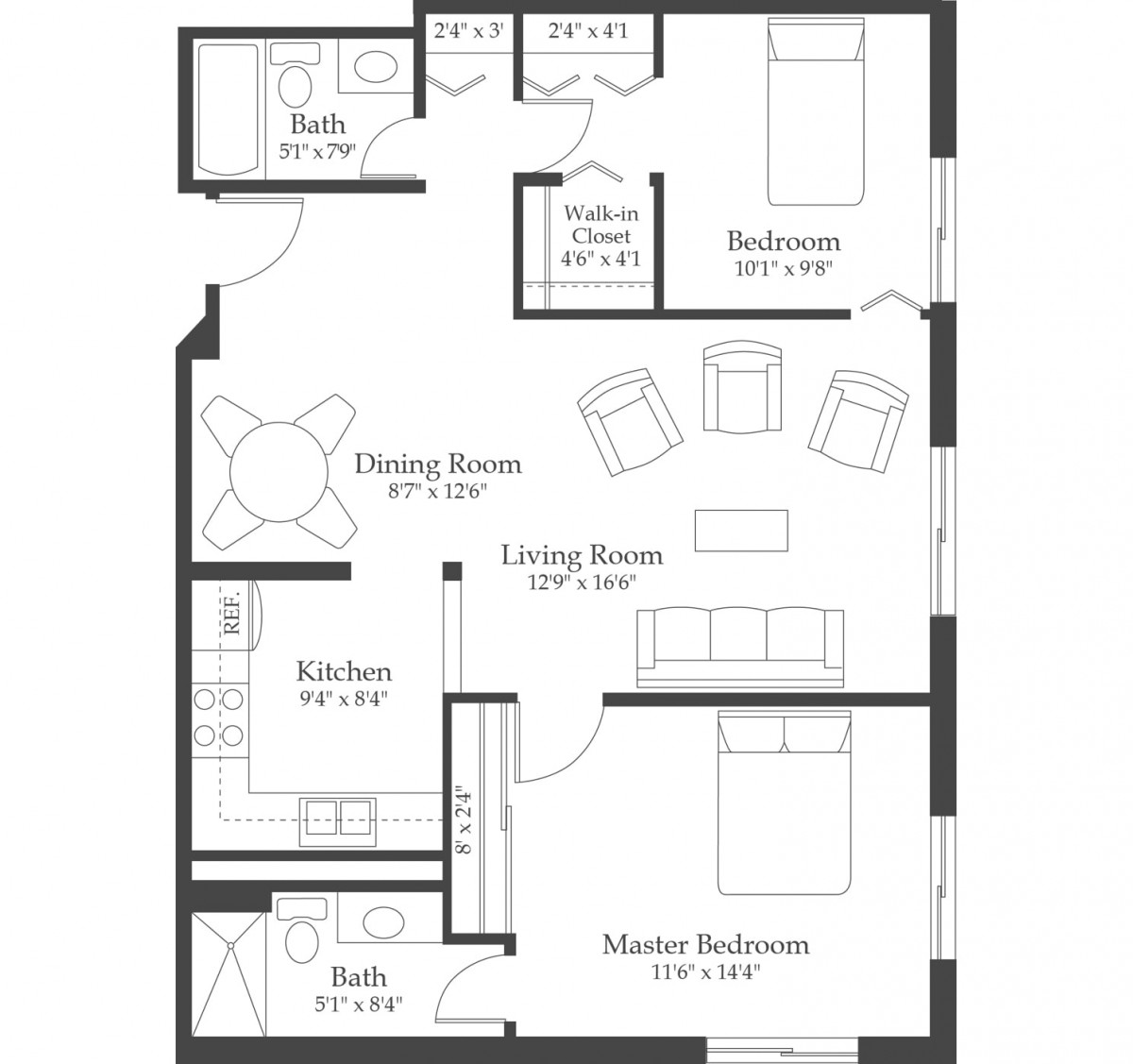
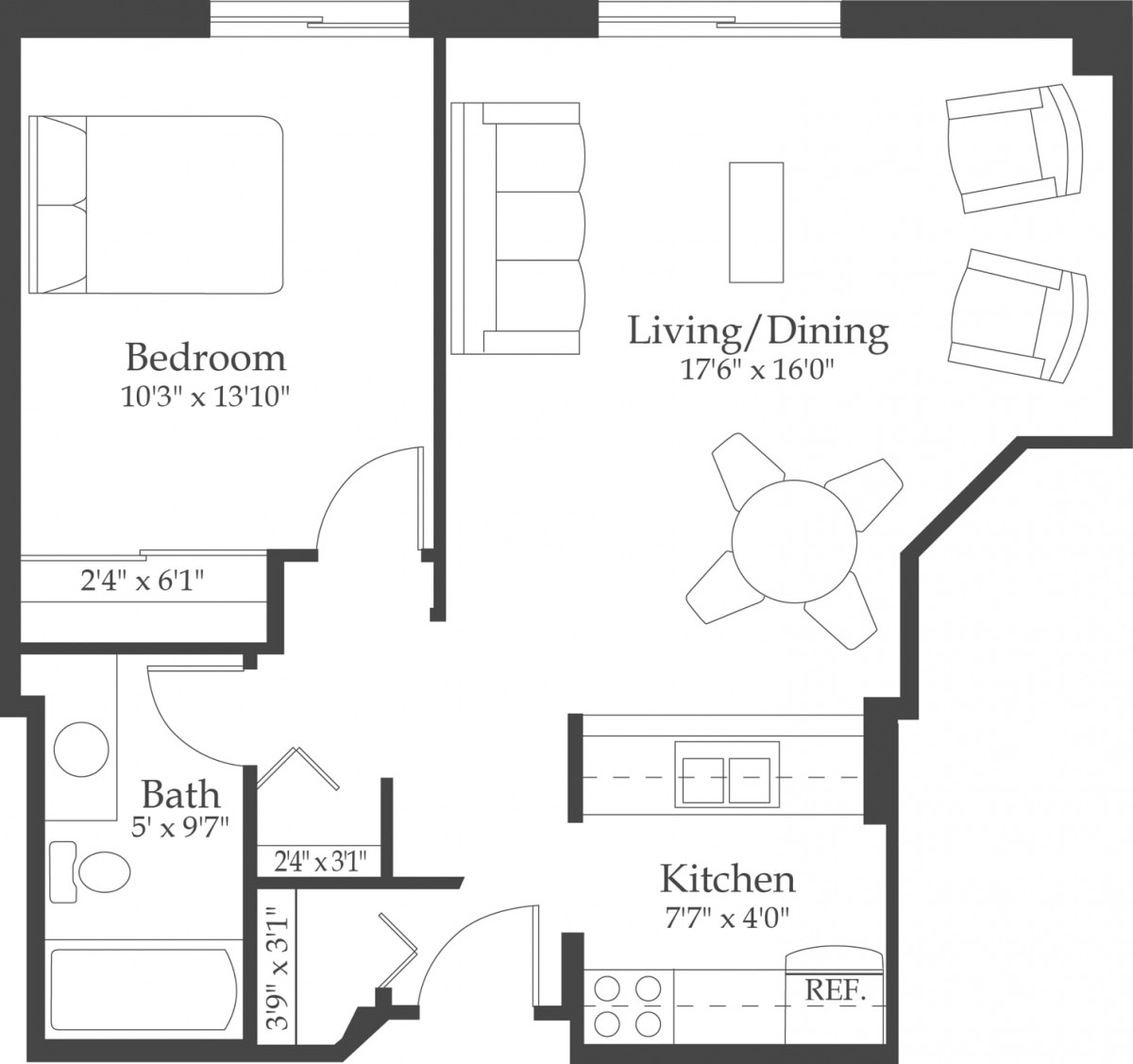
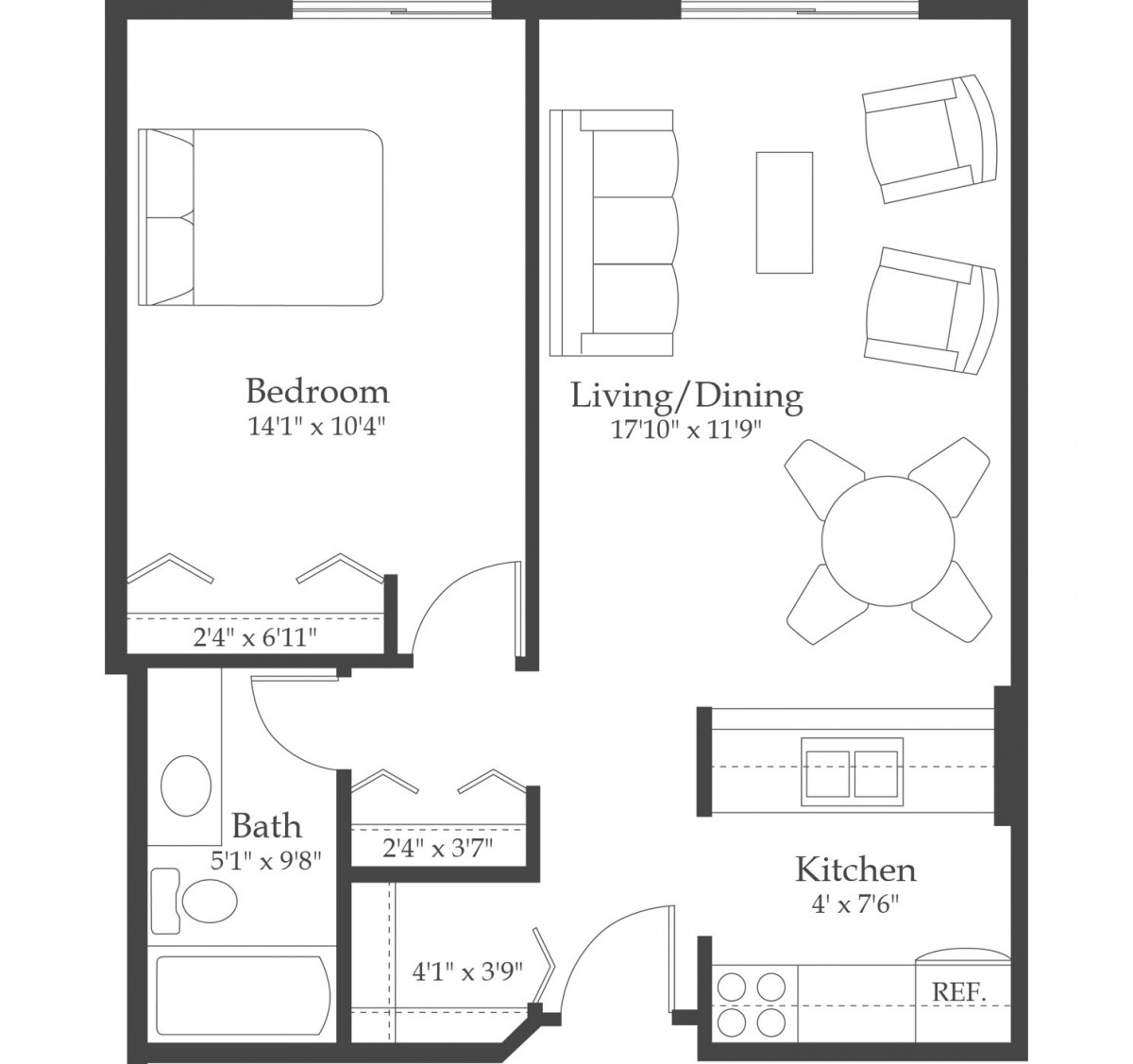
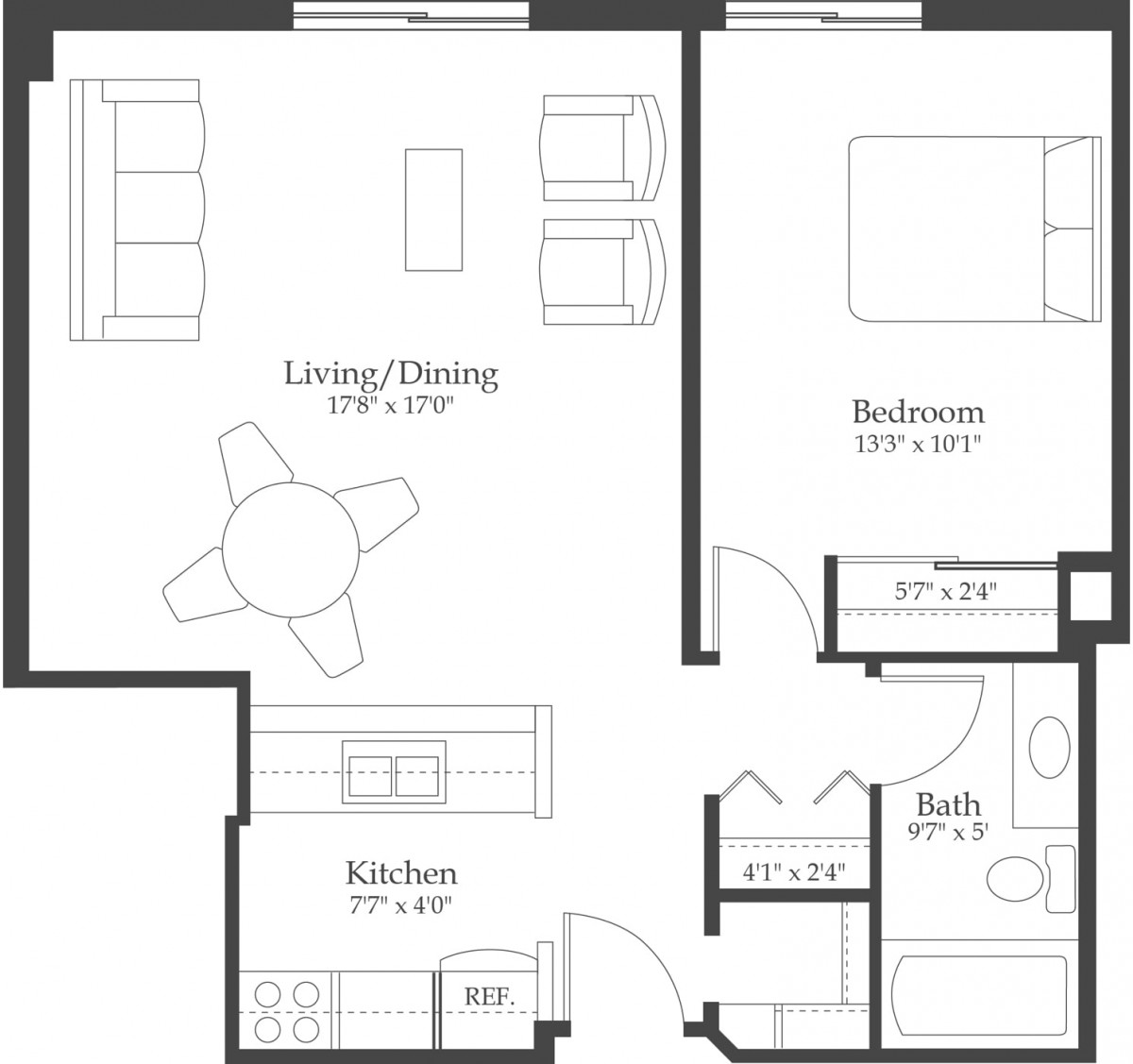
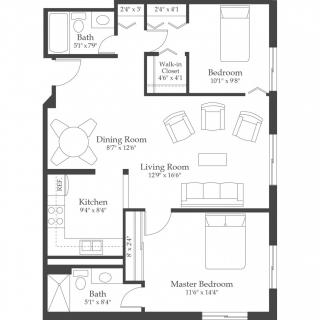
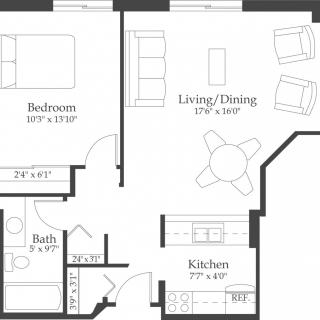
Floor plans
The Wellington Senior Living
Ramsey County
Minnesota
Studio
$1,850
$3,546
$3,617
1 Bedroom
$2,500
$2,287
$2,893
2 Bedrooms
$3,000
$2,312
$2,955
Assisted Living communities with a similar price nearby
Some residents and families report delayed assistance and communication gaps during urgent moments.
A couple of reviewers describe times when they had to wait longer than expected for help, including after a fall. One review also mentions a nurse on call who did not seem to have key medication information. Another reviewer says staff response was delayed when an immediate serious medical need came up. Residents in these accounts also highlight frustration around follow-through when they try to reach someone by phone.
caveat3 reviews mention this
Food improved after service changes
Dining quality seems to have improved for some residents after a change in food services.
While there are also complaints about food quality, multiple reviewers point to improvements after staffing or food service changes. One family says the food has become much better after a change in staffing. Two other reviews call a recent change in food services a big positive step. Taken together, diners appear to have seen a shift, but not every review reflects the same experience.
common2 reviews mention this
Activities and outings are a draw
Residents and families mention frequent social options and organized activities.
Several reviewers mention the community as a good fit when a person wants social opportunities. One describes lots of social opportunities and outside entertainment. Another mentions a wide variety of activities and programs planned for residents. The reviews suggest activities are central to how many families evaluate the day-to-day feel of the community.
common2 reviews mention this
COVID-era precautions stood out
During the coronavirus period, reviewers specifically praised staff precautions for resident safety.
Two family members describe the dedicated staff as superb throughout the coronavirus pandemic. Both reviews say they felt comfortable that precautions were being taken for resident safety. Each also notes that activities were affected by restrictions, but efforts continued to engage residents even afterward. Overall, these accounts frame safety procedures and ongoing check-ins as a key strength during that time.
common3 reviews mention this
Location works for daily access
Families like the location for convenience and neighborhood walkability.
Reviewers mention choosing the community based on location and day-to-day access. One family selected it because it was in an area their loved one was already familiar with. Another highlights the building in a quiet neighborhood with convenient bus access from the airport. A third review also notes the neighborhood as walkable, connecting the setting with easier local movement.
How we summarize
Counts show how many written reviews mention each theme; a review can touch several themes, and only frequently mentioned themes are displayed.
Features
Housing
1-bedroom apartments
2-bedroom apartments
Studio apartments
Types of Care
Assisted Living
Independent Living
Memory Care
Skilled Nursing Facility
Pets
Cats allowed
Dogs allowed
Amenities
Activities off-site
Activities on-site
Air-conditioning
Bath tubs
Beautician on-site
Devotional services on-site
Dining room
Full kitchen
Garden
Guasts at mealtime
Handicap accessible
Housekeeping services
Indoor common areas
Outdoor common areas
Respite or short term stays offered
Wheelchair accessible showers
Wi-Fi/high-speed internet available
Transportation
Minneapolis-St Paul International (3 miles away)
Transportation & parking
Care Services
Diabetic care
Hospice care
Incontinence care
Meal preparation and service
Medication management
Physical therapy
Dining
Anytime dining
Guest meals
Low / no sodium
Meals provided
No Sugar
Professional chef
Restaurant style dining
Room service
Vegetarian
Activities
Activities off-site
Art classes
Catholic services
Cooking classes
Day trips and outings
Devotional activities on-site
Educational speakers / life long learning
Fitness programs
Happy hour
Jewish services
Karaoke
Live well programs
Protestant services
Religious services
Visiting chaplain or priest
Wine tasting
Languages Spoken
English
Nearby Places of Interest
This part of Saint Paul, Minnesota offers a convenient and diverse array of amenities for seniors looking to settle down in the area. With several reputable physicians, hospitals, pharmacies, and places of worship nearby, residents can easily access essential healthcare services and spiritual support. The proximity to parks provides opportunities for outdoor recreation and relaxation in nature. Additionally, the variety of restaurants and cafes offer plenty of dining options for socializing with friends or enjoying a meal out. The nearby transportation options make it easy to travel within the city or to the airport for any necessary trips. Overall, this neighborhood provides a well-rounded and accommodating environment for seniors seeking a comfortable and fulfilling living experience.
The Wellington Senior Living offers competitive pricing for its accommodations compared to the broader market in Ramsey County and throughout Minnesota. For instance, a studio at The Wellington is priced at $1,850 per month, which is significantly lower than the county average of $3,546 and the state average of $3,617. This trend continues with one-bedroom units as well; while The Wellington charges $2,500, residents would typically pay more within Ramsey County ($2,287) and across the state ($2,893). In the two-bedroom category, The Wellington's rate of $3,000 still provides a compelling option when juxtaposed with county and state figures ranging from $2,312 to $2,955. Overall, The Wellington Senior Living presents an appealing cost structure that prioritizes affordability without compromising quality.
The Wellington Senior Living's memory care services are enhanced by several key features that cater specifically to the needs of residents with dementia or Alzheimer's disease. Medication management ensures that residents receive their prescribed medications on time and in the correct dosages, which is vital for maintaining health and minimizing confusion. Meal preparation and service are tailored to accommodate dietary restrictions while promoting nutrition, thereby supporting cognitive function and overall well-being. Physical therapy is integrated into daily routines to help improve mobility, enhance physical strength, and reduce the risk of falls, which is particularly important for this population. Additionally, incontinence care provides dignity and comfort, helping to alleviate anxiety associated with personal care issues while ensuring hygiene and promoting a sense of safety within the living environment. Together, these features create a supportive atmosphere that addresses both physical health and emotional well-being for residents facing memory challenges.
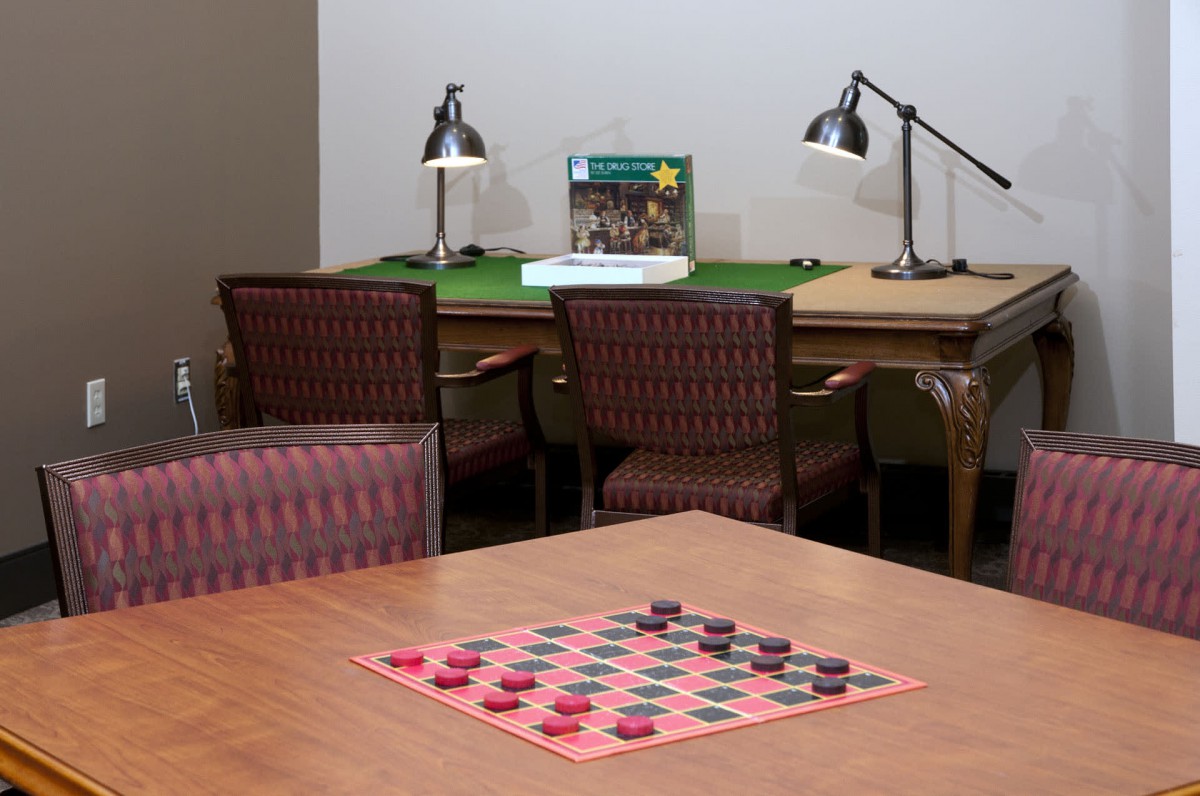
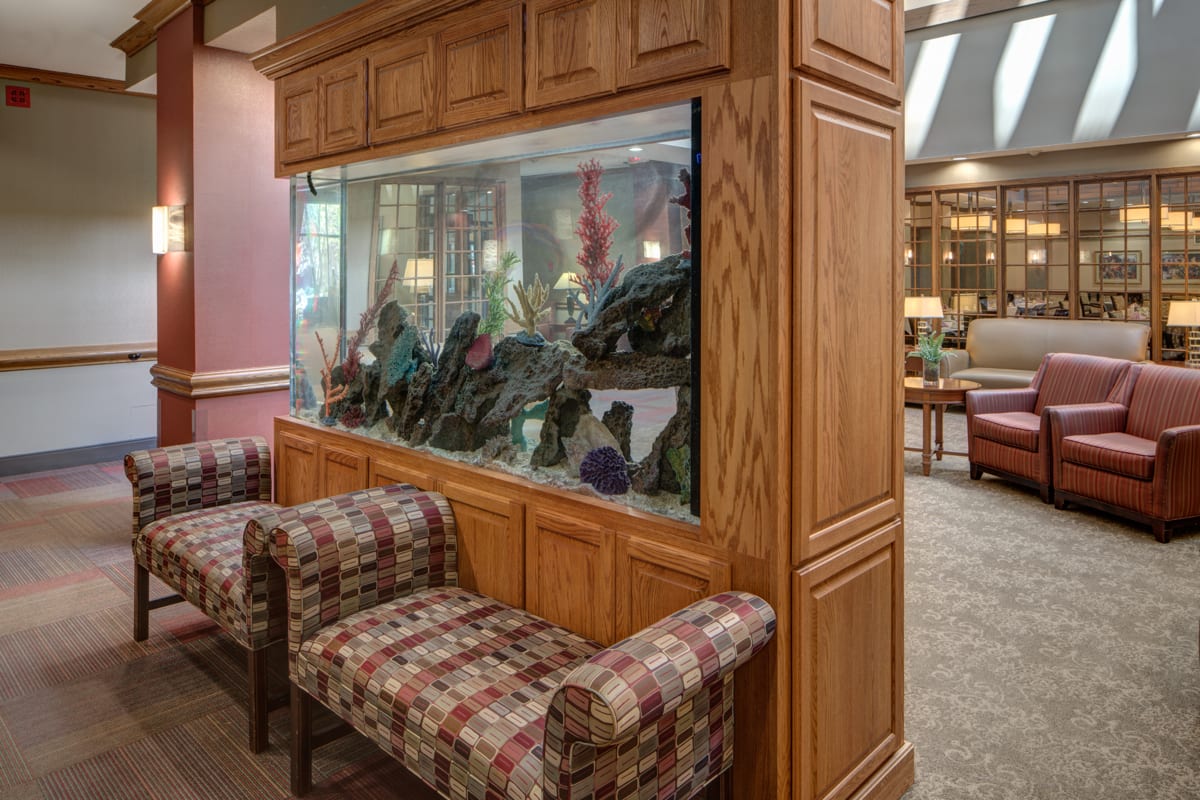
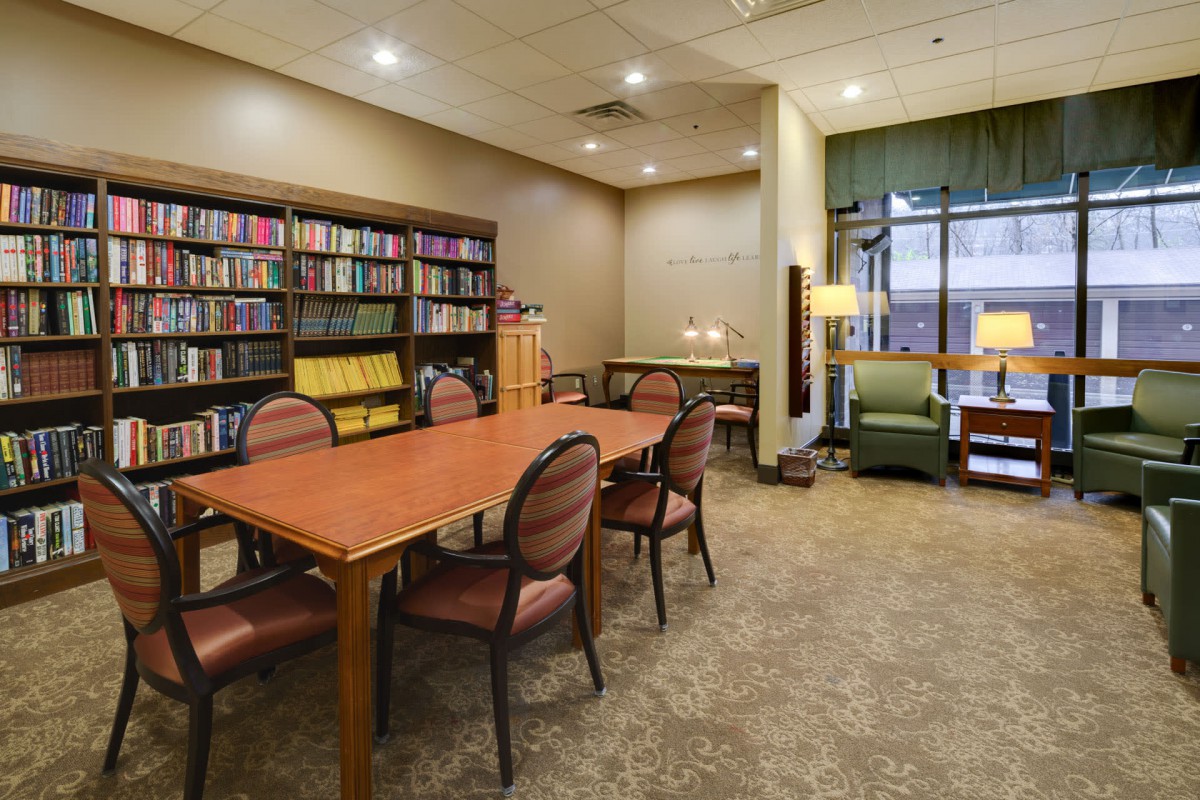
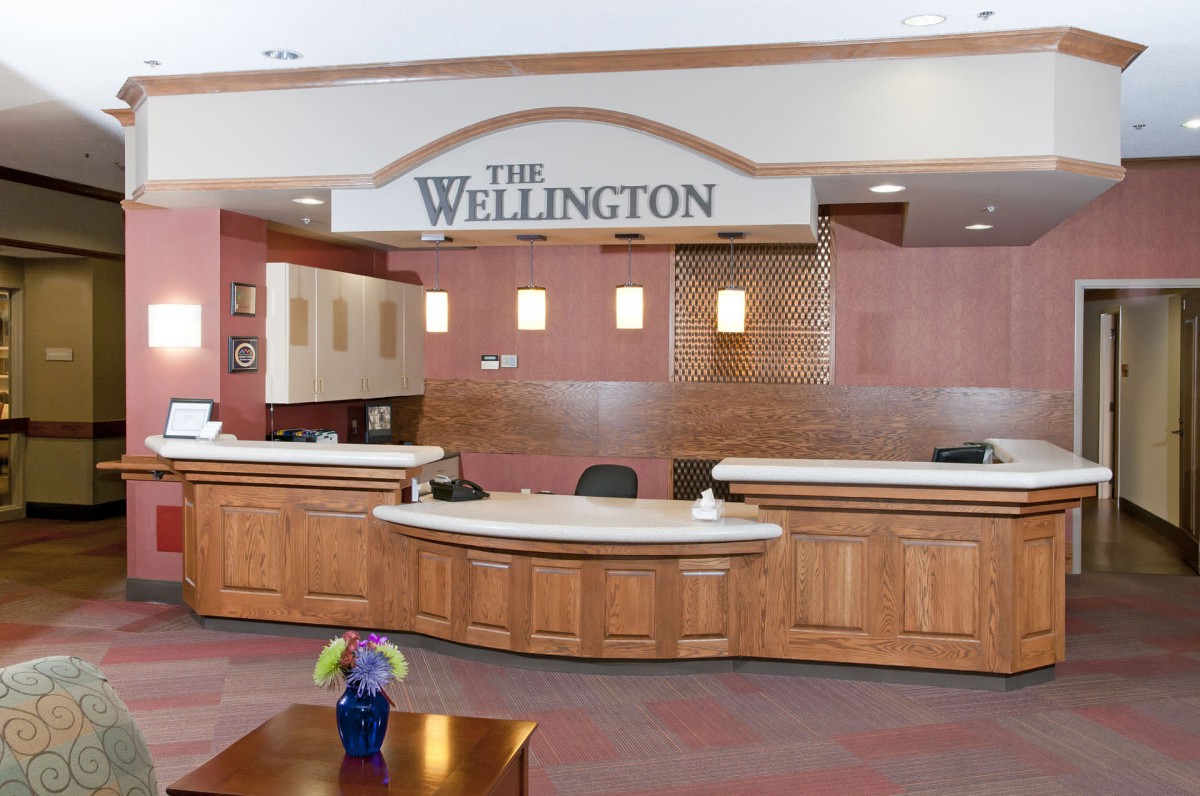
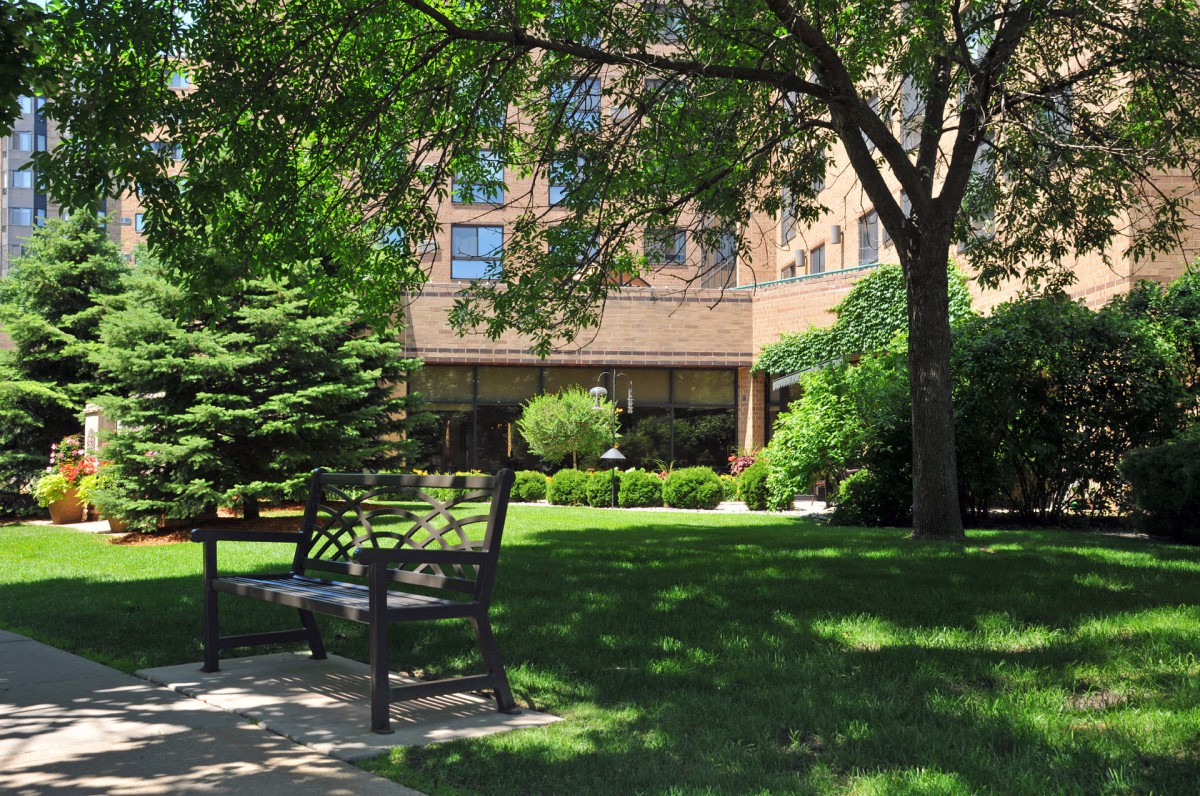
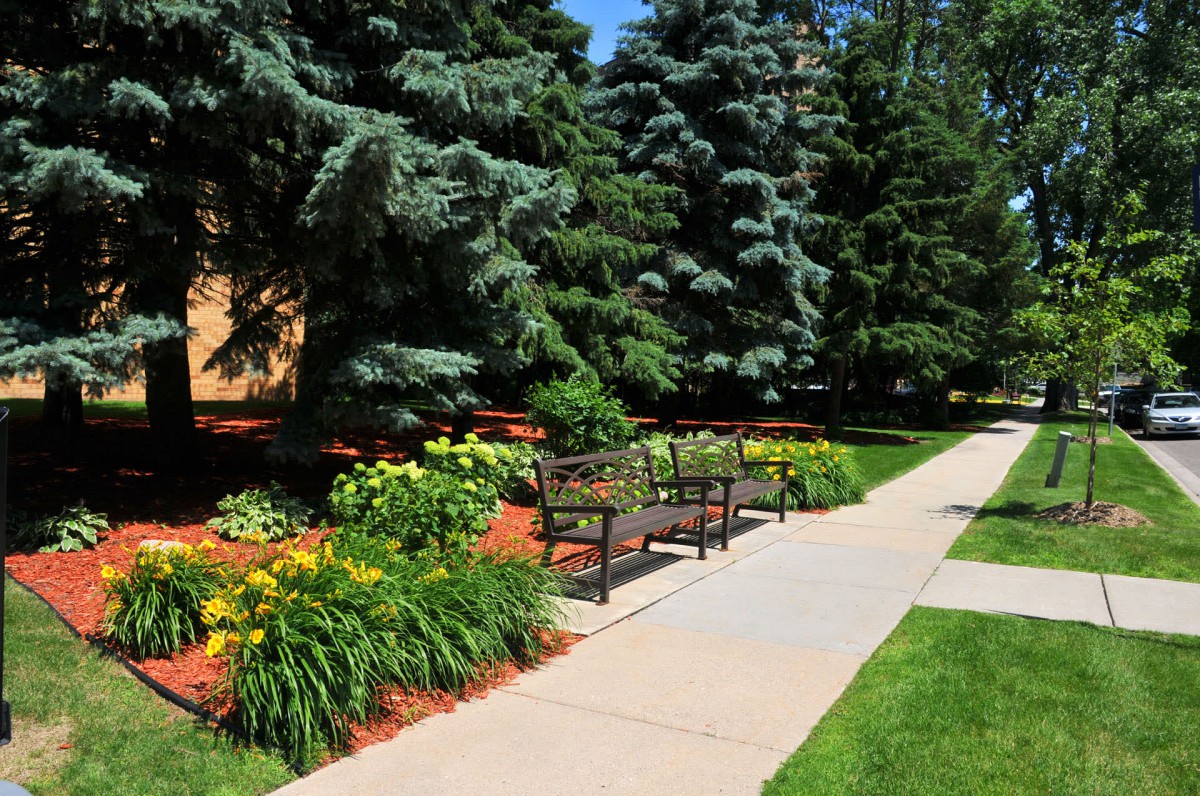
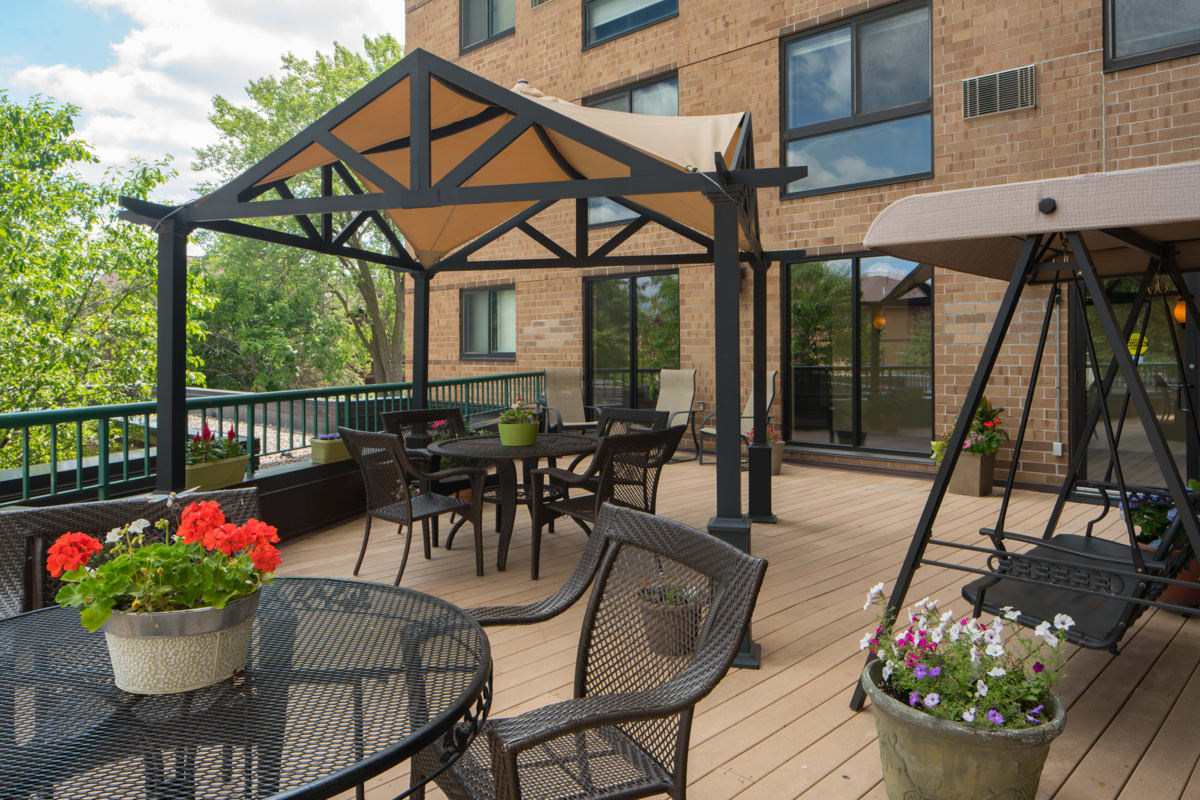
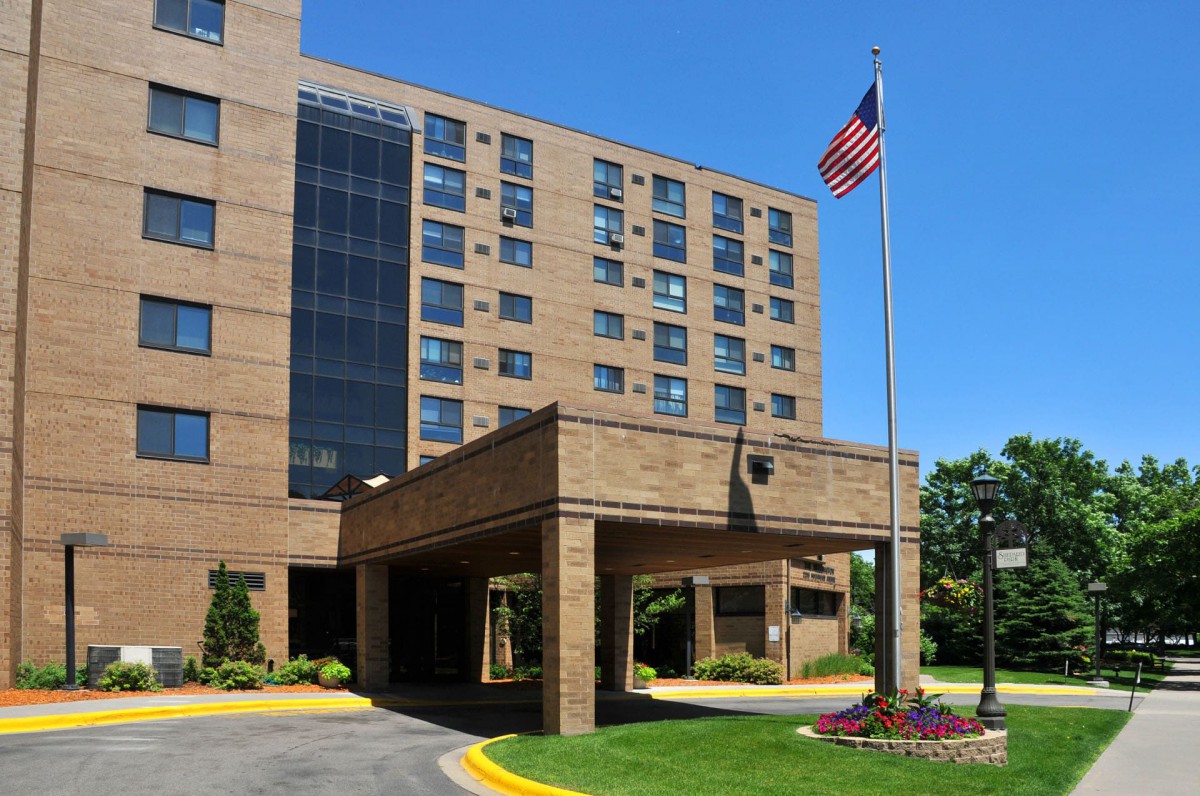
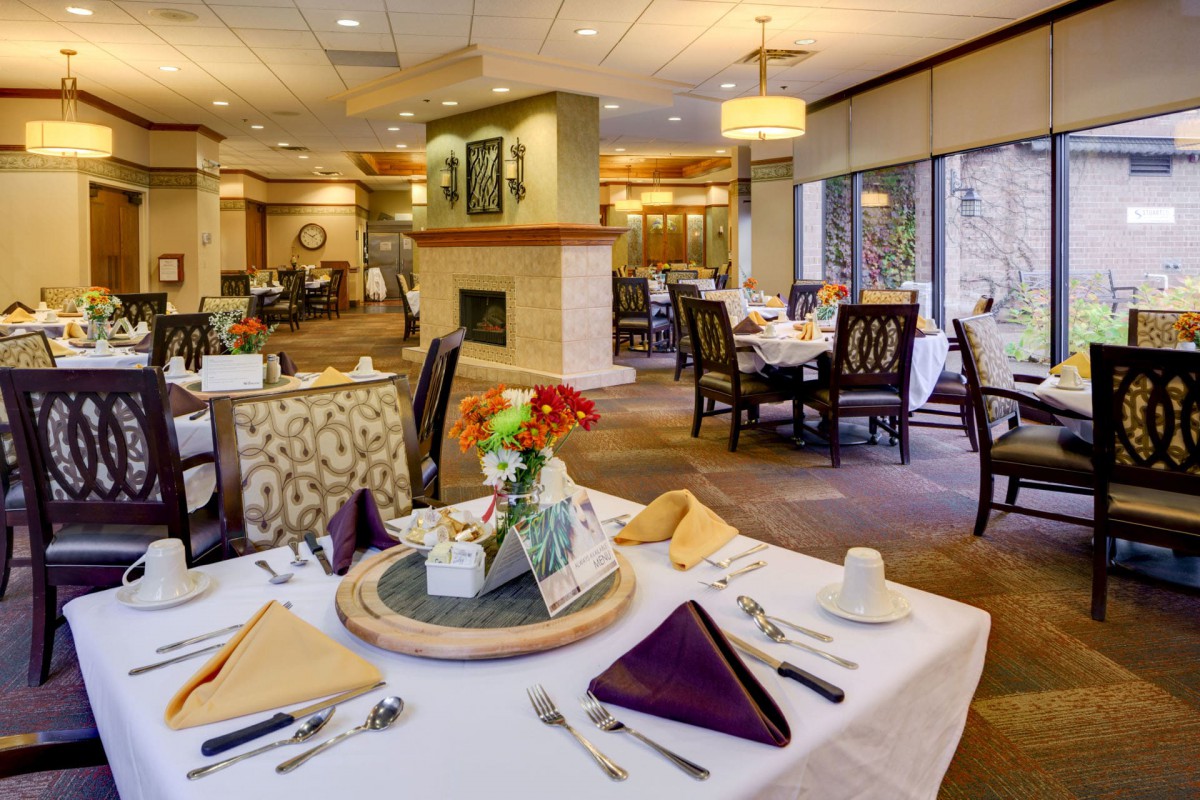
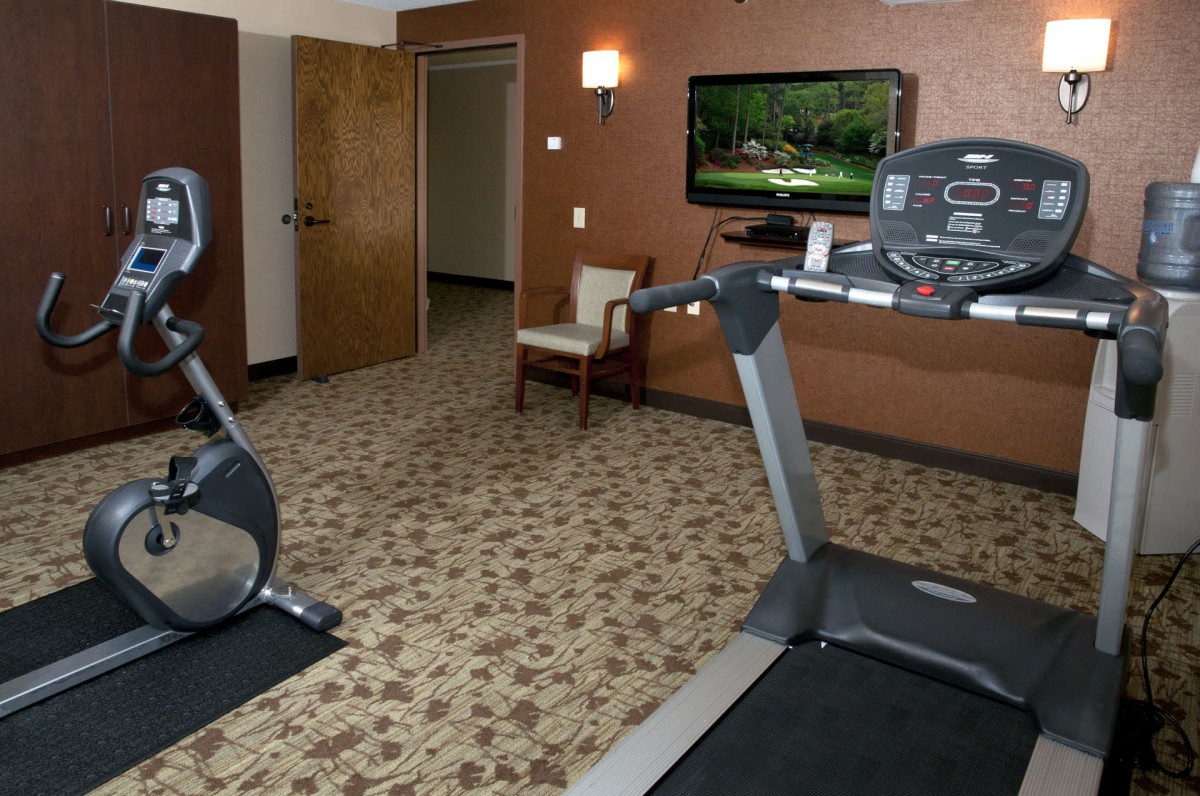
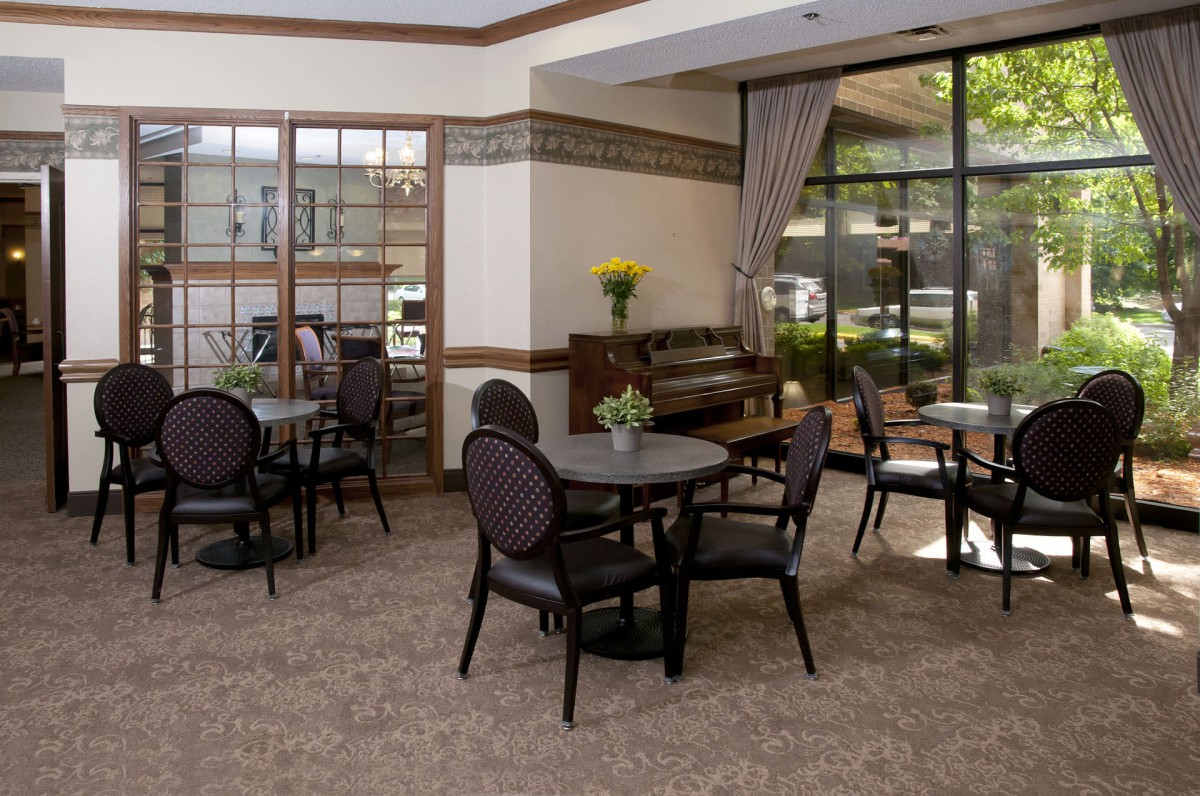
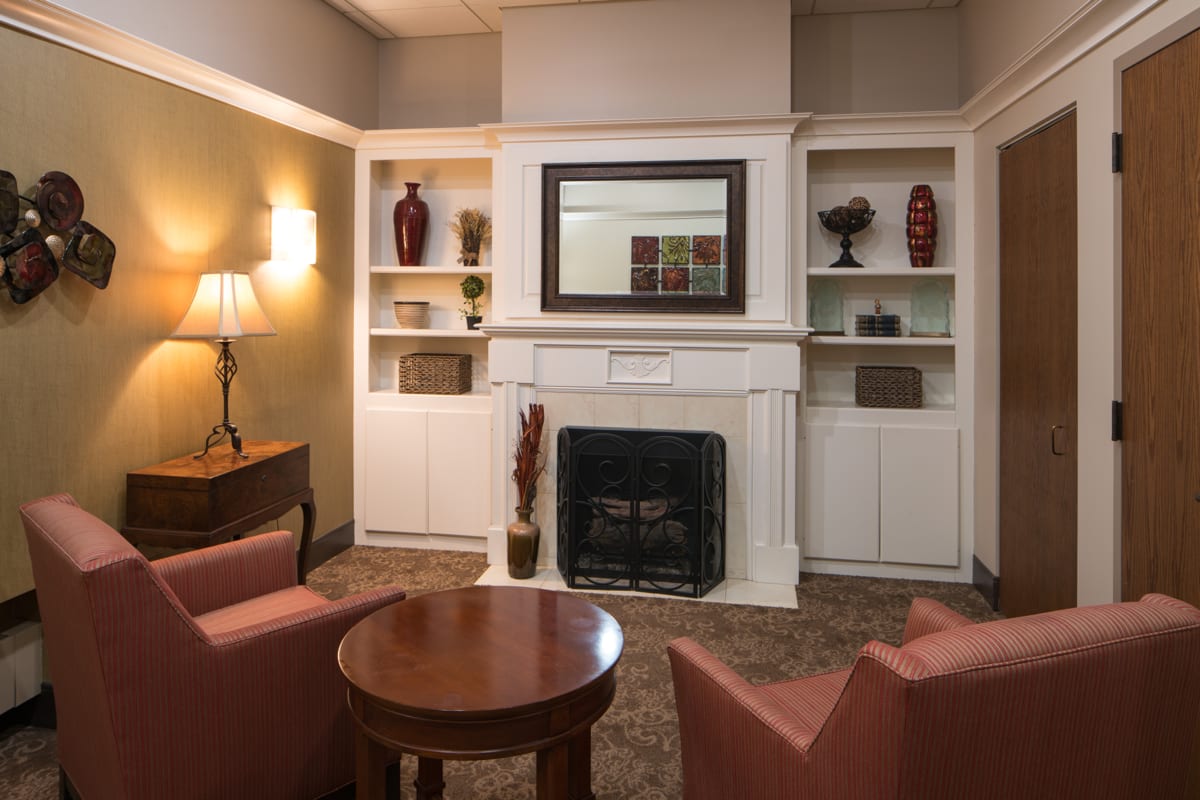
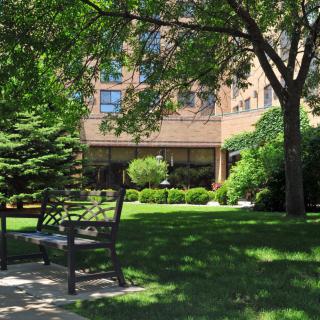
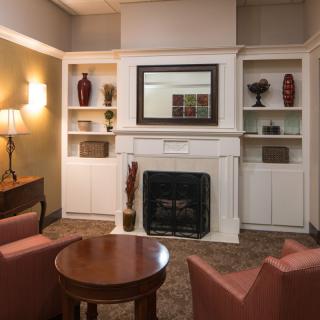
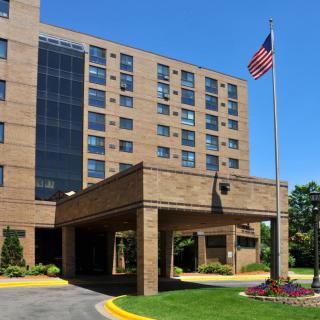
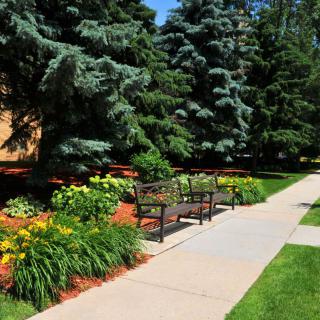
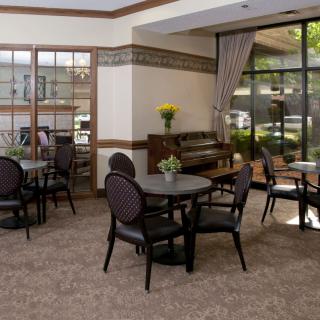
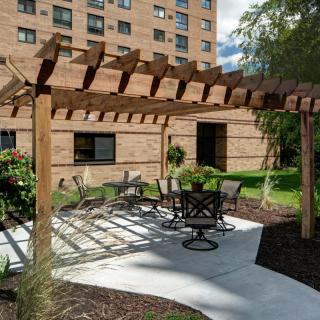
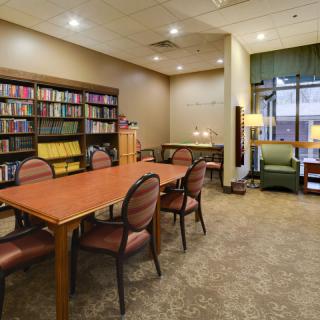
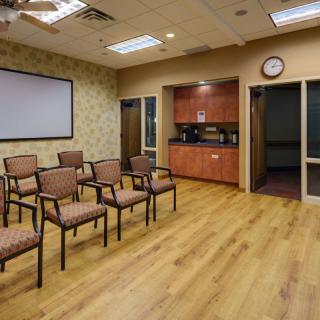
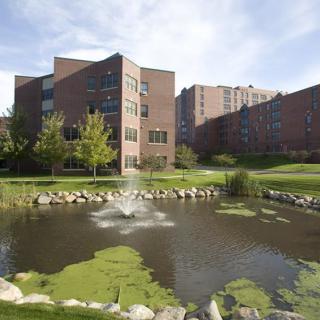
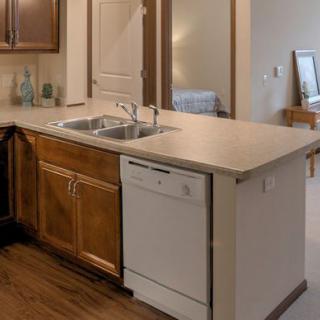
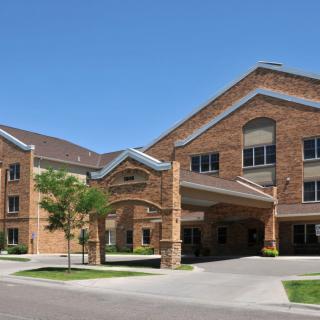
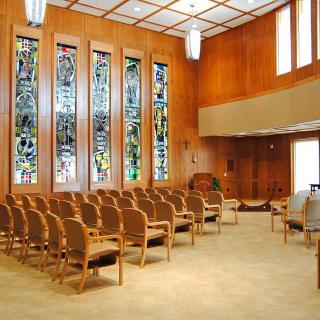
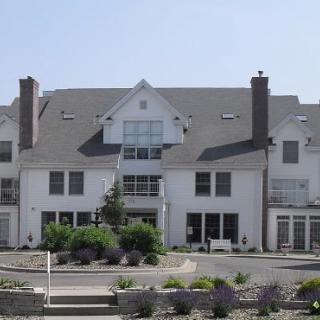
The Wellington Senior Living on seniors.fyi includes 22 photos including images showing interior, floor plan, landscaping, living room, bedroom, kitchen, bathroom, building, and more.
Nearby Communities
The Wellington Assisted Living
St Paul, MN
4.5 from 11 reviews
Extensive amenities with 24/7 safety and coordinated care
Rockwood Place Apartments
St. Paul, MN
3.5 from 4 reviews
$730 to $930 / month
Very affordable 55+ living with extensive nearby amenities (restaurants, parks, healthcare, transportation).
The Alton Memory Care
Saint Paul, MN
4.3 from 23 reviews
$3,000 to $4,000 / month
Clean, safe environment with a dedicated memory-care focus and engaging activities.
Shepard Park Home Care
St Paul, MN
4 from 3 reviews
Memory-care focused environment with 24/7 staff, comprehensive daily living support, and convenient access to services.
The Plaza
St. Paul, MN
4.5 from 55 reviews
$995 to $1,475 / month
Competitive rents for 1- and 2-bedroom units with convenient nearby parks, dining, and healthcare.
Highland Chateau Health Care Center
Saint Paul, MN
2.9 from 68 reviews
Caring staff and engaging activities for residents
Lilydale Senior Living
Lilydale, MN
4.8 from 17 reviews
$3,780 / month
Extensive amenities and responsive, caring staff in a clean, well-designed setting.
Carondelet Village
Saint Paul, MN
5 from 2 reviews
Warm, skilled staff and a welcoming, home-like environment.
New Perspective Senior Living | Highland Park
Saint Paul, MN
4.3 from 81 reviews
$2,272 to $3,769 / month
Caring staff and engaging activities create a warm, supportive environment.
The guide outlines the complexities of Medicaid coverage for assisted living, highlighting significant state-to-state variations, limited coverage often restricted to personal care services, and the existence of specialized waivers for certain needs like memory care. It advises families to consult local Medicaid offices for options while emphasizing the importance of understanding state-specific regulations and facility policies.
Medicaid coverage for assisted living varies by state and is primarily available to low-income individuals, with eligibility dependent on strict income and asset limits. Some states offer HCBS waivers for specific services in assisted living, but families must generally cover room and board costs, and should verify facility acceptance of Medicaid while considering potential waiting lists.
Medicaid waivers for assisted living services provide vital support for seniors and individuals with disabilities in need of long-term care, with varying state-specific eligibility criteria and benefits. These waivers cover personal care and case management but often do not fully cover room and board, leading to waiting lists for many applicants.
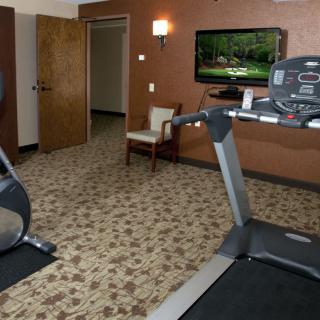
Exercise Equipment, Gym, Treadmill, and Fitness Room
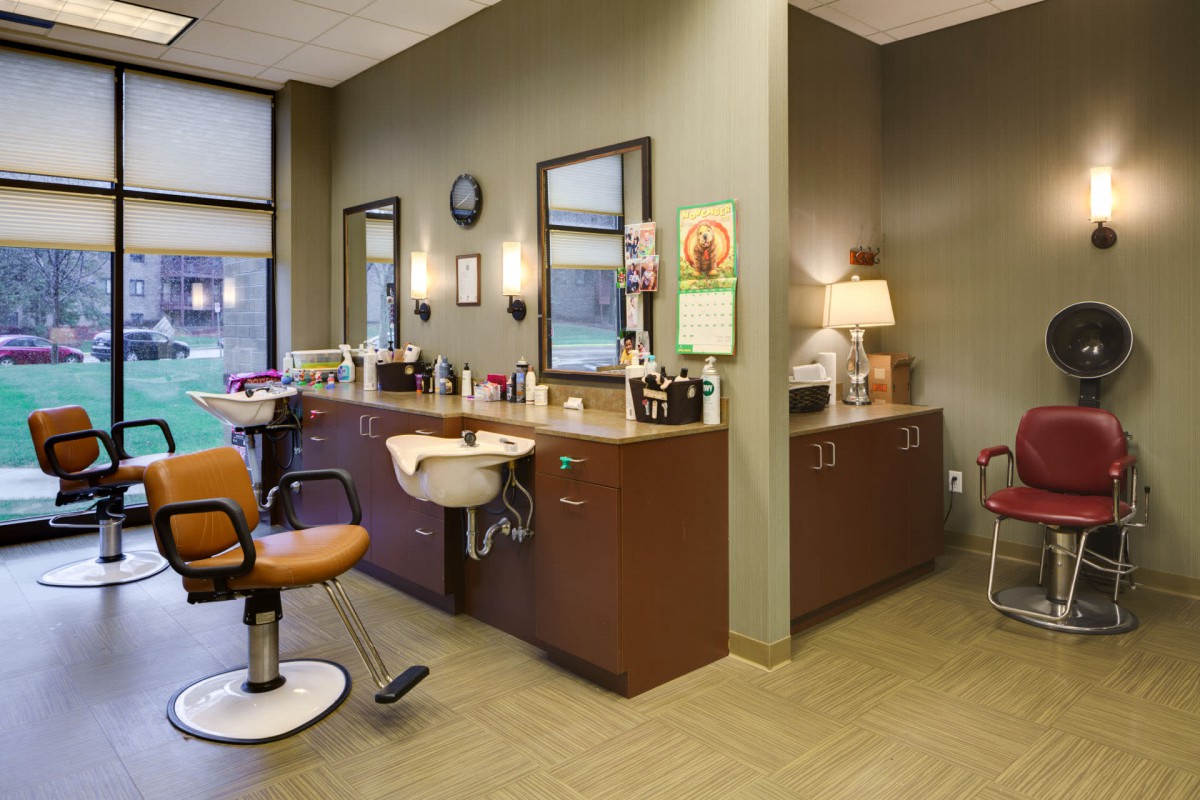
Salon, Mirrors, and Workspace
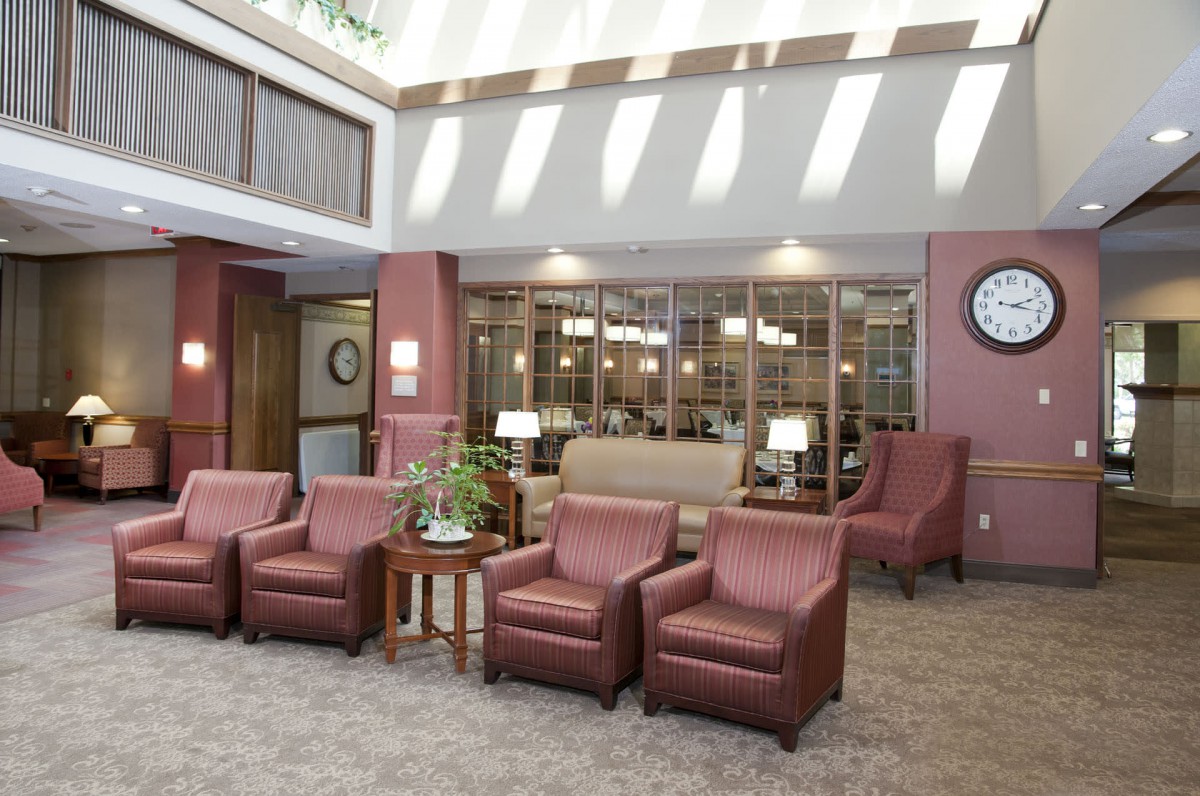
Waiting Area
Indoor Plants and Daylight
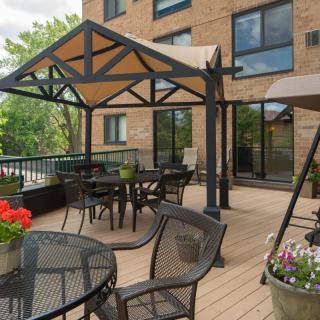
Gazebo, Deck, and Building Exterior
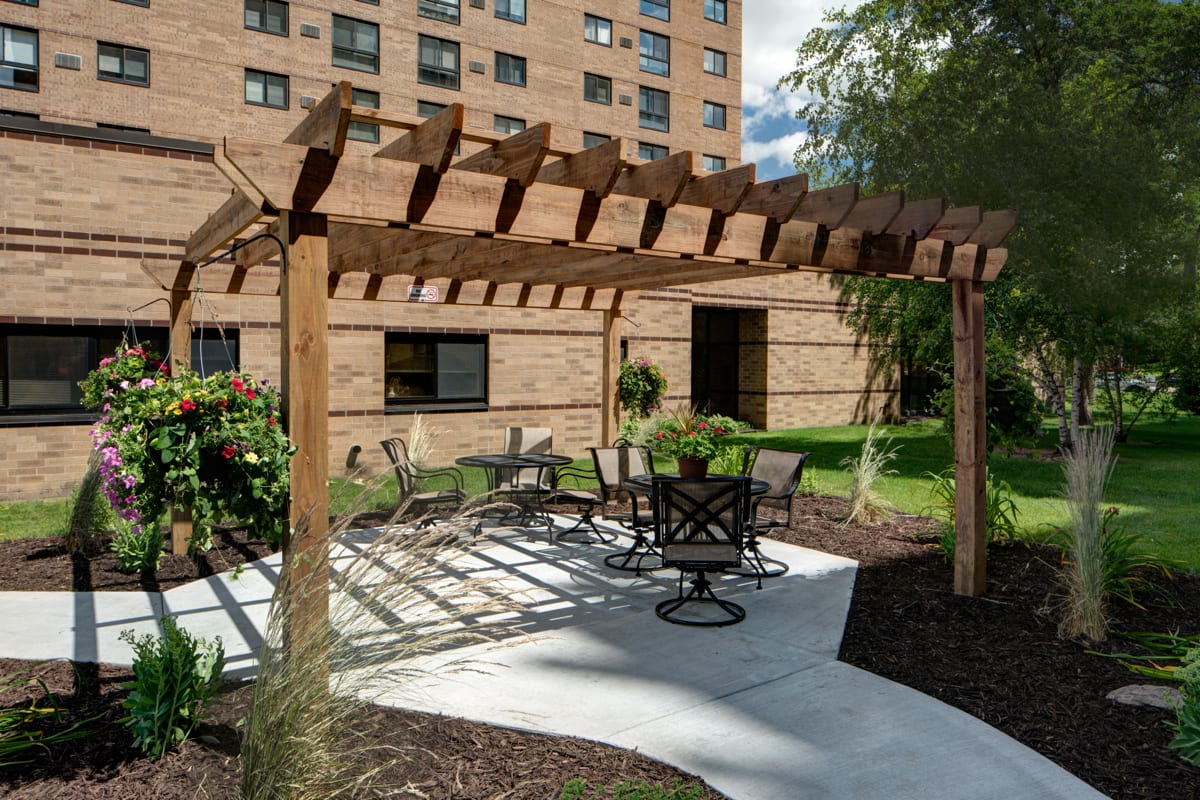
Pergola
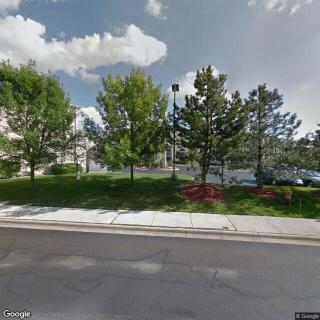
Park and Sidewalk
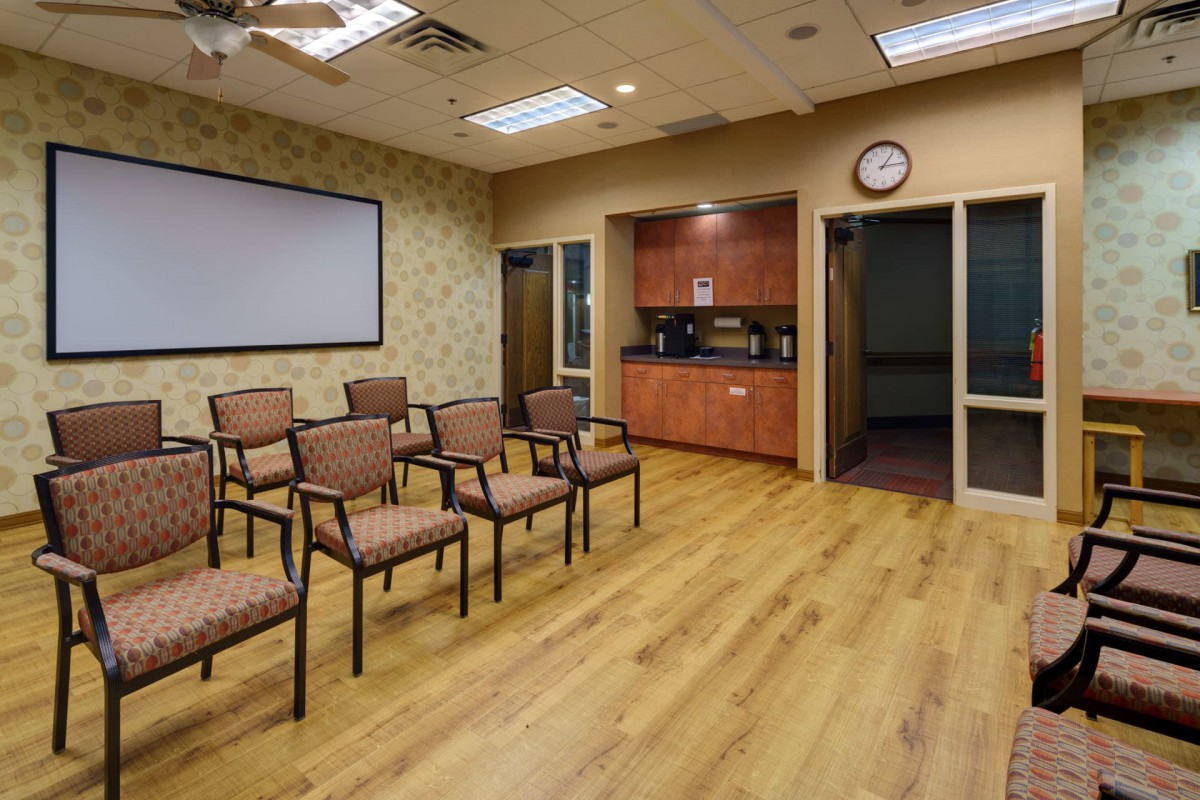
Meeting Room and Office Space
Reception Desk
Aquarium
Get PricingAsk A QuestionSchedule A TourContact Senior Advisor
By clicking submit, you agree to our Partner's Terms of Use. You
also consent to receive calls and texts, which may be autodialed, from our Partner. Your consent is not a condition to
using our Partner's service. Please visit our Partner's Privacy Policy for information about their privacy practices.







 1-bedroom apartments
 Assisted Living
 Independent Living
 Memory Care
 Skilled Nursing Facility
 Cats allowed
 Dogs allowed
 Activities off-site
 Air-conditioning
 Bath tubs
 Beautician on-site
 Devotional services on-site
 Dining room
 Full kitchen
 Garden
 Handicap accessible
 Housekeeping services
 Indoor common areas
 Outdoor common areas
 Respite or short term stays offered
 Wheelchair accessible showers
 Wi-Fi/high-speed internet available
 Minneapolis-St Paul International (3 miles away)
 Transportation & parking
 Diabetic care
 Hospice care
 Incontinence care
 Meal preparation and service
 Medication management
 Physical therapy
 Art classes
 Catholic services
 Cooking classes
 Day trips and outings
 Educational speakers / life long learning
 Fitness programs
 Happy hour
 Jewish services
 Karaoke
 Live well programs
 Wine tasting
 English
 Extensive amenities with 24/7 safety and coordinated care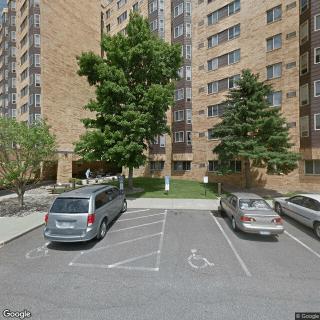

 Understanding Medicaid Coverage for Assisted Living: A Comprehensive Guide
 How and When Medicaid May Cover Assisted Living Costs
 A Detailed Exploration of Assisted Living Medicaid Waivers Across the United States