
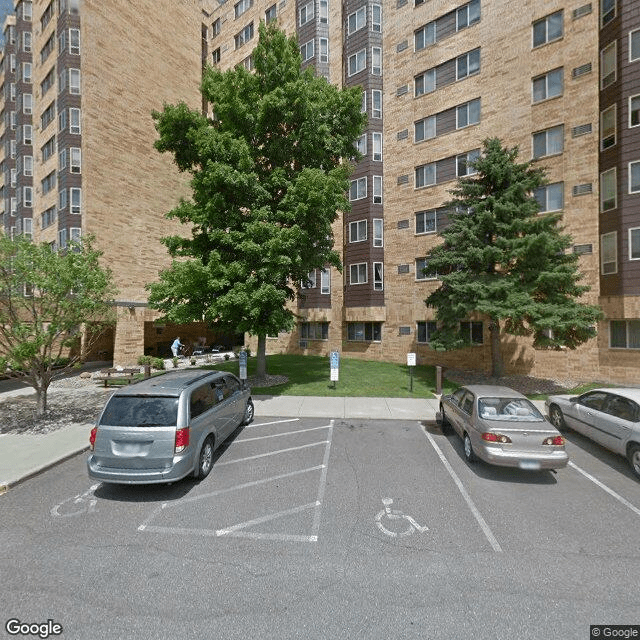
2259 Rockwood Ave, St. Paul, MN 55116
To contact a resident: (651) 699-9844
For more information about senior living options: (866) 208-4318
Rockwood Place Apartments Costs & Pricing
Rockwood Place Apartments offers an attractive pricing structure compared to the broader housing market in Ramsey County and the state of Minnesota. For a one-bedroom unit, residents can expect a monthly cost of $730, which significantly undercuts the average county price of $2,287 and the state average of $2,893. Similarly, two-bedroom apartments at Rockwood Place are priced at $930, again presenting a compelling value when contrasted with Ramsey County's typical rate of $2,312 and Minnesota's statewide average of $2,955. This remarkable affordability positions Rockwood Place as an appealing option for those seeking quality living arrangements without the exorbitant costs typically associated with the area.
| Floor plans | Rockwood Place Apartments | Ramsey County | Minnesota |
|---|---|---|---|
| 1 Bedroom | $730 | $2,287 | $2,893 |
| 2 Bedrooms | $930 | $2,312 | $2,955 |
Senior living communities with a similar price nearby
-
from -$30 / mo
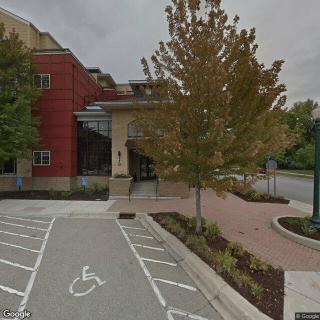
River Gables
$700 to $975 / month22.8 miles away -
from +$145 / mo
The Anthony James
$875 to $1,135 / month15.2 miles away -
from +$32 / mo
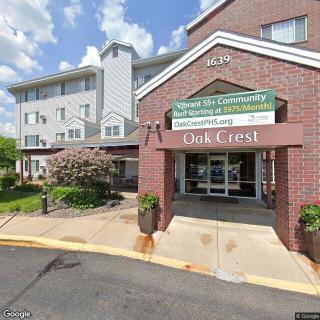
Oak Crest Retirement Community
$762 to $1,019 / month15.2 miles away -
About the same
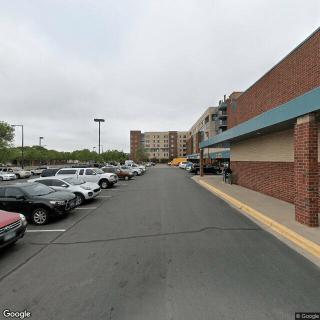
SummerHouse of Bloomington
$730 to $4,680 / month8.1 miles away -
from +$24 / mo
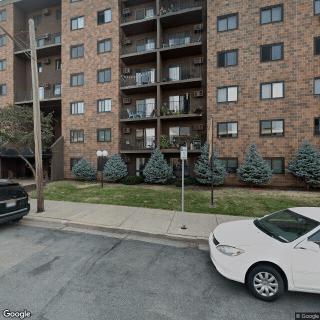
Tree Tops at Calhoun
$754 to $1,414 / month6.6 miles away
Overall Review of Rockwood Place Apartments
Pros
 The building is smoke-free.
- It is handicap accessible.
- There is free off-street parking, with paid reserved parking also available.
- The building is decent and clean.
- It offers amenities including an exercise room, computer lab, community room, community kitchen, and a patio with gardening space.
- Neighbors seem nice.
- The area is nice and convenient, close to transit and to shops, restaurants, parks, trails, schools, and downtown St. Paul.
Cons
 Lease terms and options are predatory.
- Garage policies are questionable and leave much to be desired.
- The building is not consumer friendly.
- The building does not have storage lockers.
- The building has issues with pests.
- The conference room is available for meetings for a sizable fee.
Review
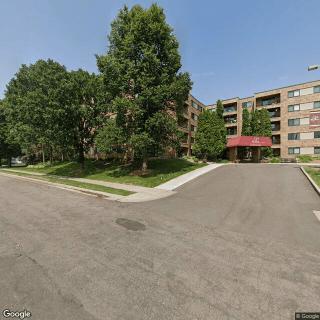
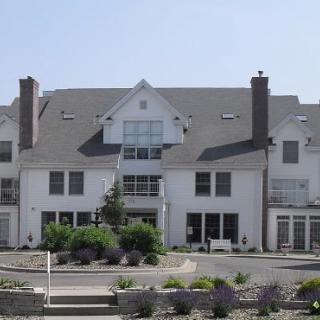
Rockwood Place Apartments in St. Paul is best suited for active, independent seniors who want a smoke-free, handicap-accessible environment with solid transit connections and rich communal spaces. The building emphasizes mobility and social engagement, offering amenities such as an exercise room, a computer lab, a community room and kitchen, and a back patio with gardening space. With 11 floors, clean common areas, and proximity to a bus line, shops, restaurants, parks, trails, and downtown St. Paul, residents can sustain a connected, urban-leaning lifestyle without sacrificing accessibility.
Those who should consider alternatives are individuals who require predictable, consumer-friendly lease terms and clearer, lower-cost parking and storage arrangements. The reviews describe lease terms and options as predatory and not consumer-friendly, and point to questionable garage policies. The lack of storage lockers and the presence of pests add ongoing costs and hassles that can erode long-term value. For families prioritizing transparent pricing, straightforward rules, and proactive pest management, other properties may offer a safer, more stable experience.
The positives in Rockwood Place do create meaningful living value. The smoke-free, accessible design supports daily comfort and mobility, and the building’s cleanliness and functional common spaces bolster safety and social interaction. Parking alternatives, free off-street parking plus paid reserved spots, provide practical flexibility for residents who drive. The amenity cluster, including the exercise room, computer lab, community room, and communal kitchen, supports healthy routines and regular interaction, helping counterbalance the absence of on-site dining or full-service care. Neighborly residents and a convenient location also contribute to a sense of security and belonging.
But the main drawbacks cannot be ignored, and they color the overall cost-benefit equation. Described lease terms as predatory signal ongoing risk and complexity around pricing, access, and penalties, which can undermine financial predictability. Garage policy ambiguity risks disputes over parking rights, fees, and enforcement. The absence of storage lockers compounds clutter management and long-term arranging of personal belongings or assistive devices. Pest issues, noted in multiple reviews, raise concerns about ongoing maintenance and overall living comfort. Added costs like paid laundry on the main floor further press budget constraints for residents on fixed incomes.
Daily living realities in this community are a mix of opportunity and friction. The available conference room comes with a notable fee, which can deter routine use for meetings or gatherings, while in-unit laundry remains absent, making laundry logistics more cumbersome and costly over time. Yet the location’s advantages, access to bus lines, quick drives to downtown, proximity to shops, parks, and the airport, remain compelling for those who prize independence and minimal driving. The social potential remains strong when residents engage with the communal spaces and neighbors, but that potential rests on navigating the lease terms and nuisance factors effectively.
Bottom line: Rockwood Place is a viable choice for independent seniors who prize accessibility, social spaces, and proximity to urban amenities, and who are comfortable navigating opaque lease terms and managing pests and storage constraints. For anyone prioritizing transparent pricing, consistent pest control, larger in-unit storage, and more turnkey, predictable living, alternatives deserve serious consideration. Prospective residents should demand a clear, sample lease, explicit parking rules, documented pest-control history, and a plan for laundry and storage before committing. In practical terms, the community delivers mobility, community, and convenience, but the decision hinges on accepting potential lease friction and maintenance headaches as the price of entry to a socially active, transit-friendly setting.
 Active Adult Communities (55+)
 Cats allowed
 Dogs allowed
 Minneapolis-St Paul International (3 miles away)


 Skilled Nursing Facilities vs. Nursing Homes: Making Sense of the Differences
 A Detailed Examination of Nursing Home Costs Across the U.S.
 Exploring Nonmedical Home Care: Understanding Services, Costs, and Financial Approaches