

5101 Minnehaha Avenue South, Minneapolis, MN 55417
For more information about senior living options: (866) 208-4318
Overall Review of Mn Veterans Home Minneapolis
Pros
 The memory unit staff are caring.
- The staff were great when they first moved in.
- The staff, aides, nurses and volunteers are very professional and seem happy to care for the veterans.
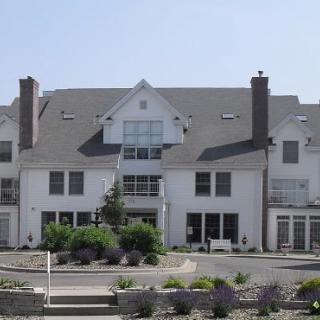
- The building is always clean and well kept.
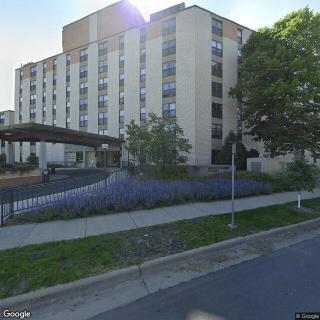
- The campus is beautiful and immaculate.
- The staff are amazing and care deeply for the residents.
- The location is right on the river with walking paths and nature everywhere.
- The facility is a great place for veterans to live.
Cons
 The reviewer stated that after COVID things had seriously deteriorated, with most of the staff described as African and unable to communicate effectively.
- The reviewer observed that most of the time staff sat around on their phones.
- The reviewer noted that during COVID staff would help hold the device for his father, but afterward they would not help.
- The reviewer warned that clothes were sent out to the county jail to be washed and sometimes went missing.
- The reviewer conceded that while no facility is perfect, this veterans home had really gone downhill.
Review
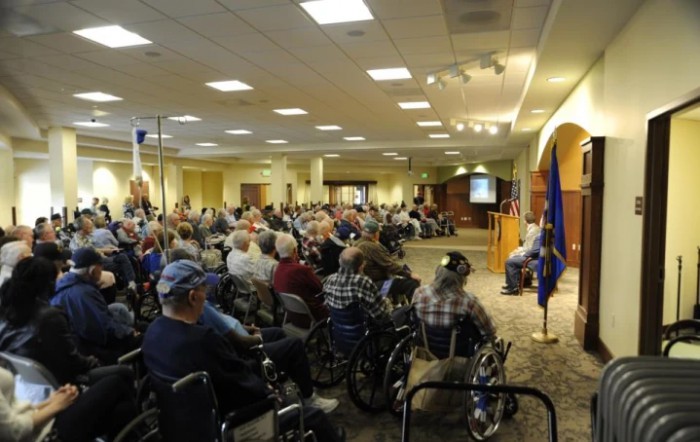
Mn Veterans Home Minneapolis is best suited for veterans and families who prize a veteran-centric campus culture, a tranquil riverfront setting, and a caregiving team that tends to stay emotionally invested in residents over time. It works well for those who want a strong sense of community, a dignified memory care option, and a campus atmosphere where care feels personal. The location, beautiful grounds with walking paths, adds a practical layer of quality-of-life that many families value as part of daily routines. This is not a generic senior residence; it’s a facility that leans into its identity as a veterans’ home, with an expectation that residents flourish when surrounded by peers who share a military-connected legacy.
That said, alternatives deserve consideration for families with specific needs. Those who require near-constant, highly reliable hand-holding, or whose loved ones depend on consistently flawless communication and language clarity from a wide range of staff, may want to compare options. Some families may prefer facilities with fewer reported variability in staff responsiveness or with staffing models that ensure more predictable day-to-day interactions. For residents with pronounced mobility or medical needs that demand rapid, uniform responses, exploring other communities could yield more consistent experience and reassurance.
The strongest positives center on the caregiving culture. Reviews repeatedly praise staff for genuine kindness, professionalism, and a deep sense of responsibility toward veterans. Families describe aides, nurses, and volunteers as “wonderful” and “caring,” with many highlighting long-tenured teams that feel familiar and committed. The campus itself reinforces these strengths: a clean, well-kept environment, a beautiful setting, and a community designed to honor veterans. In practical terms, that combination translates into meaningful daily routines, respectful treatment, and a sense of stability that many families want when entrusting someone they love to a facility.
However, several notable downsides temper that strength. Communication quality and staff responsiveness have shown inconsistencies, with some families noting improvements while others report gaps in follow-through. Instances of staff appearing preoccupied or difficult to engage, whether due to workload or other factors, have created moments where loved ones felt less supported. Language or distance-based communication barriers were cited in some accounts, making simple tasks like holding a tremor device or obtaining timely assistance more challenging. Operational issues surfaced as well, including reports of clothes being misrouted or delayed laundry processes, which understandably raise concerns about attention to detail.
These pros and cons clash in ways that prospective families can use to their advantage. The caring, veteran-focused culture and the campus environment can offset concerns for many families, especially when consistent visits and proactive family involvement are possible. The strongest protection against disappointing miscommunication is clear, early engagement: insist on a dedicated point person, request a fixed caregiving team for the primary memory-care unit, and set up routine updates. Yet the variability highlighted by some families means a candid assessment of expectations is essential: if the schedule of staff interactions and the reliability of daily chores are non-negotiable, a comparison with other communities may be warranted.
For decision-making, the practical path is straightforward. Schedule a thorough tour and request conversations with the unit manager for memory care, housekeeping, and activities. Ask pointed questions about staff-to-resident ratios, language supports, and the facility’s laundry workflow, including how misplacements are handled. Assess the specific unit where the loved one would live, most families will want to see how care tasks are coordinated during peak hours, and whether there is a consistent caregiving team assigned to the unit. If these checks align with expectations, Mn Veterans Home Minneapolis offers a resonant combination of veteran-centric culture, strong staff devotion, and a tranquil, well-maintained setting. If not, it is prudent to weigh alternatives that may deliver steadier communication and more predictable daily routines, especially for residents with complex memory and mobility needs.
 300 resident community capacity
 Skilled Nursing Facility
 Air-conditioning
 Beauty salon
 Cable or satellite TV
 Computer center
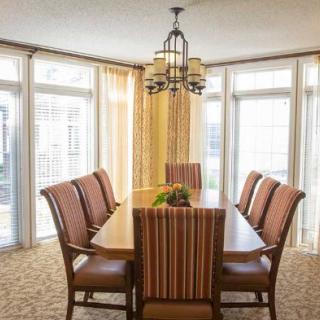
 Dining room
 Fitness room
 Fully furnished
 Gaming room
 Garden
 Housekeeping services
 Kitchenette
 Move-in coordination
 Outdoor space
 Private bathrooms
 Restaurant-style dining
 Small library
 Telephone
 Wellness center
 Wi-Fi/high-speed internet available
 Minneapolis-St Paul International (2 miles away)
 Community operated transportation
 12-16 hour nursing
 24-hour call system
 Activities of daily living assistance
 Assistance with bathing
 Assistance with dressing
 Assistance with transfers
 Diabetes diet
 Medication management
 Mental wellness program
 Special dietary restrictions
 Concierge services
 Planned day trips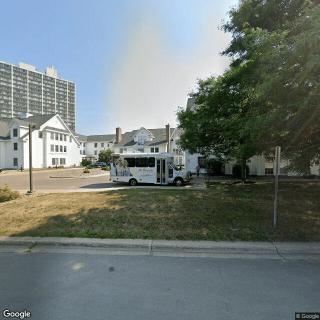

 Comprehensive Guide to Blood Pressure Charts for Older Adults: Understanding Normal and High Readings by Age
 Financing Long-Term Nursing Home Care Through Social Security: A Thorough Exploration
 Essential Knowledge on Pneumonia in Older Adults