
4500 East 46Th Street, Minneapolis, MN 55406
For more information about senior living options: (866) 208-4318
Overall Review of Point-One Home Health
Pros
 Point One Home Health is described as feeling like home, with a strong sense of family.
- The home is described as family-operated and filled with love, compassion, and care.
- The care team is credited with greatly improving residents’ mental and physical health.
- The staff are thanked for their dedication and care.
- The reviewers note that the caregivers genuinely care for loved ones.
Review
Point-One Home Health in Minneapolis is best suited for seniors who want a warm, home-like setting backed by a family-operated team. This community runs on relationships, delivering care that feels personal rather than procedural. It is ideal for residents who value continuity, a sense of belonging, and caregivers who treat each person as part of a family. For families, the payoff is clarity and trust: the same team that provides daily support tends to know the resident’s history, preferences, and small but meaningful routines, which can translate into steadier mood and less agitation for those who respond best to familiar faces.
Those considering alternatives should note that Point-One might not be the right fit for everyone. If the priority is a hospital-style environment with extensive clinical oversight or a highly structured, diversity-rich activity calendar, a larger assisted living community or skilled nursing facility may be more appropriate. For residents requiring advanced memory-care programming, frequent on-site medical interventions, or a broader menu of specialty therapies, the scale and resources of bigger campuses can outperform a smaller, family-operated home.
The strongest upside centers on care that feels deeply personalized. The care team is described as compassionate, attentive, and genuinely invested, with reports of meaningful improvements in both mental and physical well-being. In a setting where staff know residents by name and respond quickly to changing needs, daily life can become more predictable and reassuring. The “home” in Point-One’s model is more than a sentiment; it translates into fewer transitions, quicker problem-solving, and a climate where residents can relax into care rather than compete for attention. This intimate approach often makes difficult aging experiences more manageable for families.
That intimate care, however, does come with trade-offs. The smaller scale can limit the breadth of services, the variety of programming, and the availability of around-the-clock clinical resources that some families expect. Prospective residents should evaluate whether the level of medical oversight and therapy options aligns with current needs and anticipated future needs. The upside, consistency, trust, and a dignified, family-style atmosphere, must be weighed against the potential for slower access to specialized treatments or rapid escalation of complex medical issues.
Another practical signal of value is the demonstrated retention and satisfaction over time. Residents have stayed for extended periods, months and years, often signaling stability, low turnover, and a caregiver pool that grows to know each person well. This translates into fewer disruptive moves, more predictable routines, and a living environment that feels less like a facility and more like a trusted home. For families, that continuity can be the deciding factor when weighing quality of life against the convenience of proximity or lower cost at alternative residences.
Decision-makers should approach Point-One with a clear checklist. Prioritize whether a home-like atmosphere and consistent caregiver relationships align with the resident’s temperament and care needs. Confirm the level of daily medical oversight, access to therapies, and the ability to manage evolving conditions within the same setting. Observe interactions during a visit, listen for how staff respond to questions, and assess whether the emotional climate feels safe and comforting. If independence, social variety, and formal clinical programming are non-negotiables, prepare to explore alternatives; if dignity, stability, and a family-driven ethos matter most, Point-One stands out as a compelling option.
 5 resident community capacity
 Assisted Living
 Cable or satellite TV
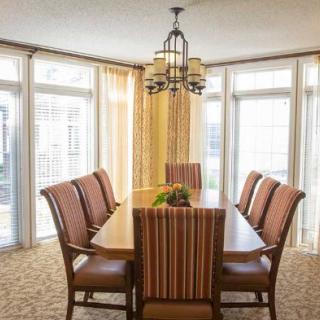
 Dining room
 Fully furnished
 Garden
 Housekeeping services
 Move-in coordination
 Outdoor space
 Telephone
 Wi-Fi/high-speed internet available
 Minneapolis-St Paul International (3 miles away)
 24-hour supervision
 Activities of daily living assistance
 Assistance with bathing
 Assistance with dressing
 Assistance with transfers
 Diabetes diet
 Meal preparation and service
 Medication management
 Special dietary restrictions
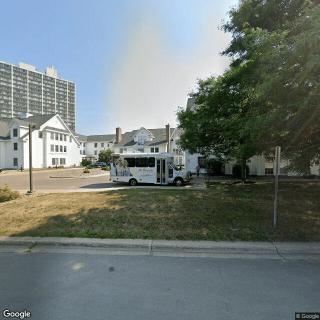
 Transportation arrangement (medical)
 Transportation to doctors appointments




 8 Key Indicators That Suggest It May Be Time to Transition from Assisted Living to Skilled Nursing Care
 Vibrant Senior Living: A Comprehensive Guide for Active Older Adults
 When to Transition from Assisted Living to Memory Care: Key Indicators, Steps, and Finding the Right Community