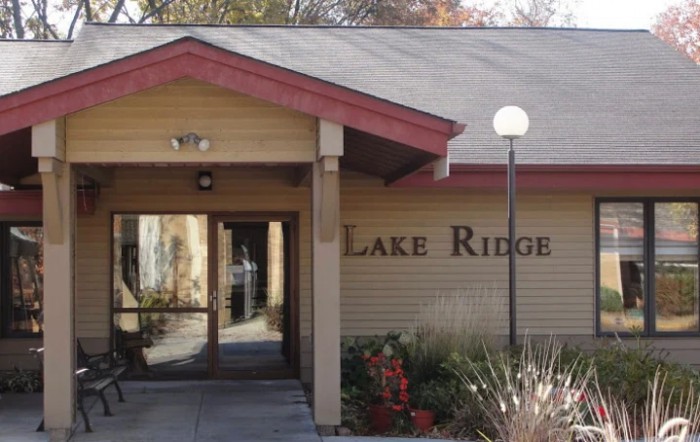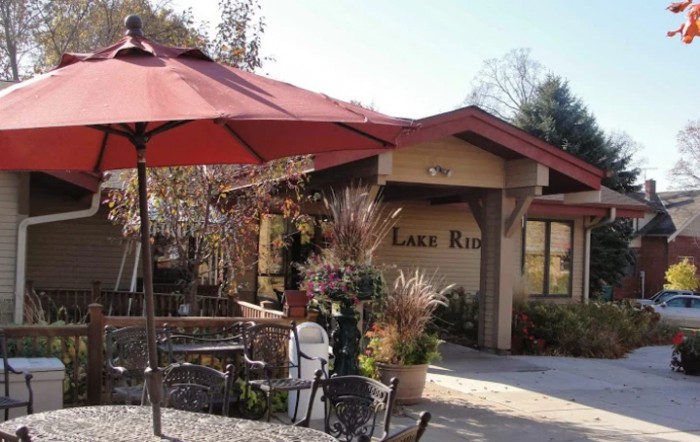
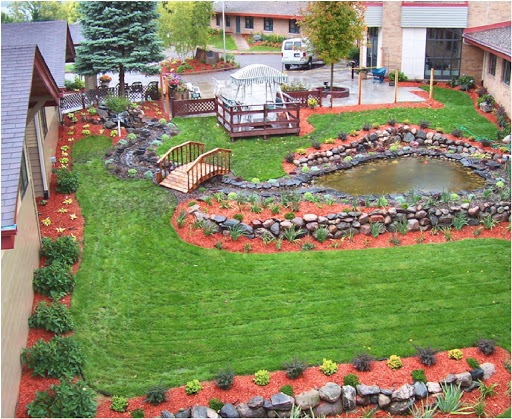
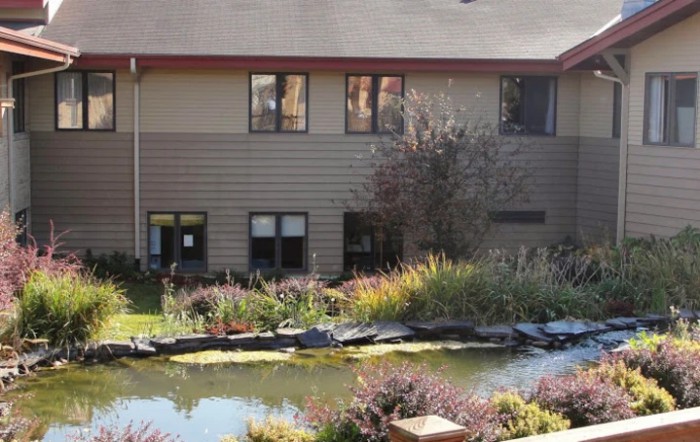
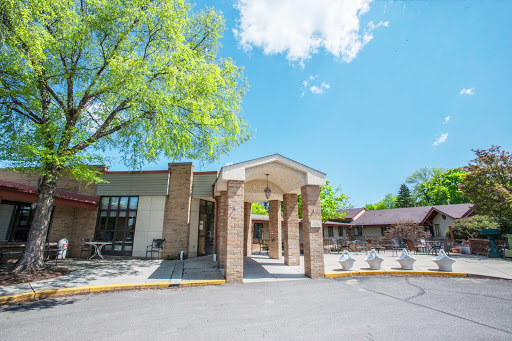

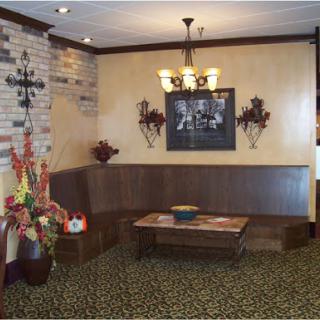
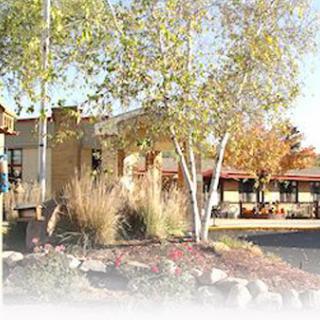
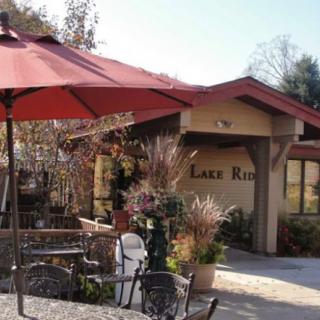
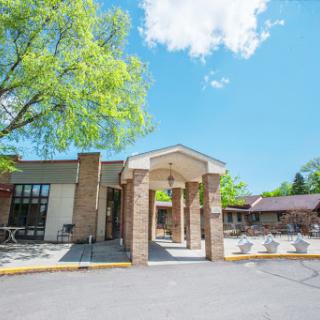

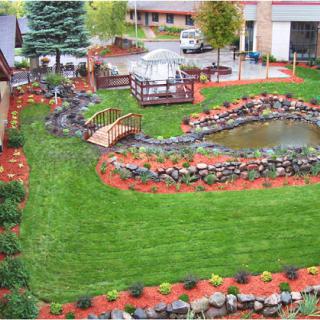

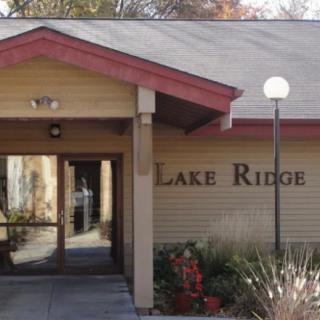

310 Lake Boulevard, Buffalo, MN 55313
For more information about senior living options: (866) 208-4318
Overall Review of Lake Ridge Care Center Of Buffalo
Pros
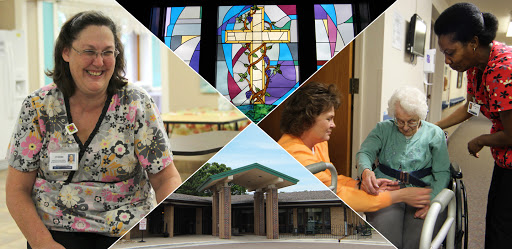
 The staff at Lake Ridge are amazing, kind, and hard-working.
- The facility is professional, well organized, and runs like a well oiled machine.
- The hospice unit provides excellent care and comes highly recommended.
- The care team is caring, works well together, and communicates effectively.
- Visitors are made to feel welcome, and residents and staff form friendships.
- The environment is friendly, and residents are known by name and treated like family.
- The meals are good, contributing to a positive overall experience.
Cons
 They warned others not to bring a loved one to the facility.
 - They described the staff as short-staffed and unable to provide adequate care.
- They observed nurses standing around laughing on their cellphones instead of assisting patients.
- They stated there was no compassion and called the care horrendous.
- They labeled the rehab program as terrible and noted that staff were overstretched.
- They alleged neglect that led to hospitalizations and later hospice care.
- They noted shortages of essential supplies like catheter bags and bandages.
- They claimed residents were berated to gain financial control and were misbilled.
- They claimed staff pressured residents to remove power of attorney from advocates.
Review
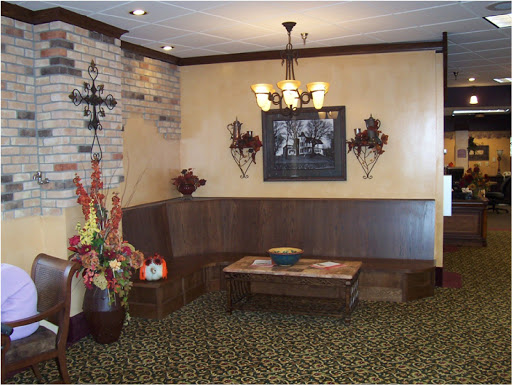
Lake Ridge Care Center Of Buffalo is best suited for seniors who want a warm, person-centered environment where caregiving is delivered by a cohesive, dedicated team and where social connection and pastoral presence are part of daily life. Families drawn to a facility that feels like a close-knit community, where residents are known by name, staff strive to balance professionalism with genuine kindness, and hospice care is readily available, will likely find Lake Ridge appealing. The emphasis on compassion, teamwork, and a welcoming atmosphere makes it a compelling option for those prioritizing comfort, human warmth, and ongoing daily support. For those who need highly standardized rehab protocols or a governance model focused squarely on flawless operations, alternatives deserve careful consideration.
The strongest positives center on the human side of care: attentive staff, effective teamwork, and a culture of compassion that shines in hospice experiences. Food quality and a homey, friendly environment are repeatedly praised, along with the sense that residents are treated as part of a family rather than as anonymous patients. A pastor and engaged activities contribute to a sense of community that many families value during stressful times. These strengths can offset some friction with routine operations when staffing is adequate and the right staff are on the floor, delivering consistent, attentive care even amid busy shifts. Yet the durability of these positives hinges on reliable staffing and accountable leadership, because warmth alone cannot compensate for systemic gaps.
Rehab is where the facility consistently falters. Multiple reviews describe rehab as a poor experience, with reports of being cut off after short programs, limited therapy, and communication gaps that leave families feeling the plan is not advancing. The perception that staff are overwhelmed by workloads further erodes trust in recovery outcomes. For families whose primary goal is effective post-acute therapy and measurable progress, Lake Ridge often falls short. In such cases, nearby centers known for steady, transparent rehab schedules and proven therapy timelines may be more appropriate, even if the social warmth elsewhere remains appealing.
Safety and consistency emerge as significant concerns in several accounts. Instances of rude interactions, neglectful behavior, and supplies shortages raise red flags about daily operations. A few reviews describe alarming lapses that led to hospital-level care or distress, underscoring the risk that a well-meaning caregiver can be undermined by under-resourcing and fragmented processes. The seriousness of these claims means prospective residents should scrutinize staffing ratios, response times, and quality-control practices before moving in. Financial conduct is another critical issue raised by families, including allegations of pressure to alter health-care directives and questionable billing practices. Transparency here is non-negotiable; families should insist on clear, written policies and verifiable billing histories before committing.
Beyond care quality, some evaluators question the facility’s Christian branding in practice. While the environment is marketed as faith-centered, a few families perceive a mismatch between stated values and daily programming, citing activities that feel incongruent with their expectations. Environmental concerns, such as a musty odor noted by some reviewers, also color the impression of overall quality. These signals matter: the match between personal values and institutional culture can shape satisfaction as much as clinical care. For families prioritizing a clearly aligned faith-based setting or impeccable environmental standards, these factors warrant rigorous verification through visits and direct conversations with staff and residents.
Ultimately, Lake Ridge offers undeniable warmth and hospice strengths, but substantial questions about rehab reliability, staffing consistency, and governance cannot be dismissed. The decision hinges on which needs hold the highest priority: continuous bedside compassion and social belonging, or dependable rehab outcomes and transparent operational integrity. For a family that values a home-like, caring atmosphere and is willing to navigate potential inconsistencies with staffing and governance, Lake Ridge can be a strong match. For those whose expectations center on unwavering rehab performance, strict safety oversight, and pristine, error-free administration, exploring alternatives with demonstrated strength in those areas is strongly advised.
 56 resident community capacity
 Skilled Nursing Facility
 Air-conditioning
 Beauty salon
 Cable or satellite TV
 Computer center
 Dining room
 Fitness room
 Fully furnished
 Gaming room
 Garden
 Housekeeping services
 Kitchenette
 Move-in coordination
 Outdoor space
 Private bathrooms
 Restaurant-style dining
 Small library
 Telephone
 Wellness center
 Wi-Fi/high-speed internet available
 Community operated transportation
 12-16 hour nursing
 24-hour call system
 Activities of daily living assistance
 Assistance with bathing
 Assistance with dressing
 Assistance with transfers
 Diabetes diet
 Medication management
 Mental wellness program
 Special dietary restrictions
 Concierge services
 Planned day trips
 A Closer Look at Private Pay Home Care
 Comprehensive Approaches for Arthritis: A Detailed Guide to Symptoms, Causes, and Care
 Comprehensive Insights and Practical Strategies to Help Older Adults Avoid Falls