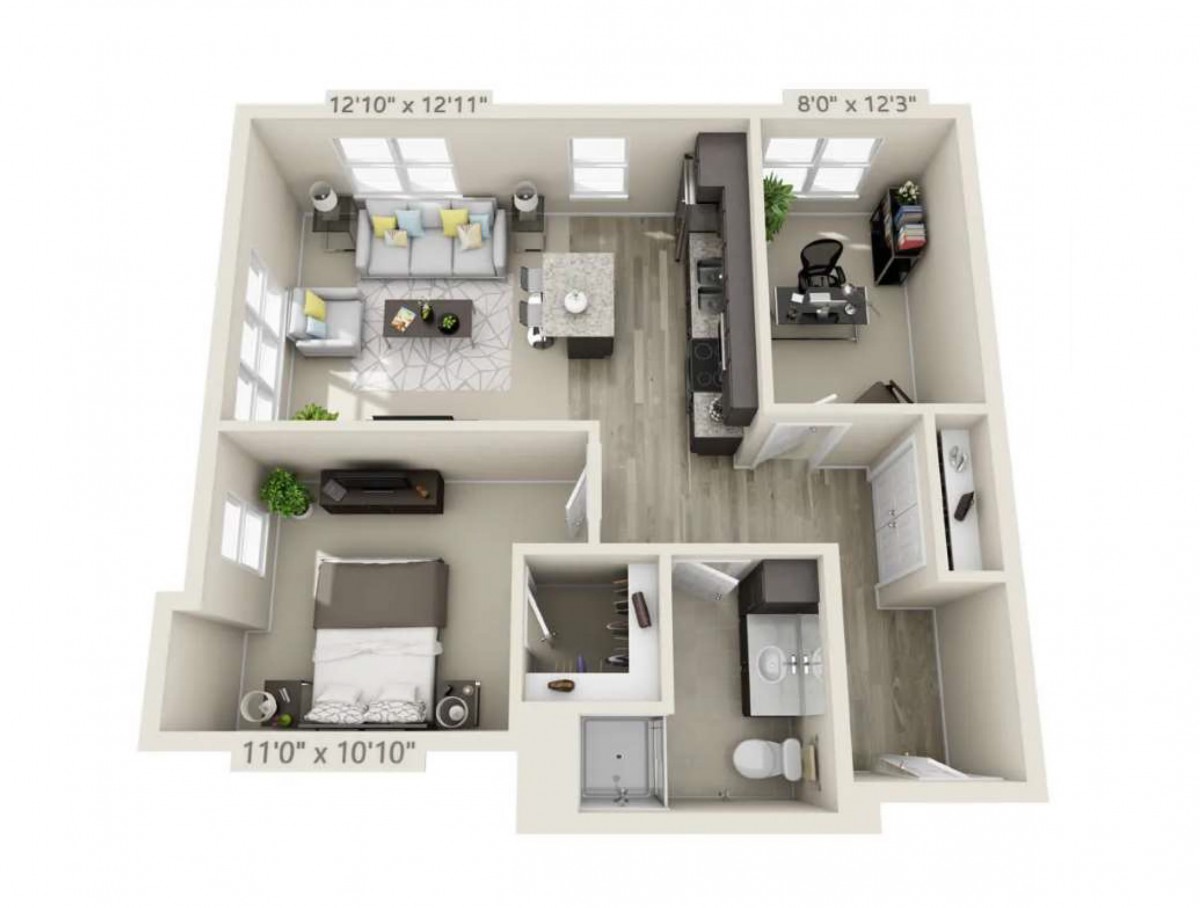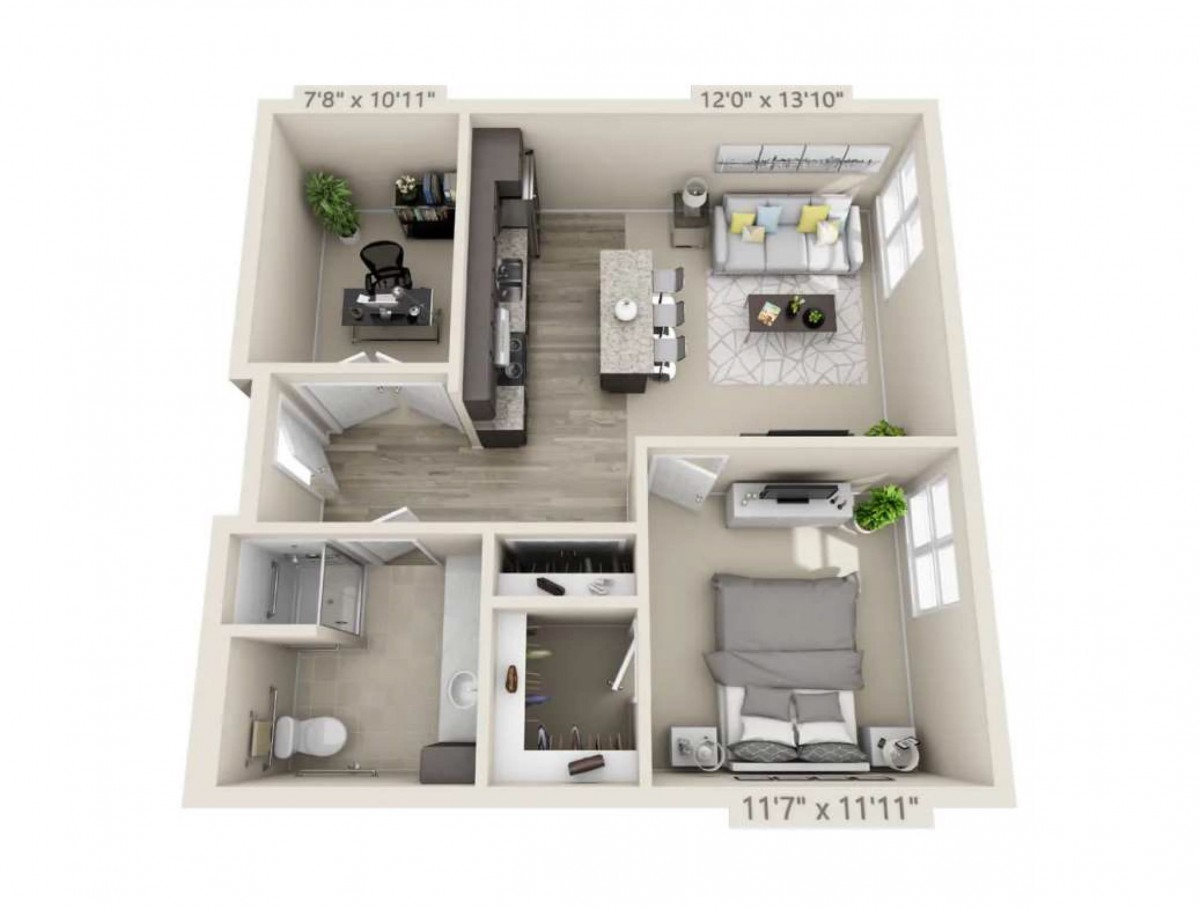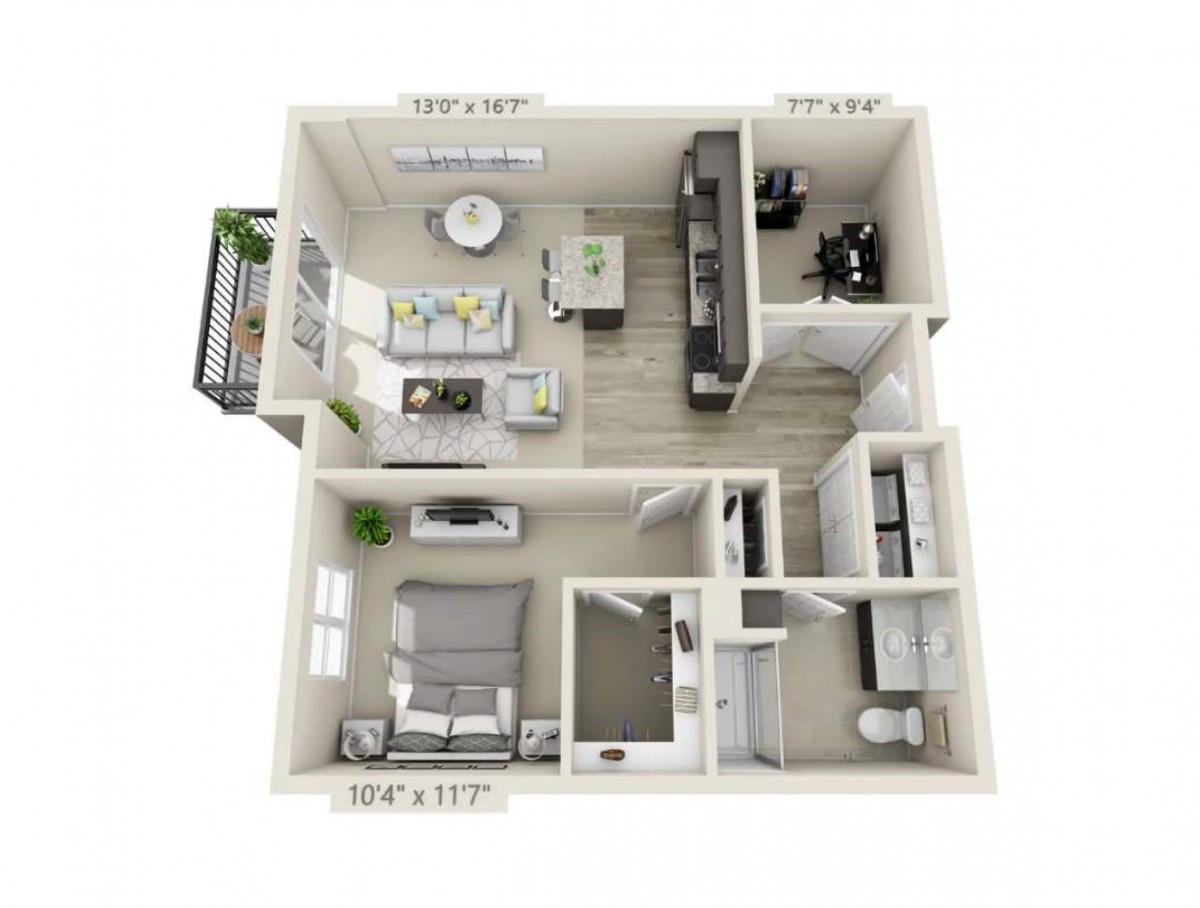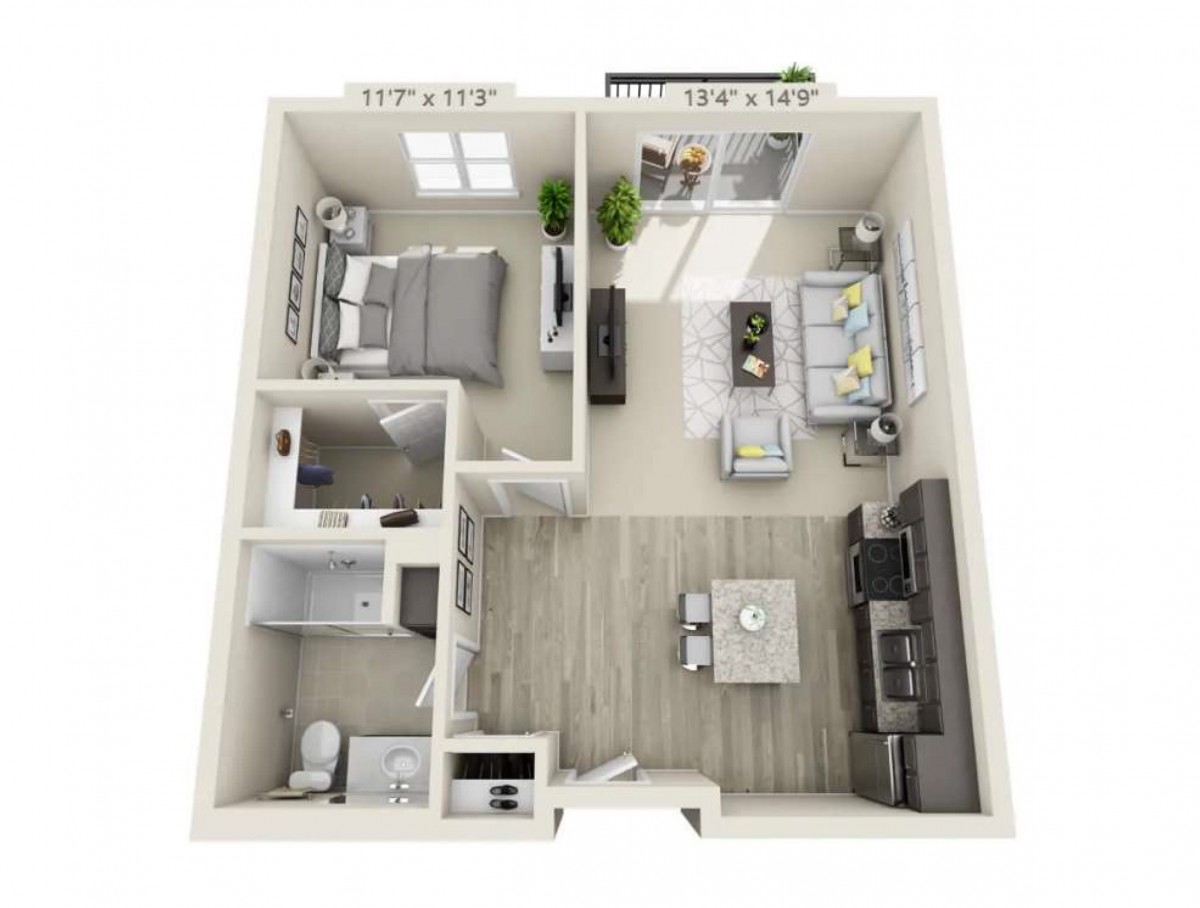
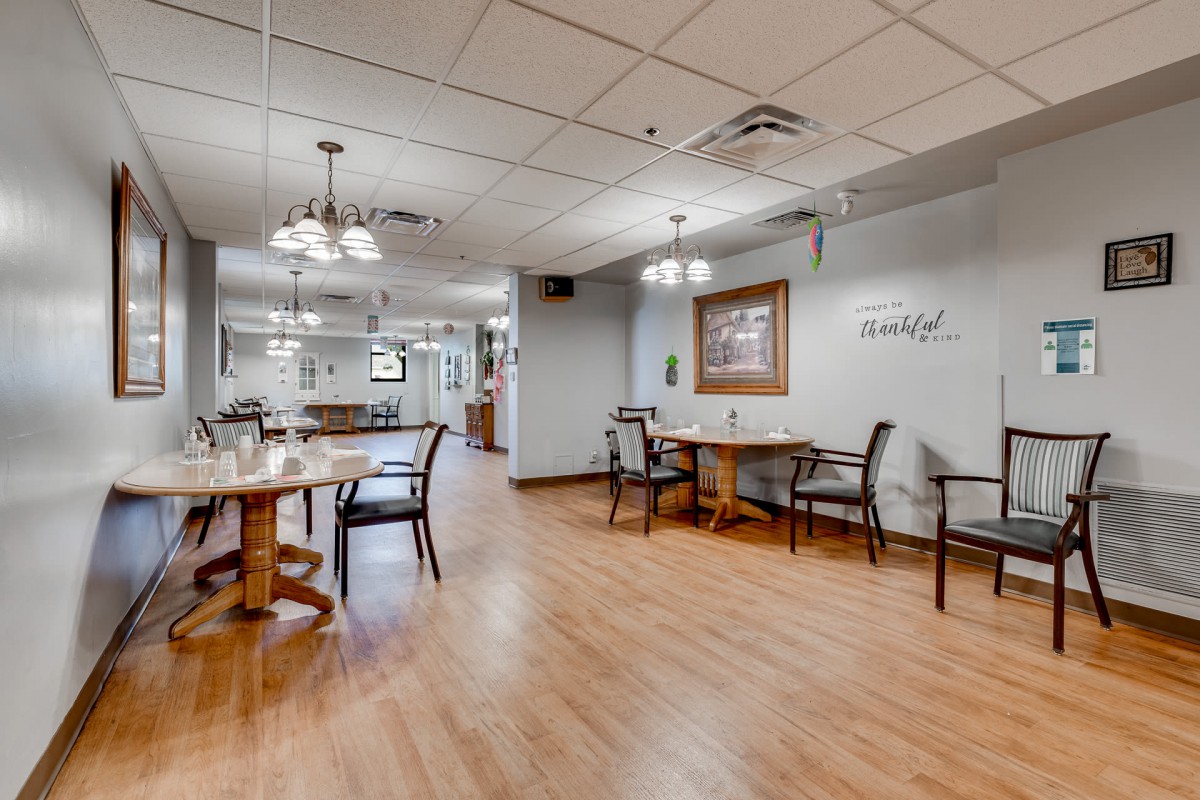



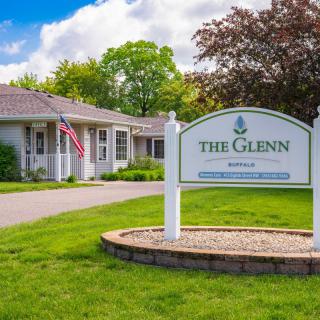
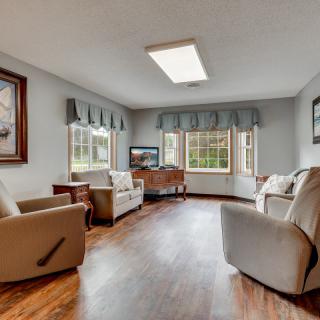
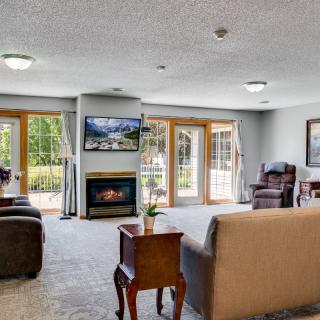




201 1st St NE, Buffalo, MN 55313
To contact a resident: (763) 682-5489
For more information about senior living options: (866) 208-4318
The Glenn Buffalo Commons Assisted Living Costs & Pricing
The Glenn Buffalo Commons Assisted Living offers competitive pricing compared to both Wright County and the broader state of Minnesota. For a studio, residents can expect to pay $1,891 per month, which is significantly lower than the county average of $3,105 and the state average of $3,617. In terms of one-bedroom accommodations, The Glenn maintains a price point of $3,534, which is higher than the county's average of $2,322 but still remains more economical than the state average of $2,893. This pricing structure highlights The Glenn Buffalo Commons as an attractive option for those seeking assisted living while balancing quality care with affordability.
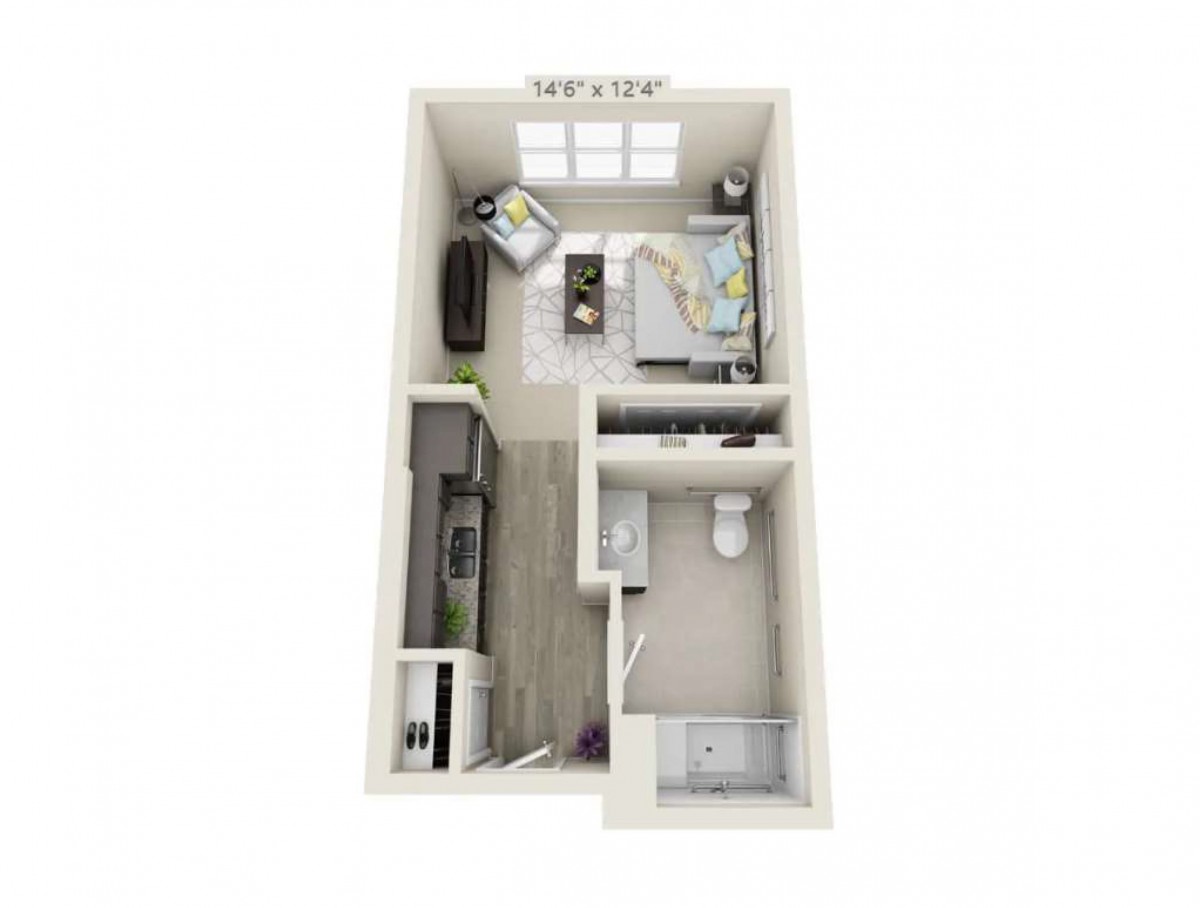
| Floor plans | The Glenn Buffalo Commons Assisted Living | Wright County | Minnesota |
|---|---|---|---|
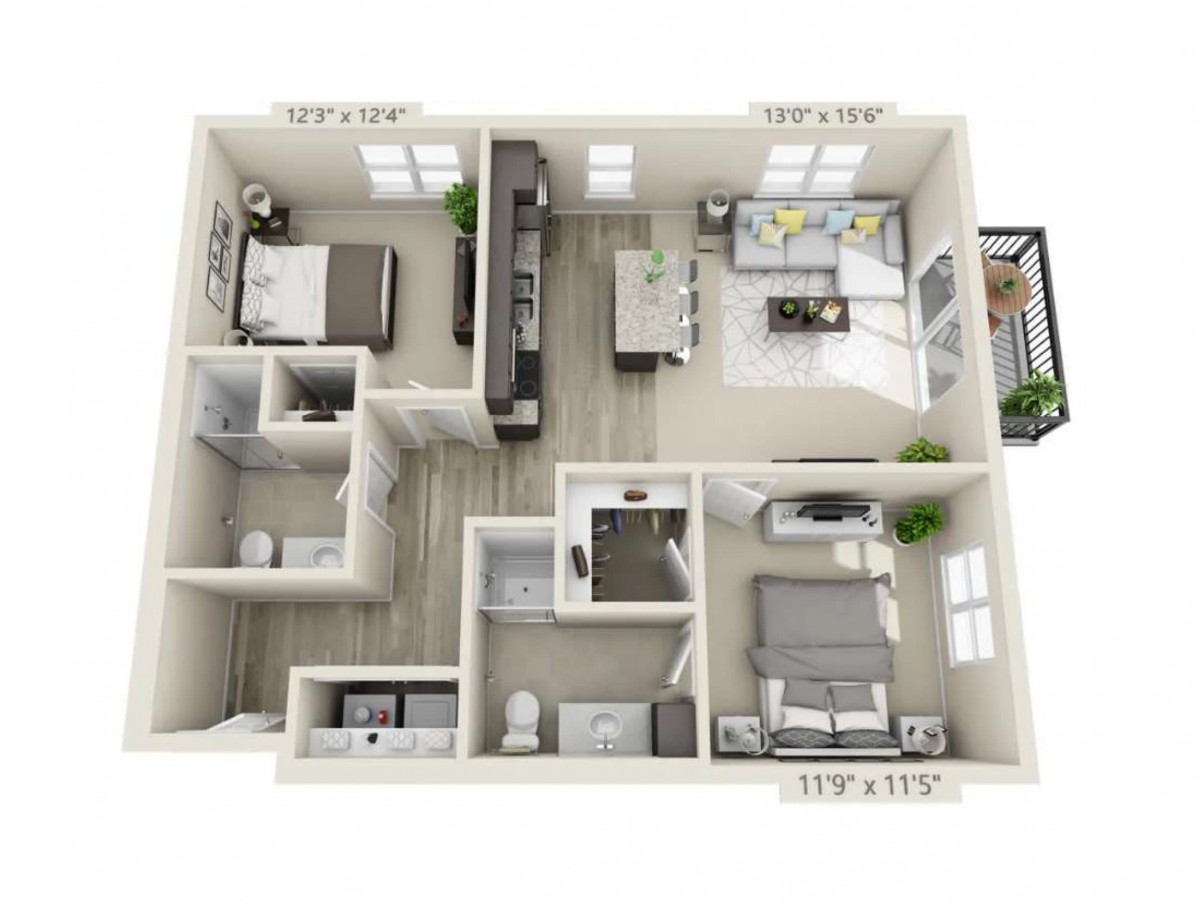
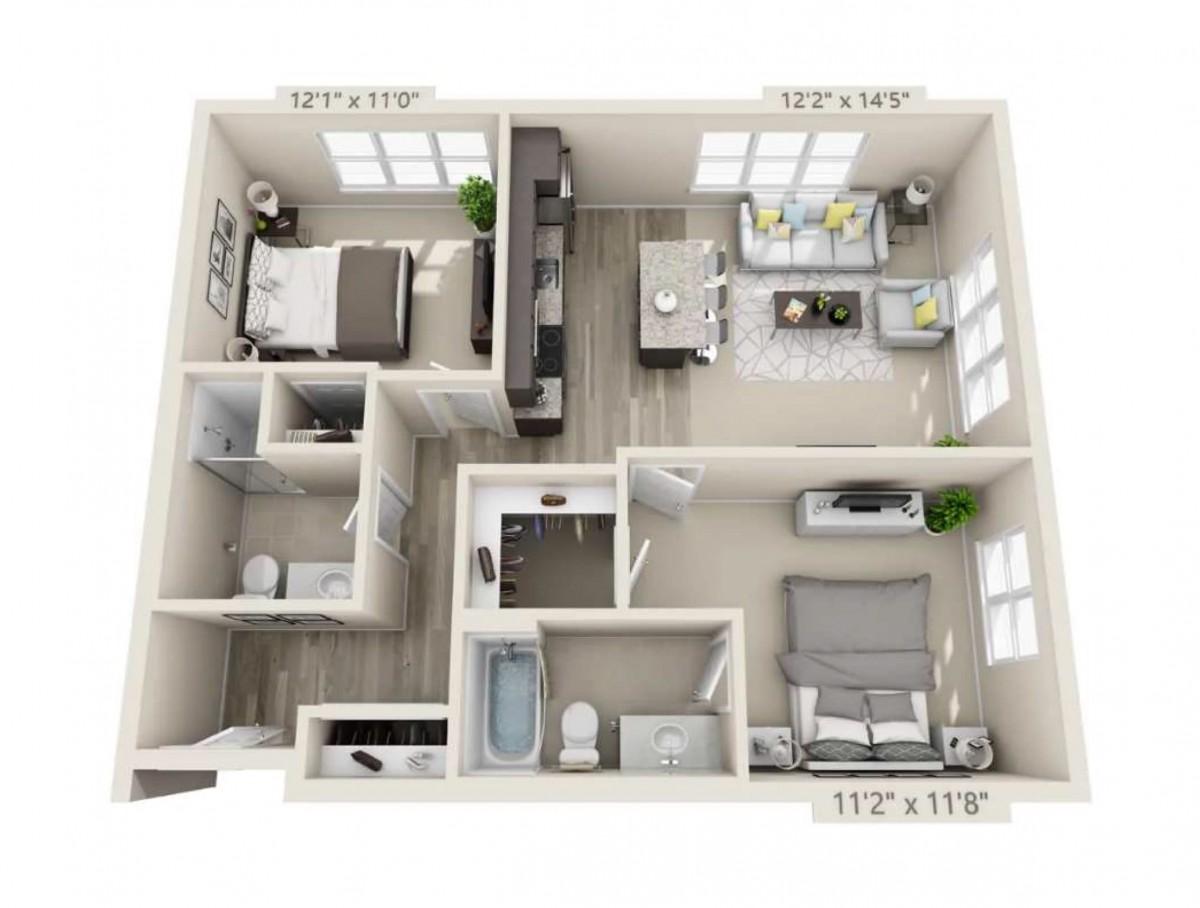
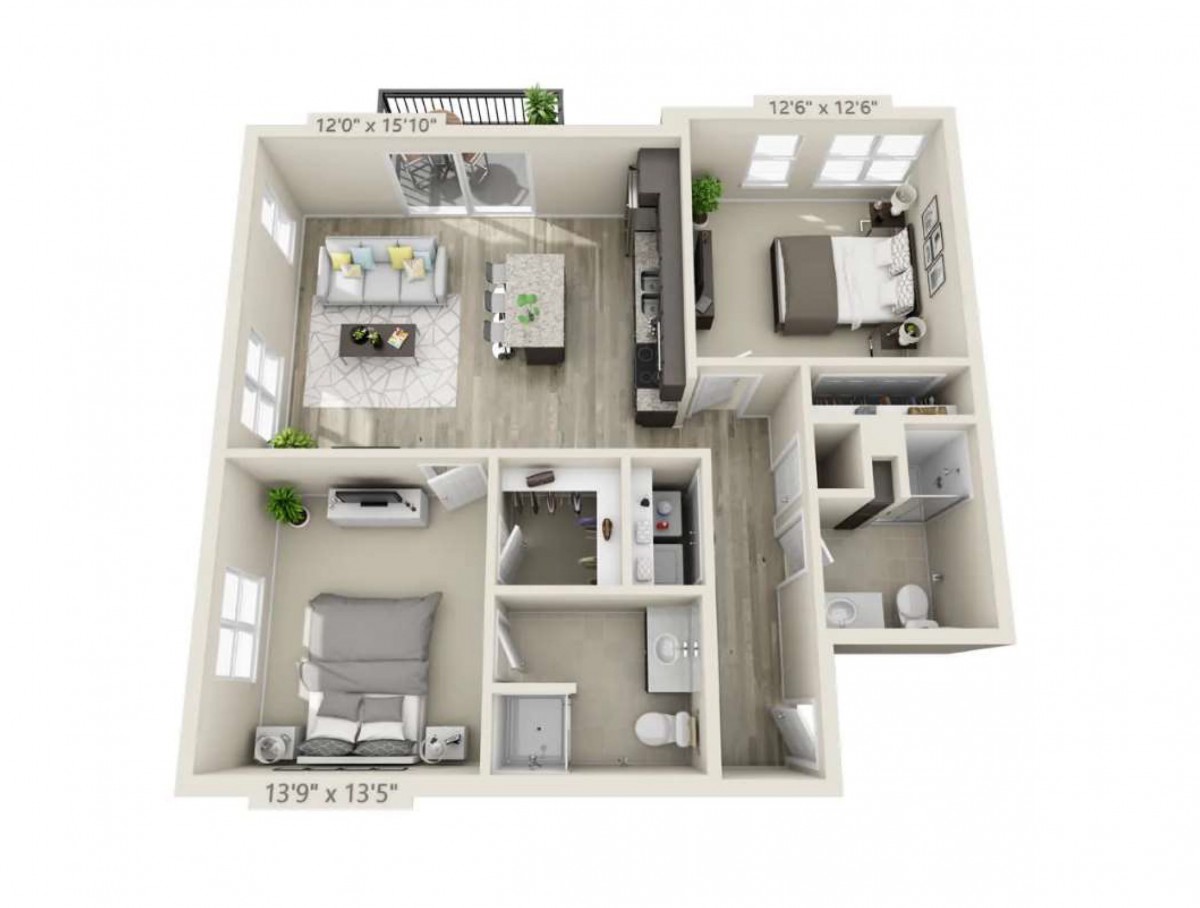
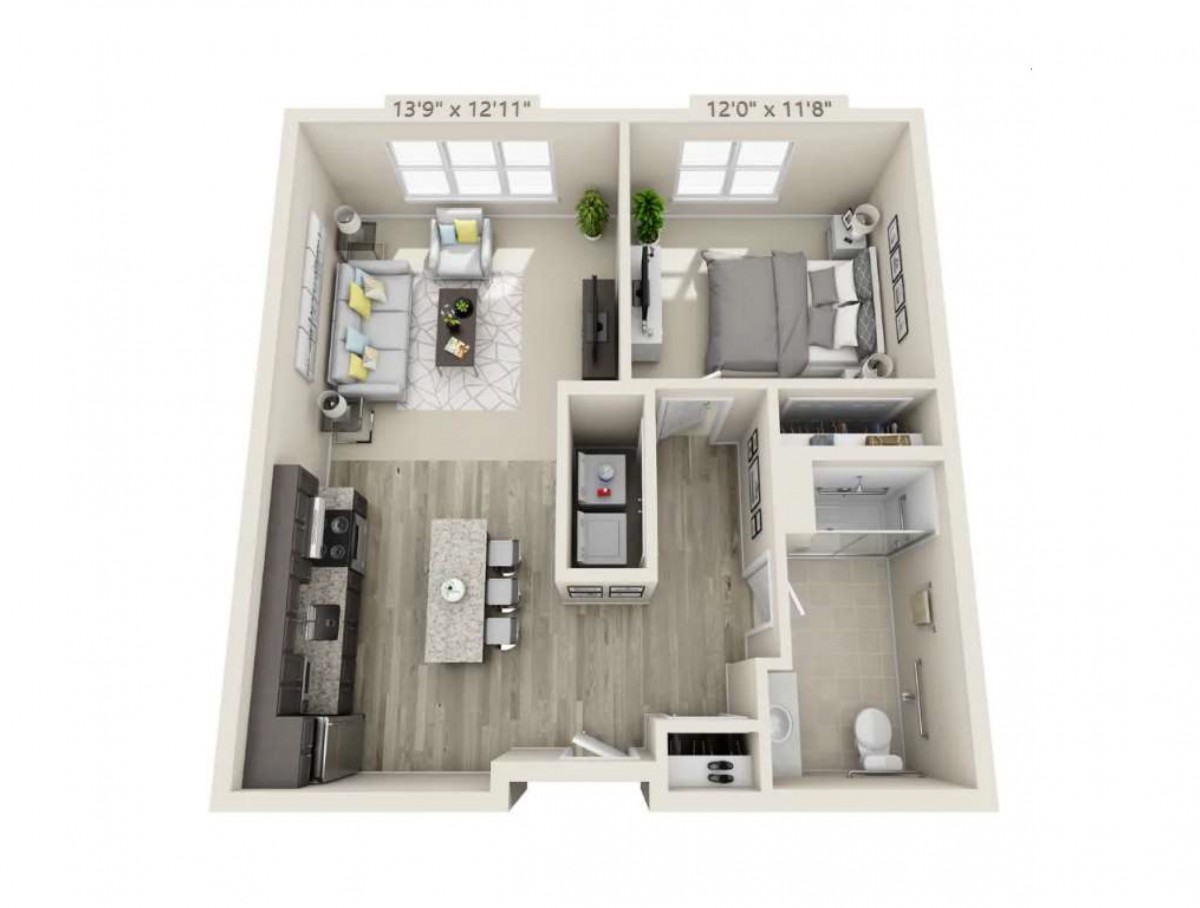
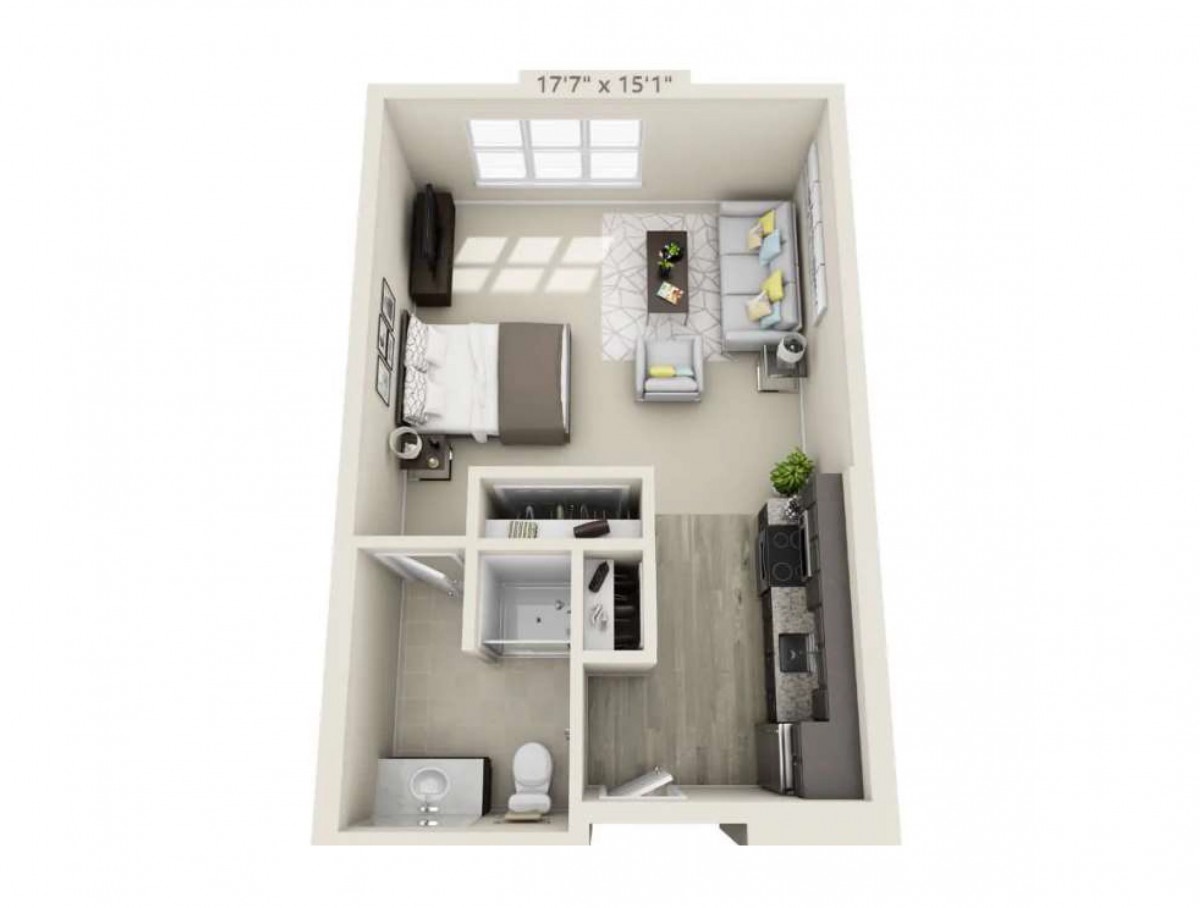
| Studio | $1,891 | $3,105 | $3,617 |
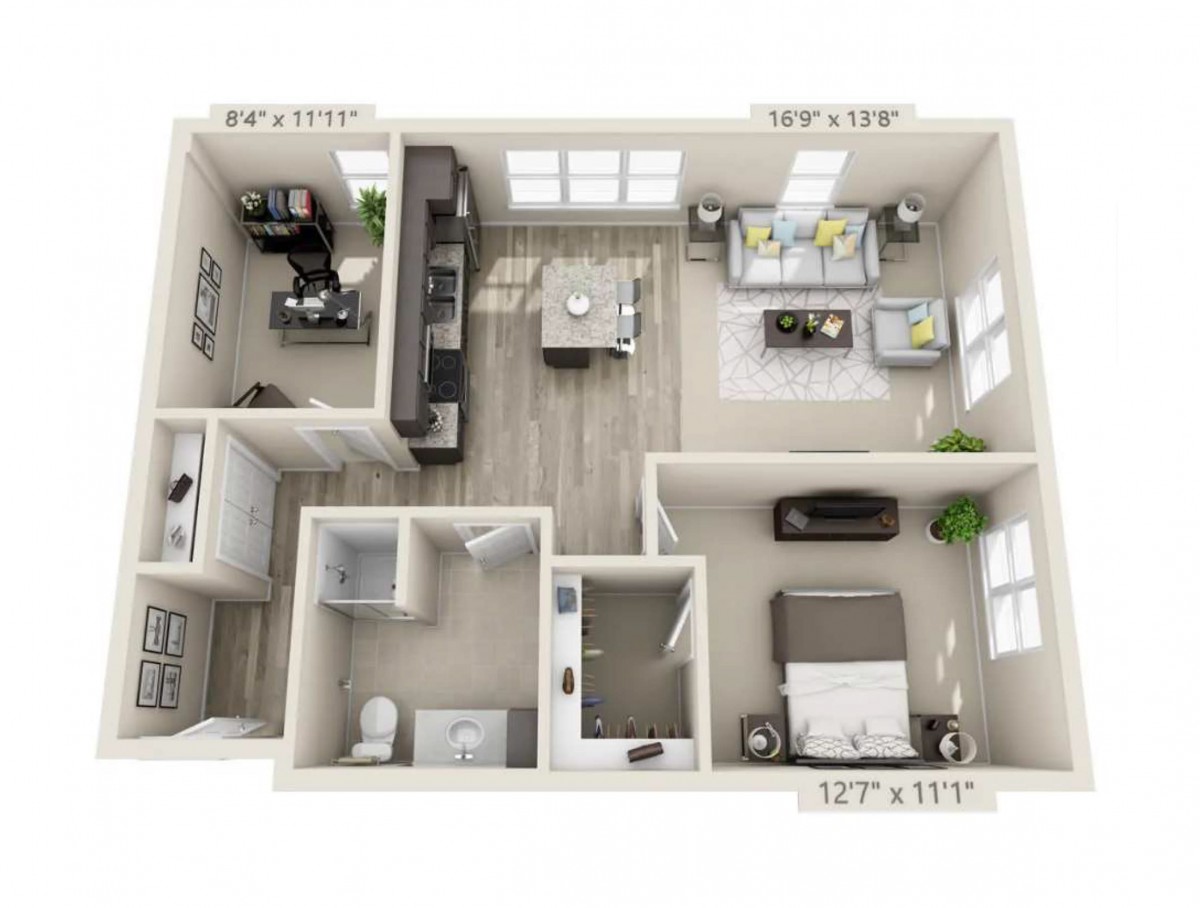
| 1 Bedroom | $3,534 | $2,322 | $2,893 |
Assisted Living communities with a similar price nearby
-
from +$189 / mo
Havenwood of Buffalo
$2,080 to $3,665 / month0.2 miles away -
from -$187 / mo

SummerWood of Plymouth
$1,704 to $3,945 / month21.6 miles away -
from +$121 / mo
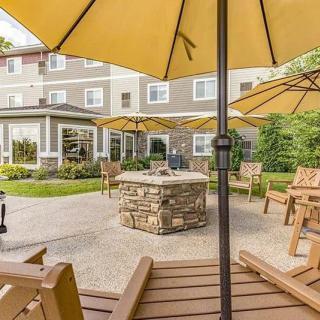
New Perspective Waconia
$2,012 to $4,183 / month23.1 miles away -
from +$214 / mo
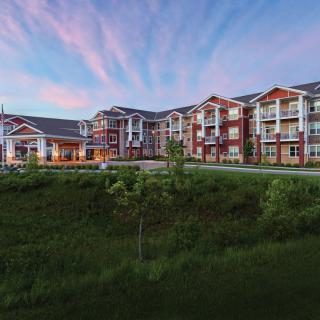
Autumn Glen Senior Living
$2,105 to $3,295 / month25.0 miles away -
from -$196 / mo

Okalee of Medina
$1,695 to $2,615 / month16.0 miles away
Overall Review of The Glenn Buffalo Commons Assisted Living
Pros
 Cottagewood is a great place.
- The staff at Cottagewood is friendly.
- Cottagewood has pet policies that accommodate small dogs or cats.
- Cottagewood gave a dog a chance on a trial basis.
- The atmosphere at Cottagewood feels down-to-earth.
Cons
 The mom’s electric razor disappeared at The Glenn Cottages.
- A $50 pair of pajamas disappeared.
- A $150 hooded cable knit sweater from Ireland disappeared, along with a hoodie.
- Magazines were spread around her chair on the floor, creating a fall risk.
- She didn’t have her teeth at 1:30 pm, meaning she had two meals without them.
- She didn’t have her hearing aids.
- She sometimes wears someone else’s glasses; today she had no glasses.
- Due to fall risk, she was supposed to have hospital socks with grippers or shoes, but neither were provided.
- She recently broke her hip at The Glenn.
- Staff reportedly warned her not to talk to staff; the director mentioned concerns about young staff quitting.
- She is moving to another place as soon as possible.
Review
The Glenn Buffalo Commons Assisted Living is best suited for families seeking a budget-conscious, no-frills option and who are prepared to stay highly involved in a loved one’s daily safety and care. The reviews depict a setting where reliability and oversight can be uneven, and where serious safety concerns loom: a resident recently broke her hip while at the community, fall risk is front and center, and cases of missing or misplaced personal items point to gaps in accountability and supervision. For families that can tolerate a more hands-on advocacy role and are comfortable monitoring everyday routines, this community may feel like a workable, affordable choice. For others, particularly those needing strong, proactive safeguards and consistently dependable staff, alternative options will be a wiser fit.
Those who should seriously consider alternatives are families prioritizing consistent safety, transparent communication, and robust resident advocacy. The negative feedback highlights real red flags: items disappearing (electrical razors, clothing, a pricey sweater), a pattern of care-related lapses (teeth missing for meals, hearing aids unaccounted for, glasses misplaced), and a staff dynamic that reportedly curtails family advocacy. When safety and personal belongings cannot be reliably protected, the risk to a resident’s well-being and dignity becomes too high to overlook. In such cases, examining other communities with stronger oversight and clearer accountability is essential. Reviews also invite comparators like Cottagewood, where reviewers describe a more reassuring, manageable vibe and more flexible policies.
From a performance perspective, the facility does carry a cautionary signal given the mix of experiences reflected in the rating. A 3.3 average, with two 4-star impressions alongside a troubling 2-star report, suggests that while some families felt content enough with certain aspects, significant concerns outweighed the positives for others. The limited number of reviews amplifies the risk of drawing broad conclusions, yet the consistency of the safety and advocacy issues across accounts cannot be dismissed. In practical terms, the potential upside is a straightforward, down-to-earth environment and a price tag that may be easier to manage, but those advantages tend to be overshadowed by the evident gaps in personal security and responsive care.
The main cons, thefts or losses of personal items, missing assistive devices, and a resident safety event, drive the core risk assessment. They, coupled with reported communication barriers between families and staff (including admonitions not to advocate), create a troubling pattern for anyone who expects a residence to be actively protecting its residents. The combination of a recent fall injury and ongoing concerns about equipment and glasses or hearing aids being misplaced translates into an environment where daily living requires constant, meticulous oversight from family or trusted caregivers. In such a context, the perceived value of a “care” environment is undercut by tangible losses and the sense that issues may not be escalated or resolved promptly.
Against those substantial downsides, the positive attributes that do surface in the broader conversation, namely, the possibility of a simple, non-upscale setting and opportunities for engaging in a practical, routine-focused lifestyle, do not significantly offset the risk. The viability of staying hinges on a family’s ability to remain highly involved, to implement rigorous personal-item controls, and to demand immediate, clear responses when concerns arise. In practice, this means recognizing that the glowing, worry-free assurances commonly advertised in marketing materials are unlikely to materialize here without a strong, ongoing external advocacy framework. For families who cannot provide that level of hands-on oversight, alternatives with stronger safety nets and more transparent governance are worth prioritizing.
Practical next steps for decision-making are clear. Conduct a thorough in-person tour focused on safety systems, incident reporting, and care plan specifics. Ask for a detailed review of recent safety events, how staff respond to concerns, and what procedures exist to protect valuable personal items and assistive devices. Request direct conversations with staff about advocacy and identify the exact channels for family input and escalation. Compare with nearby communities that offer stronger security, clearer resident-rights protocols, and demonstrably consistent staff engagement. If remaining with The Glenn Buffalo Commons, insist on a formal care plan that maps daily routines, medication handling, fall prevention measures, and a strict policy for safeguarding possessions. If any of these elements cannot be documented convincingly, prioritize pursuing alternatives that provide firmer protection and peace of mind.
 Assisted Living
 Cats allowed
 Dogs allowed
 Activities off-site
 Air-conditioning
 Beautician on-site
 Devotional services on-site
 Indoor common areas
 Outdoor common areas
 Private bathrooms
 Respite or short term stays offered
 Wheelchair accessible showers
 Ambulatory care
 Diabetic care
 Incontinence care
 Meals provided
 Catholic services
 Day trips and outings
 Educational speakers / life long learning
 Happy hour
 Live dance or theater performances
 Live musical performances
 Live well programs

 8 Key Indicators That Suggest It May Be Time to Transition from Assisted Living to Skilled Nursing Care
 Vibrant Senior Living: A Comprehensive Guide for Active Older Adults
 When to Transition from Assisted Living to Memory Care: Key Indicators, Steps, and Finding the Right Community