

200 Park Ln, Buffalo, MN 55313
To contact a resident: (763) 682-1131
For more information about senior living options: (866) 208-4318
Overall Review of Park View Senior Health and Living Health Care Center
Pros
 The staff provided high-quality care.
- They were patient with all patients.
- They offered encouraging support that helped with rehabilitation.
- Jen, the head nurse, stood out for her leadership and care.
- The overall experience was greatly appreciated.
Review
Park View Senior Health and Living Health Care Center in Buffalo, MN is best suited for seniors entering a short-term, post-acute rehab phase after orthopedic surgery, particularly knee replacement. The strongest signal from the available experience is that a rehab-focused stay here can deliver rapid, meaningful progress when the goal is regaining mobility and independence. The reviewer spent a week there and came away impressed by the care ecosystem: a staff pool described as high quality, patient, and consistently engaged with every patient. The rehab program is not casual; it is purposefully structured, with a clear emphasis on pushing patients toward concrete recovery milestones. Central to that environment is the head nurse Jen, whose leadership is perceived as cohesive and dependable, helping to knit therapy plans and daily routines into a seamless recovery arc. For families prioritizing disciplined, outcome-driven rehab with strong clinical leadership, this setting checks the right boxes.
Those who are evaluating alternatives should consider what Park View may not be designed to provide. For families seeking a long-term residence with extensive social programming, diverse activities, or memory-care options, the facility’s advertised strengths in short-term rehab may be less aligned with day-to-day living needs over years. Likewise, if a resident requires a broader continuum of medical services, greater clinical complexity, or a facility with a wider array of amenities and supports beyond therapy sessions, exploring other communities could yield a better fit. The limited data set, one week, one highly positive experience, means a cautious eye should be kept on long-term quality signals and the availability of ongoing care as conditions evolve.
The primary advantages, high-quality staff, patience with patients, and a directive rehabilitation approach, offset potential limitations by delivering predictable, tangible outcomes. A strong, attentive staff creates a trustworthy caregiver environment, where patients feel seen and supported, which in turn accelerates engagement in therapy. The reviewer’s kudos to being “pushed” in rehab underscores a disciplined schedule and goal-oriented therapy, factors that directly influence discharge readiness and functional gains. Jen’s role as head nurse appears to provide a reliable point of accountability and a clear communication channel for families navigating post-acute recovery. When the objective is to maximize post-surgical recovery within a finite stay, these elements matter more than glossy amenities or broad, non-therapy programming.
Nevertheless, caution is warranted given the data scope. The sole positive review anchors expectations around post-surgical rehab rather than long-term care, memory support, or full-time custodial services. Families should verify whether the pace and intensity of rehab align with a resident’s tolerance and personal preferences for social interaction. The absence of multiple reviews also means there is less of a track record to gauge consistency across different therapists, shifts, and clinical scenarios. A direct, in-person assessment, watch therapy sessions, ask about discharge planning, and review aftercare arrangements, will reveal whether the rehab cadence and clinical oversight translate into reliable everyday safety and comfort during recovery.
Location and practical logistics matter in a decision like this. Buffalo, Minnesota offers a compact, manageable setting that can ease family logistics for short-term stays, with a hospital-adjacent mindset that often supports smoother transitions from inpatient to home. The explicit focus on rehabilitation care, with a structured regimen and a known nurse leader, can provide confidence to families who want a clear path forward after surgery. Prospective residents should inquire about the length-of-stay flexibility, the discharge-to-home process, and what supports exist for ramping up activity after discharge to home or to another level of care. Understanding insurance coverage, stay duration, and the availability of outpatient rehab is essential to painting a complete financial and care roadmap.
Bottom line: Park View stands out as a focused, capable option for post-acute knee rehab where high-quality staffing and decisive rehab leadership can translate into meaningful functional gains in a relatively short period. For families whose primary objective is rapid recovery and a safety-conscious, nurse-led environment, it is compelling. If long-term living with broad social programming, memory care, or extensive non-therapy amenities is the priority, or if a more expansive continuum of care is required, exploration of alternatives is prudent. A targeted visit, a candid discussion about therapy intensity, discharge planning, and ongoing support will clarify fit and ensure the plan aligns with the resident’s longer-term wellness trajectory.
 Skilled Nursing Facility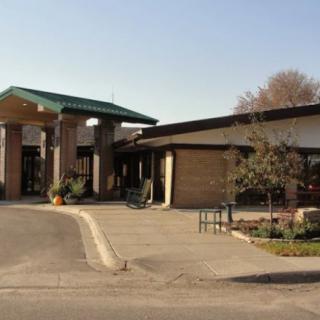


 Understanding the Nuances of Palliative Care and Hospice: A Comprehensive Exploration
 Fecal Incontinence in Older Adults: A Comprehensive Guide
 Nurturing Well-Being Through Gardening: A Detailed Guide for Senior Enthusiasts