
310 Lake Boulevard South, Buffalo, MN 55313
For more information about senior living options: (866) 208-4318
Overall Review of Lake Ridge Assisted Living
Pros
 The staff are amazing and kind.
- They are very professional and compassionate about their job.
- Lake Ridge Care Center is by far the best in care.
- The team works like a well-oiled machine, helping patients and supporting one another.
- The pastor adds a welcoming and uplifting presence.
- Residents and staff form many friendships, making the place feel like family.
- The hospice and nursing care are excellent, with caring, attentive staff.
- The environment is friendly, and loved ones are treated with respect.
Cons
 The facility was short-staffed.
- The nursing staff stood around laughing on their cellphones.
- They responded only sometimes when patients pressed the call button.
- The staff showed no compassion.
- The facility was a nightmare.
- The rehab staff were terrible.
- The facility refused to pay for fixing a broken tooth.
- The staff berated residents to gain financial control.
- The facility deliberately misbilled insurance to extract higher payments.
- The facility smelled moldy and musty.
Review
Lake Ridge Assisted Living in Buffalo, Minnesota is best suited for families that value deeply personal, attentive daily care within a warm, community-centered setting. The strongest draw is a staff culture that many reviewers describe as cohesive, professional, and genuinely compassionate, with care that often feels like a well‑oiled routine. The facility’s hospice unit is repeatedly praised for the quality and consistency of its caregiving, and a pastor on site helps residents feel welcomed and connected. For families seeking a spiritually framed environment where residents are known by name and social ties matter, Lake Ridge offers a meaningful, homelike rhythm that supports dignity and belonging.
That said, the community is not for everyone, and the reasons why vary strongly from one family to the next. A substantial portion of feedback centers on staffing gaps and inconsistent responsiveness, with multiple accounts of short-staffed shifts and delayed assistance. Several reviews describe rude interactions, lapses in basic care, and the unsettling impression that some staff are distracted or overwhelmed. Governance concerns also surface in the form of billing and consent issues, including impressions of pressure to alter financial arrangements or miscommunication about medications and care directives. A few reports mention cleanliness or odor problems, underscoring that operations can slip when demand outstrips resources.
On balance, the pros and cons flip depending on what a resident or family needs most. The positive experiences, highly motivated caregivers, clear teamwork, and a welcoming atmosphere, can offset many daily anxieties for long‑term residents who rely on steady, compassionate assistance and a sense of community. The hospice and palliative focus, paired with respectful, person-centered interactions, can provide real stability for families navigating advanced illness. Food quality and personal recognition from staff add to a sense of home that many families prize. When these strengths are accessible, Lake Ridge can feel supportive rather than transactional, a place where care feels personalized and trustworthy.
However, the negative patterns are severe enough to prompt caution, particularly for those prioritizing rehab, rapid response, or flawless administrative processes. Chronic understaffing translates into rushed care, missed calls, and occasional neglect that overrides even the best intentions. The perception of rude behavior or dismissiveness from some staff, along with supply shortages and inconsistent adherence to care plans, threatens safety and trust. Billing concerns, perceived misbilling, leverage attempts, or opaque financial communications, can complicate already stressful decisions. The mixed messaging about the facility’s Christian programming, while meaningful to some, can feel inconsistent to others and may clash with personal beliefs or preferences for programming.
For families evaluating options, Lake Ridge presents a clear, situational value proposition. It can be an excellent match for residents who prize warmth, consistent personal attention from caregivers, and a hospice-ready environment within a faith‑conscious setting. Those features often translate into real peace of mind for families during tough milestones. Conversely, those needing reliable rehab outcomes, rigorous operational consistency, or neutral programming free from religious framing should consider alternatives with stronger records in staffing stability, transparent billing, and uniform care standards. A prudent path involves direct conversations with leadership about staffing ratios, shift coverage, care planning, and the facility’s grievance and billing processes, plus a tour that emphasizes how crises are managed in practice.
Bottom line: Lake Ridge is not a one‑size‑fits‑all choice. It works for families who prioritize warmth, personalized attention, and hospice‑oriented care within a faith‑informed setting, provided staffing realities and governance questions are actively vetted and monitored. For rehab fidelity, consistent cleanliness, or neutral programming, alternatives may deliver greater peace of mind with fewer operational risks. The decision should hinge on aligning the resident’s needs with the facility’s strengths while acknowledging the risks, and establishing safeguards that ensure care remains steady even when staffing pressures arise. When the fit is right, Lake Ridge can offer a genuine sense of family and steady hands during challenging transitions.
 21 resident community capacity
 Assisted Living
 Beauty salon
 Cable or satellite TV
 Dining room
 Fully furnished
 Garden
 Housekeeping services
 Kitchenette
 Move-in coordination
 Outdoor space
 Telephone
 Wi-Fi/high-speed internet available
 24-hour call system
 Activities of daily living assistance
 Assistance with bathing
 Assistance with dressing
 Assistance with transfers
 Diabetes diet
 Meal preparation and service
 Medication management
 Mental wellness program
 Special dietary restrictions
 Transportation arrangement (medical)
 Transportation to doctors appointments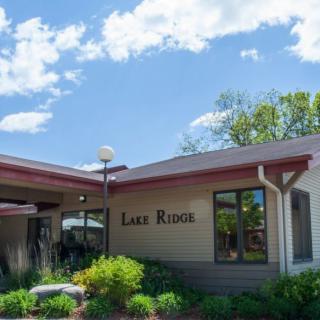



 Comprehensive Residential Support and Assisted Living Solutions for Individuals with Disabilities
 Comprehensive Supportive Living Arrangements for Adults with Disabilities
 Funding and Affording Assisted Living: A Thorough Overview