
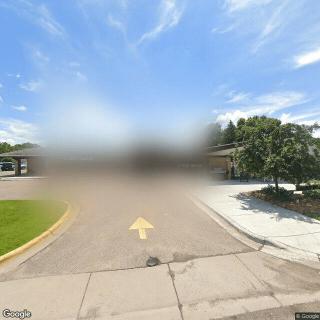
25 1St Avenue North East Ste 100, Buffalo, MN 55313
For more information about senior living options: (866) 208-4318
Accra Home Health VII Costs & Pricing
Accra Home Health VII presents a distinct pricing structure compared to the broader market in Wright County and the state of Minnesota. For instance, the monthly cost for a studio room at Accra Home Health VII is $6,200, significantly higher than the county's average of $3,105 and the state's average of $3,617. Similarly, the semi-private and private rooms at Accra Home Health VII are priced at $6,870 and $7,920 respectively, both exceeding local and state figures by substantial margins. Even for a two-bedroom option, Accra's price of $8,800 stands in stark contrast to Wright County's modest $3,022 and Minnesota's lowest rate of $2,955. These elevated costs reflect specialized services or amenities that may be offered at Accra Home Health VII but also highlight a considerable disparity when compared to other care facilities in the region.
| Floor plans | Accra Home Health VII | Wright County | Minnesota |
|---|---|---|---|
| Studio | $6,200 | $3,105 | $3,617 |
| Semi-Private | $6,870 | $3,977 | $4,051 |
| Private | $7,920 | $4,904 | $5,090 |
| 2 Bedrooms | $8,800 | $3,022 | $2,955 |
Assisted Living communities with a similar price nearby
-
from -$800 / mo
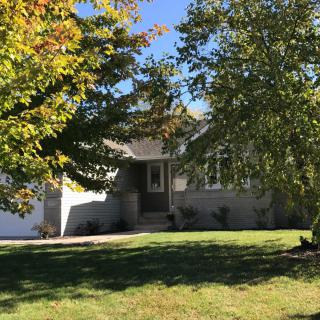
Family Tree Homes
$5,400 / month15.6 miles away -
from -$500 / mo
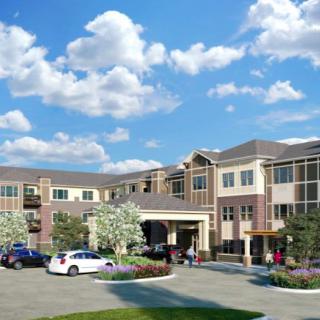
Cherrywood Pointe Of Plymouth
$5,700 to $9,450 / month20.0 miles away -
from -$1200 / mo

Silver Creek on Main
$5,000 / month21.8 miles away -
from -$215 / mo

Westwood Place
$5,985 to $6,235 / month14.4 miles away -
from +$830 / mo
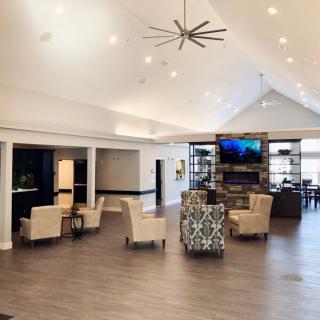
Personal Care Senior Living
$7,030 / month23.2 miles away
Overall Review of Accra Home Health VII
Pros
 The aides were good.
- They have good people.
- The quality of care has been good.
- The father had nothing but great things to say about Adara Nursing and Therapists.
- The staff were pleasant.
- The communication was timely.
- The visits were enjoyable.
- The staff were fabulous.
Cons
 The aide didn’t come as scheduled, leading to a reduced visit frequency.
 - The nurse was a no-show and scheduling issues caused further delays.
- There was consistently bad communication from the provider.
- The reviewer would not recommend using this service due to numerous problems.
- The company is described as horrible and not trustworthy with loved ones, and it is losing good employees.
- There were no-shows, miscommunication, and overlapping visits, with some visits lasting only about 20 minutes.
Review
Accra Home Health VII in Buffalo, MN is best suited for seniors who need skilled home-health support and for families able to actively coordinate care. The clinical team can deliver capable nursing, therapy, and homemaking services, and when visits align, the quality of care is evident. The critical factor is a caregiver or family member who can stay on top of scheduling, confirm visits, and push for timely follow-through. Without that hands-on coordination, the advantage of strong clinical staff is easy to lose in miscommunication and gaps.
Those who should consider alternatives are households where predictable, on-time visits are non-negotiable. The reviews reveal repeated patterns of no-shows, late arrivals, and miscommunication about who will be there and when. Such reliability gaps create safety risks for individuals with limited mobility, cognitive concerns, or urgent daily needs. If a steady calendar and proactive office communication are non-starters, it is wise to explore other home-health options with documented punctuality and consistent staffing.
Pros clearly exist, and they matter. When the team does arrive, the care tends to be solid: attentive bedside manner, capable nursing and therapy assessment, and a full range of services including nursing, OT, PT, and homemaking. Several accounts describe caregivers who perform thorough, compassionate work, and some families report very positive interactions with the staff. The breadth of service is a real strength: clients can access multiple disciplines within the same agency, reducing the fragmentation that can occur with multiple vendors.
Yet the downsides are persistent and meaningful. No-shows, miscommunication about which professional is coming, and hours that don’t align with what was promised are common threads. There are mentions of short appointment times and staff spending less than the allotted hour, which erodes perceived value and can leave families scrambling for answers. Management and office coordination appear to drive many of these issues, with frustration directed at scheduling gaps, inconsistent assignment of clinicians, and occasional confusion about expectations.
From a planning standpoint, the good news is that the strong clinical core can be leveraged with disciplined oversight. If a family can secure a single point of contact, demand guaranteed visit windows, and insist on written schedules with confirmations, the service can work. Setting up contingency plans for missed visits, requiring prompt rescheduling, and establishing escalation paths to a supervisor are essential. It also helps to request continuity, having the same nurse, therapist, and aide when possible, and to verify the agency’s process for backfilling when a provider is unavailable. A trial period focused on reliability can reveal whether the operation can sustain the desired cadence of care.
In conclusion, Accra Home Health VII offers credible, professionally delivered home-health care with a broad service lineup, but reliability hinges on proactive coordination. For families who can maintain daily oversight and insist on punctual, predictable visits, the clinical benefits can justify choosing this provider. For others where scheduling reliability is non-negotiable, pursuing alternatives with documented track records of on-time care and streamlined communication is the prudent path.
 21 resident community capacity
 Assisted Living
 Beauty salon
 Cable or satellite TV
 Dining room
 Fully furnished
 Garden
 Housekeeping services
 Kitchenette
 Move-in coordination
 Outdoor space
 Telephone
 Wi-Fi/high-speed internet available
 24-hour call system
 Activities of daily living assistance
 Assistance with bathing
 Assistance with dressing
 Assistance with transfers
 Diabetes diet
 Meal preparation and service
 Medication management
 Mental wellness program
 Special dietary restrictions
 Transportation arrangement (medical)
 Transportation to doctors appointments



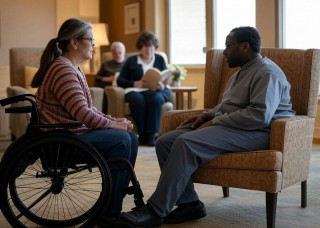 Comprehensive Residential Support and Assisted Living Solutions for Individuals with Disabilities
 Comprehensive Supportive Living Arrangements for Adults with Disabilities
 Funding and Affording Assisted Living: A Thorough Overview