
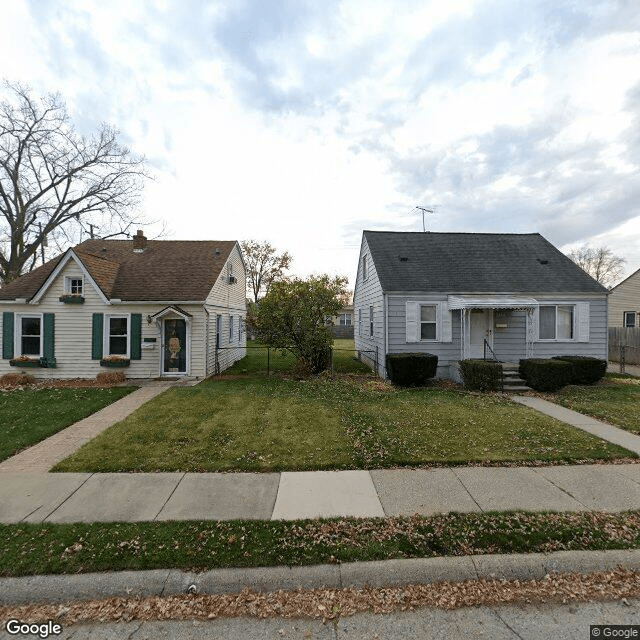
22601 East Nine Mile Rd, St. Clair Shores, MI 48080
To contact a resident: (586) 772-4300
For more information about senior living options: (866) 208-4318
Overall Review of St Mary's Nursing Home
Pros
 The staff was always very compassionate and gave her good care.
- A few of the aides had cute nicknames for her and would make her smile.
- The social workers truly care and keep families updated.
- The team there is wonderful, with the CNAs and nurses largely described as wonderful.
Cons
 The facility still smells like urine and feels unprofessional.
- The staff did not help the patient walk or provide fluids for days, despite two weeks in the facility.
- The patient was left alone after pressing the call button and nearly fell when cleaning up a spill.
- Staff treated the patient as if he were an old fart, despite his relatively young age.
- There were unpleasant smells in the hallways and overall poor cleanliness.
- The facility showed no urgency in issuing refunds, leaving money owed unpaid for over a year.
- The bed broke shortly after admission, and the patient did not receive medications for hours.
- One reviewer warned others not to place loved ones there, calling it a terrible place.
Review
St Mary’s Nursing Home in St. Clair Shores is best suited for families that can be actively involved in daily oversight and that value frontline caregiver warmth and social-work engagement, even in a facility with substantial structural and operational challenges. The most consistently praised elements are the bedside compassion of some CNAs and nurses, and the attentiveness of social workers who keep families informed about care plans and changes. In several accounts, residents benefited from patient, personable staff who would go the extra mile to offer a smile or a bit of reassurance. A sense of continuity in some care teams also emerges, which can matter a great deal when a loved one relies on steady encouragement during rehab or recovery.
That said, serious caveats push many families toward alternatives. The most urgent concerns center on reliability and responsiveness: delayed medication administration, slow responses to call bells, and periods when residents are left waiting or unsupervised. Cleanliness and odor issues repeatedly surface, fracturing the sense of a home-like environment and raising questions about daily housekeeping and maintenance. The combination of old infrastructure and inconsistent staffing makes it hard to predict how quickly needs will be met, which is unacceptable for residents requiring careful medical oversight or intensive daily assistance.
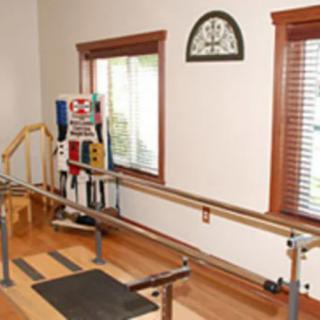
The key pros, compassionate staff, meaningful interactions with social workers, and genuine efforts by some team members, do offset the main cons only under specific conditions. When families can stay engaged and request direct communication about care plans, the supportive caregivers can provide meaningful moments and steady rehab progress, at least in the eyes of those who experienced it. The presence of a capable physical therapy team in at least one stay also stands out as a concrete asset, suggesting that rehab can be effective when properly staffed. The planned move to a new facility offers a plausible path to addressing environmental and operational shortcomings, but until that transition occurs, the current environment remains a variable factor.
On balance, those who must avoid risk should consider alternatives. Residents with complex medical needs requiring reliable, 24/7 nursing responsiveness, stringent infection control, or a consistently clean, odor-free setting will likely fare better elsewhere. Families seeking modern amenities, predictable routines, and airtight accountability will want to compare St. Mary’s with other nearby options that have stronger recent survey results and clearer guarantees about staffing levels, meal service, and timely medication administration. The concerns about billing disputes and refund delays also weigh heavily; a facility with transparent financial practices is essential for families navigating long-term care costs.
For families choosing St Mary’s anyway, a practical, proactive approach is essential. Insist on a dedicated point of contact, a primary nurse or case manager, so responses aren’t delayed by turnover or paging. Require a written, up-to-date rehab plan with specific timelines, and confirm daily med passes and hydration goals. Schedule frequent family updates and request walk-throughs of the cleanliness and odor-control routines, with a corrective action plan if deficiencies recur. If a move to the new building is on the horizon, obtain a clear transition plan that protects continuity of care, transportation, and medication administration during the changeover. Document all agreements and push for timely escalation to administration if issues persist.
In the end, St Mary’s is not a universally reliable choice for families prioritizing consistency and spotless conditions. It may work for those who can embed oversight into daily routines and who highly value the human touch of caring staff and social workers, particularly during rehab moments or when a loved one benefits from constructive day-to-day interaction. For many families, however, exploring alternatives with stronger cleanliness records, faster nurse responsiveness, and firmer financial accountability will yield greater peace of mind and fewer daily battles over basic care. A disciplined site-visit and candid discussions with administrators will reveal whether the current skilled staff can be harnessed effectively within a plan that addresses the building’s age and workflow drawbacks.
 Skilled Nursing Facility



 Nurturing Our Elders: Linda's Journey of Supporting Her Mother
 A Comprehensive Exploration of Common Misunderstandings about Powers of Attorney
 Senior Move Management: Understanding the Role, Value, and Associated Costs