Cranberry Park at ShorePointe presents a range of pricing options that reflect its unique offerings compared to the broader market in Macomb County and the state of Michigan. The monthly costs for different room types indicate a premium positioning, with semi-private rooms priced at $3,982 - significantly higher than both the county average of $3,232 and the state average of $3,191. Studio apartments are available for $4,782, while 1-bedroom units stand at $5,482, both exceeding the local and state benchmarks. Additionally, the cost for 2-bedroom accommodations is set at $5,982, again above the county's average of $3,978 and state average of $3,523. This suggests that Cranberry Park at ShorePointe likely offers enhanced amenities or services that contribute to its higher pricing structure.
Floor plans
Cranberry Park at ShorePointe
Macomb County
Michigan
Semi-Private
$3,982
$3,232
$3,189
Studio
$4,782
$3,840
$3,824
1 Bedroom
$5,482
$3,527
$3,384
2 Bedrooms
$5,982
$3,978
$3,523
Memory care communities with a similar price nearby
Residents’ families consistently describe staff as responsive and engaged in daily needs.
Across many reviews, families say the staff team checks in, follows up, communicates updates, and addresses concerns when questions come up. Several reviews specifically highlight nurses, aides, and day staff going out of their way for residents’ comfort and safety. A minority of reviews raise serious concerns about neglect, ignored call lights, and inconsistent care, but even those reviewers point to moments where families expected more follow-through.
common11 reviews mention this
Activities are a frequent highlight
Day-to-day engagement stands out, especially through frequent activities and live entertainment.
Many residents are described as staying socially connected through bingo, church-related programming, game nights, crafts, and musical guest performances. Multiple reviews credit the activities team with encouraging residents to attend and getting residents involved even when they start out uninterested. Residents who focus on dementia-related limitations are also described as having access to an activity schedule, though participation varies by person.
caveat6 reviews mention this
Dining is generally liked, but not perfect
Food is praised by some residents’ families, while others report the taste and variety miss the mark.
Several reviews describe meals as tasty, plentiful, or a strength of the community. Others say their loved one does not like the food or that there are not enough activities paired with their preferences. One reviewer also mentions dietary needs were not clearly accommodated at first, but were sorted out after realizing the resident needed to ask for the choices that matched their needs.
caveat6 reviews mention this
Care levels can feel inconsistent
Some reviewers report gaps in caregiving follow-through, tied to staffing pressure or uneven attention.
A few reviews describe staffing shortages as noticeable and say this can lead to less attentive care or inconsistent check-ins. One reviewer describes the wellness team as responsive, but not always continuing with follow-up. There are also negative memory-care-focused comments about accountability, including calls for more consistent checking.
differentiator2 reviews mention this
Memory care gets on-site support
For dementia-related needs, some families highlight on-site medical support as helpful during the night.
One dementia-focused review says having a doctor and nurse available on-site was useful, including when staff were concerned after hours. Another memory-care comment raises the opposite concern about whether families believe checks happen consistently, which suggests experiences may vary depending on staffing and individual situations.
common2 reviews mention this
Local dining and services are nearby
Residents and families mention outings and the ability to get to everyday errands nearby.
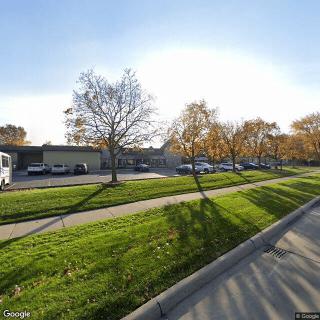
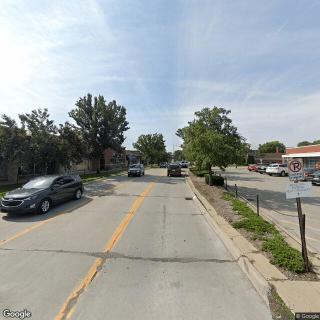
A number of reviews describe going out for meals and nearby outings as part of the activity experience. The listing’s nearby options include pharmacy and restaurant choices within about 0.6 to 1.4 miles, plus parks for outdoor time.
How we summarize
Counts show how many written reviews mention each theme; a review can touch several themes, and only frequently mentioned themes are displayed.
Features
Types of Care
Assisted Living
Independent Living
Memory Care
Amenities
Activities off-site
Activities on-site
Air-conditioning
Bath tubs
Beautician on-site
Cable or satellite TV
Devotional services on-site
Ground floor units
Handicap accessible
Indoor common areas
Kitchenette
Outdoor common areas
Private bathrooms
Respite or short term stays offered
Wheelchair accessible showers
Wi-Fi/high-speed internet available
Care Services
Ambulatory care
Diabetic care
Incontinence care
Medication management
Dining
Gluten-free
Guest meals
Low / no sodium
Meals provided
No Sugar
Professional chef
Activities
Art classes
Catholic services
Day trips and outings
Devotional activities on-site
Educational speakers / life long learning
Happy hour
Karaoke
Live musical performances
Other religious services
Protestant services
Visiting chaplain or priest
Wine tasting
Nearby Places of Interest
Saint Clair Shores, Michigan, offers a convenient and accessible location with a variety of amenities for seniors. The area features multiple pharmacies, including Rite Aid, CVS Pharmacy, and Walgreens, all within a short distance to provide easy access to medications and health care needs. There is also a wide selection of restaurants such as Cold Cow Ice Cream, Mike's on the Water, and Taco Bell for dining options. For relaxation and recreation, there are several parks nearby like Lac St Claire Park and McKinley Park. In terms of healthcare, there are reputable hospitals like St John Hospital & Medical Center and Henry Ford Medical Center in close proximity. Additionally, there are places of worship like St Joan Of Arc Church and Grosse Pointe United Methodist Church for spiritual support. Overall, Saint Clair Shores offers a diverse range of services and facilities that cater to the needs of seniors in search of a comfortable living environment.
Pharmacies
Rite Aid (0.6 miles)
CVS Pharmacy (0.9 miles)
Walgreens (1 miles)
Rite Aid (1.7 miles)
CVS Pharmacy (1.8 miles)
Walgreens (1.9 miles)
Walgreens (2.6 miles)
Restaurants
Cold Cow Ice Cream (0.8 miles)
Mike's on the Water (0.9 miles)
McDonald's (1.2 miles)
Shores Inn Food & Spirits (1.3 miles)
Taco Bell (1.4 miles)
Buoy 12 (1.6 miles)
Wally's Frozen Custard (1.9 miles)
Parks
Lac St Claire Park (0.9 miles)
McKinley Park (4.8 miles)
Center Line Memorial Park (7.3 miles)
Wilson Park (7.7 miles)
Lake St Clair Metropark (7.8 miles)
Clinton Township Parks & Recreation (8 miles)
Metro Beach Nature Center (8 miles)
Cafes
Tim Hortons (1.2 miles)
Panera Bread (3.5 miles)
Biggby Coffee (6.7 miles)
Starbucks (7.8 miles)
Starbucks (8.2 miles)
Physicians
Pointes Allergy And As (1.4 miles)
Beaumont East Area Family Physicians (2.7 miles)
Henry Ford Macomb Family Medicine & Gynecology (5.5 miles)
McLaren Building (5.9 miles)
Places of Worship
St Joan Of Arc Church (2.3 miles)
Lakeside Community Church (3.7 miles)
Grosse Pointe United Methodist Church (5.1 miles)
Trinity Lutheran Church (6.9 miles)
St Peter Catholic Church (8.1 miles)
Hospitals
St John Hospital & Medical Center (4.6 miles)
Select Specialty Hospital (4.6 miles)
Henry Ford Medical Center (6.1 miles)
St John Macomb Hospital (6.1 miles)
St John Macomb-Oakland Hospital Warren Emergency Care (6.1 miles)
Cranberry Park at ShorePointe presents a range of pricing options that reflect its unique offerings compared to the broader market in Macomb County and the state of Michigan. The monthly costs for different room types indicate a premium positioning, with semi-private rooms priced at $3,982 - significantly higher than both the county average of $3,232 and the state average of $3,191. Studio apartments are available for $4,782, while 1-bedroom units stand at $5,482, both exceeding the local and state benchmarks. Additionally, the cost for 2-bedroom accommodations is set at $5,982, again above the county's average of $3,978 and state average of $3,523. This suggests that Cranberry Park at ShorePointe likely offers enhanced amenities or services that contribute to its higher pricing structure.
Cranberry Park at ShorePointe's medication management ensures that residents receive their prescribed medications accurately and on time, which is crucial for maintaining overall health and stability in individuals with dementia or Alzheimer's disease. This systematic approach not only alleviates the stress on residents and their families but also minimizes the risk of medication errors that could exacerbate symptoms. Additionally, incontinence care is thoughtfully provided, recognizing that individuals with memory impairments may struggle with personal hygiene routines. By offering compassionate support in this sensitive area, staff help residents maintain dignity and comfort, reducing anxiety and potential behavioral issues associated with feelings of embarrassment or frustration. Together, these features create a nurturing environment that promotes both physical well-being and emotional security for those facing the challenges of cognitive decline.
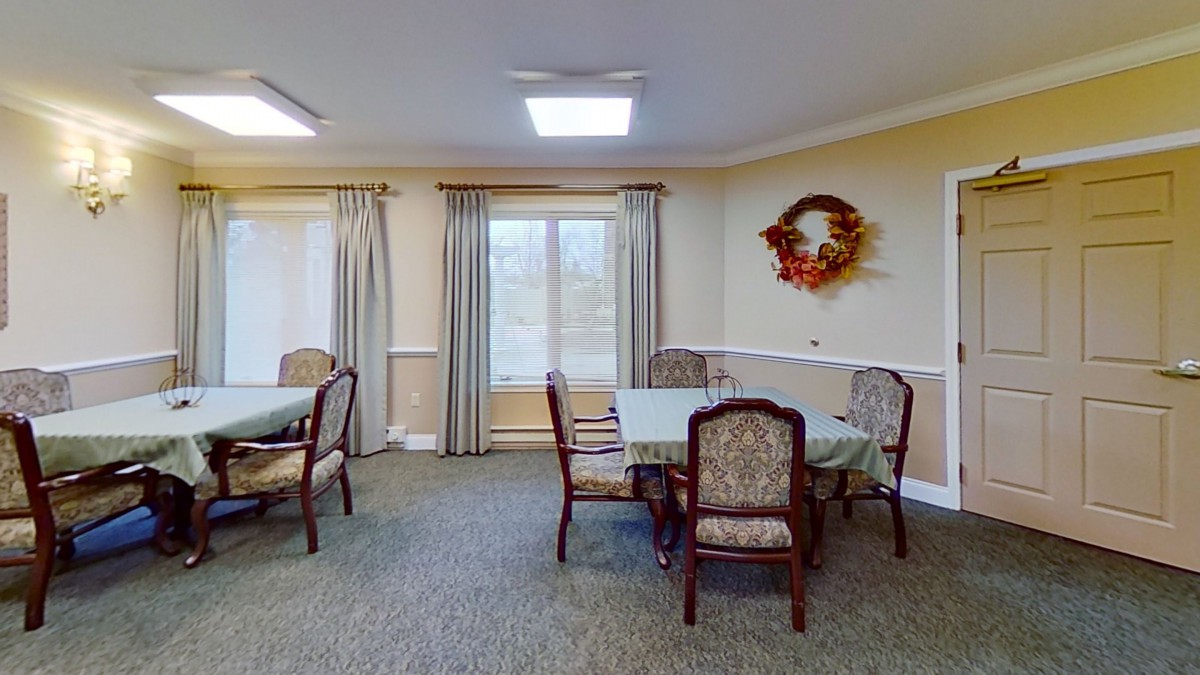
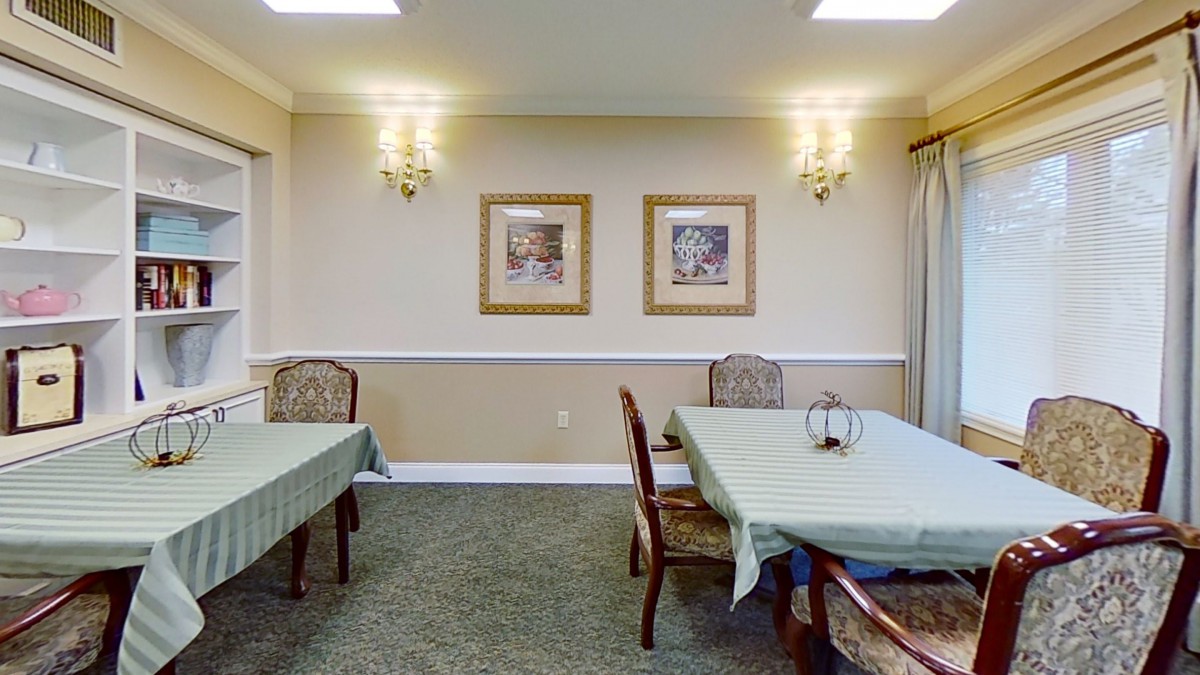
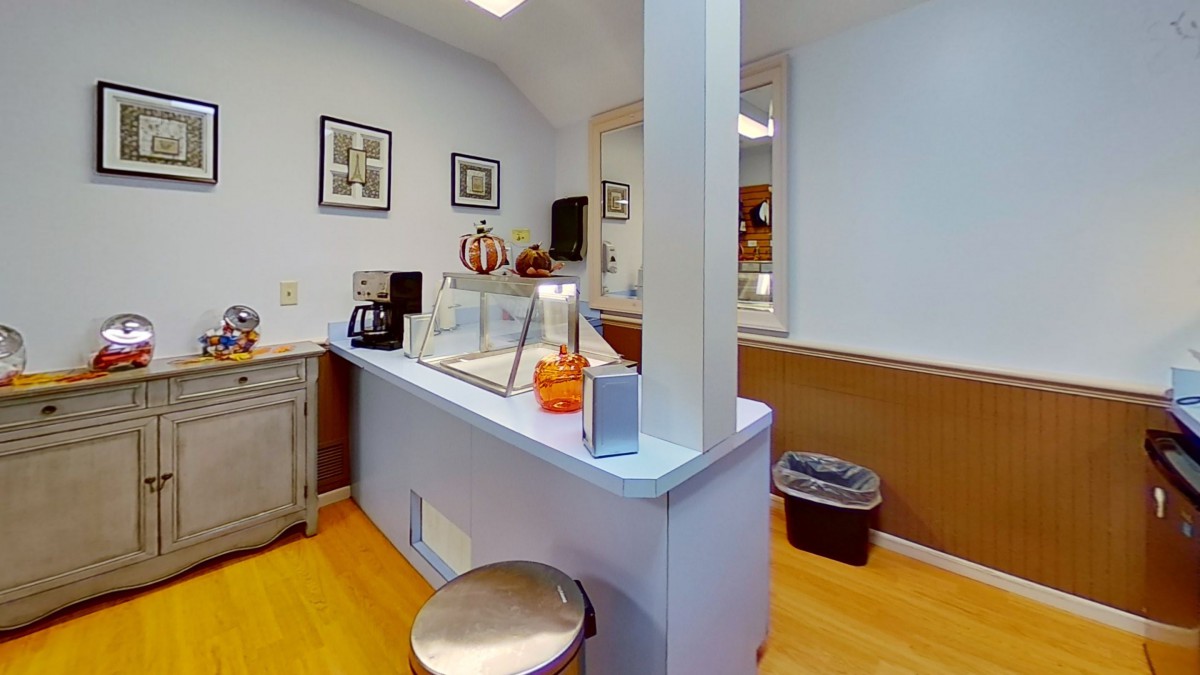
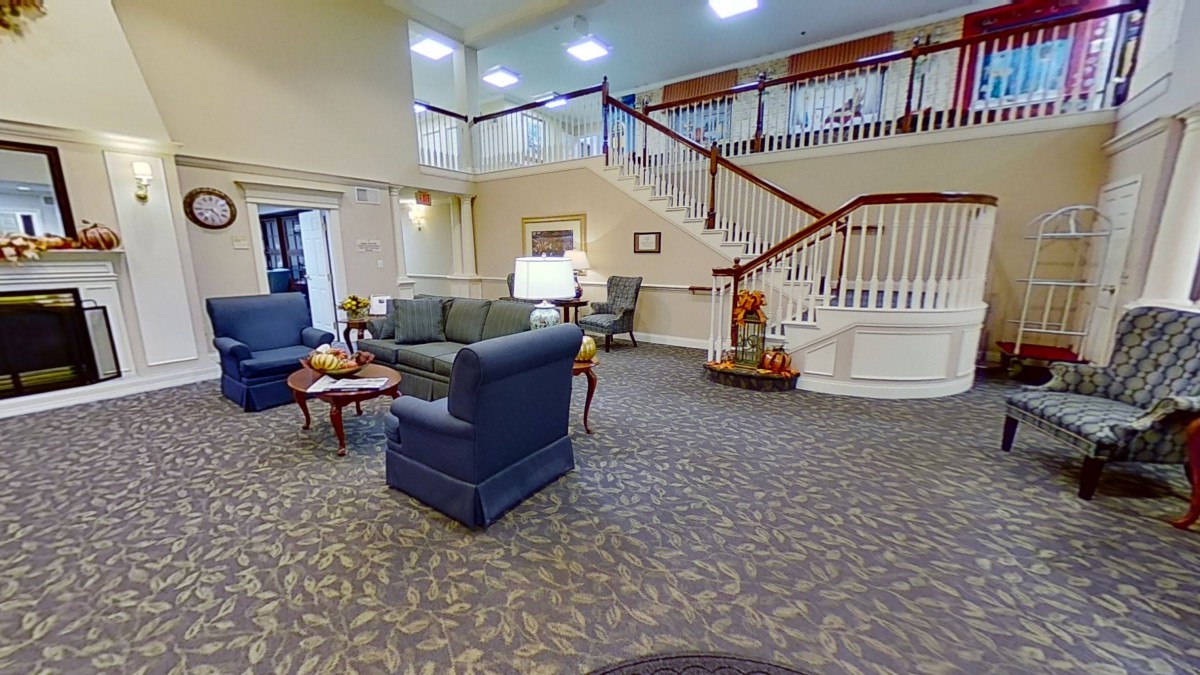
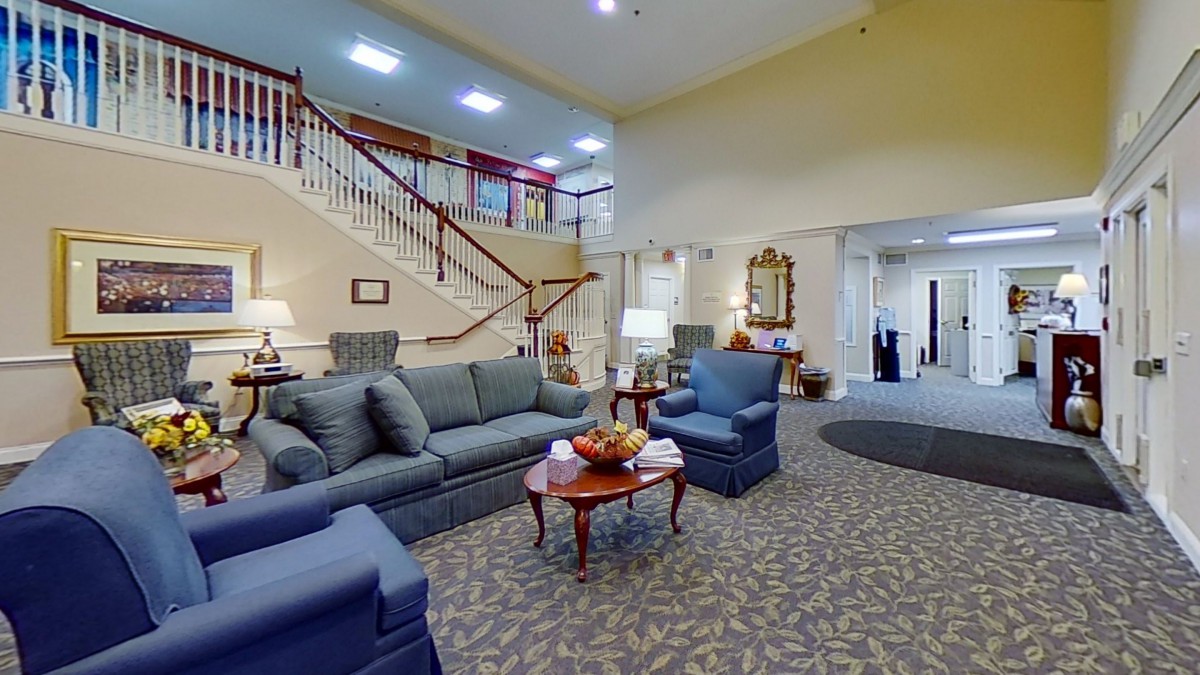
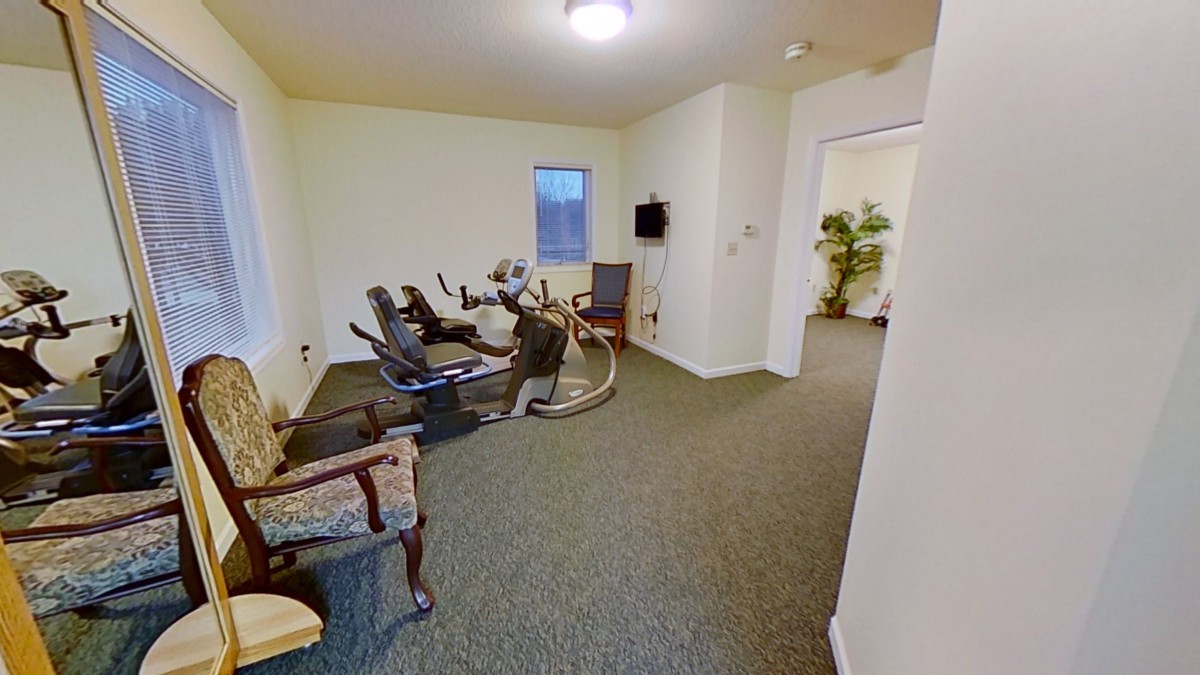
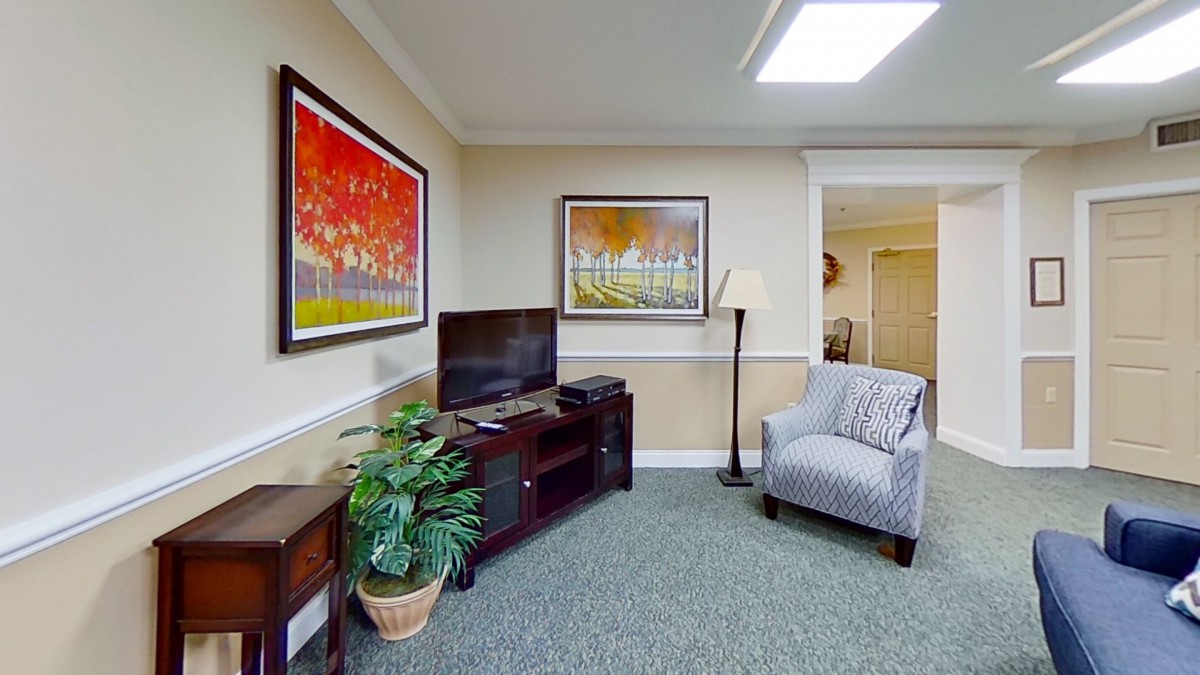
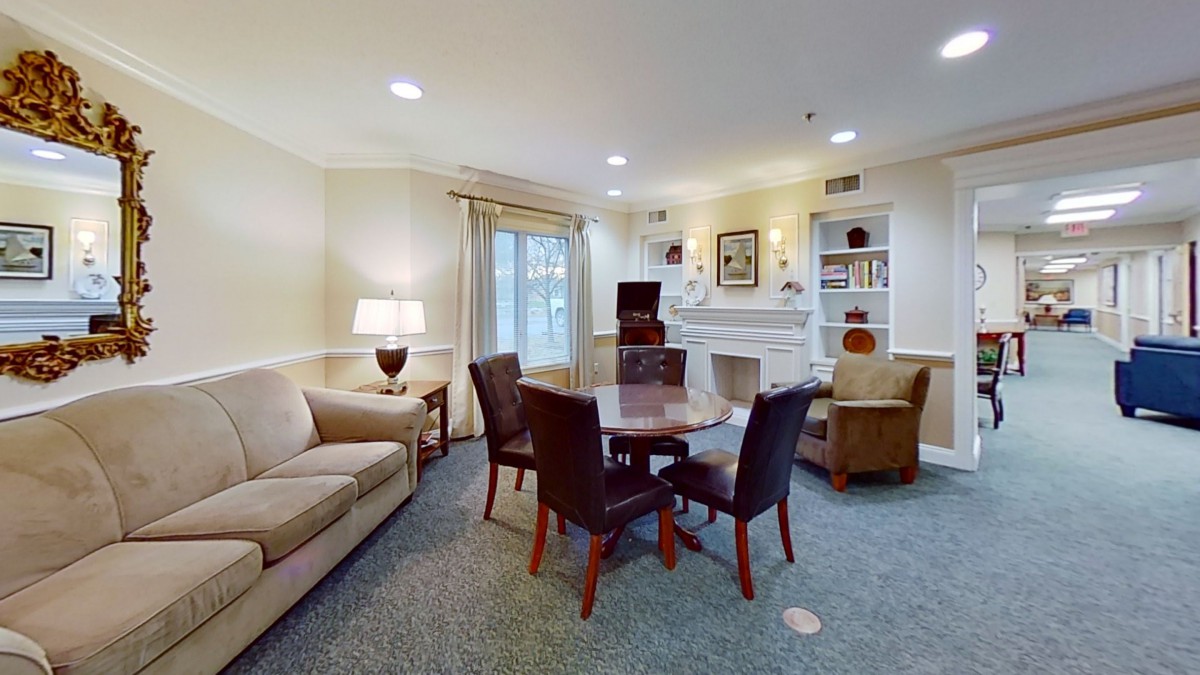
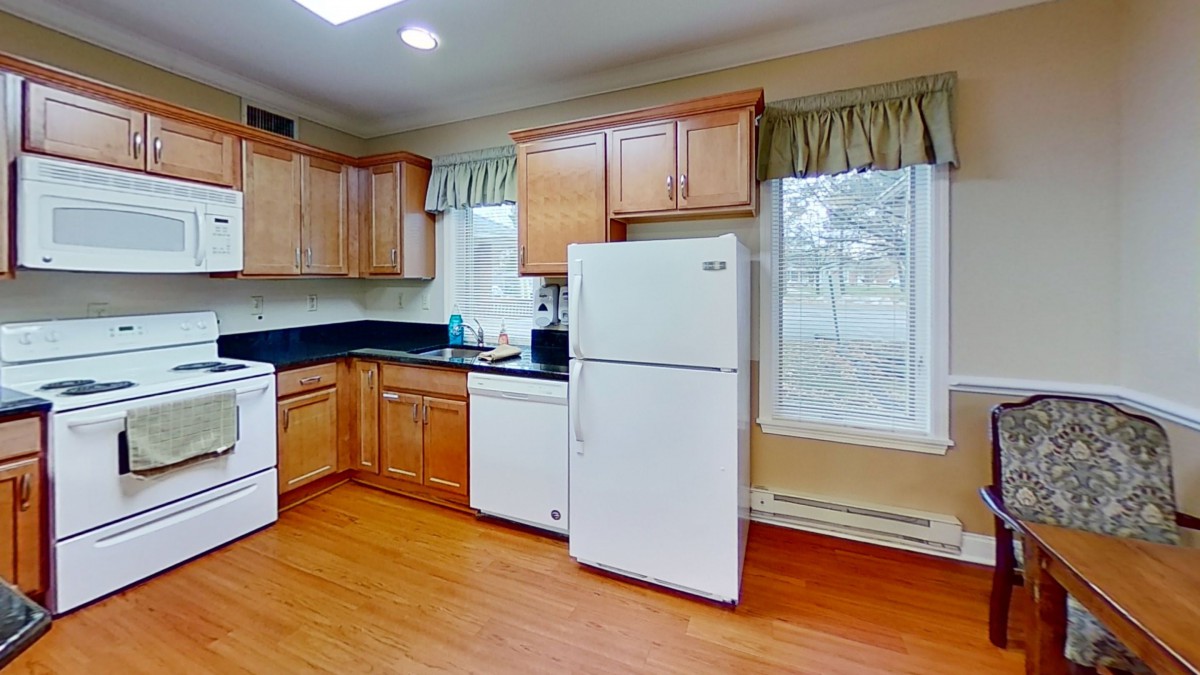
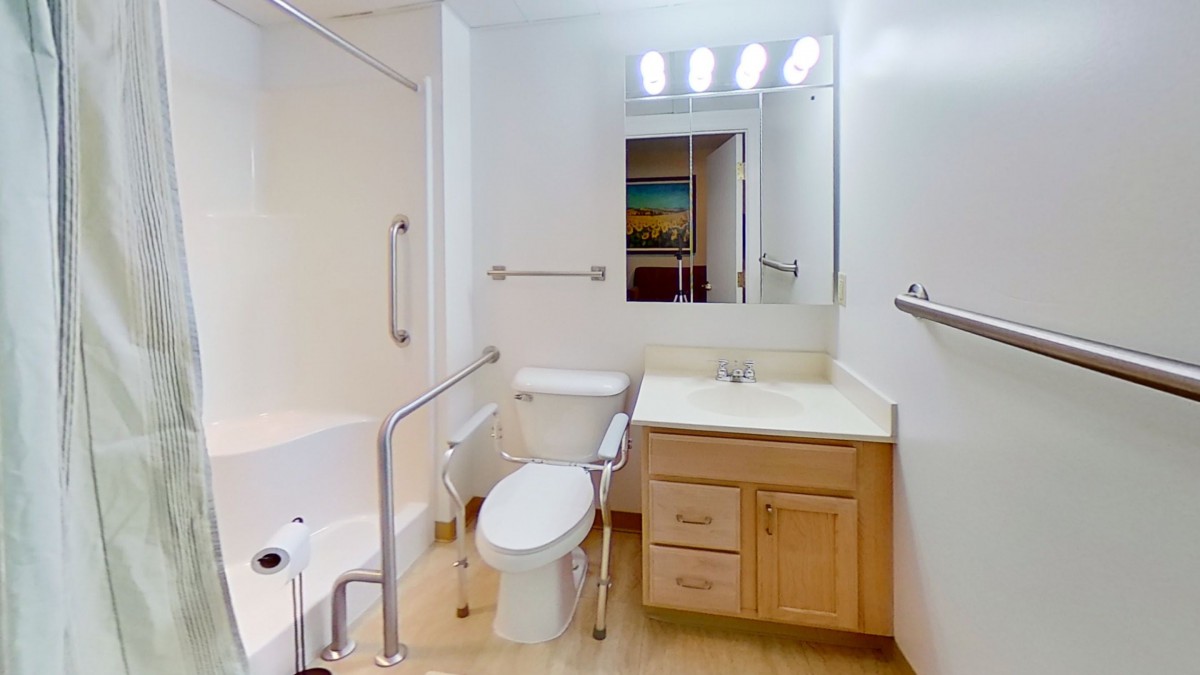
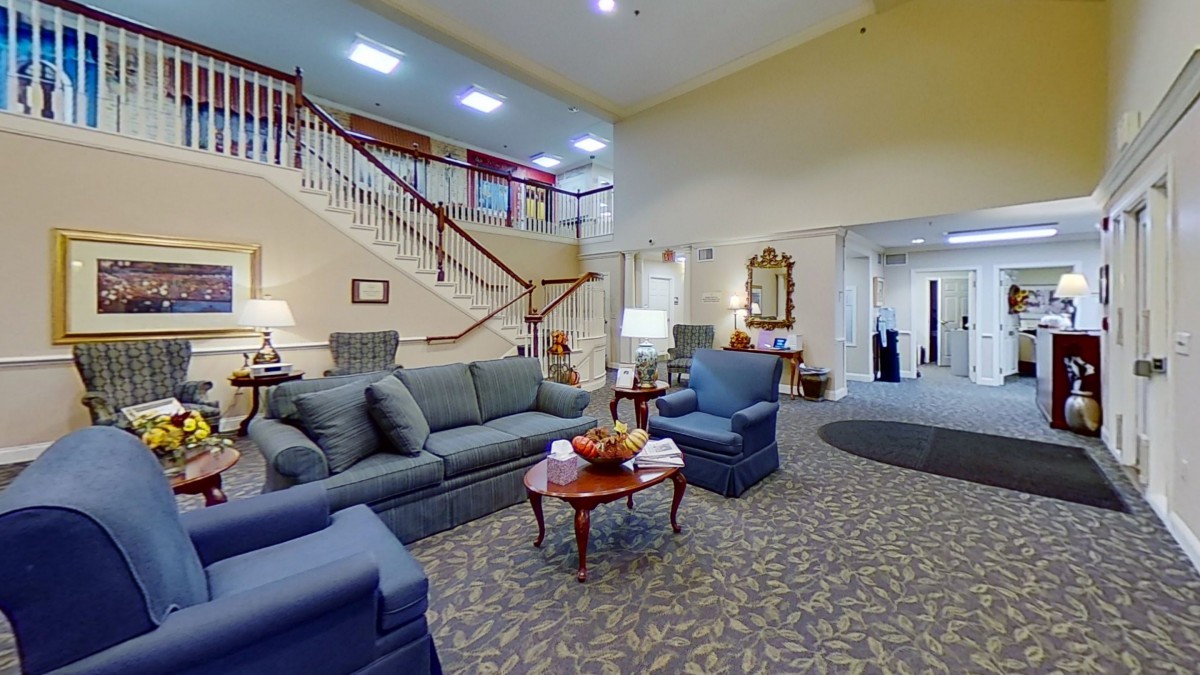
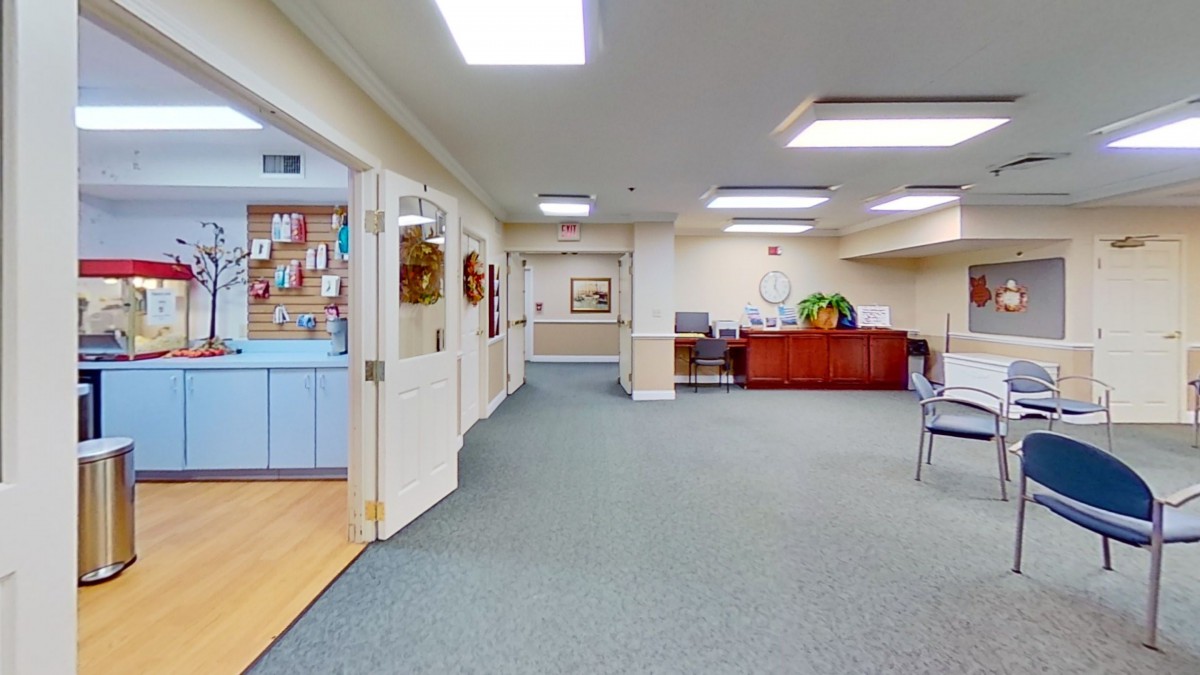
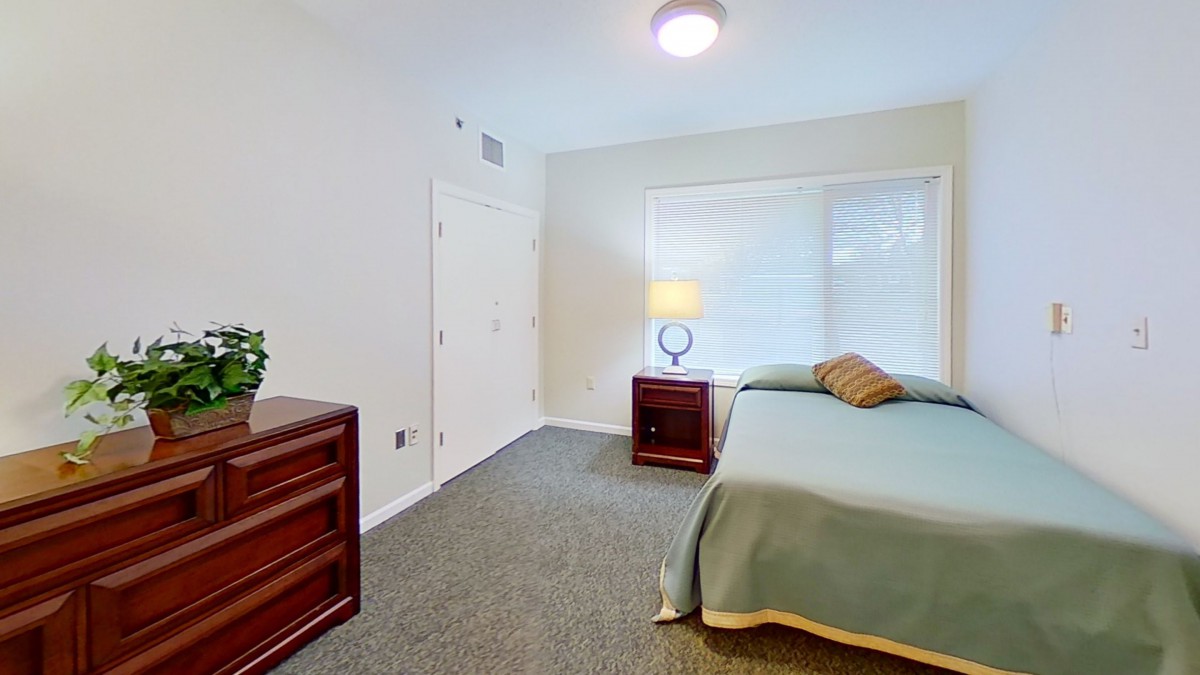
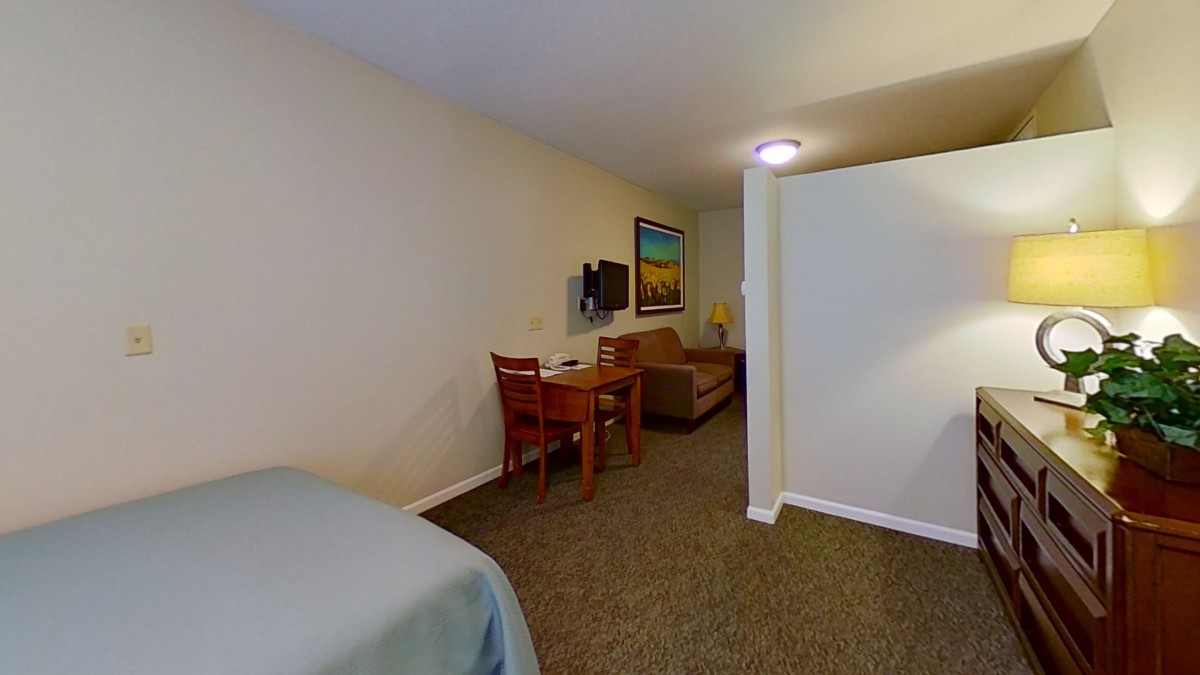
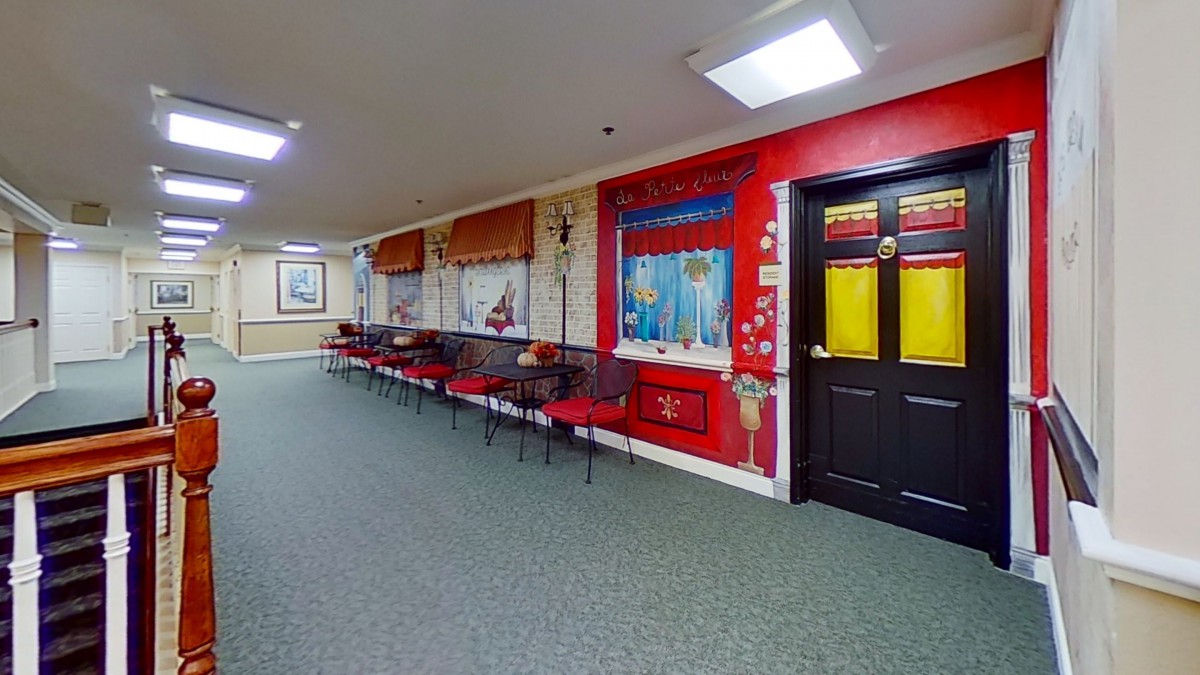
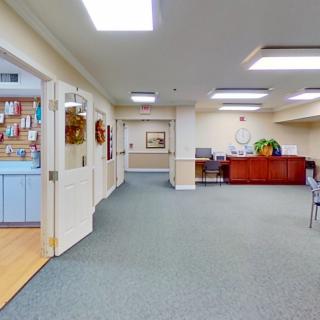
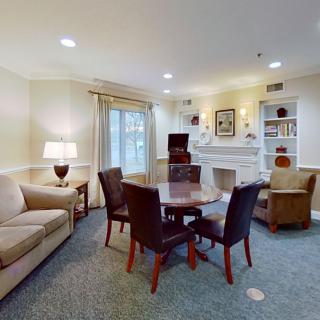
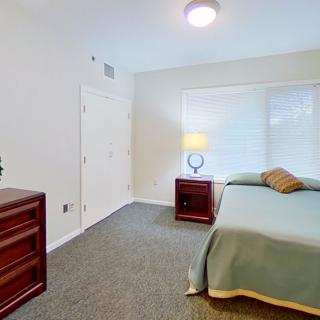
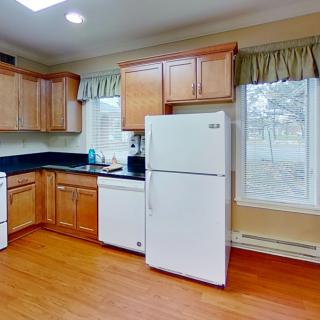
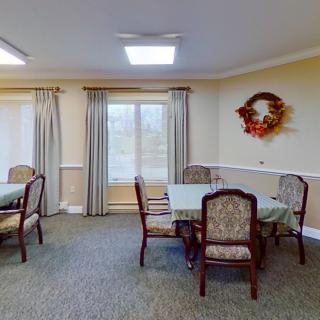
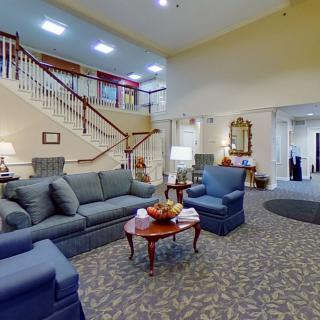
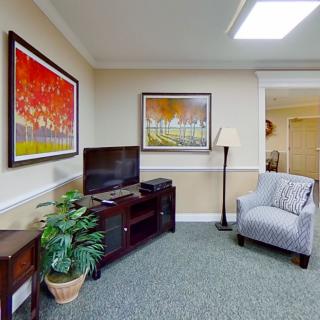
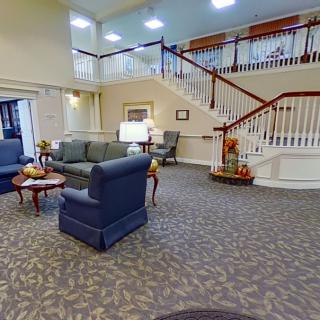
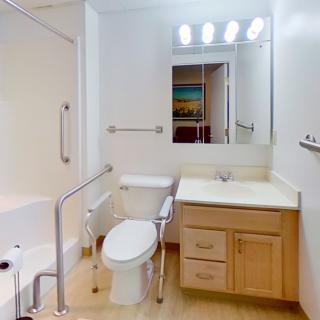
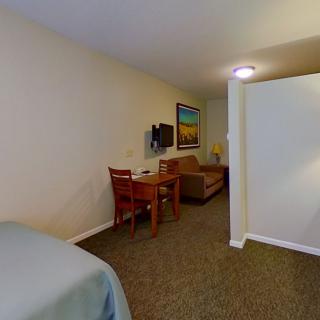
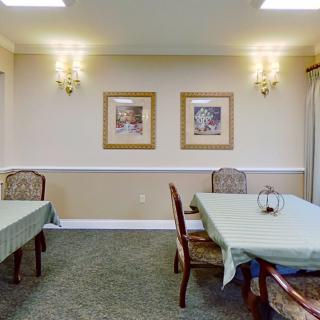
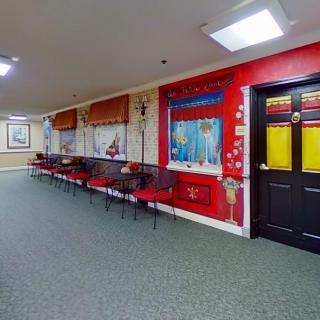
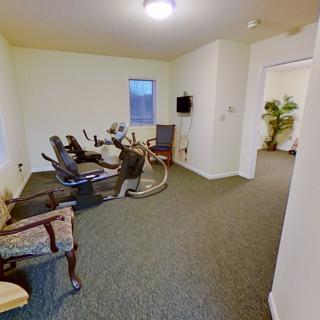
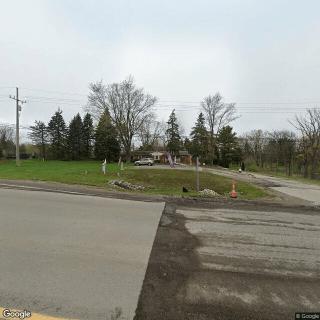
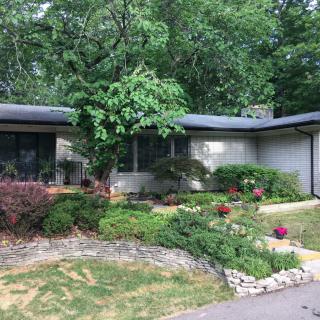
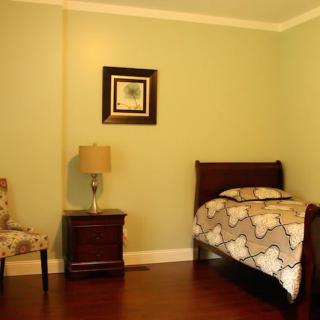
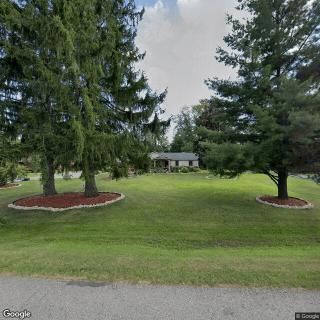
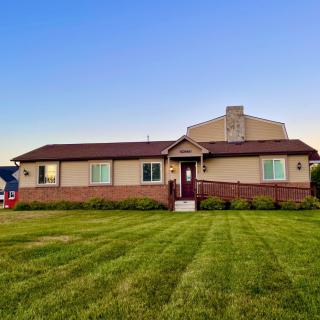
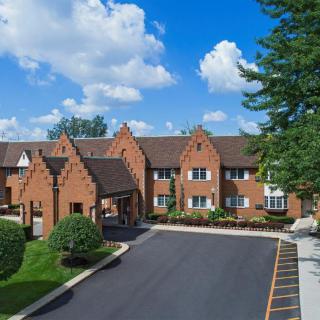
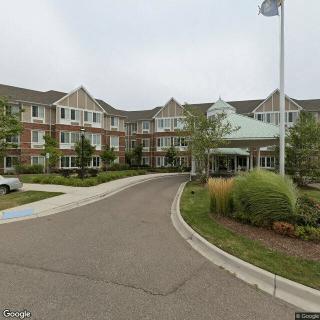
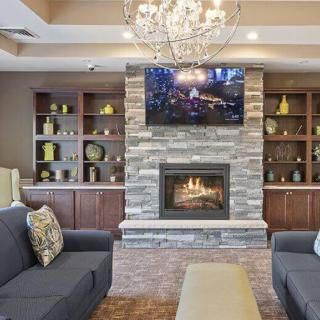
Cranberry Park at ShorePointe on seniors.fyi includes 16 photos including images showing interior, decor, lobby, bedroom, television, bathroom, seating area, office, and more.
Nearby Communities
Shorepointe Nursing Center
Saint Clair Shores, MI
4.1 from 160 reviews
Attractive, clean facility with skilled therapy staff.
ShorePointe Village
St. Clair Shores, MI
4.3 from 3 reviews
Calm, welcoming environment with friendly staff and good meals.
Beechwood Manor
Saint Clair Shores, MI
3.8 from 52 reviews
$2,500 to $3,500 / month
Welcoming, home-like atmosphere with compassionate, attentive staff, individualized care, strong family communication, and engaging activities.
St Clair Shores Housing Comm
St. Clair Shores, MI
4 from 25 reviews
Nearby amenities and healthcare.
Right at Home
St. Clair Shores, MI
5 from 4 reviews
Strong nearby healthcare access and diverse dining options
VCCF Home Care and Home Bound Care of America
St Clair Shores, MI
3 from 1 review
Strong care support from VCCF Home Care and Home Bound Care of America with nearby amenities (cafes, parks, pharmacies, dining, worship, theater).
American House East I
Roseville, MI
4.5 from 105 reviews
$2,100 to $2,795 / month
Friendly staff and a welcoming, active community with clean facilities.
The Rivers Grosse Pointe
Grosse Pointe, MI
2.4 from 89 reviews
$2,995 to $4,125 / month
Clean, well-maintained facility with attractive finishes and some caring staff.
Hampton Manor of Clinton
Clinton Township, MI
4.5 from 63 reviews
$2,200 to $4,200 / month
Caring, attentive staff in a beautiful, accessible environment with on-site activities.
Dementia encompasses a range of cognitive impairments characterized by types such as Alzheimer's and vascular dementia, and follows a seven-stage progression model known as the Global Deterioration Scale (GDS), highlighting varying symptoms and decline timelines. Early detection allows for lifestyle adjustments to potentially slow progression, while caregivers need support and resources to manage the challenges involved in caring for affected individuals.
The article presents eight strategies for preserving cognitive health and memory in older adults, emphasizing a nutrient-rich diet, regular exercise, intellectually stimulating activities, adequate sleep, social connections, stress management techniques, limiting harmful substances, and regular medical checkups to mitigate age-related memory decline.
Activities of Daily Living (ADLs) are fundamental tasks vital for an individual's independence, particularly in older adults over 85, and include functions like bathing and dressing; assessing ADLs alongside Instrumental Activities of Daily Living (IADLs) helps determine the level of required assistance due to age-related health challenges. Tailored support plans, involving family and community resources, are essential for maintaining dignity and autonomy in assisted living environments.
Kitchen, Appliances, Cabinets, Refrigerator, and Wooden Flooring
Lighting
Artwork and Plant
Television
Seating Area
Lobby
Exercise Equipment and Exercise Room
Wall Art and Lighting Fixtures
Hallway
Office
Minimalist
Reception Area and Coffee Station
Bright Lighting
Staircase
Stairs
Reception Desk
Get PricingAsk A QuestionSchedule A TourContact Senior Advisor
By clicking submit, you agree to our Partner's Terms of Use. You
also consent to receive calls and texts, which may be autodialed, from our Partner. Your consent is not a condition to
using our Partner's service. Please visit our Partner's Privacy Policy for information about their privacy practices.

 Assisted Living
 Independent Living
 Memory Care
 Activities off-site
 Air-conditioning
 Bath tubs
 Beautician on-site
 Cable or satellite TV
 Devotional services on-site
 Ground floor units
 Handicap accessible
 Indoor common areas
 Kitchenette
 Outdoor common areas
 Private bathrooms
 Respite or short term stays offered
 Wheelchair accessible showers
 Wi-Fi/high-speed internet available
 Ambulatory care
 Diabetic care
 Incontinence care
 Medication management
 Gluten-free
 Art classes
 Catholic services
 Day trips and outings
 Educational speakers / life long learning
 Happy hour
 Karaoke
 Live musical performances
 Wine tasting
 Attractive, clean facility with skilled therapy staff.
 Understanding Dementia Through Its Seven Stages: A Comprehensive Look at Progression and Expectations
 Safeguarding Your Memory Through the Golden Years: Eight Ways to Preserve Cognitive Health
 Comprehensive Insights into Activities of Daily Living (ADLs) and Their Assessment