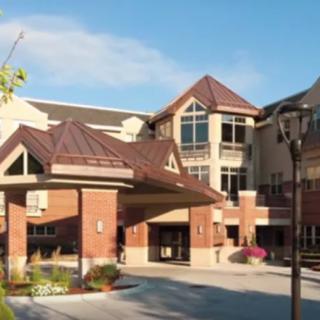
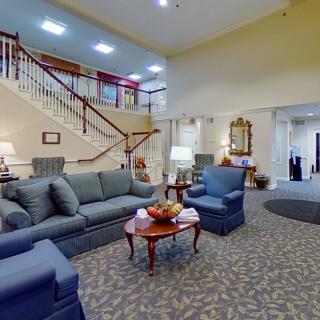
Advantage Living Center - Roseville

25375 Kelly Road, Roseville, MI 48066

For more information about senior living options: (844) 490-3973

2.4 from 100 reviews
5 stars
29
4 stars
6
3 stars
2
2 stars
3
1 stars
60

Skilled Nursing Facility

Overall Review of Advantage Living Center - Roseville

Pros

  • pro The establishment is outstanding.
  • pro The reviewer thoroughly enjoyed their time there and appreciated the exceptional service.
  • pro Tomika Jones was a key factor in the visit's success, promptly addressing questions and concerns.
  • pro Staff were polite and kind to the reviewer.
  • pro The room was clean and smelled of bleach and sanitizer.
  • pro The location is central for the family and convenient for visiting.
  • pro The facility accepts Medicaid.

Cons

  • pro The facility is described as disgusting and neglectful, with poor wound care and rooms that smell like urine.
  • pro Residents are not bathed or changed regularly and often wear the same clothes for weeks, with noticeable weight loss and bedbound conditions.
  • pro Staff are characterized as lazy, unprofessional, undereducated, and unresponsive, with rude behavior at the front desk and in medical records.
  • pro Doctors are not consistently seen; some residents have not had a physician visit since arrival.
  • pro Residents experience daily pain due to rough handling, including being rolled around like a rag doll.
  • pro There are serious hygiene and safety concerns: wounds left untreated, urine containers not emptied, and medications left unsecured.
  • pro Transportation and appointment coordination fail, with calls and confirmations often going unanswered.
  • pro Billing and insurance issues cause confusion and distress, including post-death bills and disputed coverage.

Review

The collection of firsthand accounts paints a deeply mixed and ultimately troubling picture of care at The Orchards. While one reviewer begins with high praise, noting that the establishment is outstanding and that a staff member named Tomika Jones was instrumental in delivering prompt, responsive service, the rest of the experiences shared by multiple families tell a very different story. In aggregate, the reviews convey a pattern of serious concerns about medical oversight, hygiene, and the everyday quality of care expected for residents with significant needs.

Several families describe long-standing worries about one loved one's condition after months of residency. One father's experience, chronicled since June 2024, is marked by alarming weight loss, bedbound status, and a perception that he is not being checked on regularly. The accounts describe him not being bathed, hair not washed, and clothing left unchanged for extended periods, with the family stepping in to help while questioning whether any physician visits have occurred since his arrival. There are specific concerns about circulation in his toes turning color, new rashes on the back and neck, and ongoing pain described as a daily experience when staff do finally move or dress him. The family recounted attempts to obtain medical input on his wounds and conditions over several months, and they also flag administrative issues, such as Medicaid coverage questions and monthly bills despite the patient's status. Transportation requests and communication with the Medical Records department are described as unreliable and frequently met with attitude.

Another thread of the narrative centers on care for a mother-in-law and other residents where families felt neglected to the point of alarm. The reviewers assert that wounds, poor wound care, and a lack of consistent medical attention contributed to deterioration. They claim that turning, bathing, and even basic daily care were inconsistent, and they describe situations where the facility's responses to urgent needs were inadequate. Some families feel overwhelmed by the sheer volume of negative experiences, concluding that the facility should not be trusted with loved ones and that the staff and management would benefit from tighter oversight and accountability. Physical neglect and the distress it caused are underscored by personal accounts and by explicit warnings to others not to place relatives at The Orchards.

Hygiene and sanitation issues appear repeatedly across multiple comments. Several reviewers report rooms smelling of urine or feces and describe fecal or urine-soiled conditions that were not promptly remediated. There are claims that residents were left in soiled briefs for extended periods, that bathrooms were not cleaned in a timely fashion, and that medications and supplies were left unsecured or left sitting around in patient rooms. One reviewer even characterizes the environment as an "outhouse" and condemns the facility for leaving lingering odors and apparent neglect of basic care routines, including wound care and regular bathing. The perception of poor infection control, combined with reports of limited or inconsistent wound management, is framed as a core factor in worsening conditions for residents.

Communication and responsiveness are marked as significant pain points. Reviewers describe front-desk staff who rummage through packages and whom they view as untrustworthy, and in some cases they report open hostility or rudeness when contacting departments for information. The sentiment that staff are unaccountable, unavailable, or indifferent runs through multiple testimonials, with complaints about unreachable nursing stations, delayed responses to transportation requests, and a sense that patient care is subordinated to administrative hurdles or bureaucratic delays. Some reviewers explicitly connect these communication gaps to missed opportunities for timely medical interventions and for updating families about changes in a resident's condition.

Amid the chorus of criticism, a different perspective appears from as yet a more mixed account. One reviewer, visiting a father who is fairly mobile, acknowledges that the facility is not a five-star hotel and that it may be adequate for their budget. This account notes cleaner rooms and daily cleaning, along with staff who are polite, and a level of tolerance for resident independence. It also mentions that it is possible to bring a cellphone and that many residents have their own devices, suggesting a more social or connected experience for some residents. The reviewer admits room for improvement, including a desire for more access to exercise equipment, but frames the experience as less dire than others. In short, even among the negative assessments, there is a sense that some residents experience a more tolerable or manageable environment, especially if they are more independent or if certain staff are attentive in particular moments.

A stronger thread of alarm centers on professional qualifications and respect for privacy. One reviewer claims that as many as three-quarters of the staff are unqualified, unprofessional, and underskored by a belief that the good staff are overwhelmed while trying to compensate for others' deficiencies. There is also the assertion that a shipping package was opened by a front-desk staff member, which is described as both a matter of privacy violation and a sign of broader competence concerns. The most urgent warning emerges in a separate post that implores readers not to entrust loved ones to this facility, tying the care experience directly to a family's heartbreak and to a recent death. The husband's passing in June 2024 is described as being communicated via voicemail from a hospice nurse rather than a personal call, and a billing issue for the month of June is cited as adding insult to injury, with no expressed condolences or acknowledgment of the loss.

Taken together, these accounts depict a facility that provokes fear, anger, and deep disappointment among families who trust their loved ones to its care. The Orchards is portrayed as a place where high-acuity needs may not be met consistently, where hygiene and wound care can be severely lacking, and where communication gaps complicate an already stressful situation. Prospective families are urged to be thorough in evaluating care options, to seek corroborating information from state agencies or independent inspectors, and to consider alternatives with stronger reputations for patient-centered care. The underlying message from these reviews is clear: while there may be isolated moments of positive staff interaction, the prevailing experiences described here raise grave concerns about safety, dignity, and the overall quality of life for residents.

Features

Housing

  • 169 resident community capacity 169 resident community capacity

Types of Care

  • Skilled Nursing Facility Skilled Nursing FacilitySkilled Nursing Facilities are crucial for seniors as they provide round-the-clock medical care, rehabilitation services, and assistance with daily activities. These facilities ensure that seniors receive the specialized care they need to maintain their health and well-being as they age.

Amenities

  • Air-conditioning Air-conditioningAir conditioning is important for seniors as they are more vulnerable to heat-related illnesses and may have underlying health conditions that make it difficult for them to regulate their body temperature. It helps to keep them comfortable, safe, and healthy in hot weather.
  • Beauty salon Beauty salonBeauty salons are important for seniors because they provide a space for them to feel pampered, socialize, and maintain their personal grooming and hygiene. Regular visits to a beauty salon can help boost seniors' self-esteem and overall well-being.
  • Cable or satellite TV Cable or satellite TVCable or satellite TV is important for seniors because it provides entertainment, news, and companionship, helping to combat loneliness and boredom. It also offers a wide range of programming options tailored to different interests and preferences.
  • Computer center Computer centerA computer center is essential for seniors as it provides access to technology, communication tools, and resources that can enhance their daily lives. It allows them to stay connected with loved ones, engage in online activities, and learn new skills, ultimately promoting socialization and mental stimulation.
  • Dining room Dining roomDining rooms are important for seniors as they provide a space for socialization, connection, and nutritious meals. They offer opportunities for residents to bond over shared meals, foster a sense of community, and promote healthy eating habits. Dining rooms also ensure that seniors have access to well-balanced meals tailored to their dietary needs and preferences.
  • Fitness room Fitness roomHaving a fitness room in a senior living community is essential for seniors to stay active, maintain their physical health, and improve their overall well-being. Regular exercise can help prevent falls, reduce the risk of chronic diseases, and promote mental sharpness. It also provides social opportunities for residents to connect with others and enjoy a sense of community.
  • Fully furnished Fully furnishedFully furnished senior living communities are important for seniors because they provide convenience, comfort, and a hassle-free moving experience. Seniors can easily settle into their new living space without the stress of having to buy and move furniture. This allows them to focus on enjoying their new home and community.
  • Gaming room Gaming roomGaming rooms are important for seniors as they provide a fun and engaging environment for socializing, cognitive stimulation, and physical activity. Games can improve memory, problem-solving skills, and overall mental well-being while fostering friendships and reducing feelings of isolation.
  • Garden GardenGardens are important for seniors as they provide a peaceful and therapeutic environment for relaxation, physical activity, and socialization. Being in nature has been shown to reduce stress, improve mood, and promote overall well-being. Gardens also offer opportunities for seniors to engage in gardening activities, which can improve mobility, flexibility, and cognitive function. Additionally, gardens create a sense of community and connection with others who share a passion for plants and outdoor spaces.
  • Housekeeping services Housekeeping servicesHousekeeping services are important for seniors because they help maintain a clean and safe living environment, promote independence, and reduce the risk of accidents or illnesses. Additionally, having assistance with household chores can alleviate physical strain and allow seniors to focus on other aspects of their well-being.
  • Kitchenette KitchenetteKitchenettes are important for seniors living in senior living communities because they provide the convenience and independence of being able to prepare simple meals and snacks in the comfort of their own living space. This can help promote a sense of autonomy and well-being for seniors, allowing them to maintain some level of control over their dietary choices and daily routines.
  • Move-in coordination Move-in coordinationMove-in coordination is important for seniors because it helps ease the transition into their new living environment. It ensures that all logistics, such as packing, organizing movers, and setting up utilities are taken care of, allowing seniors to focus on settling in and adjusting to their new home. Having a smooth move-in process can alleviate stress and anxiety, making the transition smoother and more enjoyable for seniors.
  • Outdoor space Outdoor spaceOutdoor spaces are important for seniors as they provide opportunities for physical activity, social interaction, exposure to natural light and fresh air, and a sense of connection to nature. Having access to outdoor spaces can improve overall well-being and quality of life for older adults living in senior communities.
  • Private bathrooms Private bathroomsPrivate bathrooms are important for seniors in senior living communities because they provide independence, dignity, and comfort. Having a private bathroom allows seniors to maintain their personal hygiene routines without the need for assistance, promoting a sense of autonomy and privacy. Additionally, private bathrooms help prevent the spread of infections and provide a safe and clean environment for seniors to navigate safely.
  • Restaurant-style dining Restaurant-style diningRestaurant-style dining is important for seniors because it allows them to enjoy delicious, nutritious meals in a social and upscale setting. This enhances their dining experience, promotes healthy eating habits, and fosters socialization with fellow residents, ultimately contributing to their overall well-being and quality of life.
  • Small library Small librarySmall libraries are important for seniors as they provide access to a variety of reading materials, including books, newspapers, and magazines. This can help stimulate their minds, keep them engaged, and provide a sense of community through book clubs and other social activities. Additionally, reading has been shown to improve cognitive function and overall mental well-being in older adults.
  • Telephone TelephoneTelephones are important for seniors as they provide a lifeline for communication with loved ones, emergency services, and healthcare providers. They offer a sense of security and independence, enabling seniors to stay connected and access assistance when needed.
  • Wellness center Wellness centerWellness centers are important for seniors because they offer a variety of programs and services that promote physical, mental, and emotional well-being. These centers provide opportunities for exercise, socialization, education, and relaxation, helping seniors maintain their overall health and quality of life.
  • Wi-Fi/high-speed internet available Wi-Fi/high-speed internet availableWi-Fi/high-speed internet is important for seniors to stay connected with loved ones, access online resources, and participate in virtual activities to combat feelings of loneliness and isolation. It also allows them to easily manage healthcare needs, access entertainment, and engage in lifelong learning opportunities.

Transportation

  • Community operated transportation Community operated transportationCommunity operated transportation is crucial for seniors as it provides them with the means to access essential services, social activities, and medical appointments. It allows seniors to maintain their independence and quality of life by ensuring they can participate in activities outside of their homes. Additionally, community-operated transportation services offer a safe and reliable way for seniors to travel without having to rely on family or friends for assistance.
  • Transportation arrangement Transportation arrangementTransportation arrangements are crucial for seniors as they may face challenges with driving, mobility, or access to public transportation. Having reliable transportation services ensures that seniors can easily attend appointments, social activities, and maintain their independence and quality of life.
  • Transportation arrangement (non-medical) Transportation arrangement (non-medical)Transportation arrangements are essential for seniors as they provide access to essential services, activities, and social interactions outside the home. This service helps maintain independence, mobility, and overall well-being for seniors who may have limited transportation options.
  • Transportation to doctors appointments Transportation to doctors appointmentsTransportation to doctors appointments is crucial for seniors as it ensures they have access to necessary medical care and support, promoting their health and well-being. It allows them to receive timely treatment, monitor existing conditions, and address any new health concerns efficiently. Additionally, transportation services can help seniors maintain their independence and quality of life by enabling them to stay connected with their healthcare providers.

Care Services

  • 12-16 hour nursing 12-16 hour nursing12-16 hour nursing care is crucial for seniors in order to ensure around-the-clock monitoring, timely medication administration, and prompt response to any health concerns or emergencies. This level of care helps to promote the overall well-being and safety of seniors living in senior living communities.
  • 24-hour call system 24-hour call system24-hour call systems are important for seniors because they provide peace of mind and immediate assistance in case of emergencies. This technology ensures that help is always available, promoting safety and security for elderly individuals living alone or in assisted living facilities.
  • 24-hour supervision 24-hour supervision24-hour supervision is important for seniors to ensure their safety, well-being, and access to immediate assistance in case of emergencies or health issues. This constant support provides peace of mind for both seniors and their loved ones, allowing them to age in place with dignity and security.
  • Activities of daily living assistance Activities of daily living assistanceActivities of daily living assistance are important for seniors because they provide essential support with tasks such as eating, bathing, dressing, and mobility. This assistance helps seniors maintain their independence, dignity, and overall quality of life as they age.
  • Assistance with bathing Assistance with bathingAssistance with bathing is crucial for seniors as it helps maintain personal hygiene, prevents infections, and ensures their overall well-being and comfort. It also provides a sense of dignity and independence for seniors who may struggle with this task on their own.
  • Assistance with dressing Assistance with dressingAssistance with dressing is important for seniors because it helps maintain their independence, promotes personal hygiene, prevents accidents and injuries, and improves overall quality of life. This service ensures that seniors can continue to dress comfortably and confidently, despite any physical limitations they may have.
  • Assistance with transfers Assistance with transfersAssistance with transfers is crucial for seniors as it helps prevent falls and injuries, maintains their independence, and ensures they can safely navigate their living environment. It also provides peace of mind for both seniors and their loved ones.
  • Diabetes diet Diabetes dietA diabetes diet is crucial for seniors as it helps manage blood sugar levels, reduce risks of complications, and improve overall health and well-being. By following a balanced and nutritious diet tailored to their specific needs, seniors can better control their diabetes and enhance their quality of life.
  • Meal preparation and service Meal preparation and serviceMeal preparation and service are crucial for seniors as they may have limited mobility or energy to cook nutritious meals. Having access to healthy and convenient food options can ensure they are getting the proper nutrition needed to maintain their overall health and well-being.
  • Medication management Medication managementMedication management is crucial for seniors to ensure they are taking the right medications at the correct dosages and times. This helps prevent adverse drug interactions, reduces the risk of medication errors, and promotes overall health and well-being. Proactive management also allows for adjustments as needed based on changing health conditions or new prescriptions.
  • Mental wellness program Mental wellness programMental wellness programs are essential for seniors as they promote cognitive stimulation, emotional support, and social engagement. These programs help prevent isolation, depression, and cognitive decline, ultimately enhancing the overall quality of life for older adults.
  • Special dietary restrictions Special dietary restrictionsSpecial dietary restrictions are important for seniors because age-related changes in metabolism and health conditions can make it difficult for their bodies to process certain foods. By following a diet tailored to their specific needs, seniors can maintain their overall health and well-being, manage chronic conditions, and reduce the risk of complications such as malnutrition or food interactions with medications.

Dining

  • Diabetes diet Diabetes dietA diabetes diet is crucial for seniors as it helps manage blood sugar levels, reduce risks of complications, and improve overall health and well-being. By following a balanced and nutritious diet tailored to their specific needs, seniors can better control their diabetes and enhance their quality of life.
  • Special dietary restrictions Special dietary restrictionsSpecial dietary restrictions are important for seniors because age-related changes in metabolism and health conditions can make it difficult for their bodies to process certain foods. By following a diet tailored to their specific needs, seniors can maintain their overall health and well-being, manage chronic conditions, and reduce the risk of complications such as malnutrition or food interactions with medications.

Activities

  • Community-sponsored activities Community-sponsored activitiesCommunity-sponsored activities are important for seniors as they provide opportunities for social interaction, mental stimulation, and physical activity. These activities can help improve overall well-being, combat loneliness and isolation, and promote a sense of belonging and purpose among older adults.
  • Concierge services Concierge servicesConcierge services are essential for seniors as they provide assistance with daily tasks and errands, enhance their quality of life by offering convenience and personalized care, and promote a sense of safety and security.
  • Fitness programs Fitness programsFitness programs are crucial for seniors as they help improve strength, flexibility, balance, and overall well-being. Staying active can reduce the risk of chronic diseases, improve mental health, and enhance quality of life in older adults.
  • Planned day trips Planned day tripsPlanned day trips are important for seniors because they offer opportunities for socialization, mental stimulation, and physical activity. They provide a change of scenery and help seniors stay engaged and connected to their community, promoting overall well-being and quality of life.
  • Resident-run activities Resident-run activitiesResident-run activities are important for seniors as they encourage social interaction, creativity, and a sense of autonomy. These activities empower seniors to stay engaged and active in their community while fostering meaningful connections with their peers.
  • Scheduled daily activities Scheduled daily activitiesScheduled daily activities are important for seniors because they provide structure, socialization, mental stimulation, and physical activity. Engaging in regular activities can improve overall well-being and quality of life for seniors living in a community setting.

Description

Advantage Living Center - Roseville in Roseville, MI is an assisted living community that offers a wide range of amenities and care services to support and enhance the quality of life for its residents. The community features a beauty salon, allowing residents to conveniently take care of their grooming needs. With cable or satellite TV available in each room, residents can enjoy their favorite shows and stay connected to the outside world.

Advantage Living Center - Roseville also provides community operated transportation, making it easy for residents to get around the area for various activities and appointments. For those who enjoy staying connected digitally, there is a computer center and Wi-Fi/high-speed internet available throughout the community.

Meal times are made enjoyable with a spacious dining room and restaurant-style dining experience. The kitchenette in each resident's room allows for personal meal preparation if desired. Special dietary restrictions are accommodated to ensure everyone's needs are met.

Residents have access to various recreational amenities such as a fitness room, gaming room, small library, and outdoor space for relaxation or leisurely walks in nature. Planned activities are scheduled daily, including fitness programs and resident-run activities. Concierge services ensure that residents' requests are attended to promptly.

The care services at Advantage Living Center - Roseville include 24-hour call system and supervision for added safety and peace of mind. Assistance with activities of daily living such as bathing, dressing, and transfers is readily available. Medication management ensures that residents receive the correct dosage at the right time. A mental wellness program is implemented to support emotional well-being.

Transportation arrangements are provided both for non-medical purposes and to doctors' appointments. Move-in coordination makes transitioning into this community seamless. Housekeeping services maintain cleanliness within each resident's space.

The location of Advantage Living Center - Roseville offers convenience with 2 nearby cafes, parks, pharmacies, physicians' offices, restaurants, places of worship, and hospitals accessible within close proximity.

Overall, Advantage Living Center - Roseville provides a supportive and enriching environment for seniors in need of assisted living services.

Nearby Places of Interest

Restaurants

  • National Coney Island (1 miles)
  • Cold Cow Ice Cream (1.7 miles)
  • Wally's Frozen Custard (1.7 miles)
  • Gilbert's Lodge (1.8 miles)
  • Shores Inn Food & Spirits (2 miles)
  • McDonald's (2 miles)
  • Taco Bell (2 miles)

Pharmacies

  • Walgreens (1 miles)
  • Rite Aid (1.4 miles)
  • CVS Pharmacy (1.8 miles)
  • CVS Pharmacy (2.1 miles)
  • Walgreens (2.3 miles)
  • Walgreens (2.4 miles)
  • Rite Aid (2.8 miles)

Cafes

  • Tim Hortons (1.9 miles)
  • Panera Bread (3.4 miles)
  • Biggby Coffee (5.4 miles)
  • Starbucks (6.3 miles)
  • Starbucks (7.9 miles)

Parks

  • Lac St Claire Park (2.4 miles)
  • McKinley Park (3.6 miles)
  • Center Line Memorial Park (5.4 miles)
  • Clinton Township Parks & Recreation (7.7 miles)
  • Matthew C Patterson Park (7.9 miles)
  • Wilson Park (8 miles)
  • Windmill Pointe Park (8.5 miles)

Places of Worship

  • St Joan Of Arc Church (2.4 miles)
  • Lakeside Community Church (4.7 miles)
  • Grosse Pointe United Methodist Church (5.3 miles)
  • Trinity Lutheran Church (7.6 miles)
  • St Peter Catholic Church (8.5 miles)

Physicians

  • Pointes Allergy And As (2.6 miles)
  • Beaumont East Area Family Physicians (2.8 miles)
  • Henry Ford Macomb Family Medicine & Gynecology (3.9 miles)
  • McLaren Building (6.2 miles)

Hospitals

  • St John Macomb Hospital (4.2 miles)
  • St John Macomb-Oakland Hospital Warren Emergency Care (4.2 miles)
  • Select Specialty Hospital (4.4 miles)
  • St John Hospital & Medical Center (4.4 miles)
  • Henry Ford Medical Center (6.1 miles)
  • McLaren Macomb - Emergency Department (7.4 miles)

Theaters

  • AMC Star Gratiot 15 (5.4 miles)

Frequently Asked Questions

Where is Advantage Living Center - Roseville?

Nearby Communities

Related Resources

  • how to pay for nursing homeNavigating the Financial Road to Nursing Home Care: In-Depth Guidance and Resources

    The article offers detailed guidance on the financial complexities of nursing home care, covering costs, payment methods, and alternative funding strategies while emphasizing the importance of proactive planning and legal considerations for individuals and families making care decisions.

  • caregiver benefitsSupportive Employee Benefits That Help Caregivers Attain Better Work-Life Harmony
    The article emphasizes the critical role of supportive employee benefits for caregivers, advocating for flexible scheduling, paid leave, and mental health services to ease their challenges while enhancing employee well-being and organizational loyalty. It also highlights the importance of strong leadership in promoting these initiatives to foster a sustainable workplace culture that values caregivers.

  • best car for seniorsTop Cars for Senior Drivers and Essential Safety Innovations

    Senior drivers prioritize comfort, safety, and ease of use in vehicles due to age-related challenges, seeking features like easy entry, clear visibility, and modern driver-assistance technologies. Recommended models include the Subaru Forester, Honda CR-V, and Toyota Camry, with emphasis on test-driving for personal comfort and evaluating crash-test ratings alongside insurance considerations.