
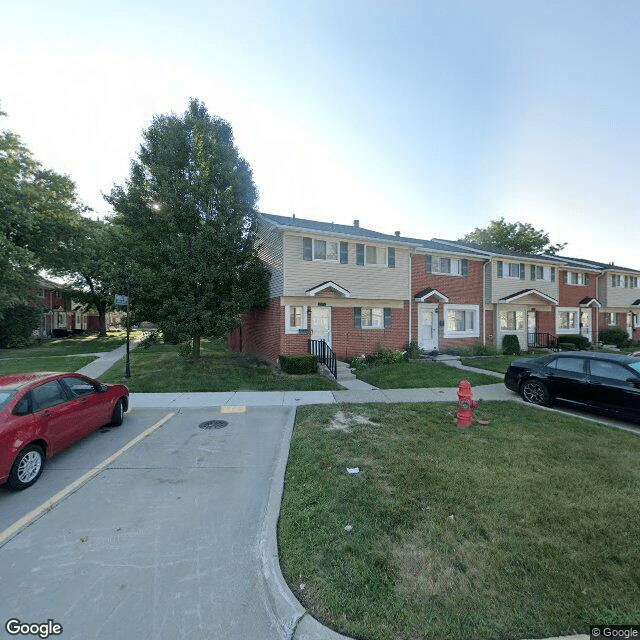
25901 Jeanette Ct, Roseville, MI 48066
To contact a resident: (810) 778-3740
For more information about senior living options: (866) 208-4318
Overall Review of New England Townhouses Co-Op
Pros
 Residents love living in NETH.
- The association fee is low, less than an apartment.
- Neighbors are great and the neighborhood is wonderful.
- Maintenance and management are responsive.
- Lawn care and snow plowing are provided.
- There are frequent events at the clubhouse for members.
- The office is responsive to owners' needs and friendly to work with.
- The community is great to live in or raise a family.
Cons
 There are troublemakers living at NETH who won't straighten up and could be evicted.
- They don’t fix the units if you aren’t part of their clique.
- The association fees keep going up.
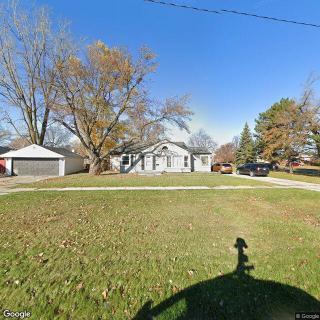
- The units look terrible while more money is spent on the office, hall, street, and trees.
- Management is terrible and there are perceived cliques.
- Customer service is terrible and they can’t answer simple questions on the phone.
- They have kids spying on residents.
- This place is one to avoid.
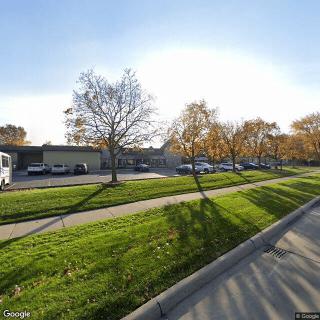
- The parking system is poor.
Review
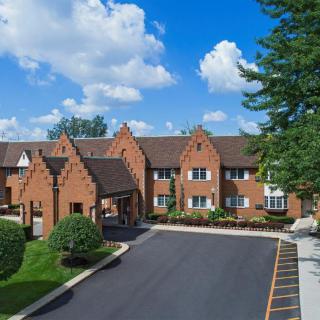
New England Townhouses Co-Op in Roseville is best suited for cost-conscious families and long-term residents who want an affordable, low-hassle, community-focused home. The vibe centers on value: a modest association fee that is less than a typical apartment rent or mortgage, dependable lawn care and snow removal, and a clubhouse that hosts activities for neighbors. Maintenance and management are described as responsive, with practical support when issues arise. Residents report stability over years, with many choosing to raise families on site and stay long term, which translates into predictable neighbor dynamics and a built-in social network.
However, this isn’t for everyone. Those who demand seamless, universally professional management with impeccable, uniform service across all units may want to look elsewhere. Several reviews highlight a cliquish atmosphere and uneven handling of repairs, where units can lag if not part of the favored circle. Phone responsiveness and customer service have been criticized, and some residents feel the office concentrates effort on the public-facing improvements rather than the interior units. Parking is mentioned as a bugaboo, implying that a more robust and transparent parking system could be important for commuters or larger households. For buyers seeking a fully neutral, consistently administered property with strict equal treatment, alternatives are worth exploring.
Yet the positive features have teeth. The strongest offset to the downsides is cost discipline and practical convenience. The low association fee helps keep housing costs predictable, while lawn and snow care reduce daily chores, and the maintenance responsiveness can be a real relief for owners who want quick fixes without fighting for attention. The ability to customize the interior gives real flexibility for those who want to personalize their space, a luxury that often disappears in more regimented communities. The social fabric , neighbors who are described as friendly and supportive , creates a supportive living environment, especially for families who value safety and a strong sense of community. In short, the bankable benefits can genuinely improve quality of life, provided the governance and service alignment match expectations.
Still, governance matters. The reviews point to a strict stance on rule enforcement, including eviction of persistent troublemakers, which signals a protective but potentially punitive climate. Some residents describe management as outdated and disconnected from day-to-day needs, and the so-called 'clicks' can leave non-participants feeling overlooked. The combination of rising fees and visible emphasis on office and public-space maintenance can create a perception that interior unit repairs and responsiveness are deprioritized. These dynamics do not automatically disqualify the community, but they do recalibrate risk: where a family or individual heavily relies on predictable service and inclusive communication, alternatives with more consistent governance may be worth weighing.
For a disciplined buyer, the approach is clear: tour the property with a purpose. Seek recent maintenance timelines for unit issues, ask for the current association financials, and verify what the fees cover versus what is billed separately. Probe parking arrangements and enforcement history, and get a candid sense of how disputes are resolved. Talk to a variety of residents about how quickly repairs are completed, how approachable the office is, and whether there is genuine equity in responsiveness across units. Confirm whether there is an improvement plan to address unit conditions and whether the board's stance on rule enforcement aligns with personal expectations. If independence in decorating and living without constant governance is essential, or if a non-partisan, well-staffed management approach matters, this is a critical test.
Bottom line: New England Townhouses Co-Op offers a practical, affordable home for families and long-term residents who value neighborly life and straightforward upkeep. The pros , low fees, routine maintenance, communal events, and interior customization , can outweigh the cons for those who prize stability and social connection. But for buyers who demand uniformly high service standards, transparent management, and neutral, non-partisan administration, alternatives should be actively considered. The choice hinges on weighting community warmth and cost against consistency of service and governance. A deliberate visit, informed questions, and a close read of the association’s policies will determine whether this co-op becomes a long-term home or a lesson in what to avoid for those prioritizing frictionless ownership.
 Board and Care Home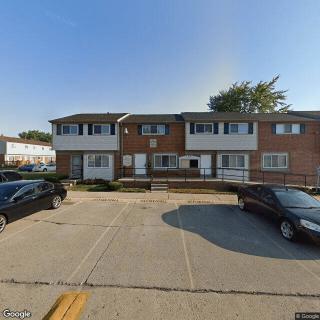



 Comprehensive Insights and Practical Strategies to Help Older Adults Avoid Falls
 6 Crucial Ways an Elder Law Attorney Assists Families
 Navigating the Tax Landscape of Caregiving: Credits, Deductions, and Beyond