
34350 Ann Arbor Tr, Livonia, MI 48150
For more information about senior living options: (866) 208-4318
Overall Review of St Jude Nursing Center
Pros
 The staff at St. Jude Nursing Center are welcoming and friendly.
- The therapy team helps residents regain mobility.
- The facility offers a lively daytime atmosphere with ongoing activities.
- The social worker helps residents access subsidized housing.
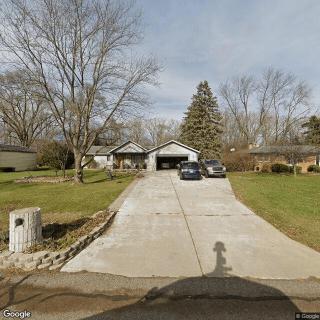
- The grounds are private, beautiful, and set in a picturesque cul-de-sac.
- The staff and management are professional, caring, and treat residents like family.
- Saint Jude Rehabilitation and Nursing Center is described as an excellent and highly recommended place for a loved one.
- The resident rooms are beautiful and offer picture-perfect views.
Cons
 The facility is old, outdated, poorly managed and understaffed with supplies in short supply.
- It is not an uplifting place to be ill at.
- A resident wandered away from the facility and was found on a busy road, indicating insufficient supervision.
- Staff reportedly transported the elderly man to their car with absolutely no concern for his well-being.
- The aides and security officer were described as rude and unprofessional.
- The environment was very dark, with hardly any lights, and smelled horribly of urine and feces.
- The ward was filthy, with cobwebs, dirty curtains, torn netting, and exposed wiring.
- The reviewer would never put anyone they love in the facility's care.
- The reviewer felt that the state should not allow the facility to remain open and that the owners should be ashamed.
Review
St. Jude Nursing Center in Livonia is best suited for families seeking an active, therapy-forward setting where daily life centers on structured programs, social engagement, and visible staff involvement. The facility earns traction for residents who respond well to rehabilitation-focused care and who thrive in a day-to-day rhythm built around mobility work, group activities, and practical support from a social worker. It can be a reasonable fit for someone moving from hospital discharge who wants to regain independence and possibly transition to subsidized housing with ongoing assistance. Those prioritizing a quiet, pristine, modern environment with uniform staffing and stringent safety standards should look elsewhere.
The facility’s strongest cards are a warm, welcoming front-end experience and a robust therapy orientation. Several accounts praise friendly staff, helpful therapy teams that enable real progress in walking and mobility, and a lively daytime atmosphere with consistent activities. The social worker’s role in navigating housing options and subsidies adds practical value for families trying to plan longer-term care transitions. Tours and initial impressions can feel unusually encouraging, with visitors often impressed by the perceived dedication of the therapy staff and the sense that residents are engaged in meaningful programming during the day.
Yet those positives sit alongside a troubling set of red flags. Multiple reviewers describe the building as old and outdated, with dim lighting, exposed wiring, and a markedly dark, almost neglected feel in some areas. Complaints about odors, cobwebs, and dirty conditions in patient rooms or common spaces raise legitimate concerns about cleanliness and maintenance. Reports of under-staffing and shortages of supplies compound safety worries, while one account highlights a concerning incident where a wandering resident was found far from the facility and not promptly assisted in a way that would reassure a family. Communication gaps, such as delays in returning calls or insufficient follow-up after safety or logistical events, also recur in the feedback.
These significant drawbacks do not vanish when weighed against the advantages. The strongest upside, the therapy team’s ability to drive functional gains and the supportive, engaging daytime culture, can deliver real value for residents focused on rehab and social involvement. A dedicated staff and an active environment can help mood and motivation, and the social work component provides practical assistance that families often need. However, the safety and cleanliness concerns are not peripheral; they directly affect day-to-day well-being and risk, and they challenge the sense of security that many families expect from a senior-care setting. In short, the pros can deliver meaningful outcomes, but the cons undermine confidence in sustaining long-term care here without careful oversight.
For families weighing the decision, focus on what matters most to the individual resident. If rehab progress, social engagement, and consistent staff attention are the top priorities, and there is tolerance for variability in upkeep and safety concerns, this center can still be a viable choice, especially if a strong plan is in place for ongoing therapy and transition support. Prospective residents should insist on an in-person assessment of cleanliness, safety measures, and staffing levels on multiple shifts. Engage directly with therapy and social work teams to understand what concrete goals and timelines look like, and request recent quality metrics or state-inspection feedback. Ask about plans to address any maintenance or safety gaps and verify there is a clear escalation path if concerns arise.
The bottom line is practical and clear. St. Jude Nursing Center serves a niche of families seeking an active rehab-leaning environment with a warm, engaged staff and meaningful daily programming. For those who prize modern facilities, pristine upkeep, and ironclad safety practices, alternatives in Livonia and surrounding communities deserve serious consideration. This community can be a good fit when mobility goals and social activity are central, provided there is explicit attention to building improvements, staffing consistency, and rigorous, transparent safety protocols.
 64 resident community capacity
 Skilled Nursing Facility
 Air-conditioning
 Beauty salon
 Cable or satellite TV
 Computer center
 Dining room
 Fitness room
 Fully furnished
 Gaming room
 Garden
 Housekeeping services
 Kitchenette
 Move-in coordination
 Outdoor space
 Private bathrooms
 Restaurant-style dining
 Small library
 Telephone
 Wellness center
 Wi-Fi/high-speed internet available
 Detroit Metropolitan-Wayne County (10 miles away)
 Community operated transportation
 12-16 hour nursing
 24-hour call system
 Activities of daily living assistance
 Assistance with bathing
 Assistance with dressing
 Assistance with transfers
 Diabetes diet
 Medication management
 Mental wellness program
 Special dietary restrictions
 Concierge services
 Planned day trips


 Understanding the Full Cost of 24/7 In-Home Care: A Detailed Overview
 Exploring the World of Home Health Nurses: Qualifications, Roles, and Hiring Tips
 Navigating Medicare Coverage for In-Home Care Services