
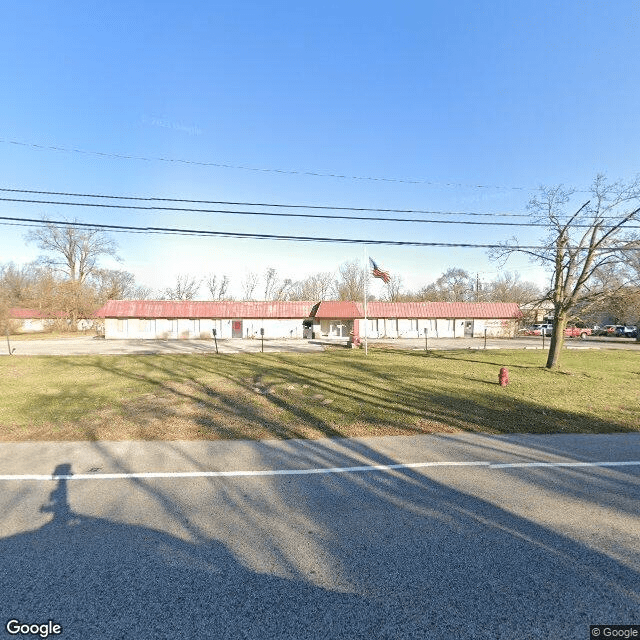
35100 Ann Arbor Trail, Livonia, MI 48150
To contact a resident: (734) 522-1444
For more information about senior living options: (866) 208-4318
Camelot Hall Convalescent Center Costs & Pricing
Camelot Hall Convalescent Center offers competitive pricing for its residents, with both private and semi-private rooms available at a monthly rate of $4,650. This rate is notably higher than the average costs within Wayne County, where private rooms are typically around $3,335 and semi-private accommodations are approximately $2,860. Even when comparing to the broader state average in Michigan - $3,675 for private rooms and $3,191 for semi-private options - Camelot Hall stands out as a premium choice. The elevated costs may reflect enhanced services or amenities aimed at ensuring comfort and quality care for residents.
| Floor plans | Camelot Hall Convalescent Center | Wayne County | Michigan |
|---|---|---|---|
| Private | $4,650 | $3,335 | $3,674 |
| Semi-Private | $4,650 | $2,860 | $3,189 |
Overall Review of Camelot Hall Convalescent Center
Pros
 The staff are caring and make residents feel safe and comfortable.
- Admissions staff are diligent, and the nurses are informative.
- The kitchen staff provides great service.
- Camelot Nursing Facility delivers excellent patient care, and the vast majority of residents are happy there.
- Residents are treated like family with great respect and dignity by the staff.
- The facility is clean, well-maintained, and does not smell.
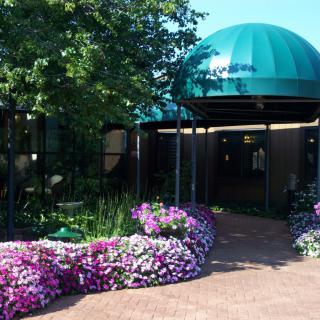
- The grounds are pretty and well-maintained in a pleasant suburban setting.
- The food is really good.
Cons
 The nurses were unresponsive and rude.
- There was usually only one nurse for the entire floor.
- The food was awful, and the candy machine dispensed melted candy.
- There were no activities for seniors; residents were just wandering and asking for help.
- They feared for their mother's life due to potential medication errors or tampering with her food.
- A PIC line infection required a return to the hospital.
- The staff were seen asleep at the nurses' station while alarms were ringing.
- Residents were left in bed all day with little to no physical therapy.
- The facility was unprofessional, understaffed, and smelled.
Review
Camelot Hall Convalescent Center in Livonia is best suited for families seeking an affordable, basic care environment where some staff members genuinely care and where respite or short-term rehab can work within a tight budget. It can serve seniors who face financial constraints and who value a straightforward, clean setting with an uncomplicated admissions process. However, it is not ideal for residents with high acuity who rely on consistently vigilant nursing, frequent therapy, and rapid, reliable response to needs. Families should not hinge long-term placement on hopes of uniformly strong care; preparation to supervise daily routines and advocate for the resident is essential.
For those weighing alternatives, the standout caveat is clear: if reliable, high-touch nursing care, robust clinical oversight, and rich daily programming matter, other options deserve serious consideration. Residents who are nonverbal, have complex medication schedules, or require intensive therapy and vigilant monitoring will likely feel vulnerable here. Facilities with higher staffing ratios, stronger wound and infection control protocols, and demonstrable consistency in response times typically deliver safer, more predictable care for long-term residents and those with demanding care plans.
The review landscape is sharply divided on what Camelot Hall delivers. On the plus side, there are reports of friendly admissions staff, occasional helpful nursing aides, and moments of genuine warmth that can reassure families during transitions. Some residents enjoy decent meals, engaging activities when scheduled, and a sense of safety from staff who seem to care. For respite stays in particular, these elements can translate into a tolerable, even pleasant, temporary home. Yet the positive signals are uneven, and the most fragmentary experiences emphasize structural problems that undermine the overall value proposition.
The main concerns center on staffing and day-to-day responsiveness. Recurrent complaints point to under-staffing, nurses who appear distracted or unreceptive, and call lights that go unanswered for extended periods. Reports of missed or mishandled medications, lapses in routine physical therapy, and lapses in basic hygiene paint a troubling picture for residents who depend on reliable care. In several accounts, residents developed bedsores or infections, and family members describe a pattern of care that feels reactive rather than proactive. These safety and quality gaps are difficult to offset with occasional kindness or a pleasant dining room experience.
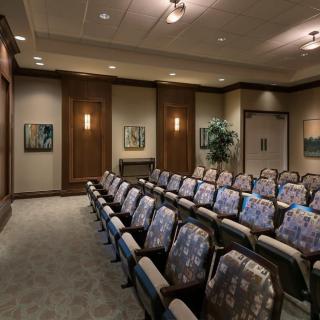
Environmental and activity factors complicate the decision. While some observers praise the facility’s clean appearance, well-kept grounds, and welcoming common spaces, others describe an atmosphere that can feel unengaging or indistinct in its programming. The contrast suggests uneven execution: certain staff members and departments perform well, while others fail to maintain consistent activity schedules or restorative therapies. For families prioritizing meaningful daily engagement and structured rehabilitation, this inconsistency becomes a critical consideration, and site visits should focus on the cadence of therapy, the availability of social and cognitive activities, and how residents are encouraged to participate.
Ultimately, Camelot Hall presents a mixed value proposition. It can accommodate budget-sensitive families who want a safe, orderly setting with basic care and some compassionate staff moments, particularly for short-term needs or respite. However, for residents requiring dependable daily nursing care, aggressive prevention of complications, and proactive therapy and activity engagement, alternatives are warranted. The prudent path is to conduct direct, in-person assessments, ask about nurse-to-patient ratios on each shift, request a current care plan with specific targets, review recent state inspection findings, and verify the availability of PT/OT and wound care. If Camelot Hall is chosen, set clear expectations, insist on regular progress updates, and maintain an active family advocate presence to monitor safety and quality over time.
 122 resident community capacity
 Skilled Nursing Facility
 Activities off-site
 Air-conditioning
 Bath tubs
 Beautician on-site
 Cable or satellite TV
 Computer center
 Devotional services on-site
 Dining room
 Fitness room
 Fully furnished
 Gaming room
 Garden
 Housekeeping services
 Indoor common areas
 Kitchenette
 Move-in coordination
 Outdoor common areas
 Private
 Private bathrooms
 Respite or short term stays offered
 Restaurant-style dining
 Small library
 Telephone
 Wellness center
 Wheelchair accessible showers
 Wi-Fi/high-speed internet available
 Detroit Metropolitan-Wayne County (10 miles away)
 Community operated transportation
 12-16 hour nursing
 24-hour call system
 Assistance with bathing
 Assistance with dressing
 Assistance with transfers
 Diabetes diet
 High acuity care
 Incontinence care
 Medication management
 Mental wellness program
 Special dietary restrictions
 Concierge services
 Planned day trips

 6 Crucial Ways an Elder Law Attorney Assists Families
 Navigating the Tax Landscape of Caregiving: Credits, Deductions, and Beyond
 Highly Beneficial Low-Impact Exercises for Senior Living Residents