Residents and families frequently describe meaningful rehabilitation support.
Many reviews highlight therapy teams that help residents improve mobility and regain strength, with specific praise for physical therapy and the rehab department. Several people describe progressing to walking or more independence after starting in a wheelchair or post-hospital. In addition to hands-on therapy, families also mention an on-site social worker supporting transition home after services.
common25 reviews mention this
Staff kindness stands out
A large share of reviews describe staff members as kind and attentive.
Across reviews, residents and families repeatedly say the staff treats people with respect and focuses on comfort and responsiveness. Several describe staff members speaking with residents in a way that feels personal, and others mention nursing staff communication and overall helpfulness. Some reviews also mention better daily experience tied to warmth and supportive interactions, including for end-of-life or hospice stays.
caveat12 reviews mention this
Cleanliness and call response vary
Some reviews raise concerns about cleanliness and delayed responses.
A recurring negative theme is unsanitary conditions, including lingering urine odors, dirty rooms, and missed cleaning or changing needs. Multiple reviews also describe slow help-call response times or residents left waiting for assistance. While a number of other reviews are positive, these complaints are specific enough to suggest inconsistent experiences for some residents.
common6 reviews mention this
Food support is discussed
Dining appears in both praise and cautionary feedback.
Some reviews include positive comments about dining variety and how meals fit daily routines during rehab or long-term stays. At the same time, other feedback criticizes meals in terms of balance and residents’ needs. Separately, the community indicates it accommodates diabetes diets and special dietary restrictions through care services.
How we summarize
Counts show how many written reviews mention each theme; a review can touch several themes, and only frequently mentioned themes are displayed.
The guide on blood pressure charts for older adults stresses the importance of understanding normal and high blood pressure readings influenced by age, genetics, and lifestyle, while emphasizing regular monitoring and lifestyle modifications to prevent serious health issues. It provides insights into blood pressure categories, dietary recommendations, medication considerations, and the role of caregivers in supporting healthy habits.
The article explores the complexities of using Social Security to finance long-term nursing home care in the U.S., detailing eligibility requirements and misconceptions, while emphasizing that these benefits often do not cover full costs and highlighting the need for strategic financial planning and professional guidance.
Pneumonia significantly affects older adults due to weakened immune systems and atypical symptoms that complicate diagnosis, necessitating early detection and tailored treatment. Risk factors include chronic diseases and cognitive impairments, with preventive measures like vaccinations and healthy lifestyles being crucial for reducing risk.
Get PricingAsk A QuestionSchedule A TourContact Senior Advisor
By clicking submit, you agree to our Partner's Terms of Use. You
also consent to receive calls and texts, which may be autodialed, from our Partner. Your consent is not a condition to
using our Partner's service. Please visit our Partner's Privacy Policy for information about their privacy practices.

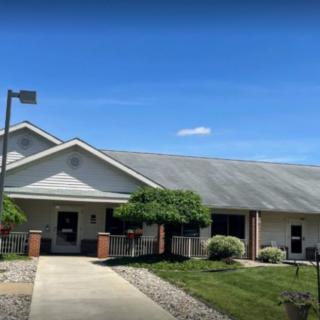
 167 resident community capacity
 Skilled Nursing Facility
 Air-conditioning
 Beauty salon
 Cable or satellite TV
 Computer center
 Dining room
 Fitness room
 Fully furnished
 Gaming room
 Garden
 Housekeeping services
 Kitchenette
 Move-in coordination
 Outdoor space
 Private bathrooms
 Restaurant-style dining
 Small library
 Telephone
 Wellness center
 Wi-Fi/high-speed internet available
 Bishop (3 miles away)
 Community operated transportation
 12-16 hour nursing
 24-hour call system
 Activities of daily living assistance
 Assistance with bathing
 Assistance with dressing
 Assistance with transfers
 Diabetes diet
 Medication management
 Mental wellness program
 Special dietary restrictions
 Concierge services
 Planned day trips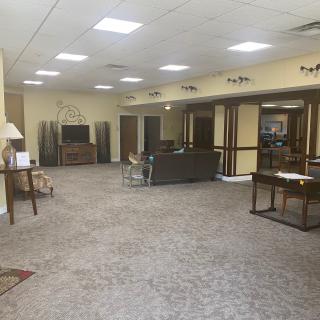
 Friendly, attentive staff and a warm, home-like atmosphere with engaging activities.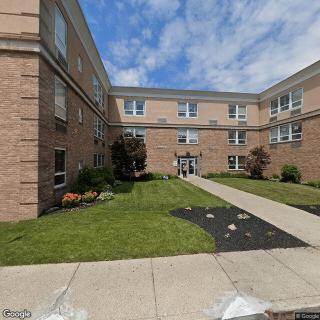

 Comprehensive Guide to Blood Pressure Charts for Older Adults: Understanding Normal and High Readings by Age
 Financing Long-Term Nursing Home Care Through Social Security: A Thorough Exploration
 Essential Knowledge on Pneumonia in Older Adults