
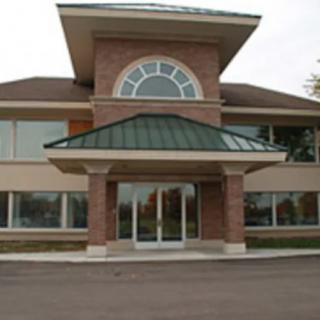
5555 Conner St, Detroit, MI 48213
To contact a resident: (313) 579-4000
For more information about senior living options: (866) 208-4318
Overall Review of Mercy Primary Care Ctr
Pros
 Dr. Williams and Dr. Myers are excellent.
 - The office staff and the security guard are very loving, kind, and caring.
- Dr. Pamela Berry is sincere and phenomenal.
- The staff are extremely caring and devoted, going the extra mile and communicating at every step.
- Mercy Primary Care provides prescriptions and referrals at no out-of-pocket cost when there is no medical coverage, with courteous and experienced care.
- A patient would not take their primary care elsewhere after five years.
Cons
 The service was terrible.
- The receptionists provide poor service and speak in an inappropriate manner.
- The staff are rude.
- The facility has very poor professional ethics.
Review
This Mercy Primary Care Center in Detroit is best suited for adults who want a medical home with deeply caring clinicians and strong continuity of care. The practice is notably effective for patients who value ongoing relationships with doctors they can trust, and who appreciate the ability to obtain prescriptions and referrals without excessive out-of-pocket costs when coverage is lacking. The standout physicians and consistently devoted staff create a sense of reliability for routine care, chronic disease management, and steps in between visits. In particular, patients who prioritize a familiar, long-term care team, where a physician or two has earned their loyalty over years, will find substantial value here. The core appeal rests on medical accessibility and a culture of going the extra mile to keep patients informed and cared for, even in the face of systemic healthcare friction.
Those who may want to consider alternatives are mainly those who demand uniformly polished administrative performance and consistently courteous front-desk service. Several reviews flag problematic reception-area interactions and inconsistent ethics perceptions, suggesting that the patient experience can vary depending on who answers the phone or checks you in. For newcomers seeking a seamless first impression, or for individuals who rely on consistently smooth scheduling and a consistently respectful administrative tone, other practices may deliver a more predictable customer service arc. In short, the medical team can be superb, but the front-end experience is not uniformly reliable.
The strongest pros center on the clinical team. Dr. Williams and Dr. Myers are repeatedly praised for their competence and engagement, while Dr. Pamela Berry is highlighted as exceptionally sincere and patient-centered. The consistent messaging across reviews is that the physicians here are capable, empathetic, and attentive, doctors who listen, explain, and stay engaged with a patient’s trajectory. Equally important is the staff’s willingness to communicate at every step, which translates into better coordination for tests, referrals, and follow-up, reducing the risk of fragmented care. For patients who need a trusted medical voice that will stay with them through multiple visits and care milestones, this is a meaningful advantage that can offset many logistical headaches.
The principal drawbacks lie with reception and perceived ethics variances. Multiple posts describe rude or insufficiently professional receptionists, raising concerns about how administrative interactions color the overall experience. The tension between premier clinical care and uneven front-desk conduct can undermine convenience and trust, particularly for new patients unfamiliar with the workflow. A subset of reviews even questions professional ethics, signaling that certain encounters have left some patients wary about personal information handling or overall treatment philosophy. These cons do not erase the medical strengths, but they do complicate the decision for individuals who value a consistently smooth, respectful customer service environment.
When weighing pros against cons, the offset tends to favor those who place medical relationship quality at the top of their decision criteria. The ability to secure affordable prescriptions and referrals without dragging financial anxiety into every visit is a tangible, meaningful benefit for many, especially seniors or those without robust insurance. The high level of clinician engagement can drive better adherence to treatment plans and more proactive management of chronic conditions. However, the offset is not universal: the variability in administrative interactions and the ethical perception gap can erode confidence and create barriers to timely access, such as appointment scheduling or check-in friction. For patients who value structure and predictability in every touchpoint, these gaps may tip the balance toward alternatives.
Actionable steps for potential patients are clear. First, arrange an initial meet-and-greet with one of the trusted physicians, Dr. Williams, Dr. Myers, or Dr. Berry, to assess alignment on communication style, responsiveness, and shared decision-making. Second, probe the front desk experience during peak hours to gauge consistency in courtesy, efficiency, and information handling. Third, confirm cost-related questions up front: what happens when insurance coverage is limited, what aftercare options exist, and how prescriptions or referrals are managed without out-of-pocket burden. Fourth, clarify the process for referrals to specialists and how delays are communicated and mitigated. Finally, evaluate transportation convenience, appointment availability, and the practice’s capacity to coordinate with any external clinicians the patient already sees. These checks will reveal whether Mercy Primary Care Center can deliver sustained medical stability with the administrative ease expected by discerning seniors and caregivers.
In sum, Mercy Primary Care Center is a practical, high-value choice for adults who prize dependable medical relationships and accessible cost relief over perfectly uniform administrative polish. It delivers substantial clinical strength through trusted doctors and a caring staff that genuinely strives to support patients at every stage. Yet potential buyers should enter with eyes open about the possibility of inconsistent front-desk interactions and the perception that professional ethics vary across staff. For families that can tolerate or mitigate those administrative gaps, the clinic offers a solid, experienced primary care home in Detroit that can meaningfully improve health management and day-to-day wellbeing.
 Skilled Nursing Facility
 Detroit Metropolitan-Wayne County (22 miles away)



 Comprehensive Insights and Practical Strategies to Help Older Adults Avoid Falls
 6 Crucial Ways an Elder Law Attorney Assists Families
 Navigating the Tax Landscape of Caregiving: Credits, Deductions, and Beyond