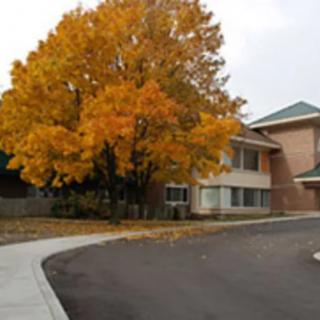
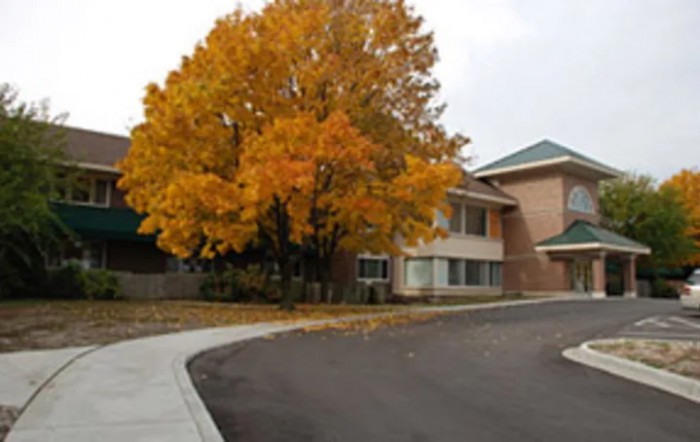

5201 Conner, Detroit, MI 48213
For more information about senior living options: (866) 208-4318
Overall Review of Omni Continuing Care
Pros
 Melinda is an asset to this facility and is extremely polite, providing excellent customer service.
- Sherry, the Business Office Manager, and Tiffany, the Social Worker, are outstanding.
- Tiffany goes above and beyond her job description to help my brother.
- Sherry is extremely informative and knowledgeable about her job.
- The group of individuals mentioned makes this nursing home phenomenal.
- The faculty and administration are courteous and friendly.
Cons
 The rooms are overcrowded and have poor circulation.
- The administrators appear to care when talking to caregivers, but behind the scenes they are inadequate at managing the staff.
- The staff are inadequate and left patients unattended for hours after dialysis, when patients should be relieved from the dialysis pain.
- The dietary program is poor, with residents receiving high-sodium meals for weeks even after being informed.
- The facility claims weekly activities are provided, but the only activities observed were casino and park visits, likely arranged for staff rather than residents.
- The facility should be reported to the state.
- The facility is dirty, smelling of urine and feces; a resident was found covered in dried feces for an extended period.
- Staff were too busy on their phones to respond to assistance; a ventilator came off and staff did not promptly fix it.
- A resident was found with bruises and a black eye.
- The reviewer would not recommend the facility.
- A bug crawled in a resident’s bed for hours, and a nurse mishandled a hose near the resident’s airway, risking aspiration.
Review
Omni Continuing Care in Detroit is best suited for families seeking a budget-conscious option where administrative staff are responsive at intake and willing to engage, and where caregivers are prepared to stay actively involved in daily oversight. It works for those who can tolerate a hands-on approach to care management, because family members may need to monitor routines, communicate needs, and push for accountability. It is not a fit for residents with high medical complexity or those requiring steady, reliable nursing supervision and real-time, on-the-floor care that meets urgent needs without delay.
Those considering alternative communities should focus on facilities with proven, consistent nurse staffing, strong infection control practices, and transparent everyday operations. If safety, predictable daily care, and a clean, dignified living environment are nonnegotiable, Omni’s drawbacks are likely to be unacceptable. Prospective families should weigh whether administrative accessibility justifies enduring significant gaps in bedside care, or if a facility with more robust clinical oversight will deliver peace of mind and fewer on-site red flags.
On paper and in small moments, there are commendable bright spots. Front-line administrative and office personnel, specifically certain individuals who answer phones, manage admissions, and advocate for residents, stand out as genuine assets. Their professionalism and willingness to assist create in-season pockets of trust and continuity for families trying to coordinate care. These leaders signal a culture that, in the right hands, can support a positive experience if daily on-floor care were consistently aligned with that standard.
But the most troubling realities overshadow those bright spots. Reports emerge of overcrowded rooms and poor circulation, with some accounts describing rooms that feel cramped and poorly maintained. Floor staffing has been described as insufficient, with episodes where patients were left unattended for extended periods after procedures like dialysis, treatment completed, relief delayed by hours. Dietary choices have also been flagged as mismatched with medical guidance, including long stretches of high-sodium meals. Add in claims of unmet activities, a persistently unclean environment, and alarming on-site incidents, and the risk calculus shifts decisively toward caution.
Environmental and safety concerns recur in multiple accounts: pervasive odors, insistence that assistance call bells go unanswered, and several disturbing anecdotes about bruising, mishandling, or neglect. Observations of contaminated beds, pests, and equipment mishaps compound the concern that daily consequences for residents may extend beyond discomfort into harm. While some staff may be helpful, the pattern described points to systemic challenges in care delivery, challenges that family members should verify through direct observation, ask for concrete remediation timelines, and insist upon measurable improvements.
For families weighing a decision, the practical path is clear: conduct a rigorous, in-person assessment focused on staffing levels during different shifts, response times to calls, and the facility’s infection-control practices. Request recent state and regulatory inspection results, a detailed care plan for any resident with dialysis or other medical needs, and a transparent, dated schedule of activities with actual participation records. Insist on a live tour of rooms to gauge cleanliness, space, and circulation. If a decision leans toward Omni, establish explicit expectations, a written escalation process, and frequent caregiver check-ins to ensure accountability and timely intervention when concerns arise.
 136 resident community capacity
 Skilled Nursing Facility
 Air-conditioning
 Beauty salon
 Cable or satellite TV
 Computer center
 Dining room
 Fitness room
 Fully furnished
 Gaming room
 Garden
 Housekeeping services
 Kitchenette
 Move-in coordination
 Outdoor space
 Private bathrooms
 Restaurant-style dining
 Small library
 Telephone
 Wellness center
 Wi-Fi/high-speed internet available
 Detroit Metropolitan-Wayne County (23 miles away)
 Community operated transportation
 12-16 hour nursing
 24-hour call system
 Activities of daily living assistance
 Assistance with bathing
 Assistance with dressing
 Assistance with transfers
 Diabetes diet
 Medication management
 Mental wellness program
 Special dietary restrictions
 Concierge services
 Planned day trips





 Understanding Hospice Care at Home: Comprehensive Services, Key Benefits, and Eligibility
 Understanding the Full Cost of 24/7 In-Home Care: A Detailed Overview
 Exploring the World of Home Health Nurses: Qualifications, Roles, and Hiring Tips