
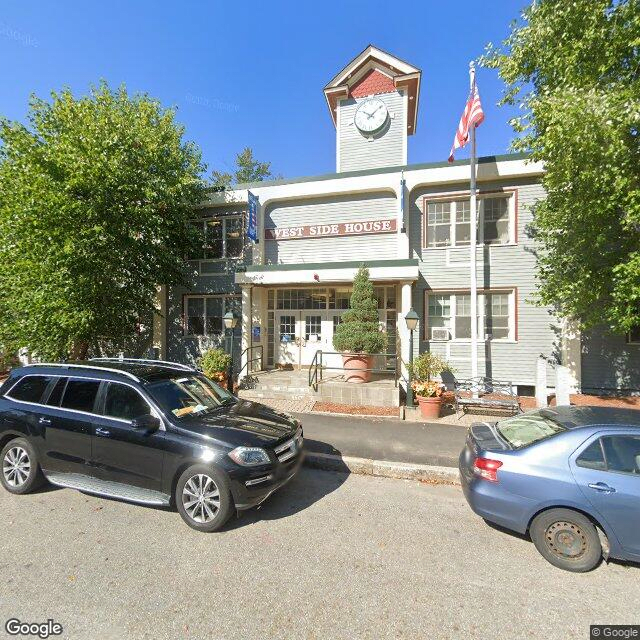
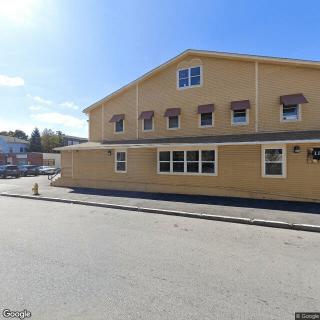
35 Fruit St, Worcester, MA 01609
To contact a resident: (508) 752-6763
For more information about senior living options: (866) 208-4318
West Side House Nursing Home Costs & Pricing
West Side House Nursing Home offers competitive pricing for its residents, particularly when compared to the broader costs in Worcester County and the state of Massachusetts. For a studio room, West Side House charges $2,195 per month, significantly lower than the county average of $5,109 and the state average of $5,312. Similarly, their one-bedroom units are priced at $2,595, which is more affordable than both Worcester County's average of $4,661 and Massachusetts's average of $5,349. Even for two-bedroom accommodations at $2,695 per month, West Side House remains attractive compared to the county's rate of $5,131 and the state's average of $6,151. This pricing strategy not only makes West Side House a practical choice for families seeking quality care but also highlights its commitment to providing accessible senior living options in a competitive market.
| Floor plans | West Side House Nursing Home | Worcester County | Massachusetts |
|---|---|---|---|
| Studio | $2,195 | $5,109 | $5,312 |
| 1 Bedroom | $2,595 | $4,661 | $5,349 |
| 2 Bedrooms | $2,695 | $5,131 | $6,151 |
Skilled Nursing Facilities with a similar price nearby
-
from +$375 / mo
St Patrick's Manor
$2,570 to $3,400 / month19.7 miles away
Overall Review of West Side House Nursing Home
Pros
 The staff at West Side House in Worcester is caring, professional, and easy to work with.
- The reviewer is very satisfied with the care their loved one is receiving there.
- The reviewer would recommend West Side House to others in similar situations.
Cons
 The facility is described as a for-profit organization.
- It has no continuing care and is disguised as a facility to help those with TBI.
- Visits are not permitted without prior approval, which was never granted for the last year of the patient’s life.
- The patient died after just two years there while on a ventilator.
- The reviewer states the facility should be avoided at all costs.
Review
West Side House Nursing Home in Worcester is best suited for families seeking skilled nursing care specifically for loved ones with traumatic brain injuries who also need a facility that accepts a broad range of insurance plans. The most tangible win here is the staff dynamic: reviewers describe caregivers as caring, professional, and easy to work with, which matters deeply when decisions hinge on day-to-day comfort and reliable hands-on care. For families navigating insurance hurdles and the specialized needs that TBI patients present, this facility can feel like a practical, less-fractured path to admission and ongoing care.
That practicality comes with clear caveats. Those who require consistent long-term planning beyond the skilled-nursing phase should consider alternatives. The negative review raises red flags about access and continuity of care: visits reportedly required prior approval and were not always granted, and the patient’s later years involved limited medical appointments and no guaranteed continuation of care. In short, a for-profit environment with potential constraints on family involvement and a lack of guaranteed post-SNF pathways can undermine the stability families seek when a loved one’s recovery or ongoing needs extend past the basic SNF model.
The core advantages, the staff’s evident dedication, the facility’s focus on TBI, and the acceptance of various insurance plans, do offset some of the major concerns, but not completely. Caring, professional caregivers can transform day-to-day routines, adjust care plans quickly, and communicate with families, which reduces the friction many facilities create for insulated families. The TBI-specific focus means care protocols, therapy coordination, and daily supports are more likely to be aligned with the typical needs of these patients, potentially lowering the risk of missed or delayed interventions compared with general SNFs. Insurance compatibility also reduces financial uncertainty at admission, a meaningful practical relief for families already juggling medical costs.
Yet the most troubling issues lie in governance and access. The suggestion that the facility is oriented more toward profit than continuing, comprehensive care cannot be dismissed without due diligence. For families, that translates into two concrete questions: what is the facility’s policy on family access to residents, and what formal arrangements exist for ongoing, post-acute or long-term care if a resident’s condition requires progression beyond skilled nursing? If the answer is opaque or restrictive, the perceived value of the positives can erode quickly. Additionally, reports of limited engagement with medical appointments and a lack of transparent continuity planning point to potential gaps in coordinating care across providers, which is crucial for TBI patients.
Decision-making should focus on concrete assurances before committing. Prospective residents’ families should demand current visitation policies in writing, clarification on who can approve visits and under what circumstances, and a clear map of how continuing care is addressed if patient needs evolve. It is essential to tour with a checklist: staffing ratios per shift, qualifications of the rehabilitation team, proof of coordination with the patient’s existing clinicians, and the facility’s track record for timely medical appointments. Also compare with nearby options that offer non-profit governance, demonstrable long-term care pathways, or a more transparent approach to family involvement.
In the end, West Side House presents a pragmatic option for TBI-focused skilled nursing with insurance flexibility and a responsive, caring staff core. However, significant caveats exist around for-profit structure, guaranteed continuing care, and potential visitation restrictions. Families whose priorities include unwavering access to loved ones, clear long-term care planning, and less ambiguity about ongoing care should scrutinize alternatives. For those comfortable with a for-profit setting and confident in obtaining explicit assurances about visitation and care transitions, West Side House can be a viable fit. Proceed with rigorous inquiries and a candid assessment of whether the trade-offs align with the long-term needs and values of the loved one.
 Skilled Nursing Facility
 Worcester Regional (3 miles away)



 Effective Strategies for Keeping Seniors' Minds Active: A Deep Dive into Brain Games and Apps
 In-Depth Look at the VA Aid and Attendance Program
 Nurturing Our Loved Ones: A Daughter's Journey in Caring for Her Mother