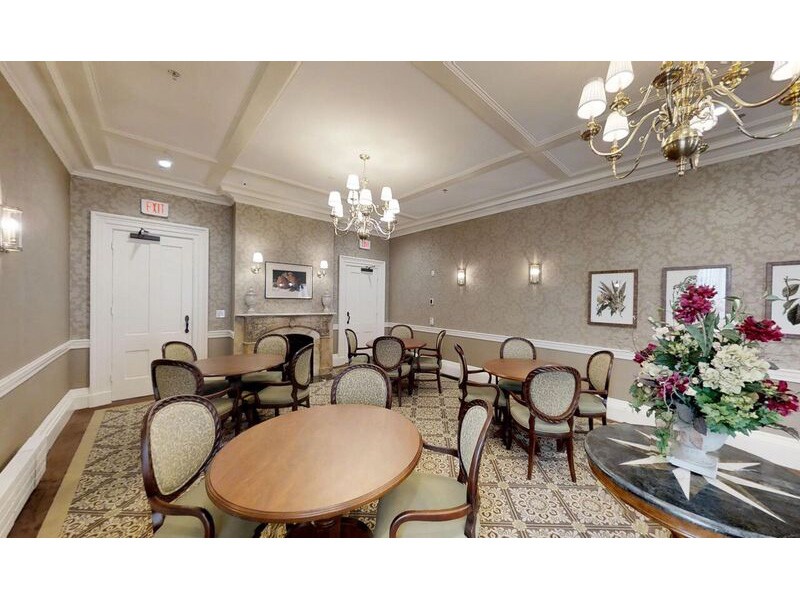



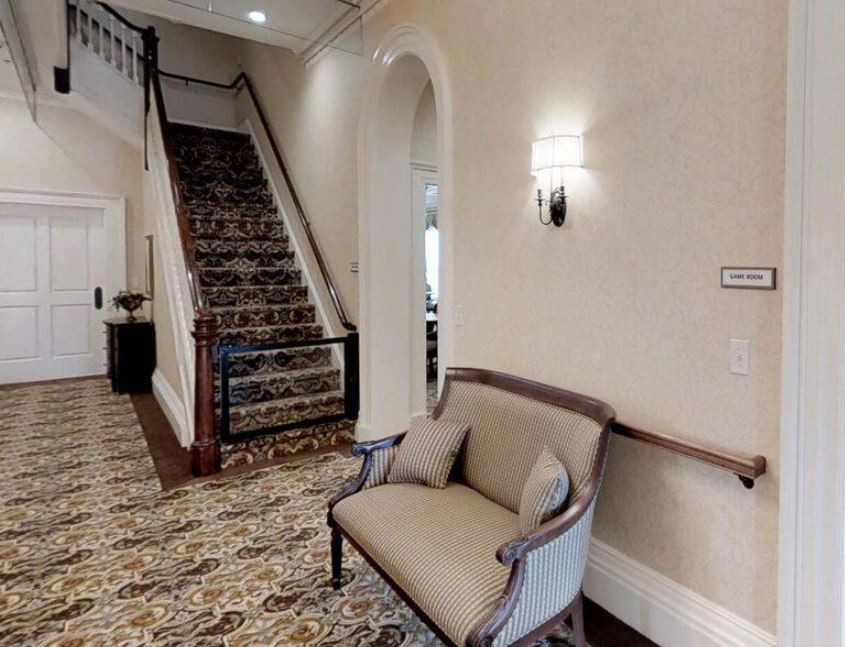





26 Harvard St, Worcester, MA 01609
To contact a resident: (508) 754-8877
For more information about senior living options: (866) 208-4318
The Lillie Mansion at Lutheran Costs & Pricing
The Lillie Mansion at Lutheran offers a competitive pricing structure for its residents, particularly when compared to both Worcester County and the broader state of Massachusetts. For semi-private rooms, the cost at The Lillie Mansion is $4,500 per month, significantly lower than the average of $5,477 in Worcester County and $5,805 statewide. Similarly, the studio accommodations are priced at $4,800, which again presents an appealing alternative to the regional average of $5,109 and state average of $5,312. This not only highlights The Lillie Mansion's commitment to providing quality care at accessible rates but also positions it as an attractive option for those seeking assisted living solutions without compromising on comfort or service.
| Floor plans | The Lillie Mansion at Lutheran | Worcester County | Massachusetts |
|---|---|---|---|
| Semi-Private | $4,500 | $5,477 | $5,805 |
| Studio | $4,800 | $5,109 | $5,312 |
Independent Living communities with a similar price nearby
-
from -$505 / mo

Atria Draper Place
$3,995 to $6,395 / month16.3 miles away -
About the same

The Residence at Orchard Grove
$4,600 to $8,300 / month6.3 miles away -
from -$300 / mo

Orchard Hill Assisted Living at Sudbury
$4,200 to $5,100 / month18.9 miles away -
About the same

The Residence At Valley Farm
$4,450 to $8,760 / month19.0 miles away -
from -$700 / mo

Mary Ann Morse at Heritage
$3,800 to $6,400 / month19.3 miles away
Overall Review of The Lillie Mansion at Lutheran
Pros
 The management responded quickly to the review and found solutions.
- They were appreciative of the feedback and worked to address the issues.
- They assured that action had been taken regarding the hygiene concerns.
- The outcomes for the mother's rehabilitation were better than expected.
- The staff are kind and understanding, and the physical and occupational therapists are excellent and punctual.
- Hospice care at the center was top-notch.
Cons
 The pharmacy is irresponsible; there is something missing in the chain of orders, and medications are not always given correctly.
- The charts are still manually written and not read before administering medications, leading to errors.
- The center is severely understaffed on weekends and at night, delaying care for residents.
- The mother undergoing cancer treatment often does not receive her medications on time, with missed or late doses.
- There is no reliable schedule for pain killers; dosing is unclear and staff often need reminders.
- The hygiene is not maintained at a maximum level; bed pans are washed in the same hand/face washer sink without proper scrubbing.
- There is a lot of noise at night and minimal privacy due to shared rooms, making it hard for residents to sleep.
Review
The Lillie Mansion at Lutheran in Worcester is best suited for seniors whose families prioritize rehabilitation-focused care delivered with personal attention and an engaged management team. It shines for residents who need structured physical and occupational therapy, meals tailored to specific diets, and a care culture that includes proactive check-ins from management. The facility has shown that when concerns are raised, leadership responds quickly and attempts to address problems directly, a dynamic that can make a tough transition feel supported and monitored. For families seeking hospice-level involvement and ongoing, attentive supervision, this community presents a credible, practical option.
Those weighing alternatives should consider options that emphasize rock-solid medication safety, minimal risk of scheduling errors, and a quieter, more private living environment. If the priority is flawless pharmaceutical management with strict adherence to timing and dosing, or if a completely private bedroom setting and maximal night-time quiet are non-negotiable, other facilities may align better with expectations. The reviews flag medication processes, weekend and night staffing gaps, and privacy considerations as significant factors, suggesting that facilities with electronic med charts, rigid pain-management protocols, and stronger room-separated layouts could be a better fit for some families.
On the positive side, warmth and consistency from the staff stand out as meaningful strengths. The team’s kindness and responsiveness are repeatedly noted, along with meals that follow prescribed dietary plans and therapists who can maintain precise schedules when requested. A personal from management checking on residents reinforces a sense of individualized attention, which can materially improve daily comfort and trust. The care environment for rehabilitative goals appears capable, and the hospice experience described as top-notch adds an important dimension for families facing end-of-life decisions. These advantages create a solid foundation that can offset friction points when oversight is present.
Yet the most pressing drawbacks revolve around operational gaps that can complicate daily life and safety. Medication management emerges as the clearest risk: charts being manual, occasional missed pills, and inconsistent timing for pain relief create real concerns for residents with complex medical regimens or active cancer treatment. Weekend and nighttime staffing appears thinner, translating into slower responses to calls and routine needs. Hygiene practices, particularly around bedpan handling and shared washing spaces, raise legitimate questions about infection control and daily dignity. Finally, a physically shared room layout contributes to disruptive noise and limited privacy, undermining restful sleep and personal autonomy.
The pros, however, do offer meaningful counterweights when viewed through a practical lens. Strong therapy teams and meal preparation aligned with care plans can drive meaningful recovery and daily satisfaction, especially for short-term rehab goals or for residents who value consistent routine. Management engagement can translate into rapid corrective action when issues surface, a dynamic that reduces the sense of being handed a problem with no follow-through. Hospice care quality, as reported, gives comfort to families facing advanced illness and long-term planning, which is not always guaranteed in facilities that otherwise rely on generic care models. In this mix, the decision hinges on how high a priority is placed on medication safety, privacy, and weekend coverage.
In practical terms, this community is a solid fit for families seeking a hands-on, therapy-forward environment with attentive staff and a willingness to address problems when they arise. It is less suitable for those who require stringent, fail-safe med administration, absolute quiet throughout the night, and private rooms without shared living spaces. Prospective residents should pursue explicit, written assurances about med-charting practices (preference for electronic systems vs. manual entries), the exact weekend and night staffing ratios, medication administration protocols, and concrete plans to reduce noise and improve privacy. A candid in-person tour should include tests of the weeknight and weekend routines, observation of medication delivery processes, and a review of room configurations. If these checks align with expectations, the Lillie Mansion presents a disciplined, compassionate option; if not, exploring alternatives with stronger operational safeguards is warranted.
 Independent Living
 Activities off-site
 Air-conditioning
 Devotional services on-site
 Ground floor units
 Handicap accessible
 Indoor common areas
 Outdoor common areas
 Wheelchair accessible showers
 Wi-Fi/high-speed internet available
 Worcester Regional (4 miles away)
 Ambulatory care
 Diabetic care
 Guest meals
 BBQs or picnics
 Birthday parties
 Live dance or theater performances
 Live musical performances







 Navigating Medicare Coverage for In-Home Care Services
 In-Home Care Costs in 2025: A Detailed State-by-State Exploration
 Understanding Home Health Care: A Comprehensive Guide