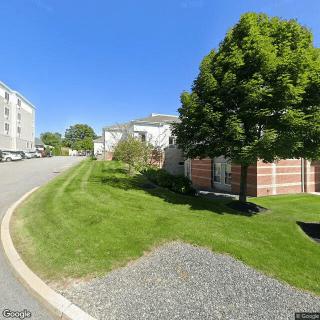
Salisbury Nursing & Rehab Ctr

25 Oriol Dr, Worcester, MA 01605

For more information about senior living options: (844) 490-3973

2.9 from 43 reviews
5 stars
16
4 stars
4
3 stars
1
2 stars
3
1 stars
19

Skilled Nursing Facility

What level of care are you interested in?

Assisted Living

Memory Care

Independent Living

Skilled Nursing Facility

Continuing Care Retirement Community (CCRC)CCRC

Other


Request a tour at Salisbury Nursing & Rehab Ctr

    Overall Review of Salisbury Nursing & Rehab Ctr

    Pros

    • pro The staff were very friendly.
    • pro The patient liked the exercise plan with the therapists.
    • pro The team of nurses was impressive.
    • pro The physical therapist and nurse practitioner were the best part of the place.
    • pro Everything looked brand new in the rehab unit.
    • pro The food was good and delivered in a timely manner.

    Cons

    • pro The reviewers described the facility as dirty and run down, with sticky floors, nonfunctioning TVs, and rooms in need of renovations.
    • pro They reported theft of personal items from patients' rooms and outsiders walking into rooms.
    • pro There was a strong odor of soiled patients, indicating poor sanitation and care.
    • pro Leadership and the overall system were labeled as an utter failure requiring massive accountability.
    • pro The quality of care was described as alarmingly low.
    • pro Staff were accused of poor communication with families and neglect of patients.
    • pro Physical therapy and other services were delayed or not provided, leaving patients waiting for weeks.
    • pro The food was described as terrible, often late and cold.
    • pro Housekeeping was awful, with no wifi and complaints of infestations (mice) and overall dirty conditions.
    • pro Discharge planning was chaotic and rushed, with inappropriate handling of medications and privacy concerns (HIPAA issues noted).
    • pro Some staff were accused of abusive or neglectful behavior toward vulnerable patients.
    • pro Photos on the facility's website were described as deceptive, and rooms were cramped with outdated beds.

    Review

    A troubling chorus runs through a number of accounts about RegalCare facilities in Worcester and surrounding areas, painting a picture of persistent concerns about cleanliness, safety, and the quality of care. Taken together, the reviews describe a place where families frequently feel overwhelmed by what they perceive as neglect and mismanagement, and where the daily realities of life for residents - especially those who cannot advocate for themselves - sometimes fall far short of basic expectations. The overarching message is one of alarm and a demand for accountability, with many families left wondering how such conditions persist and how these centers continue operating.

    Several reviews focus on the dementia and long-term care areas, where the environment and day-to-day routines appear to fail residents and their families in distinct, recurring ways. One account laments the "unreal" building condition and a chronic lack of care for patients unable to walk, describing rooms, windows, walls, and even televisions as problematic, with a pervasive odor of soiled patients lingering into shift changes. Reported issues include televisions that never get fixed, stolen belongings, and rooms that feel dirty or rundown. In one family narrative, a relative with dementia dealt with a series of small but cumulative stressors - the roommate who stole items, the occasional lack of responsiveness, and a general sense that the facility was not prioritizing comfort or dignity. The sentiment expressed is consistently that these conditions are not incidental flaws but signs of deeper, systemic problems that undermine trust in the facility's leadership and stewardship.

    Within the same broader facility landscape, individual stories about rehab units present a more mixed picture. One review recounts a first-floor rehab admission that, despite the initial reservations about the facility, turned into a relatively positive experience in several respects. This account notes a private room, an exercise plan with therapists, attentive nursing staff, and a generally appreciative view of the therapists and nurses. The reviewer even rates the food as acceptable within a hospital setting and emphasizes that staff listened to and tried to accommodate the patient's preferences. This perspective contrasts sharply with other accounts, illustrating that experiences can vary markedly from unit to unit and even from day to day within the same campus.

    Other narratives return to the more negative end of the spectrum, highlighting issues that feel closer to daily quality-of-life concerns and operational frustrations. Several reviewers point to longtime floor staff - Aids and nurses - being "pretty good," while pointing to gaps in other areas: the physical therapy schedule sometimes failing to deliver actual therapy minutes, aides who are friendly but overwhelmed, and a sense that critical aspects like transportation, medications, and access to basic needs (such as adequate food warmth and timely supplies) are inconsistent. Specific complaints include late or cold meals, poor housekeeping, and a perception that the facility lacks adequate infrastructure to support smooth rehabilitation or discharge planning. One reviewer recounts a situation where they were told to be ready to leave with only an hour's notice, a lack of attention to meds during the transition, and confusion surrounding insurance and social work processes - leading to a strong sense of disorganization and fear about patient safety during such abrupt transitions.

    A number of passages are more alarming, painting a portal into experiences that feel unsafe or deeply disrespectful to residents. Several readers describe patients not being bathed regularly, not receiving necessary personal care (like teeth brushing), and lacking mobility aids such as wheelchairs or walkers when needed. There are explicit statements about broken or failing communication with families, missed or mismanaged medications, and a general impression that staff end up overwhelmed and unable to meet basic needs. One particularly stark account alleges that a resident with hospice needs was not respected in terms of feeding and comfort, with claims of coercive or coercively managed behaviors. Another person describes outright hostility or neglect, including phrases like "abuse, neglect and ignorance," and a widely shared worry that the facility's internal dynamics protect staff at the expense of patient welfare.

    The thread of administrative and systemic concern runs through several reviews as well. Families describe inconsistent information from social workers and administration, with miscommunications about discharge dates, transportation arrangements, and even privacy issues. A HIPAA violation is mentioned in one account, underscoring fears that sensitive information is mishandled in the rush of patient turnover. A recurring theme is the perceived prioritization of staff protection over patient safety, leading to situations where family members feel excluded when trying to understand or resolve care concerns. Complaints about how concerns are treated, and about the responsiveness of leadership, reinforce a sense that patients and their families must advocate aggressively to secure basic standards of care.

    Despite the decidedly negative tone that appears in many of the reviews, there are brief glimpses of positive experiences - moments when staff were described as friendly, helpful, and capable, and when specific teams (such as the nurses or therapists) were praised for their friendliness, expertise, or professional demeanor. There are also occasional notes of gratitude from families who felt that their loved ones received compassionate attention during portions of their stay, or who noticed improvements in certain health aspects after transfer to more suitable levels of care. These pockets of praise emphasize that what is possible exists within the facility's reach, even if they are not the norm in the broader set of experiences shared.

    Overall, the collection of voices depicts a facility landscape where perceptions of care quality, safety, and respect diverge widely by unit, shift, and individual staff teams. The strongest themes call for significant improvements in cleanliness and maintenance, reliable access to rehabilitation services, timely and respectful communication with families, and stronger accountability from leadership to ensure that patient welfare is the central priority. There is a clear plea from many families for more transparent operations, better infrastructure, and a system that consistently protects vulnerable residents from neglect and harm. In the strongest terms, several reviews advise families to consider alternatives and exercise caution, especially when care decisions involve loved ones with higher needs or limited ability to advocate for themselves. The common thread remains a demand for urgent, comprehensive reform that addresses both visible conditions and the more elusive but equally critical elements of compassionate, patient-centered care.

    Features

    Types of Care

    • Skilled Nursing Facility Skilled Nursing FacilitySkilled Nursing Facilities are crucial for seniors as they provide round-the-clock medical care, rehabilitation services, and assistance with daily activities. These facilities ensure that seniors receive the specialized care they need to maintain their health and well-being as they age.

    Transportation

    • Worcester Regional (6 miles away) Worcester Regional (6 miles away)
    Description

    Salisbury Nursing & Rehab Center in Worcester, MA is a vibrant assisted living community that offers a range of services and amenities to ensure the well-being and comfort of its residents. Situated in a convenient location, this center provides easy access to various facilities and establishments that cater to the needs of its residents.

    With nine cafes nearby, residents can enjoy a cozy environment where they can gather with friends or family for a cup of coffee or a light meal. These cafes offer a pleasant atmosphere and a diverse menu to suit different tastes and preferences.

    Nature enthusiasts will appreciate the presence of four parks in close proximity. These green spaces provide opportunities for leisurely strolls, picnics, or simply enjoying the beauty of nature. Residents can relax amidst lush greenery or engage in outdoor activities for physical fitness and rejuvenation.

    Healthcare is easily accessible with 16 pharmacies available nearby. This ensures that residents have convenient access to medications and other healthcare products they may require. Additionally, 45 physicians located in the vicinity offer comprehensive medical care, allowing residents to receive specialized treatments or routine check-ups without hassle.

    The culinary scene is rich with 17 restaurants nearby offering a variety of cuisines. Whether residents are seeking casual dining experiences or more formal gatherings, these dining establishments provide ample options for satisfying cravings and exploring new flavors.

    For spiritual nourishment, two places of worship are within reach where residents can attend religious services or engage in meditation and reflection according to their beliefs. This proximity allows individuals at Salisbury Nursing & Rehab Center to nourish their souls while partaking in spiritual practices that hold significance for them.

    Lastly, the presence of seven hospitals nearby provides peace of mind knowing that emergency medical care is readily accessible if needed. The close proximity enhances safety precautions for residents as well as facilitates regular medical appointments or visits from specialists who may be required for ongoing healthcare needs.

    Overall, Salisbury Nursing & Rehab Center offers an ideal assisted living community surrounded by numerous amenities and establishments that cater to the physical, emotional, and spiritual well-being of its residents.

    Nearby Places of Interest

    Physicians

    • Great Brook Valley Health Center (0.4 miles)
    • Reliant Medical Group (0.5 miles)
    • Browning Clifford A MD Cardiology Consultants (1.2 miles)
    • Dr Zinman (1.3 miles)
    • Umass Ultrasound/X Ray (1.4 miles)
    • UMass Memorial Health Care Cancer Center (1.4 miles)
    • UMass Memorial Medical Center - Children's Medical Center (1.4 miles)

    Pharmacies

    • CVS Pharmacy (0.5 miles)
    • CVS Pharmacy (0.6 miles)
    • Walgreens (0.6 miles)
    • Gaia Biotech (1.2 miles)
    • UMass Memorial Medical Center - Prescription Center Pharmacy (1.3 miles)
    • AbbVie Bioresearch Center (1.5 miles)
    • CVS Pharmacy (1.5 miles)

    Restaurants

    • Wendy's (0.5 miles)
    • Regatta Deli & Sandwich Shoppe (1.6 miles)
    • Tavern in the Square (1.8 miles)
    • Chick-Fil-A (1.9 miles)
    • Hooters (2 miles)
    • Chipotle Mexican Grill (2.3 miles)
    • Armsby Abbey (2.6 miles)

    Hospitals

    • Worcester Recovery Center And Hospital (1.1 miles)
    • U Mass Hospital (1.2 miles)
    • UMass ACC (1.4 miles)
    • UMass Interventional Radiology (2 miles)
    • Nahtm (2.1 miles)
    • Saint Vincent Hospital (2.6 miles)
    • St Vincent Hospital (2.6 miles)

    Parks

    • Green Hill Park (1.4 miles)
    • Lake Park (2.6 miles)
    • Elm Park (3.1 miles)
    • Beaver Brook Park (3.8 miles)

    Places of Worship

    • Our Lady of The Rosary Rectory & Main Number (1.8 miles)
    • St Spyridon Cathedral Special Events Committee (3.2 miles)

    Cafes

    • Starbucks (1.8 miles)
    • Panera Bread (1.8 miles)
    • Redemption Rock Brewing (2 miles)
    • In House Coffee (2.2 miles)
    • Fuel America (2.2 miles)
    • Bean Counter (2.2 miles)
    • Starbucks (2.4 miles)

    Frequently Asked Questions

    Where is Salisbury Nursing & Rehab Ctr?

    Nearby Communities

    Related Resources

    • weight training for seniorsWeight Training for Seniors: Building Strength and Vitality

      Weight training is vital for seniors to maintain muscle mass, bone density, and overall health, combating age-related declines through customized resistance exercises that enhance balance and well-being. Safe routines should start with realistic goals and proper form, while emphasizing gradual progress and consultations with healthcare providers to ensure safety and effectiveness.

    • what does the sandwich generation meanUnderstanding the Sandwich Generation: Stress and Responsibilities for Multigenerational Caregivers

      The Sandwich Generation comprises adults managing the dual responsibilities of caring for aging parents and raising children, leading to significant emotional, logistical, and financial challenges. This situation is exacerbated by longer life expectancies and cultural expectations, necessitating effective coping strategies and support resources to alleviate caregiver stress and burnout.

    • assistive devices for elderly8 Essential Assistive Devices for Older Adults

      The article highlights eight essential assistive devices that improve the independence and safety of older adults, addressing issues related to mobility, balance, vision, hearing, and dexterity. It emphasizes the importance of proper selection guided by healthcare professionals to enhance seniors' quality of life while allowing them to age in place.


    Get Pricing Ask A Question Schedule A Tour Contact Senior Advisor