For more information about senior living options: (866) 208-4318
3.6 from 24 reviews
5 stars
13
4 stars
2
3 stars
2
2 stars
0
1 stars
7
Blaire House Of Worcester Costs & Pricing
Blaire House of Worcester offers competitive pricing for its services when compared to both Worcester County and the broader state of Massachusetts. For a semi-private room, the monthly cost is set at $7,500, which is notably higher than the county average of $5,477 and the state average of $5,805. Similarly, for a private room, residents can expect to pay $7,950, surpassing Worcester County's average of $5,615 and Massachusetts' average of $6,090. While these rates may be elevated compared to local and state averages, they reflect the unique amenities and personalized care that Blaire House provides to its residents.
Floor plans
Blaire House Of Worcester
Worcester County
Massachusetts
Semi-Private
$7,500
$5,477
$5,805
Private
$7,950
$5,615
$6,090
Overall Review of Blaire House Of Worcester
differentiator2 reviews mention this
Locked dementia care stands out
Residents describe a locked Alzheimer’s-focused setting.
Multiple reviewers describe a locked-down Alzheimer’s or dementia unit and frame it as the right fit for serious dementia needs. One family member also mentions the facility as a complete community for people with Alzheimer’s, while another points to the presence of nursing and clinical support in that setting.
common9 reviews mention this
Care teams are described warmly
Staff compassion and attentiveness come through repeatedly in reviews.
Across the reviews, families describe staff as kind, patient, and supportive, including help with personal care and daily comfort. Several comments focus on how staff interactions helped residents feel cared for, and some reviewers contrast that experience with what they saw as worse care elsewhere. A few reviews also temper this by discussing caregiver shortages or lapses, so the praise is not unanimous.
common2 reviews mention this
Daily activities with therapy support
Residents get consistent activity programming.
Reviewers mention scheduled activities like arts and crafts and stories in a common area, along with physical and occupational therapy coming in. Other families also describe the activity department as delivering consistent daily activities and special events when possible.
caveat3 reviews mention this
Staffing problems and neglect concerns
Several reviewers raise concerns about staffing and supervision.
Some residents’ families describe inattentive care, residents left unattended for long periods, and inadequate supervision, including claims of short staffing on weekdays and weekends. One negative review describes missed checks and a severe medical outcome after a concern went unaddressed. Other reviewers acknowledge staffing presence such as nurses on-site, but the complaints about supervision are recurring.
caveat3 reviews mention this
Cleanliness and rodent complaints
Multiple reviews cite serious cleanliness and pest issues.
Several reviewers report seeing rodents or rats and describe the facility as not properly cleaned. Some negative comments also describe conditions like residents sitting with leaks or being left wet, linking hygiene lapses to health concerns. A separate review says the facility was clean, so perceptions differ sharply.
caveat2 reviews mention this
Room and bathroom layout issues
Some reviewers dislike shared bathroom setup.
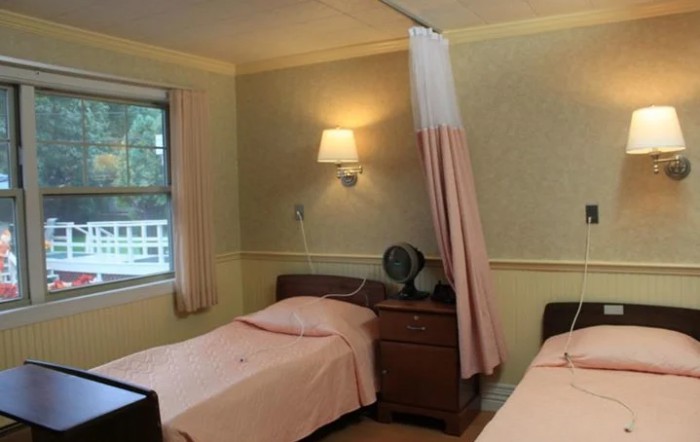
At least two reviews mention rooms with three beds and describe a bathroom located outside the room in the hallway. One of those reviewers also notes the dining room seemed crowded during their visit. These comments focus on comfort and convenience rather than care quality.
How we summarize
Counts show how many written reviews mention each theme; a review can touch several themes, and only frequently mentioned themes are displayed.
Features
Housing
75 resident community capacity
Types of Care
Memory Care
Skilled Nursing Facility
Amenities
Activities on-site
Air-conditioning
Beautician on-site
Beauty salon
Cable or satellite TV
Computer center
Devotional services on-site
Dining room
Fitness room
Fully furnished
Gaming room
Garden
Housekeeping services
Indoor common areas
Kitchenette
Move-in coordination
Outdoor common areas
Outdoor space
Private
Private bathrooms
Restaurant-style dining
Small library
Telephone
Wellness center
Wheelchair accessible showers
Wi-Fi/high-speed internet available
Transportation
Worcester Regional (5 miles away)
Community operated transportation
Transportation arrangement
Transportation arrangement (non-medical)
Transportation to doctors appointments
Care Services
12-16 hour nursing
24-hour call system
24-hour supervision
Activities of daily living assistance
Assistance with bathing
Assistance with dressing
Assistance with transfers
Diabetes diet
High acuity care
Incontinence care
Meal preparation and service
Medication management
Mental wellness program
Special dietary restrictions
Dining
Diabetes diet
Meals provided
Special dietary restrictions
Activities
Activities on-site
Community-sponsored activities
Concierge services
Devotional activities on-site
Fitness programs
Planned day trips
Resident-run activities
Scheduled daily activities
Nearby Places of Interest
Pharmacies
CVS Pharmacy (0.3 miles)
Walgreens (0.5 miles)
AbbVie Bioresearch Center (1.9 miles)
Walgreens (2 miles)
CVS Pharmacy (2.1 miles)
Gaia Biotech (2.3 miles)
UMass Memorial Medical Center - Prescription Center Pharmacy (2.4 miles)
Restaurants
Vincent's (0.6 miles)
M B Lounge (0.9 miles)
Union Station (1 miles)
The Pint (1 miles)
Coney Island Lunch (1.1 miles)
110 Grill (1.1 miles)
Taco Bell (1.2 miles)
Physicians
Worcester County Orthopedics (0.9 miles)
Crompton Park Professional Building (0.9 miles)
Women's Health of Central Massachusetts (1.2 miles)
Saint Vincent Medical Group: Thoracic Surgery (1.2 miles)
Bentkover Facial Plastic Surgery (1.3 miles)
U Mass Memorial Medical Group (1.6 miles)
Women's Center At U Mass Meml (1.7 miles)
Cafes
Fuel America (1.2 miles)
In House Coffee (1.2 miles)
Starbucks (1.3 miles)
Redemption Rock Brewing (1.4 miles)
Fuel America (2 miles)
NU Cafe (2.3 miles)
Bean Counter (2.5 miles)
Hospitals
Saint Vincent Hospital (1.2 miles)
St Vincent Hospital (1.2 miles)
Nahtm (1.6 miles)
UMass Interventional Radiology (1.7 miles)
UMass ACC (2.2 miles)
Worcester Recovery Center And Hospital (2.3 miles)
U Mass Hospital (2.4 miles)
Parks
Lake Park (1.7 miles)
Elm Park (2.1 miles)
Beaver Brook Park (2.2 miles)
Green Hill Park (2.2 miles)
Hadwen Park (3.1 miles)
Places of Worship
St Spyridon Cathedral Special Events Committee (1.9 miles)
Blaire House of Worcester offers competitive pricing for its services when compared to both Worcester County and the broader state of Massachusetts. For a semi-private room, the monthly cost is set at $7,500, which is notably higher than the county average of $5,477 and the state average of $5,805. Similarly, for a private room, residents can expect to pay $7,950, surpassing Worcester County's average of $5,615 and Massachusetts' average of $6,090. While these rates may be elevated compared to local and state averages, they reflect the unique amenities and personalized care that Blaire House provides to its residents.
The various features offered by Blaire House of Worcester significantly enhance the quality of memory care for residents facing dementia or Alzheimer's. Assistance with dressing ensures that individuals maintain a sense of dignity and personal style, while medication management helps prevent confusion regarding complex medication schedules, reducing the risk of missed doses or adverse reactions. Meal preparation and service cater not only to nutritional needs but also promote social engagement during mealtimes. Activities of daily living assistance--including bathing and transfers--supports independence while ensuring safety and comfort in personal care routines. The provision of 24-hour supervision offers peace of mind for both residents and their families, as it guarantees immediate support when needed. Moreover, a mental wellness program addresses cognitive stimulation through tailored activities that foster engagement and connection, while incontinence care prioritizes hygiene and dignity, allowing residents to feel secure in their environment. Collectively, these features create a nurturing atmosphere that resonates with the unique needs of individuals dealing with memory-related challenges.
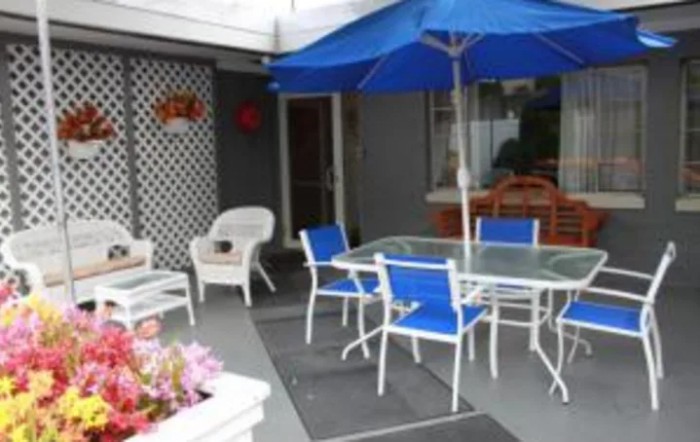
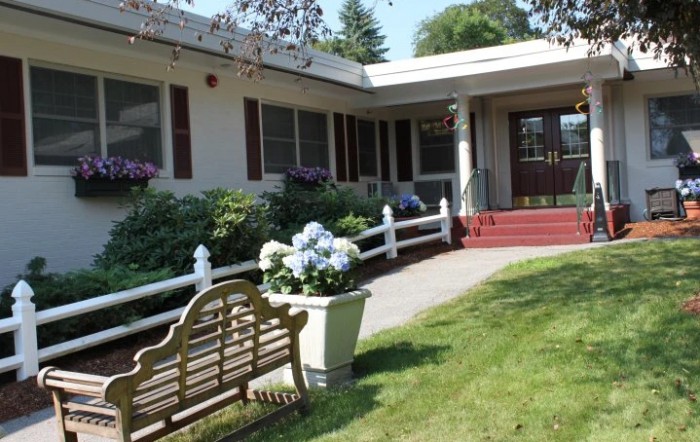
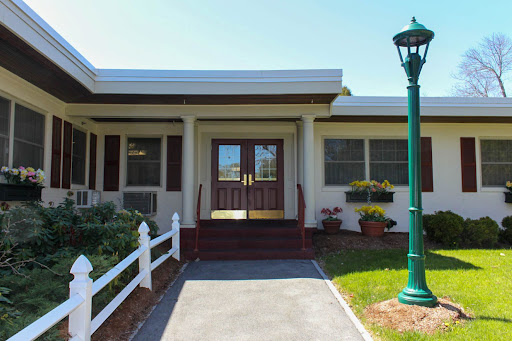
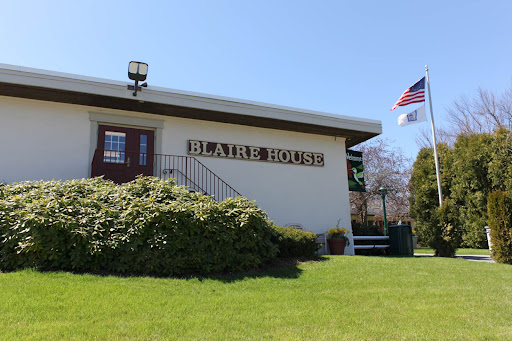
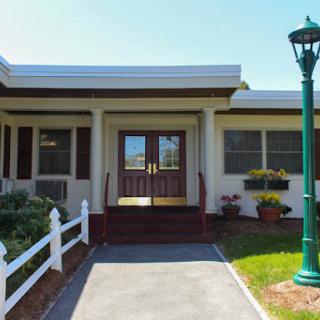
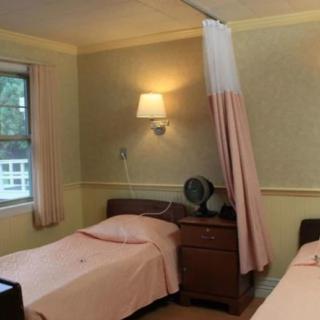
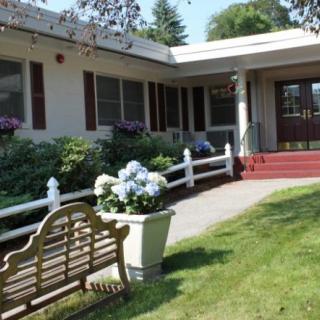
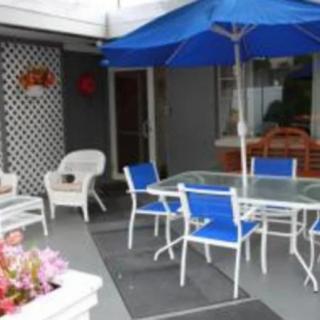
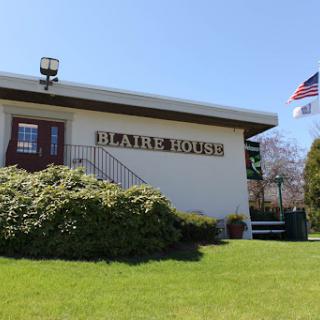
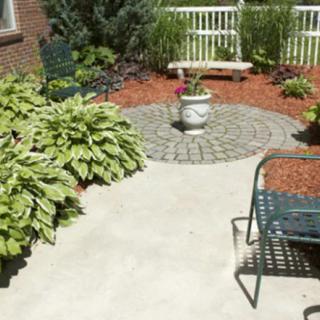
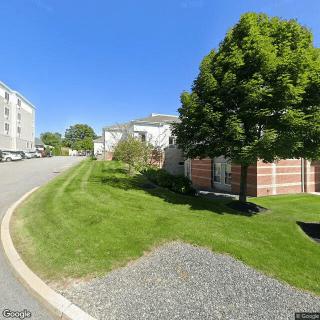
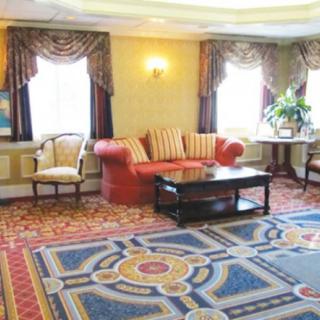
Blaire House Of Worcester on seniors.fyi includes 6 photos including images showing landscaping, garden, building, entrance, outdoor lighting, flag, pathway, grass, and more.
Dementia causes cognitive decline and challenging behaviors that caregivers must manage, necessitating an understanding of the neurological basis of these issues. Effective strategies and self-care for caregivers can enhance support for those with dementia and improve their daily lives.
The content outlines five key early indicators of dementia, including significant memory loss and confusion about time and place, while emphasizing the need for professional evaluation and emotional support for both individuals showing symptoms and their caregivers. It encourages family members to monitor these signs closely and use online quizzes for initial awareness.
The article highlights eight indicators that a loved one with dementia may require specialized memory care, emphasizing the emotional and logistical challenges families encounter in this decision. It discusses signs such as difficulties with daily tasks, safety concerns, and caregiver burnout, suggesting that memory care facilities can provide the necessary support and structured environments for those experiencing cognitive decline.
Architecture, Outdoors, Nature, Gazebo, and Fountain
Garden
Entrance and Outdoor Lighting
Patio and Outdoor Furniture
Pathway and Porch
Exterior, Flag, and Grass
Get PricingAsk A QuestionSchedule A TourContact Senior Advisor
By clicking submit, you agree to our Partner's Terms of Use. You
also consent to receive calls and texts, which may be autodialed, from our Partner. Your consent is not a condition to
using our Partner's service. Please visit our Partner's Privacy Policy for information about their privacy practices.



 75 resident community capacity
 Memory Care
 Skilled Nursing Facility
 Activities on-site
 Air-conditioning
 Beautician on-site
 Cable or satellite TV
 Computer center
 Devotional services on-site
 Dining room
 Fitness room
 Fully furnished
 Gaming room
 Garden
 Housekeeping services
 Indoor common areas
 Kitchenette
 Move-in coordination
 Outdoor common areas
 Private
 Private bathrooms
 Restaurant-style dining
 Small library
 Telephone
 Wellness center
 Wheelchair accessible showers
 Wi-Fi/high-speed internet available
 Worcester Regional (5 miles away)
 Community operated transportation
 12-16 hour nursing
 24-hour call system
 Assistance with bathing
 Assistance with dressing
 Assistance with transfers
 Diabetes diet
 High acuity care
 Incontinence care
 Medication management
 Mental wellness program
 Special dietary restrictions
 Concierge services
 Planned day trips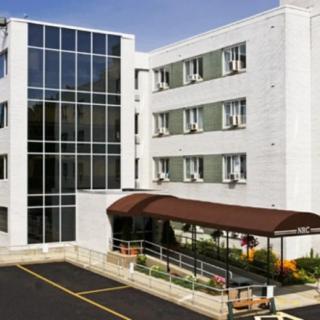
 Extensive on-site amenities and services (dining, beauty salon, fitness, transportation, wellness program, housekeeping, private rooms, outdoor spaces, activities).


 Dementia Behaviors: In-Depth Understanding and Effective Coping Strategies
 5 Early Indicators of Dementia and What You Can Do
 8 Important Indicators That Memory Care May Be Necessary