Overall Review of Whittier Westborough Transitional Care Unit
common
Staff kindness and professionalism stand out
Residents and families repeatedly describe the staff as professional, friendly, and attentive.
Across many stays and visits, reviewers describe staff who communicate clearly, listen to concerns, and treat patients with respect. Multiple reviews single out nurses, CNAs, case managers, admissions teams, and therapists as supportive throughout the process. A few reviews also note that at times some staff behavior or bedside communication did not meet expectations, but overall the positive experiences dominate.
common
PT and OT help patients regain strength
Physical and occupational therapy receive consistent praise for helping patients improve movement and daily function.
Several reviews credit PT and OT with helping patients rebuild strength, balance, and confidence for returning home. Reviewers mention personalized support during sessions and practical guidance afterward, such as exercises to continue at home. Some residents also describe care teams pushing appropriately while still paying attention to individual limits.
differentiator
Speech therapy is specifically mentioned
Some reviewers specifically highlight speech therapy as part of the rehab plan.
A couple of reviews call out speech therapy by name, describing therapists who helped build confidence and supported recovery after stroke-related communication or cognition challenges. Other reviews also describe a broader therapy mix that includes speech alongside PT and OT. Together, this makes speech therapy a visible part of the experiences residents report.
common
Food quality and dietary support
Meals are often described as good, and several reviews mention accommodations for dietary needs.
Many reviewers comment on the quality of food during stays, with some describing it as enjoyable or even comparable to fine dining. A few reviews also mention that staff accommodated specific dietary needs or swallowing-related concerns. The main food-related complaint is timing, with at least one reviewer saying meals arrived cold.
caveat
Response-time and dignity concerns
A small number of reviewers report unacceptable delays with assistance.
Two reviewers describe situations where help was not provided quickly after a call, leading to embarrassment or loss of dignity. One account describes repeated delays for bathroom assistance and the resulting vulnerability. Another describes being left in soiled briefs for hours even after calling for help, which is a serious concern distinct from general satisfaction with therapy or nursing competence.
How we summarize
We summarize when many written reviews mention each theme; a review can touch several themes, and only frequently mentioned themes are displayed.
Features
Housing
19 resident community capacity
Types of Care
Skilled Nursing Facility
Amenities
Cable or satellite TV
Dining room
Fully furnished
Garden
Housekeeping services
Move-in coordination
Outdoor space
Telephone
Wi-Fi/high-speed internet available
Transportation
Worcester Regional (16 miles away)
Care Services
24-hour supervision
Activities of daily living assistance
Assistance with bathing
Assistance with dressing
Assistance with transfers
Diabetes diet
Meal preparation and service
Medication management
Special dietary restrictions
Dining
Diabetes diet
Special dietary restrictions
Activities
Community-sponsored activities
Scheduled daily activities
Nearby Places of Interest
Hospitals
Whittier Rehabilitation Hospital (0 miles)
Restaurants
Uhlman's Ice Cream (1.4 miles)
McDonald's (1.6 miles)
Chipotle Mexican Grill (2.1 miles)
Civic Kitchen & Drink (3 miles)
The Oregon Club (4 miles)
110 Grill (4.2 miles)
Apex Entertainment (4.3 miles)
Physicians
Umass Medical Group Westboro (1.7 miles)
Quality Medical Evaluations (1.9 miles)
Muppidi, Daniel Dr - Metrowest Allergy Associates, PC (2 miles)
Keamy Cosmetic Centre (2 miles)
Vein Clinic Of New England (2 miles)
Westborough Family Medicine (2.1 miles)
Charles River Medical Associates Radiology (4.5 miles)
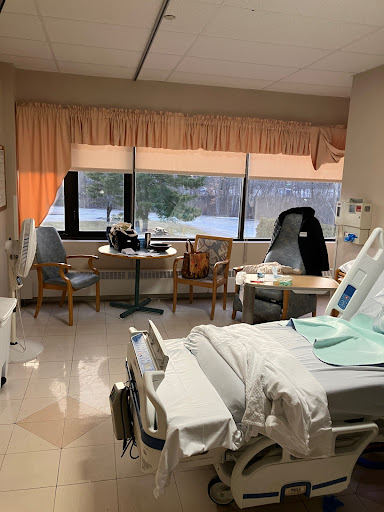
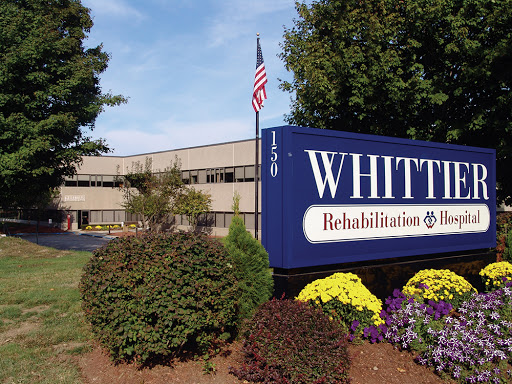
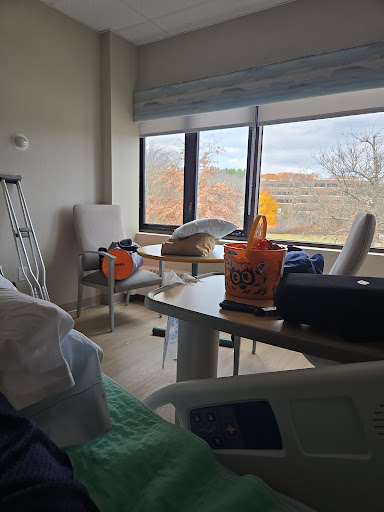
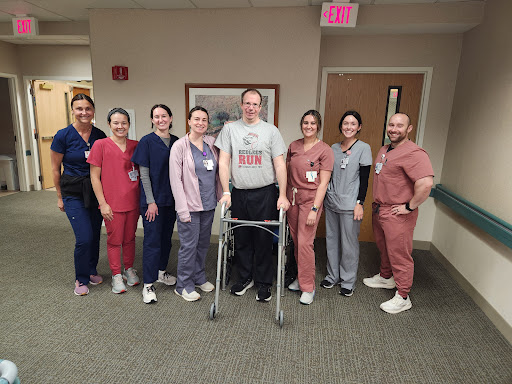
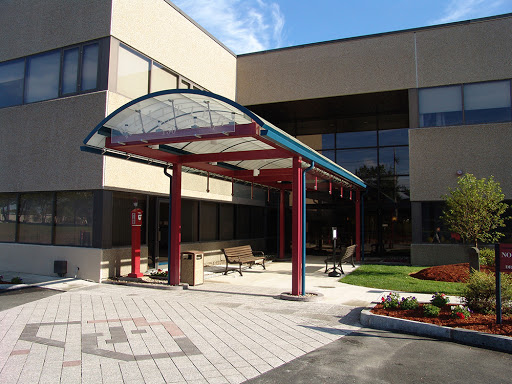
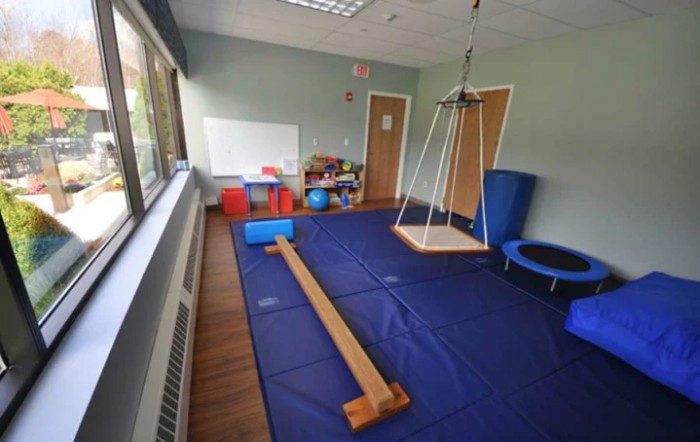
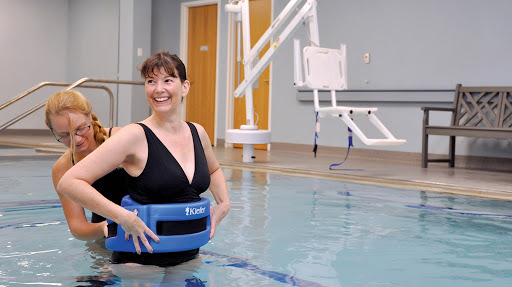
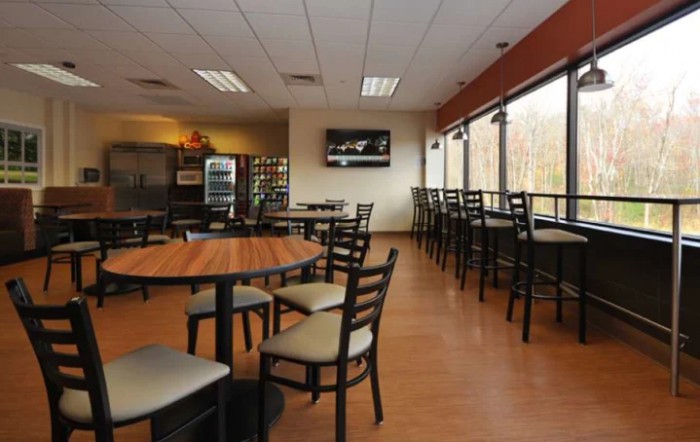
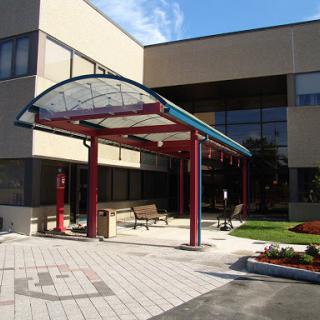
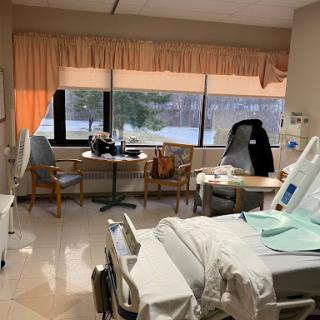
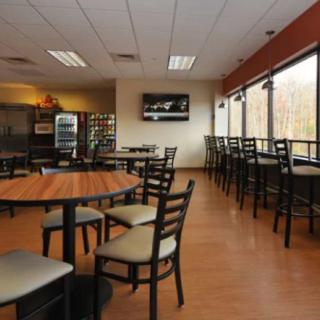
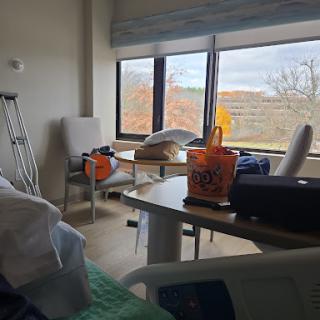
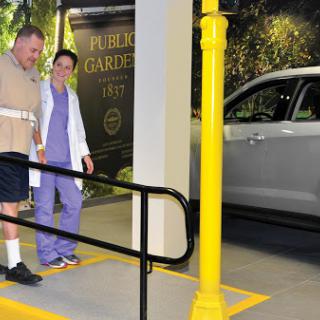
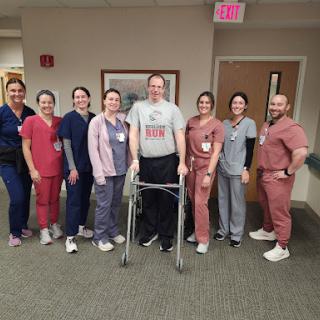
Whittier Westborough Transitional Care Unit on seniors.fyi includes 11 photos including images showing healthcare, building, windows, rehabilitation, entrance, architecture, landscaping, flag, and more.
Nearby Communities
Accessible Home Health Care
Southborough, MA
4.9 from 16 reviews
Excellent proximity to medical services and daily amenities.
New England Home Therapies
Southborough, MA
2.8 from 13 reviews
Convenient location with extensive nearby amenities (dining, parks, pharmacies, physicians, and hospital access) for residents.
The Highlands
Westborough, MA
4.2 from 57 reviews
$2,955 to $5,035 / month
Friendly staff in a clean, engaging community with good dining.
Care Solutions
Westborough, MA
4 from 3 reviews
Excellent access to nearby amenities and healthcare.
The Highlands Gracious Retirement Living
Westborough, MA
4.2 from 24 reviews
Luxurious, fully furnished apartments with 24/7 care and extensive on-site amenities (dining, housekeeping, wellness, activities, and transportation).
Willows at Westborough
Westborough, MA
4.6 from 91 reviews
$2,996 to $3,614 / month
Caring staff, clean and well-kept environment, and independence with on-site services.
Right At Home
Westborough, MA
4.8 from 11 reviews
Friendly, professional caregivers who were reliable and met care needs.
Golden Pond
Hopkinton, MA
3.6 from 38 reviews
$4,500 to $6,500 / month
Engaging daily activities and compassionate, personalized care.
Fairview Estates Gracious Retirement Living
Hopkinton, MA
4.6 from 55 reviews
Affordable, clean facilities with friendly, attentive staff and comfortable apartments.
Hospice care at home provides specialized end-of-life support that focuses on comfort and dignity for individuals with life-limiting illnesses, offering a range of services including medical management, emotional and spiritual support, and logistical assistance tailored to the family's needs. It involves collaboration to create individualized care plans and extends to bereavement support after a loved one's passing.
The guide outlines the rising costs of 24/7 in-home care, ranging from $10,000 to over $20,000 monthly, driven by factors such as location and caregiver qualifications. It discusses the limited coverage by Medicare and private insurance, potential Medicaid support, and the emotional and living condition considerations influencing families' decisions on care arrangements.
Home health nursing is an expanding field where licensed professionals provide specialized medical care in patients' homes, addressing the needs of an aging population through personalized services like assessments and medication management. Effective collaboration with healthcare teams, cultural sensitivity, and quality assurance measures are essential for fostering trust and ensuring positive patient outcomes.
Whittier Westborough Transitional Care Unit photos
×
Outdoors
Building
Bedroom
Windows
Landscaping
Natural Light
Exercise Equipment
Healthcare
Swimming Pool
Rehabilitation
Bedroom
Landscaping
Windows
Building
Architecture and Entrance
Television and Seating Area
Outdoors
Exercise Equipment and Therapy Room
Natural Light
Flag
Healthcare
Rehabilitation
Swimming Pool, Fitness, and Exercise
Nurse and Assistance
Additional Photos
Get PricingAsk A QuestionSchedule A TourContact Senior Advisor
By clicking submit, you agree to our Partner's Terms of Use. You
also consent to receive calls and texts, which may be autodialed, from our Partner. Your consent is not a condition to
using our Partner's service. Please visit our Partner's Privacy Policy for information about their privacy practices.







 19 resident community capacity
 Skilled Nursing Facility
 Cable or satellite TV
 Dining room
 Fully furnished
 Garden
 Housekeeping services
 Move-in coordination
 Outdoor space
 Telephone
 Wi-Fi/high-speed internet available
 Worcester Regional (16 miles away)
 24-hour supervision
 Activities of daily living assistance
 Assistance with bathing
 Assistance with dressing
 Assistance with transfers
 Diabetes diet
 Meal preparation and service
 Medication management
 Special dietary restrictions
 Excellent proximity to medical services and daily amenities.



 Understanding Hospice Care at Home: Comprehensive Services, Key Benefits, and Eligibility
 Understanding the Full Cost of 24/7 In-Home Care: A Detailed Overview
 Exploring the World of Home Health Nurses: Qualifications, Roles, and Hiring Tips