
2 Park Central Drive Ste 210, Southborough, MA 01772
To contact a resident: (508) 481-1632
For more information about senior living options: (866) 208-4318
Overall Review of Accessible Home Health Care
Pros
 Ruth and her team are absolutely amazing from the start.
- They provide great information and offer a flexible schedule for post-operative care.
- They adapt to changing needs and keep the patient at the center of care.
- Mabel and the team are helpful, kind, and invested in the patient’s well-being.
- The group delivers top-notch care with highly responsive communication.
- Accessible's caregivers and office staff are helpful and understanding.
- They have kept a loved one in her own home for over three years thanks to Accessible’s care.
- Accessible is professional and responsible, with quick responses even on Sundays/holidays.
- Martine is associated with the company’s excellent reputation.
Cons
 None found in the provided reviews.
Review
Accessible Home Health Care in Southborough is best suited for seniors who want to remain in the comfort of their own home while receiving highly attentive, responsive care. The reviews consistently show a model built around the person needing support, not a rigid schedule. Families praise Ruth and her team for crafting post-operative plans that can bend when recovery changes course, ensuring the patient stays at the center of every decision. Continuity matters here: same nurses visiting regularly, such as Audra, create a predictable, reassuring routine that reduces anxiety for those with memory challenges. This is a program that thrives on personalization, rapid communication, and a genuine commitment to keeping a client comfortable and focused on well-being rather than paperwork or process.
Those who may want alternatives are families prioritizing a more social, campus-like living environment or 24/7 on-site supervision. In-home care excels at comfort, customization, and flexible scheduling, but it naturally centers care around a home setting rather than a shared community with structured daily activities. For clients who require constant, round-the-clock nursing support or comprehensive memory-care programming with built-in social engagement, a traditional assisted living or memory-care community could be a better fit. Budget dynamics also come into play; while in-home care can be tailored to needs, families should verify coverage and long-term cost implications early to prevent sticker shock or gaps in care.
The strongest positives, rapid responsiveness, adaptable scheduling, and a culture that treats clients like family, more than offset the absence of a campus environment. The ability to deploy a visiting nurse on short notice for wound care or bandage changes demonstrates practical reliability that keeps medical needs managed at home. Continuity stands out: the same nurse returning for successive visits helps maintain comfort for memory-impaired patients and keeps daily routines stable. Family accounts repeatedly highlight the personal investment of Ruth, Martine, Audra, and the broader team, translating into trust, smoother adherence to care plans, and fewer nonessential hospital transfers. That professional backbone from management reinforces the everyday consistency families rely upon.
Care is consistently described as professional and responsive from first contact through ongoing service. Quick return calls, even on Sundays or holidays, set a tone of dependability during urgent moments. Caregivers are lauded not merely as workers but as trusted helpers who combine competence with kindness, paying attention to small, meaningful details that matter in daily life. For a mother with memory loss, the daily presence of a familiar nurse with a cheerful demeanour makes visits less stressful and more effective. The sentiment that Accessible is “part of the family” captures the blend of clinical skill and heartfelt support that defines the operation. The emphasis on stable staffing and thoughtful caregiver matching emerges as a clear strength across multiple cases.
Leadership and practitioner quality stand out as core differentiators. Martine and Ruth are repeatedly described as excellent care providers and managers, guiding a team capable of earning enduring trust from families. The staff’s dedication, paired with thoughtful, flexible upper management, creates a climate where plans evolve to meet shifting needs without sacrificing consistency. Long-standing client relationships, such as a mother-in-law who has remained at home for years, underline stability and reliability. This is not a transient agency but a coherent care network with responsive office personnel and clinicians who know the client’s backstory. Across the board, families report that every aide aligns with the same standard of care, reinforcing the sense of continuity and quality.
In practical terms, Accessible Home Health Care offers a compelling fit for aging in place with high-touch, personalized care and a strong emphasis on caregiver continuity. It is especially strong for post-operative recovery, wound care, memory-support needs, and families prioritizing rapid communication and a trusted, family-like team. However, for those whose priority is a dense social calendar or 24/7 on-site nursing within a community setting, it is wise to explore alternatives. The core message from these experiences is clear: flexibility, responsiveness, and a deeply invested staff reliably translate into compassionate, effective home care. Prospective families should confirm caregiver availability for specific needs, request consistent nurse assignments, and assess whether a home-based plan aligns with long-term goals and budget.
 Worcester Regional (16 miles away)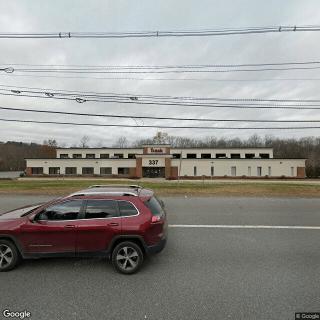



 In-Home Care Costs in 2025: A Detailed State-by-State Exploration
 Understanding Home Health Care: A Comprehensive Guide
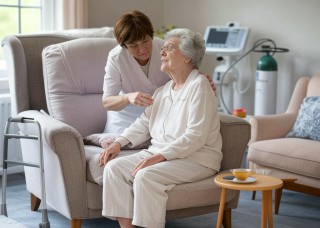 Home Health Care Demystified: A Comprehensive Guide for Families and Caregivers