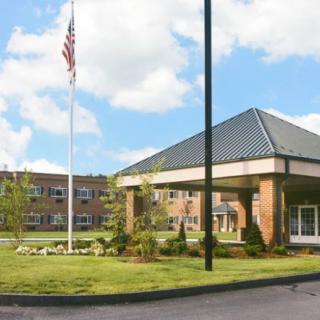
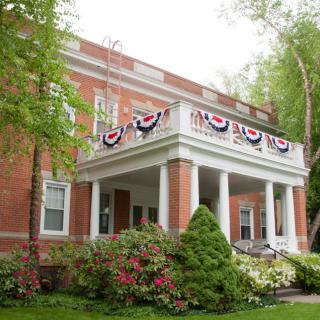
Quaboag Rehabilitation & Skilled Care Facility

47 East Main Street, West Brookfield, MA 01585

For more information about senior living options: (844) 490-3973

3.4 from 18 reviews
5 stars
10
4 stars
1
3 stars
0
2 stars
0
1 stars
7

Skilled Nursing Facility

Overall Review of Quaboag Rehabilitation & Skilled Care Facility

Pros

  • pro The facility was described as beautiful and clean with friendly, kind staff.
  • pro The multidisciplinary team (nurses, OTs, PTs, and speech pathologists) were friendly, knowledgeable, timely, and accommodating.
  • pro The dementia care team offered practical caregiving tips and provided supportive, compassionate care.
  • pro Residents were happy and engaged in activities, with staff who were obliging and responsive, and the environment was clean.
  • pro The staff treated patients like family and were helpful and efficient, contributing to a positive experience.
  • pro The level of care for both long- and short-term residents was unmatched, with the care team working well together.
  • pro The care given was stellar, with love, kindness, and generosity from the staff.
  • pro Families reported positive experiences and gratitude, often stating they would recommend the facility.

Cons

  • pro Nurses refused the patient's grandmother a simple ice pack without an order.
  • pro In the dementia unit, the patient had no TV provided.
  • pro The patient began sleeping during the day to the point caregivers couldn't wake her.
  • pro Staff insisted on giving oxygen around the clock, despite it not being the patient's normal status.
  • pro The mother was discharged home against the family's wishes, then developed pneumonia and died shortly after.
  • pro A patient was found on the floor and not promptly attended to, with staff showing a nonchalant attitude toward the pain.
  • pro The reviewer felt targeted and placed on a do-not-return list for voicing concerns about a fall.
  • pro The facility was described as incompetent and unprofessional, blaming the loved one for not eating, not bathing, and not walking.
  • pro The father was pushed out of the facility, with claims he was overmedicated and neglected.
  • pro The patient developed a severe groin-area ulcer due to lack of cleaning and was allegedly overmedicated, leaving him lethargic.
  • pro Two named staff members were described as unprofessional and rude.

Review

Quaboag Rehabilitation and Skilled Care Center emerges in these notes as a place that can inspire both sincere praise and deep concern, depending on who is sharing the story and when. Across several reviews, families describe a facility that is clean, well cared for, and staffed by people who genuinely want to help. Yet alongside that positivity sit powerful, sometimes painful, accounts of what went wrong in other residents' care. Taken together, the comments paint a complex picture of a center where moments of warmth, efficiency, and teamwork coexist with moments of confusion, pain, and perceived neglect.

Several accounts center on the dementia unit and the staff who work there. One reviewer recounts a three-week stay for a grandmother named Nancy, noting that in that space, she encountered a broad swath of the staff - nurses, occupational therapists, physical therapists, speech pathologists - each of whom was described as friendly, knowledgeable, timely, and accommodating. The reviewer was impressed by the frequency with which the team offered practical tips for caregiving after discharge and called the experience a positive education for their family. This family highlighted not only the warmth of interaction but also the sense that the team worked in concert to improve Nancy's well-being during a challenging time.

But alongside these positive impressions, other stories reveal sharp frustration with policies or decisions that families felt undermined patient comfort and safety. One review describes a situation where a nurse refused to provide a simple ice pack for an older woman's leg because there was no order on file, a moment the reviewer described in strong terms as "bs." That single incident is cited as emblematic of broader policy-driven barriers that can leave families feeling powerless when a loved one obviously needs symptomatic relief. The tone shifts from gratitude about the facility to distrust about what must be in place for basic comfort to be provided.

Another emotionally charged narrative concerns a mother who entered the facility from Redstone East Longmeadow for short-term rehab after a fall. This account claims a deterioration in care within the dementia unit - no television was provided despite requests, and the family observed the patient sleeping during the day, making it difficult to wake her. They felt the staff had misread or dismissed changes in her breathing status, insisting oxygen was constant even though the family believed that was not her norm. The reviewer ties these concerns to a broader timeline that included discharge home against the family's wishes, followed by a hospitalization for pneumonia and ultimately the patient's passing shortly thereafter. This account characterizes the dementia unit as a place where the family's observations and preferences were not adequately honored and where medical judgments were questioned.

There are also accounts that speak to the experience of frontline caregivers and the intensity of the work. One CNA's detailed narrative about a resident in pain describes repeatedly alerting a nurse named Addie with no timely response, then witnessing the patient's distress and a chaotic moment when a bed bath was performed elsewhere and another resident was attended to, leaving the first person on the floor. The writer notes offering up a report at the unit manager's instruction and questions their own status on a "do not return" list for offering an honest, if critical, opinion about the fall's preventability. This piece emphasizes the tension between front-line caregiving duties, reporting obligations, and the consequences families and staff feel after adverse events.

A particularly intense portion of the commentary concerns a long-time family perspective that is openly accusatory toward the facility. This reviewer claims that the staff blamed the elderly patient for not eating or for not maintaining hygiene, and they describe a process that culminated in the patient being sectioned under 12 - an action they attribute to overmedication and sedation. The account alleges that this overmedication was used to keep the patient quiet, making it easier for staff to manage, and it carries further allegations of severe physical neglect, including a description of a serious penile area infection arising from inadequate cleaning. Names like Lynn (the facility vice president) and Wendy (the charge nurse) are invoked as examples of unprofessional behavior. The reviewer insists they have proof of neglect and suggests they are prepared to present it publicly if challenged. This is a stark, highly charged portrayal of a patient and family experience that contrasts sharply with other more favorable reviews.

In contrast to the critical narratives, there are also affirmations of care that echo across several posts as well. A different reviewer and a different moment describe a husband's stay of over a week that culminated in a homecoming on May 19, 2024, with high praise for the staff's helpfulness, efficiency, and sense of humor as he regained health. This account relays that the care felt "stellar," with caregivers treated as part of the family and the stay framed as a positive, healing experience. A separate voice - one that indicates employment at the facility for eight years - offers a strong endorsement: the level of care for both long- and short-term residents is "unmatched," and the team works cohesively to ensure the highest quality of care. A companion note reinforces this sentiment, celebrating the ongoing commitment, kindness, and generous spirit of the staff.

Taken together, these reviews present Quaboag Rehabilitation and Skilled Care Center as a place of real contrasts: moments of exceptional warmth, attentiveness, and teamwork, and other episodes where families feel risk, miscommunication, or inadequate advocacy for a vulnerable loved one. The facility is described by some as clean, well-run, and capable of producing positive outcomes and meaningful connections that families remember with gratitude. By others, it is portrayed as a place where systemic barriers and individual judgments can undermine the comfort and safety of residents, particularly in dementia care and in situations involving acute changes in health or mobility. The stories underscore the importance of vigilant engagement by families, proactive communication with staff, and careful consideration when deciding on a care setting, with the recognition that experiences at this center can differ dramatically from one case to the next.

Features

Housing

  • 147 resident community capacity 147 resident community capacity

Types of Care

  • Skilled Nursing Facility Skilled Nursing FacilitySkilled Nursing Facilities are crucial for seniors as they provide round-the-clock medical care, rehabilitation services, and assistance with daily activities. These facilities ensure that seniors receive the specialized care they need to maintain their health and well-being as they age.

Amenities

  • Air-conditioning Air-conditioningAir conditioning is important for seniors as they are more vulnerable to heat-related illnesses and may have underlying health conditions that make it difficult for them to regulate their body temperature. It helps to keep them comfortable, safe, and healthy in hot weather.
  • Beauty salon Beauty salonBeauty salons are important for seniors because they provide a space for them to feel pampered, socialize, and maintain their personal grooming and hygiene. Regular visits to a beauty salon can help boost seniors' self-esteem and overall well-being.
  • Cable or satellite TV Cable or satellite TVCable or satellite TV is important for seniors because it provides entertainment, news, and companionship, helping to combat loneliness and boredom. It also offers a wide range of programming options tailored to different interests and preferences.
  • Computer center Computer centerA computer center is essential for seniors as it provides access to technology, communication tools, and resources that can enhance their daily lives. It allows them to stay connected with loved ones, engage in online activities, and learn new skills, ultimately promoting socialization and mental stimulation.
  • Dining room Dining roomDining rooms are important for seniors as they provide a space for socialization, connection, and nutritious meals. They offer opportunities for residents to bond over shared meals, foster a sense of community, and promote healthy eating habits. Dining rooms also ensure that seniors have access to well-balanced meals tailored to their dietary needs and preferences.
  • Fitness room Fitness roomHaving a fitness room in a senior living community is essential for seniors to stay active, maintain their physical health, and improve their overall well-being. Regular exercise can help prevent falls, reduce the risk of chronic diseases, and promote mental sharpness. It also provides social opportunities for residents to connect with others and enjoy a sense of community.
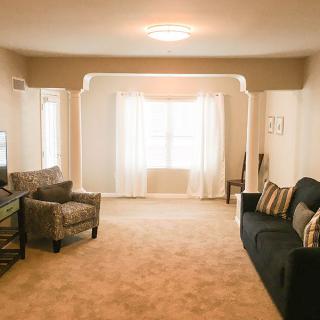
  • Fully furnished Fully furnishedFully furnished senior living communities are important for seniors because they provide convenience, comfort, and a hassle-free moving experience. Seniors can easily settle into their new living space without the stress of having to buy and move furniture. This allows them to focus on enjoying their new home and community.
  • Gaming room Gaming roomGaming rooms are important for seniors as they provide a fun and engaging environment for socializing, cognitive stimulation, and physical activity. Games can improve memory, problem-solving skills, and overall mental well-being while fostering friendships and reducing feelings of isolation.
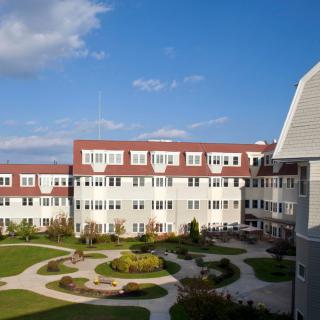
  • Garden GardenGardens are important for seniors as they provide a peaceful and therapeutic environment for relaxation, physical activity, and socialization. Being in nature has been shown to reduce stress, improve mood, and promote overall well-being. Gardens also offer opportunities for seniors to engage in gardening activities, which can improve mobility, flexibility, and cognitive function. Additionally, gardens create a sense of community and connection with others who share a passion for plants and outdoor spaces.
  • Housekeeping services Housekeeping servicesHousekeeping services are important for seniors because they help maintain a clean and safe living environment, promote independence, and reduce the risk of accidents or illnesses. Additionally, having assistance with household chores can alleviate physical strain and allow seniors to focus on other aspects of their well-being.
  • Kitchenette KitchenetteKitchenettes are important for seniors living in senior living communities because they provide the convenience and independence of being able to prepare simple meals and snacks in the comfort of their own living space. This can help promote a sense of autonomy and well-being for seniors, allowing them to maintain some level of control over their dietary choices and daily routines.
  • Move-in coordination Move-in coordinationMove-in coordination is important for seniors because it helps ease the transition into their new living environment. It ensures that all logistics, such as packing, organizing movers, and setting up utilities are taken care of, allowing seniors to focus on settling in and adjusting to their new home. Having a smooth move-in process can alleviate stress and anxiety, making the transition smoother and more enjoyable for seniors.
  • Outdoor space Outdoor spaceOutdoor spaces are important for seniors as they provide opportunities for physical activity, social interaction, exposure to natural light and fresh air, and a sense of connection to nature. Having access to outdoor spaces can improve overall well-being and quality of life for older adults living in senior communities.
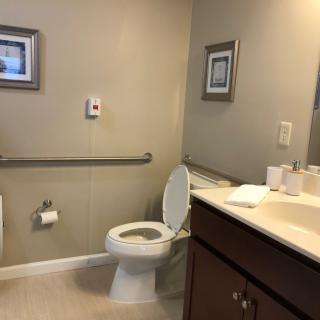
  • Private bathrooms Private bathroomsPrivate bathrooms are important for seniors in senior living communities because they provide independence, dignity, and comfort. Having a private bathroom allows seniors to maintain their personal hygiene routines without the need for assistance, promoting a sense of autonomy and privacy. Additionally, private bathrooms help prevent the spread of infections and provide a safe and clean environment for seniors to navigate safely.
  • Restaurant-style dining Restaurant-style diningRestaurant-style dining is important for seniors because it allows them to enjoy delicious, nutritious meals in a social and upscale setting. This enhances their dining experience, promotes healthy eating habits, and fosters socialization with fellow residents, ultimately contributing to their overall well-being and quality of life.
  • Small library Small librarySmall libraries are important for seniors as they provide access to a variety of reading materials, including books, newspapers, and magazines. This can help stimulate their minds, keep them engaged, and provide a sense of community through book clubs and other social activities. Additionally, reading has been shown to improve cognitive function and overall mental well-being in older adults.
  • Telephone TelephoneTelephones are important for seniors as they provide a lifeline for communication with loved ones, emergency services, and healthcare providers. They offer a sense of security and independence, enabling seniors to stay connected and access assistance when needed.
  • Wellness center Wellness centerWellness centers are important for seniors because they offer a variety of programs and services that promote physical, mental, and emotional well-being. These centers provide opportunities for exercise, socialization, education, and relaxation, helping seniors maintain their overall health and quality of life.
  • Wi-Fi/high-speed internet available Wi-Fi/high-speed internet availableWi-Fi/high-speed internet is important for seniors to stay connected with loved ones, access online resources, and participate in virtual activities to combat feelings of loneliness and isolation. It also allows them to easily manage healthcare needs, access entertainment, and engage in lifelong learning opportunities.

Transportation

  • Worcester Regional (14 miles away) Worcester Regional (14 miles away)
  • Community operated transportation Community operated transportationCommunity operated transportation is crucial for seniors as it provides them with the means to access essential services, social activities, and medical appointments. It allows seniors to maintain their independence and quality of life by ensuring they can participate in activities outside of their homes. Additionally, community-operated transportation services offer a safe and reliable way for seniors to travel without having to rely on family or friends for assistance.
  • Transportation arrangement Transportation arrangementTransportation arrangements are crucial for seniors as they may face challenges with driving, mobility, or access to public transportation. Having reliable transportation services ensures that seniors can easily attend appointments, social activities, and maintain their independence and quality of life.
  • Transportation arrangement (non-medical) Transportation arrangement (non-medical)Transportation arrangements are essential for seniors as they provide access to essential services, activities, and social interactions outside the home. This service helps maintain independence, mobility, and overall well-being for seniors who may have limited transportation options.
  • Transportation to doctors appointments Transportation to doctors appointmentsTransportation to doctors appointments is crucial for seniors as it ensures they have access to necessary medical care and support, promoting their health and well-being. It allows them to receive timely treatment, monitor existing conditions, and address any new health concerns efficiently. Additionally, transportation services can help seniors maintain their independence and quality of life by enabling them to stay connected with their healthcare providers.

Care Services

  • 12-16 hour nursing 12-16 hour nursing12-16 hour nursing care is crucial for seniors in order to ensure around-the-clock monitoring, timely medication administration, and prompt response to any health concerns or emergencies. This level of care helps to promote the overall well-being and safety of seniors living in senior living communities.
  • 24-hour call system 24-hour call system24-hour call systems are important for seniors because they provide peace of mind and immediate assistance in case of emergencies. This technology ensures that help is always available, promoting safety and security for elderly individuals living alone or in assisted living facilities.
  • 24-hour supervision 24-hour supervision24-hour supervision is important for seniors to ensure their safety, well-being, and access to immediate assistance in case of emergencies or health issues. This constant support provides peace of mind for both seniors and their loved ones, allowing them to age in place with dignity and security.
  • Activities of daily living assistance Activities of daily living assistanceActivities of daily living assistance are important for seniors because they provide essential support with tasks such as eating, bathing, dressing, and mobility. This assistance helps seniors maintain their independence, dignity, and overall quality of life as they age.
  • Assistance with bathing Assistance with bathingAssistance with bathing is crucial for seniors as it helps maintain personal hygiene, prevents infections, and ensures their overall well-being and comfort. It also provides a sense of dignity and independence for seniors who may struggle with this task on their own.
  • Assistance with dressing Assistance with dressingAssistance with dressing is important for seniors because it helps maintain their independence, promotes personal hygiene, prevents accidents and injuries, and improves overall quality of life. This service ensures that seniors can continue to dress comfortably and confidently, despite any physical limitations they may have.
  • Assistance with transfers Assistance with transfersAssistance with transfers is crucial for seniors as it helps prevent falls and injuries, maintains their independence, and ensures they can safely navigate their living environment. It also provides peace of mind for both seniors and their loved ones.
  • Diabetes diet Diabetes dietA diabetes diet is crucial for seniors as it helps manage blood sugar levels, reduce risks of complications, and improve overall health and well-being. By following a balanced and nutritious diet tailored to their specific needs, seniors can better control their diabetes and enhance their quality of life.
  • Meal preparation and service Meal preparation and serviceMeal preparation and service are crucial for seniors as they may have limited mobility or energy to cook nutritious meals. Having access to healthy and convenient food options can ensure they are getting the proper nutrition needed to maintain their overall health and well-being.
  • Medication management Medication managementMedication management is crucial for seniors to ensure they are taking the right medications at the correct dosages and times. This helps prevent adverse drug interactions, reduces the risk of medication errors, and promotes overall health and well-being. Proactive management also allows for adjustments as needed based on changing health conditions or new prescriptions.
  • Mental wellness program Mental wellness programMental wellness programs are essential for seniors as they promote cognitive stimulation, emotional support, and social engagement. These programs help prevent isolation, depression, and cognitive decline, ultimately enhancing the overall quality of life for older adults.
  • Special dietary restrictions Special dietary restrictionsSpecial dietary restrictions are important for seniors because age-related changes in metabolism and health conditions can make it difficult for their bodies to process certain foods. By following a diet tailored to their specific needs, seniors can maintain their overall health and well-being, manage chronic conditions, and reduce the risk of complications such as malnutrition or food interactions with medications.

Dining

  • Diabetes diet Diabetes dietA diabetes diet is crucial for seniors as it helps manage blood sugar levels, reduce risks of complications, and improve overall health and well-being. By following a balanced and nutritious diet tailored to their specific needs, seniors can better control their diabetes and enhance their quality of life.
  • Special dietary restrictions Special dietary restrictionsSpecial dietary restrictions are important for seniors because age-related changes in metabolism and health conditions can make it difficult for their bodies to process certain foods. By following a diet tailored to their specific needs, seniors can maintain their overall health and well-being, manage chronic conditions, and reduce the risk of complications such as malnutrition or food interactions with medications.

Activities

  • Community-sponsored activities Community-sponsored activitiesCommunity-sponsored activities are important for seniors as they provide opportunities for social interaction, mental stimulation, and physical activity. These activities can help improve overall well-being, combat loneliness and isolation, and promote a sense of belonging and purpose among older adults.
  • Concierge services Concierge servicesConcierge services are essential for seniors as they provide assistance with daily tasks and errands, enhance their quality of life by offering convenience and personalized care, and promote a sense of safety and security.
  • Fitness programs Fitness programsFitness programs are crucial for seniors as they help improve strength, flexibility, balance, and overall well-being. Staying active can reduce the risk of chronic diseases, improve mental health, and enhance quality of life in older adults.
  • Planned day trips Planned day tripsPlanned day trips are important for seniors because they offer opportunities for socialization, mental stimulation, and physical activity. They provide a change of scenery and help seniors stay engaged and connected to their community, promoting overall well-being and quality of life.
  • Resident-run activities Resident-run activitiesResident-run activities are important for seniors as they encourage social interaction, creativity, and a sense of autonomy. These activities empower seniors to stay engaged and active in their community while fostering meaningful connections with their peers.
  • Scheduled daily activities Scheduled daily activitiesScheduled daily activities are important for seniors because they provide structure, socialization, mental stimulation, and physical activity. Engaging in regular activities can improve overall well-being and quality of life for seniors living in a community setting.

Description

Quaboag Rehabilitation & Skilled Care Facility in West Brookfield, MA offers an exceptional assisted living community with a wide range of amenities and care services to ensure the comfort and well-being of its residents.

The facility provides a variety of amenities to enhance the lives of its residents. From a beauty salon for personal grooming needs to fully furnished accommodations for a comfortable stay, Quaboag Rehabilitation & Skilled Care Facility ensures that residents have access to all the necessary amenities. The community also offers cable or satellite TV for entertainment, a gaming room for recreational activities, and a small library for those who enjoy reading.

For dining options, residents can enjoy restaurant-style dining in the facility's dining room. There is also a kitchenette available for those who prefer cooking their own meals. Special dietary restrictions are accommodated to ensure that all residents' nutritional needs are met.

Quaboag Rehabilitation & Skilled Care Facility prioritizes the physical and mental wellness of its residents. The fitness room and wellness center allow residents to engage in exercise programs and maintain an active lifestyle. Planned day trips and resident-run activities provide opportunities for socialization and engagement within the community.

Residents receive personalized care services at Quaboag Rehabilitation & Skilled Care Facility. Trained staff is available 24/7 to provide assistance with activities of daily living, such as bathing, dressing, and transfers. Medication management ensures that residents receive their prescribed medications on time. Special dietary restrictions, including diabetes diets, are catered to promote nutritional health.

The community offers transportation arrangements both within the local area and to doctors' appointments, ensuring that residents have easy access to healthcare services and other essential destinations.

Nearby amenities also contribute to the convenience of living at Quaboag Rehabilitation & Skilled Care Facility. Residents have easy access to pharmacies, physicians' offices, restaurants, and places of worship.

Overall, Quaboag Rehabilitation & Skilled Care Facility provides a welcoming and inclusive assisted living community that prioritizes the comfort, well-being, and social engagement of its residents.

Nearby Places of Interest

Physicians

  • West Brookfield Family Practice (0.2 miles)
  • Dr Shultz (5.3 miles)
  • Mary Lane Adult Medicine (5.4 miles)
  • Harrington Physician Services (5.9 miles)
  • Harrington Health Care (8.5 miles)
  • Trek Associates (9.1 miles)
  • Harrington Health Care at Route 169 (9.7 miles)

Restaurants

  • Howards Drive In (0.4 miles)
  • West Brookfield Highway Cafe (0.5 miles)
  • Depot Square Deli & Package Store (4.7 miles)
  • 308 Lakeside (4.7 miles)
  • Rose32 Bread (6.1 miles)
  • McDonald's (6.4 miles)
  • Charlies Diner (6.5 miles)

Pharmacies

  • Hannaford Pharmacy (3.5 miles)
  • CVS Pharmacy (5.8 miles)
  • CVS Pharmacy (7.4 miles)
  • Walmart Pharmacy (8.4 miles)
  • CVS Pharmacy (8.8 miles)
  • Big Y (10.4 miles)
  • Walmart Pharmacy (10.4 miles)

Places of Worship

  • Quaboag Seventh-Day Adventist (4 miles)
  • St Patrick Parish St Anne Shrine Gift Shop (8.2 miles)
  • Charlton Federated Church (11.2 miles)
  • Notre Dame Church (12 miles)
  • Roman Catholic Bishop WRCSTR (12.9 miles)
  • First Church of Monson (13 miles)

Parks

  • Howe State Park (7.2 miles)
  • Burleigh Park (9.1 miles)
  • Buffumville State Park (13.9 miles)
  • Hadwen Park (15.1 miles)

Cafes

  • Mimi's Coffeehouse of Hardwick (8.4 miles)
  • Cedar Street Café (8.7 miles)
  • Panera Bread (8.8 miles)
  • Mug'n Muffin (12.4 miles)
  • Starbucks (15.4 miles)

Hospitals

  • Palmer Medical Center (11.3 miles)
  • Baystate Medical Center (11.4 miles)
  • Emergency Department, Harrington Hospital (11.9 miles)
  • Womens Center at Harrington Hospital (11.9 miles)
  • Rehabilitation Services at Harrington Memorial Hospital (11.9 miles)
  • Harrington Cardiology Department (11.9 miles)
  • Harrington Cancer Center (11.9 miles)

Frequently Asked Questions

Where is Quaboag Rehabilitation & Skilled Care Facility?

Nearby Communities

  • Cedarbrook Village

    Cedarbrook Village

    Ware, MA

    4.3 from 23 reviews
     

    pro Clean, welcoming community with attentive staff and broad amenities.

  • Cedarbrook Village at Ware

    Cedarbrook Village at Ware

    Ware, MA

    4.7 from 57 reviews
    $3,480 to $4,890 / month

    pro Caring staff, a clean, attractive environment, and strong social/activities programs.

  • Lincoln Hill Manor Rest Home

    Lincoln Hill Manor Rest Home

    Spencer, MA

    4.1 from 10 reviews
     

    pro Peaceful setting with nearby parks, pharmacies, a physician, and dining options.

  • The Overlook In Charlton

    The Overlook In Charlton

    Charlton, MA

     
    $3,400 to $4,100 / month

    pro Wide range of care options with competitive pricing.

  • The Overlook Life Community

    The Overlook Life Community

    Charlton, MA

    4.5 from 63 reviews
    $6,750 / month

    pro Modern, well-kept spaces with spacious apartments and an active, caring staff.

  • Fieldstone At The Overlook

    Fieldstone At The Overlook

    Blackstone, MA

    4.4 from 32 reviews
     

    pro Continuum of care (assisted living to skilled nursing) in a small, intimate setting with comprehensive services and daily activities.

  • Life Care Center of Auburn

    Life Care Center of Auburn

    Auburn, MA

    4.8 from 105 reviews
     

    pro Compassionate staff in a clean, home-like setting with active rehab programs.

  • Hermitage Healthcare

    Hermitage Healthcare

    Worcester, MA

    2.4 from 29 reviews
    $7,800 / month

    pro 24/7 skilled nursing with memory care and extensive on-site amenities.

  • Goddard House

    Goddard House

    Worcester, MA

    4.7 from 19 reviews
    $2,800 to $4,300 / month

    pro Active senior community with ample on-site and off-site activities, friendly staff, and convenient transportation.

Related Resources

  • caring for elderly parentsNurturing Our Elders: Linda's Journey of Supporting Her Mother

    Linda's caregiving journey for her elderly mother, Joan, is marked by deep love and challenges as she navigates health changes, emotional support, and practical arrangements while learning to prioritize self-care and utilize community resources. Their evolving relationship highlights resilience and the universal themes of empathy and preparedness in caregiver experiences.

  • obtaining power of attorney without consentA Comprehensive Exploration of Common Misunderstandings about Powers of Attorney

    The article clarifies common misconceptions about Powers of Attorney (POA), highlighting the necessity of the principal's consent, the limitations on an agent's authority, and the importance of mental capacity when signing. It also distinguishes between various types of POAs, addresses concerns about potential abuse, and emphasizes the need for legal consultation to ensure valid and up-to-date documents.

  • senior move managementSenior Move Management: Understanding the Role, Value, and Associated Costs

    Senior move management provides specialized support for older adults relocating by assisting with logistics, emotional challenges, and downsizing decisions to ensure a smooth transition to new living environments. These services address the unique needs of seniors and have become increasingly important as baby boomers retire and seek to downsize.