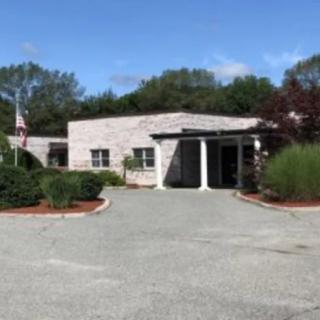
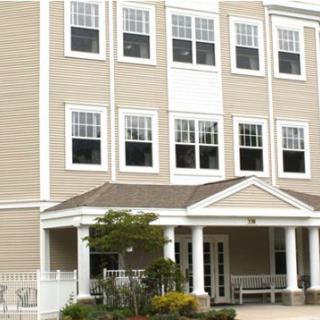
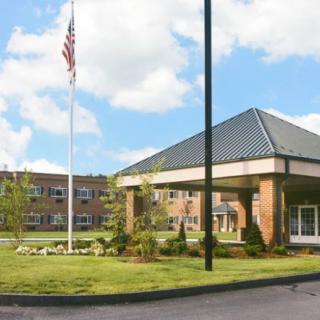
Webster Manor Rehabilitation & Health Care Center in Webster, MA

Save

Webster Manor Rehabilitation & Health Care Center in Webster, MA

Information last verified:

745 School Street, Webster, MA 01570

For more information about senior living options: (844) 490-3973

3.1 from 52 reviews
5 stars
20
4 stars
6
3 stars
4
2 stars
3
1 stars
19

Overall Review of Webster Manor Rehabilitation & Health Care Center

Pros

  • pro The staff at Webster Manor are awesome and provide the best care possible.
  • pro The aides are pleasant, no-nonsense, and genuinely helpful.
  • pro The ambassador Krystal is spectacular and goes out of her way to assist.
  • pro Excellent care comes from all staff, including nursing, rehab, and maintenance.
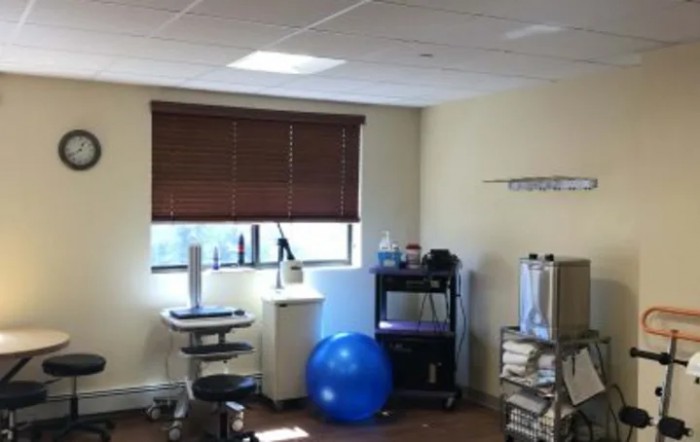
  • pro The rehab and therapy teams are awesome and work hard to meet each resident’s needs.
  • pro The reviewers consistently note wonderfully caring staff who make residents feel comfortable and welcomed.
  • pro Short-term respite stays have left families with nothing but positive impressions of the staff.

Cons

  • pro The surgery was not a success, and the family had to make that horrible decision.
  • pro She passed away.
  • pro Webster Manor robbed the husband of hours with his mother while she was conscious.
  • pro The mother-in-law must have been so scared.
  • pro The facility sent a final bill after the loss.
  • pro The place was dirty, smelled of urine, and had horrible food.
  • pro The entire floor smelled of urine and the air conditioning was not on.
  • pro The roof had a giant hole and the grounds were not kept up.
  • pro There were weeks without hot water for a family member.
  • pro Laundry service was the worst, with clothes missing.

Review

Webster Manor Rehabilitation & Health Care Center is best suited for seniors who need short-term, rehab-focused care and value hands-on attention from front-line staff, provided there is a reliable advocate watching the daily operations. When therapy is available and consistently delivered, residents can make meaningful gains, and attentive aides or therapists can make a real difference in day-to-day comfort. The facility can work for those who tolerate an older building and occasional maintenance quirks, as long as the core caregiving team remains compassionate and engaged. It is not ideal for families seeking pristine facilities, uniform administrative responsiveness, or a consistently seamless experience day after day.

For families weighing alternatives, this community may not be the right fit if dependable leadership, transparent communication, and modern amenities are non-negotiables. Potential residents who require steady, timely medication administration, reliable housekeeping, and a highly predictable environment should look elsewhere. Those who prioritize quiet, well-maintained surroundings, or who want strong accountability from administration and centralized oversight, will likely be better served by facilities with higher staffing stability and more consistent quality ratings. In short, it helps to have an active advocate who can navigate a facility with mixed reports about management.

Pros can be genuinely meaningful in the rehab setting when the frontline team is committed. Several reviewers highlight caring nurses and aides who connect with residents and a therapy program that delivers real progress for those engaged in rehabilitation. Specific staffers are repeatedly praised for going above and beyond, and the rehab/therapy team is frequently described as capable and personable. In moments when the team aligns with a resident’s needs, families witness tangible improvements in mobility and daily functioning. These positive interactions, however, tend to hinge on staffing levels and leadership consistency, which are variable across reviews.

The main cons are not subtle: chronic understaffing, inconsistent communication from leadership, and tangible lapses in basic safety and daily operations. Recurrent complaints include delayed or missing medications, inconsistent meal service, and episodes of neglect in maintenance or housekeeping. Reports of unpleasant odors, hot-water or climate-control problems, and outdated facilities color many impressions. A pattern emerges where strong bedside care exists on some shifts or with particular staff, but wanders when supervision falters. For long-term residents or those with complex needs, these fluctuations can dramatically erode trust and safety.

Those evaluating Webster Manor must weigh the degree of risk against the potential rehab payoff. If a trusted family member can stay closely involved, insist on clear, elevated communication, and demand prompt escalation of any issue, the positives, effective therapy, accessible compassionate aides, and moments of excellent care, can shine through. Yet every family should prepare for the possibility that medication timing will drift, housekeeping will disappoint, and administrative leadership may not consistently shepherd a smooth experience. The best fit will be a patient who views rehab as the priority and accepts that the surrounding environment may require ongoing attention and advocacy.

In practical terms, prospective residents and their families should approach a stay with a concrete plan. Schedule a thorough tour that includes multiple floors, speak directly with frontline staff about typical shifts, and request to review recent survey results and any corrective action plans. Set up a clear line of communication with a designated administrator or social worker and confirm who to contact after hours. Consider a short-term enrollment first to assess how meds, meals, and rehab therapy align with expectations, and use that window to gauge overall safety, cleanliness, and responsiveness. If these criteria consistently underperform, it is prudent to pursue alternatives.

Ultimately, Webster Manor offers a mixed-to-cautious opportunity. For rehab-centric care supported by truly engaged frontline staff, with a vigilant family presence, the center can deliver meaningful recovery and genuine care. For families seeking consistent administrative competence, modern facilities, and rock-solid reliability in every facet of daily operation, stronger options exist within the region. The decision should rest on the priority given to therapy outcomes versus the certainty of daily operations, with a readiness to pivot if the balance tilts toward ongoing management gaps.

Features

Housing

  • 135 resident community capacity 135 resident community capacity

Types of Care

  • Skilled Nursing Facility Skilled Nursing FacilitySkilled Nursing Facilities are crucial for seniors as they provide round-the-clock medical care, rehabilitation services, and assistance with daily activities. These facilities ensure that seniors receive the specialized care they need to maintain their health and well-being as they age.

Amenities

  • Air-conditioning Air-conditioningAir conditioning is important for seniors as they are more vulnerable to heat-related illnesses and may have underlying health conditions that make it difficult for them to regulate their body temperature. It helps to keep them comfortable, safe, and healthy in hot weather.
  • Beauty salon Beauty salonBeauty salons are important for seniors because they provide a space for them to feel pampered, socialize, and maintain their personal grooming and hygiene. Regular visits to a beauty salon can help boost seniors' self-esteem and overall well-being.
  • Cable or satellite TV Cable or satellite TVCable or satellite TV is important for seniors because it provides entertainment, news, and companionship, helping to combat loneliness and boredom. It also offers a wide range of programming options tailored to different interests and preferences.
  • Computer center Computer centerA computer center is essential for seniors as it provides access to technology, communication tools, and resources that can enhance their daily lives. It allows them to stay connected with loved ones, engage in online activities, and learn new skills, ultimately promoting socialization and mental stimulation.
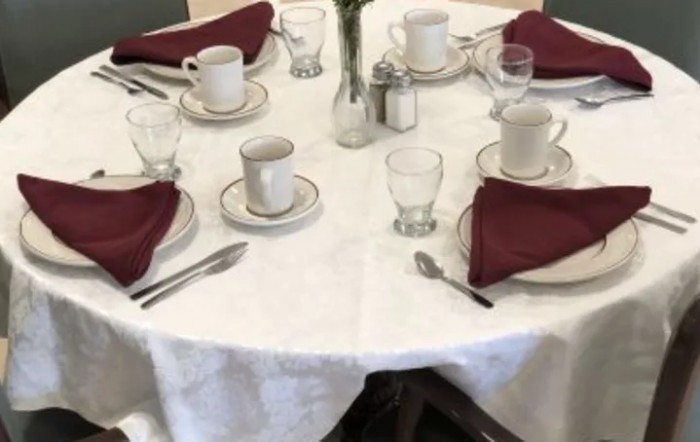
  • Dining room Dining roomDining rooms are important for seniors as they provide a space for socialization, connection, and nutritious meals. They offer opportunities for residents to bond over shared meals, foster a sense of community, and promote healthy eating habits. Dining rooms also ensure that seniors have access to well-balanced meals tailored to their dietary needs and preferences.
  • Fitness room Fitness roomHaving a fitness room in a senior living community is essential for seniors to stay active, maintain their physical health, and improve their overall well-being. Regular exercise can help prevent falls, reduce the risk of chronic diseases, and promote mental sharpness. It also provides social opportunities for residents to connect with others and enjoy a sense of community.
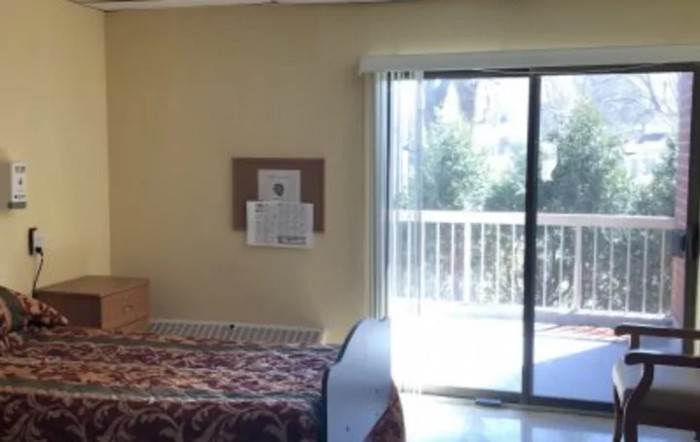
  • Fully furnished Fully furnishedFully furnished senior living communities are important for seniors because they provide convenience, comfort, and a hassle-free moving experience. Seniors can easily settle into their new living space without the stress of having to buy and move furniture. This allows them to focus on enjoying their new home and community.
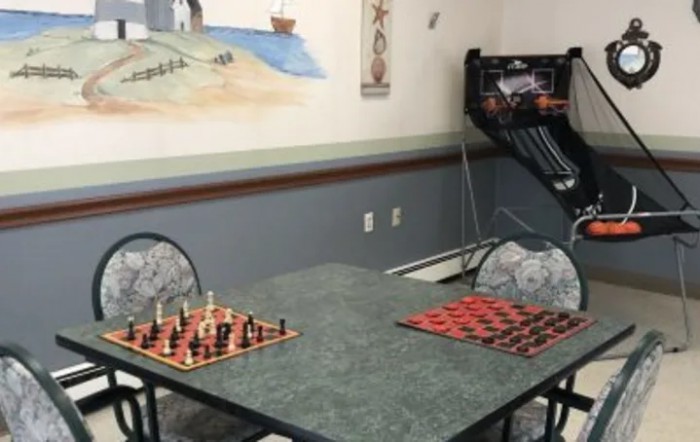
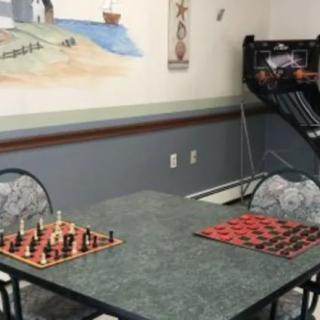
  • Gaming room Gaming roomGaming rooms are important for seniors as they provide a fun and engaging environment for socializing, cognitive stimulation, and physical activity. Games can improve memory, problem-solving skills, and overall mental well-being while fostering friendships and reducing feelings of isolation.
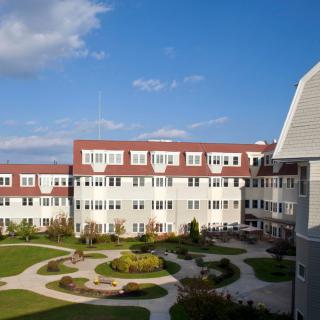
  • Garden GardenGardens are important for seniors as they provide a peaceful and therapeutic environment for relaxation, physical activity, and socialization. Being in nature has been shown to reduce stress, improve mood, and promote overall well-being. Gardens also offer opportunities for seniors to engage in gardening activities, which can improve mobility, flexibility, and cognitive function. Additionally, gardens create a sense of community and connection with others who share a passion for plants and outdoor spaces.
  • Housekeeping services Housekeeping servicesHousekeeping services are important for seniors because they help maintain a clean and safe living environment, promote independence, and reduce the risk of accidents or illnesses. Additionally, having assistance with household chores can alleviate physical strain and allow seniors to focus on other aspects of their well-being.
  • Kitchenette KitchenetteKitchenettes are important for seniors living in senior living communities because they provide the convenience and independence of being able to prepare simple meals and snacks in the comfort of their own living space. This can help promote a sense of autonomy and well-being for seniors, allowing them to maintain some level of control over their dietary choices and daily routines.
  • Move-in coordination Move-in coordinationMove-in coordination is important for seniors because it helps ease the transition into their new living environment. It ensures that all logistics, such as packing, organizing movers, and setting up utilities are taken care of, allowing seniors to focus on settling in and adjusting to their new home. Having a smooth move-in process can alleviate stress and anxiety, making the transition smoother and more enjoyable for seniors.
  • Outdoor space Outdoor spaceOutdoor spaces are important for seniors as they provide opportunities for physical activity, social interaction, exposure to natural light and fresh air, and a sense of connection to nature. Having access to outdoor spaces can improve overall well-being and quality of life for older adults living in senior communities.
  • Private bathrooms Private bathroomsPrivate bathrooms are important for seniors in senior living communities because they provide independence, dignity, and comfort. Having a private bathroom allows seniors to maintain their personal hygiene routines without the need for assistance, promoting a sense of autonomy and privacy. Additionally, private bathrooms help prevent the spread of infections and provide a safe and clean environment for seniors to navigate safely.
  • Restaurant-style dining Restaurant-style diningRestaurant-style dining is important for seniors because it allows them to enjoy delicious, nutritious meals in a social and upscale setting. This enhances their dining experience, promotes healthy eating habits, and fosters socialization with fellow residents, ultimately contributing to their overall well-being and quality of life.
  • Small library Small librarySmall libraries are important for seniors as they provide access to a variety of reading materials, including books, newspapers, and magazines. This can help stimulate their minds, keep them engaged, and provide a sense of community through book clubs and other social activities. Additionally, reading has been shown to improve cognitive function and overall mental well-being in older adults.
  • Telephone TelephoneTelephones are important for seniors as they provide a lifeline for communication with loved ones, emergency services, and healthcare providers. They offer a sense of security and independence, enabling seniors to stay connected and access assistance when needed.
  • Wellness center Wellness centerWellness centers are important for seniors because they offer a variety of programs and services that promote physical, mental, and emotional well-being. These centers provide opportunities for exercise, socialization, education, and relaxation, helping seniors maintain their overall health and quality of life.
  • Wi-Fi/high-speed internet available Wi-Fi/high-speed internet availableWi-Fi/high-speed internet is important for seniors to stay connected with loved ones, access online resources, and participate in virtual activities to combat feelings of loneliness and isolation. It also allows them to easily manage healthcare needs, access entertainment, and engage in lifelong learning opportunities.

Transportation

  • Worcester Regional (16 miles away) Worcester Regional (16 miles away)
  • Community operated transportation Community operated transportationCommunity operated transportation is crucial for seniors as it provides them with the means to access essential services, social activities, and medical appointments. It allows seniors to maintain their independence and quality of life by ensuring they can participate in activities outside of their homes. Additionally, community-operated transportation services offer a safe and reliable way for seniors to travel without having to rely on family or friends for assistance.
  • Transportation arrangement Transportation arrangementTransportation arrangements are crucial for seniors as they may face challenges with driving, mobility, or access to public transportation. Having reliable transportation services ensures that seniors can easily attend appointments, social activities, and maintain their independence and quality of life.
  • Transportation arrangement (non-medical) Transportation arrangement (non-medical)Transportation arrangements are essential for seniors as they provide access to essential services, activities, and social interactions outside the home. This service helps maintain independence, mobility, and overall well-being for seniors who may have limited transportation options.
  • Transportation to doctors appointments Transportation to doctors appointmentsTransportation to doctors appointments is crucial for seniors as it ensures they have access to necessary medical care and support, promoting their health and well-being. It allows them to receive timely treatment, monitor existing conditions, and address any new health concerns efficiently. Additionally, transportation services can help seniors maintain their independence and quality of life by enabling them to stay connected with their healthcare providers.

Care Services

  • 12-16 hour nursing 12-16 hour nursing12-16 hour nursing care is crucial for seniors in order to ensure around-the-clock monitoring, timely medication administration, and prompt response to any health concerns or emergencies. This level of care helps to promote the overall well-being and safety of seniors living in senior living communities.
  • 24-hour call system 24-hour call system24-hour call systems are important for seniors because they provide peace of mind and immediate assistance in case of emergencies. This technology ensures that help is always available, promoting safety and security for elderly individuals living alone or in assisted living facilities.
  • 24-hour supervision 24-hour supervision24-hour supervision is important for seniors to ensure their safety, well-being, and access to immediate assistance in case of emergencies or health issues. This constant support provides peace of mind for both seniors and their loved ones, allowing them to age in place with dignity and security.
  • Activities of daily living assistance Activities of daily living assistanceActivities of daily living assistance are important for seniors because they provide essential support with tasks such as eating, bathing, dressing, and mobility. This assistance helps seniors maintain their independence, dignity, and overall quality of life as they age.
  • Assistance with bathing Assistance with bathingAssistance with bathing is crucial for seniors as it helps maintain personal hygiene, prevents infections, and ensures their overall well-being and comfort. It also provides a sense of dignity and independence for seniors who may struggle with this task on their own.
  • Assistance with dressing Assistance with dressingAssistance with dressing is important for seniors because it helps maintain their independence, promotes personal hygiene, prevents accidents and injuries, and improves overall quality of life. This service ensures that seniors can continue to dress comfortably and confidently, despite any physical limitations they may have.
  • Assistance with transfers Assistance with transfersAssistance with transfers is crucial for seniors as it helps prevent falls and injuries, maintains their independence, and ensures they can safely navigate their living environment. It also provides peace of mind for both seniors and their loved ones.
  • Diabetes diet Diabetes dietA diabetes diet is crucial for seniors as it helps manage blood sugar levels, reduce risks of complications, and improve overall health and well-being. By following a balanced and nutritious diet tailored to their specific needs, seniors can better control their diabetes and enhance their quality of life.
  • Meal preparation and service Meal preparation and serviceMeal preparation and service are crucial for seniors as they may have limited mobility or energy to cook nutritious meals. Having access to healthy and convenient food options can ensure they are getting the proper nutrition needed to maintain their overall health and well-being.
  • Medication management Medication managementMedication management is crucial for seniors to ensure they are taking the right medications at the correct dosages and times. This helps prevent adverse drug interactions, reduces the risk of medication errors, and promotes overall health and well-being. Proactive management also allows for adjustments as needed based on changing health conditions or new prescriptions.
  • Mental wellness program Mental wellness programMental wellness programs are essential for seniors as they promote cognitive stimulation, emotional support, and social engagement. These programs help prevent isolation, depression, and cognitive decline, ultimately enhancing the overall quality of life for older adults.
  • Special dietary restrictions Special dietary restrictionsSpecial dietary restrictions are important for seniors because age-related changes in metabolism and health conditions can make it difficult for their bodies to process certain foods. By following a diet tailored to their specific needs, seniors can maintain their overall health and well-being, manage chronic conditions, and reduce the risk of complications such as malnutrition or food interactions with medications.

Dining

  • Diabetes diet Diabetes dietA diabetes diet is crucial for seniors as it helps manage blood sugar levels, reduce risks of complications, and improve overall health and well-being. By following a balanced and nutritious diet tailored to their specific needs, seniors can better control their diabetes and enhance their quality of life.
  • Special dietary restrictions Special dietary restrictionsSpecial dietary restrictions are important for seniors because age-related changes in metabolism and health conditions can make it difficult for their bodies to process certain foods. By following a diet tailored to their specific needs, seniors can maintain their overall health and well-being, manage chronic conditions, and reduce the risk of complications such as malnutrition or food interactions with medications.

Activities

  • Community-sponsored activities Community-sponsored activitiesCommunity-sponsored activities are important for seniors as they provide opportunities for social interaction, mental stimulation, and physical activity. These activities can help improve overall well-being, combat loneliness and isolation, and promote a sense of belonging and purpose among older adults.
  • Concierge services Concierge servicesConcierge services are essential for seniors as they provide assistance with daily tasks and errands, enhance their quality of life by offering convenience and personalized care, and promote a sense of safety and security.
  • Fitness programs Fitness programsFitness programs are crucial for seniors as they help improve strength, flexibility, balance, and overall well-being. Staying active can reduce the risk of chronic diseases, improve mental health, and enhance quality of life in older adults.
  • Planned day trips Planned day tripsPlanned day trips are important for seniors because they offer opportunities for socialization, mental stimulation, and physical activity. They provide a change of scenery and help seniors stay engaged and connected to their community, promoting overall well-being and quality of life.
  • Resident-run activities Resident-run activitiesResident-run activities are important for seniors as they encourage social interaction, creativity, and a sense of autonomy. These activities empower seniors to stay engaged and active in their community while fostering meaningful connections with their peers.
  • Scheduled daily activities Scheduled daily activitiesScheduled daily activities are important for seniors because they provide structure, socialization, mental stimulation, and physical activity. Engaging in regular activities can improve overall well-being and quality of life for seniors living in a community setting.

Description

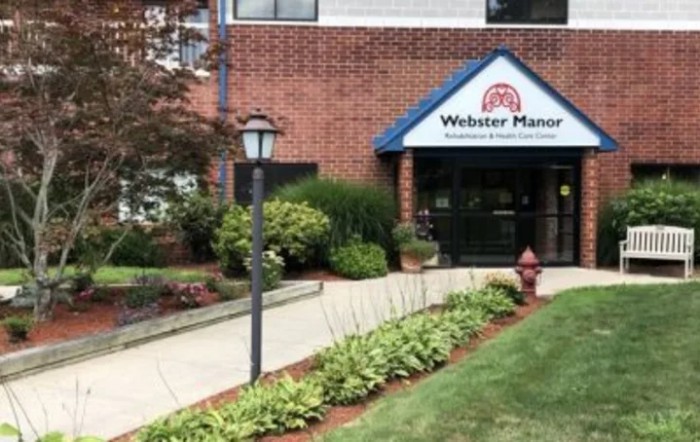
Webster Manor Rehabilitation & Health Care Center is an assisted living community located in Webster, MA. Our goal is to provide a comfortable and enriching environment for our residents, offering a wide range of amenities and care services to meet their needs.

Our community features a variety of amenities to enhance the quality of life for our residents. We have a beauty salon on-site, allowing residents to easily access professional hair and beauty services. Cable or satellite TV is available in each room, ensuring residents can enjoy their favorite shows and stay connected to the world. Community operated transportation is provided, making it convenient for residents to go shopping or attend local events. We also have a computer center with Wi-Fi/high-speed internet access, allowing residents to stay connected with friends and family online.

We take pride in providing delicious meals for our residents. Our dining room offers restaurant-style dining with a variety of menu options. Special dietary restrictions are accommodated, ensuring that all residents can enjoy nutritious meals tailored to their specific needs.

At Webster Manor Rehabilitation & Health Care Center, we offer a range of care services designed to support our residents' overall well-being. Our 24-hour call system provides peace of mind knowing assistance is always just a click away. Trained staff are available around-the-clock to provide 24-hour supervision and assistance with activities of daily living such as bathing and dressing. Medication management ensures that residents receive their medications safely and on time.

We believe in promoting mental wellness as well as physical health. Our mental wellness program focuses on engaging activities and social interaction that help promote cognitive health and emotional well-being.

Residents at Webster Manor Rehabilitation & Health Care Center can enjoy various activities organized by our dedicated staff. Fitness programs are offered to encourage physical activity, while planned day trips provide opportunities for exploration and fun outside the community. Resident-run activities allow individuals to share their interests and talents with others, fostering a sense of community spirit. Scheduled daily activities ensure that there is always something engaging and enjoyable happening for our residents.

Our location in Webster, MA provides convenient access to nearby amenities and services. Cafes, parks, pharmacies, and restaurants are all within close proximity to our community, making it easy for residents to enjoy outings and find everything they need. Places of worship and hospitals are also conveniently located nearby.

At Webster Manor Rehabilitation & Health Care Center, we strive to create a warm and welcoming environment where residents can feel comfortable and supported. Our range of amenities and care services are designed to enhance the quality of life for our residents while promoting their overall well-being.

Nearby Places of Interest

Cafes

  • Dippin Donuts (0.9 miles)

Restaurants

  • McDonald's (1.4 miles)
  • Honey Dew Donuts (1.7 miles)
  • Burger King (1.8 miles)
  • Point Breeze (2.2 miles)
  • Samuel Slater's Restaurant (2.4 miles)
  • Yummy Restaurant (2.9 miles)
  • N & J Donuts (5.6 miles)

Pharmacies

  • Rite Aid (1.6 miles)
  • Walgreens (1.6 miles)
  • CVS Pharmacy (1.7 miles)
  • CVS Pharmacy (7.8 miles)
  • CVS Pharmacy (8.4 miles)
  • Walgreens (8.4 miles)
  • CVS Pharmacy (8.7 miles)

Physicians

  • Women's Health of Central Massachusetts (1.7 miles)
  • Fallon Clinic (1.7 miles)
  • South County Pediatrics (1.7 miles)
  • Grabias Medical Group PC (1.8 miles)
  • Reliant Medical Group (1.8 miles)
  • Webster Medical Center: Dr Kurland (3 miles)
  • Webster Medical Center (3 miles)

Hospitals

  • Harrington HealthCare at Webster (1.7 miles)
  • Hubbard Regional Hospital (1.8 miles)
  • Hubbard Regional Hospital Outpatient Rehabilitation (3 miles)
  • Eleanor Slater Hospital (6.7 miles)
  • Harrington Cancer Center (8.7 miles)
  • Harrington HealthCare System (8.7 miles)
  • Womens Center at Harrington Hospital (8.7 miles)

Places of Worship

  • St Anthonys Church (2 miles)
  • High Pointe Church (2.5 miles)
  • St Joseph R C Church (4.1 miles)
  • Charlton Federated Church (8 miles)
  • Notre Dame Church (8.4 miles)
  • Meyer Thomas H Rev (8.5 miles)
  • Methodist Church of Putnam (8.7 miles)

Parks

  • Thompson Recreation Commission (4.1 miles)
  • Buffumville State Park (6.1 miles)
  • West Thompson Dam (6.4 miles)
  • Hauser Field & Playground (10.2 miles)

Transportation

  • Woodstock Airport (8.7 miles)

Frequently Asked Questions

Where is Webster Manor Rehabilitation & Health Care Center?
What photos are available for Webster Manor Rehabilitation & Health Care Center in Webster, Massachusetts?

Nearby Communities

  • Lanessa Extended Care

    Lanessa Extended Care

    Webster, MA

    3.4 from 27 reviews
     

    pro Comprehensive amenities and 24/7 staff.

  • Tri State Home Care LLC

    Tri State Home Care LLC

    Dudley, MA


    pro Convenient access to nearby amenities and healthcare (cafes, parks, pharmacies, physicians, restaurants, places of worship, and hospitals).

  • Golden Life Home Care

    Golden Life Home Care

    Webster, MA

     
    $3,600 to $4,000 / month

    pro More affordable private/semi-private rooms; diabetic care available

  • Christopher Heights of Webster

    Christopher Heights of Webster

    Webster, MA

    4.1 from 33 reviews
    $5,550 to $6,550 / month

    pro Immaculate, homelike environment with attentive staff and engaging activities.

  • Brookside Rehabilitation And Healthcare Center

    Brookside Rehabilitation And Healthcare Center

    Webster, MA

    3.3 from 23 reviews
     

    pro Caring staff and engaging activities with accommodating dining.

  • New England Commons

    New England Commons

    Webster, MA


    pro Intimate, small-scale community enabling personalized care

  • The Overlook In Charlton

    The Overlook In Charlton

    Charlton, MA

     
    $3,400 to $4,100 / month

    pro Wide range of care options with competitive pricing.

  • Life Care Center of Auburn

    Life Care Center of Auburn

    Auburn, MA

    4.8 from 113 reviews
     

    pro Compassionate staff in a clean, home-like setting with active rehab programs.

  • Lodge at Eddy Pond

    Lodge at Eddy Pond

    Auburn, MA

    4.7 from 10 reviews
    $2,150 to $3,500 / month

    pro Staff are caring and treat residents like family, with 24/7 responsiveness and a warm, clean atmosphere.

Related Resources

  • nursing home costsA Detailed Examination of Nursing Home Costs Across the U.S.
    Nursing home care costs in the U.S. vary significantly based on location, level of care, and amenities, with private room prices ranging from approximately $6,700 to over $30,000 monthly. Families need to explore various payment options and conduct thorough research to manage these expenses effectively.

  • non medical home careExploring Nonmedical Home Care: Understanding Services, Costs, and Financial Approaches

    Nonmedical home care provides assistance with daily activities and companionship for individuals wishing to maintain independence and quality of life at home, without medical intervention. Its growing popularity is driven by an aging population, the need for supportive environments for recovery, and the emotional benefits of caregiver companionship, while costs vary based on service frequency and location.

  • brain games for seniorsEngaging Brain Games and Innovative Apps to Keep Senior Minds Active
    Maintaining cognitive fitness through engaging in various brain games, both traditional and digital, is crucial for seniors as it enhances memory retention, problem-solving abilities, and emotional well-being while helping to protect against age-related decline. A holistic approach that includes diverse activities, physical exercise, a balanced diet, and social interaction further supports mental health and cognitive function.