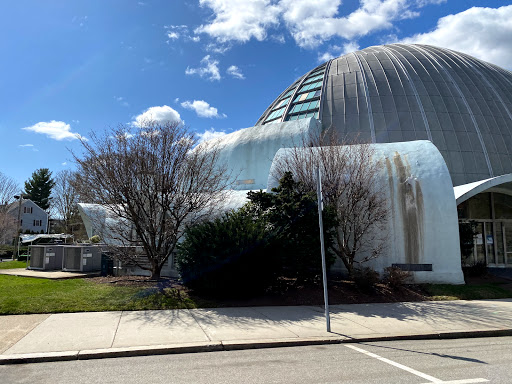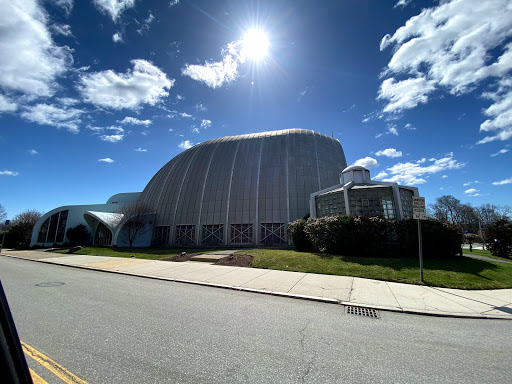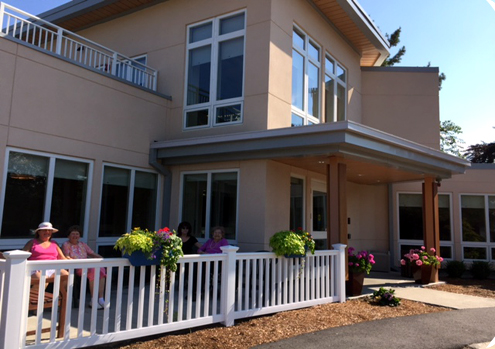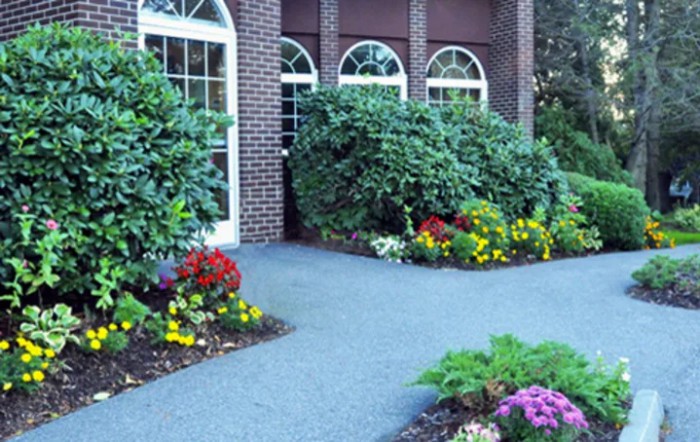
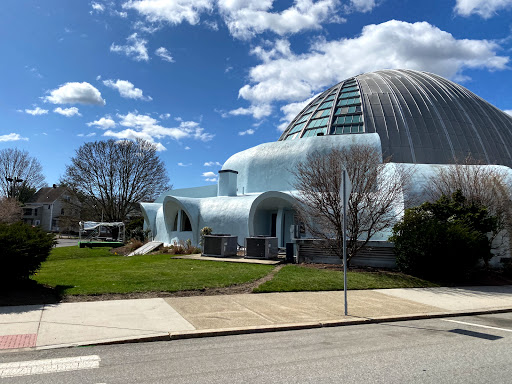



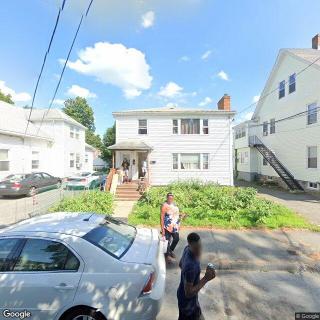
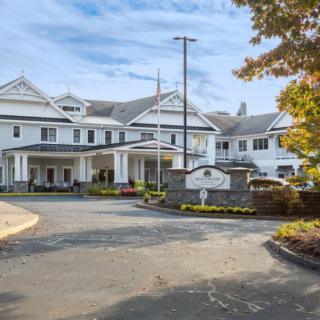
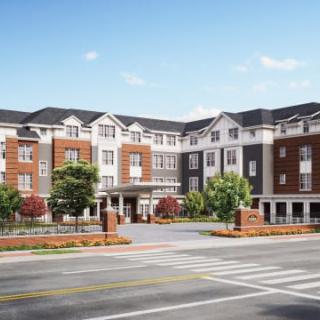
66 Newton Street, Waltham, MA 02453
For more information about senior living options: (866) 208-4318
Overall Review of Maristhill Nursing & Rehabilitation Center
Pros
 The nurses, CNAs, and therapists are lovely.
- The staff gave wonderful care and were very attentive to her needs.
- The rehab staff was great and worked very diligently.
- Hospice care began, which was excellent.
- He had a private room that was clean and nice.
- PT/OT and speech therapy were patient and encouraging, and the nurses and CNAs cared compassionately for him day and night.
Cons
 The meals served are not very good.
- The TV policy prevents him from having his own television, which would improve his mood.
- The current TV has poor reception and the remote is hard to manage.
- Communication is horrible, with numerous messages left and no return calls.
- There is not enough physical therapy help; the staff appear overworked.
- CNAs have too many patients to care for, and patients are neglected.
- A loved one almost died in this place; management doesn't care about patients.
- Don’t send your loved ones here.
- Dad's stroke was too severe for improvement.
Review
This community is best suited for older adults who need short-term rehabilitation after a hip fracture, stroke, pneumonia recovery, or similar deconditioning, and for families that value a strong, attentive rehab team and a clean, comfortable environment. Maristhill stands out for patients who respond well to hands-on therapy and daily nursing contact, with private rooms that support focused recovery and a calmer milieu. It’s the right pick for families prioritizing tangible rehab progress and staff kindness, provided there is a willingness to manage occasional administrative frustrations. Those who demand unwavering, day-to-day communication and perfectly staffed coverage every shift should consider other options.
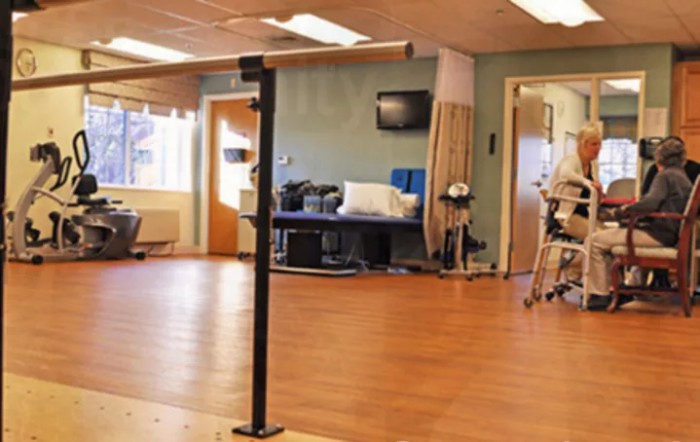
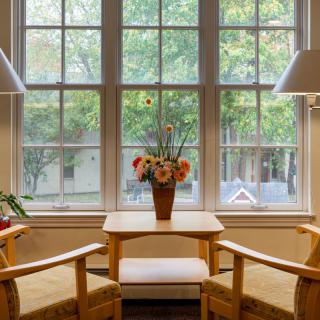
The core strengths are unmistakable in the rehab arena: nurses, CNAs, therapists, and aides are repeatedly described as caring, patient, and hardworking, delivering diligent physical, occupational, and speech therapy. The rehab team’s momentum and expertise appear to drive meaningful mobility gains and safer transfers, even when the patient’s baseline is challenging. Private rooms, a clean, well-kept environment, and a general sense of order in the short-term unit contribute to a dignified recovery experience. For families navigating a new illness or post-acute phase, those elements can make a tangible difference in daily life and mood, especially during a trying recovery trajectory.
Yet the experience is not without serious caveats. A subset of reviews flags significant communication gaps and delayed responses to family inquiries, which can leave loved ones feeling out of the loop during critical moments. Understaffing concerns surface as a recurring theme, with families perceiving that aides and therapists are stretched thin and unable to deliver the ideal level of attention to each patient. These issues appear to erode trust at times, particularly when families depend on timely updates and proactive coordination with the care team and physicians. In a few accounts, families describe situations that feel neglected or mishandled, underscoring a real risk if oversight breaks down.
The key pros do offset the cons only when rehabilitation outcomes remain the primary driver of choice. For families seeking aggressive mobility goals, short stays in a setting where the therapy staff is praised for patience, encouragement, and skill, can outweigh the frustrations of sporadic communication. The clean rooms and personal space, coupled with attentive nursing care in the rehab wing, create an environment conducive to progress and a smoother discharge process. In short, the facility can deliver excellent rehab quality and compassionate care, but only if the care coordination holds steady and families remain engaged to bridge any gaps.
Families weighing alternatives should consider options where daily communication and staffing consistency are more reliably engineered. If persistent, clear updates, fully staffed shifts, and rapid follow-up on doctor orders are nonnegotiable, there may be other local facilities that offer steadier administrative cadence or more robust physician presence. For patients with complex medical needs requiring constant physician oversight or for those who value a more seamless, proactive care-management culture, exploring alternatives would be prudent. Maristhill can still be a strong choice for rehab-focused recovery, but it requires an active, anxious-free partnership between family and staff.
Practical steps to decide: arrange a tour focused on the rehab unit and speak directly with a therapy supervisor about typical daily schedules and staffing ratios. Ask for a candid read on how often families receive formal status updates and who coordinates with the attending physician. Confirm room availability and whether private or semi-private options influence length of stay or discharge timing. Discuss discharge planning early, including equipment needs and community-based follow-up, so transitions aren’t reactive. With proactive engagement, Maristhill offers a solid foundation for recovery, delivering high-caliber rehab and compassionate care even amid operational challenges.
 123 resident community capacity
 Skilled Nursing Facility
 Air-conditioning
 Beauty salon
 Cable or satellite TV
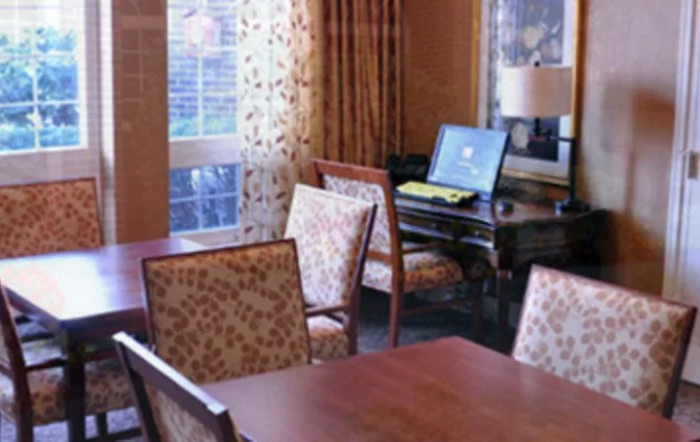
 Computer center
 Dining room
 Fitness room
 Fully furnished
 Gaming room
 Garden
 Housekeeping services
 Kitchenette
 Move-in coordination
 Outdoor space
 Private bathrooms
 Restaurant-style dining
 Small library
 Telephone
 Wellness center
 Wi-Fi/high-speed internet available
 Gen Edw L Logan International (11 miles away)
 Community operated transportation
 12-16 hour nursing
 24-hour call system
 Activities of daily living assistance
 Assistance with bathing
 Assistance with dressing
 Assistance with transfers
 Diabetes diet
 Medication management
 Mental wellness program
 Special dietary restrictions
 Concierge services
 Planned day trips



 In-Depth Look at the VA Aid and Attendance Program
 Nurturing Our Loved Ones: A Daughter's Journey in Caring for Her Mother
 Nurturing Our Elders: Linda's Journey of Supporting Her Mother