
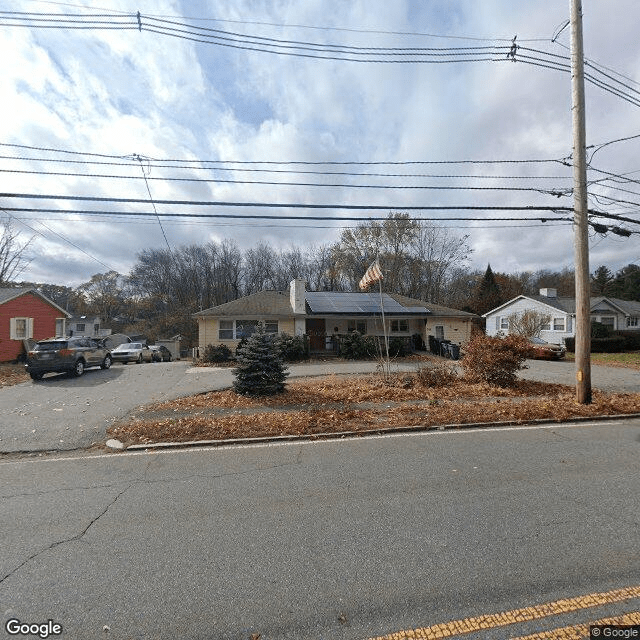
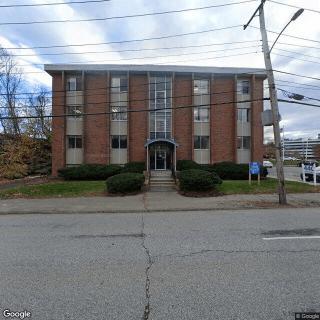
704 Beaver St, Waltham, MA 02452
To contact a resident: (781) 891-0840
For more information about senior living options: (866) 208-4318
The Dorothy Frances Home Costs & Pricing
The Dorothy Frances Home offers competitive pricing for its accommodations when compared to Middlesex County and the broader Massachusetts region. For a semi-private room, residents can expect to pay $6,900 per month, which is slightly above the county average of $6,395 but significantly higher than the state average of $5,805. Private rooms at The Dorothy Frances Home are priced at $7,800, which again exceeds both the county rate of $6,607 and the state's $6,090. Additionally, one-bedroom units also reflect this trend, with a monthly cost of $7,800 - substantially higher than the county's average of $5,920 and the state's average of $5,349. While The Dorothy Frances Home's rates may be elevated compared to local and state averages, they likely reflect a commitment to quality care and amenities that can justify these costs for prospective residents and their families.
| Floor plans | The Dorothy Frances Home | Middlesex County | Massachusetts |
|---|---|---|---|
| Semi-Private | $6,900 | $6,395 | $5,805 |
| Private | $7,800 | $6,607 | $6,090 |
| 1 Bedroom | $7,800 | $5,920 | $5,349 |
Memory care communities with a similar price nearby
-
from -$219 / mo
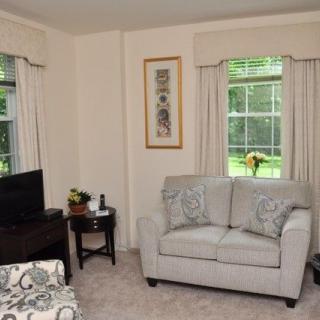
Youville Place
$6,681 to $9,053 / month3.7 miles away -
from -$800 / mo
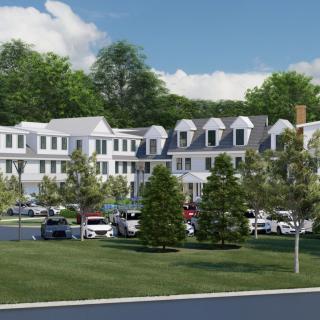
The Residence at Bedford
$6,100 to $8,800 / month6.8 miles away -
About the same
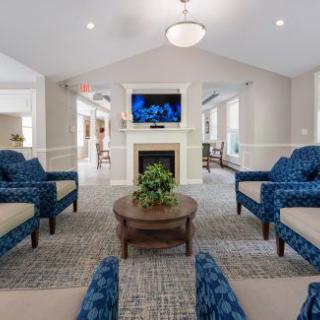
Avita of Needham
$6,775 to $9,995 / month7.5 miles away -
About the same
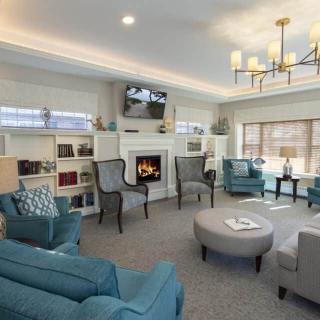
Compass On The Bay
$7,100 to $7,925 / month10.3 miles away -
from +$979 / mo
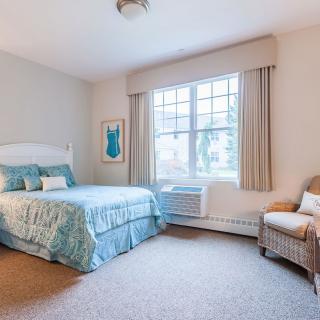
Allerton House At Harbor Park
$7,879 to $9,839 / month18.8 miles away
Overall Review of The Dorothy Frances Home
Pros
 The staff were consistently kind to him.
- Someone was always nearby to help prevent falls.
- The care ratio was superior to any other place.
- There were two aides for seven residents, which felt wonderful.
- He was always given enough fluids and kept clean.
- He was content during his stay.
- He spent his last months safely at The Dorothy Francis Home.
Cons
 He was moved from a Benchmark facility after only three weeks because the care ratio was 1 aide to 18, which left him under-supervised.
- He fell twice at the Benchmark facility and ended up in the hospital.
- The Benchmark facility had an unsafe care ratio that jeopardized his safety.
Review
The Dorothy Frances Home in Waltham, MA is best suited for families that refuse to compromise on safety and personal attention for a frail elder, especially during end-of-life or transition periods. The setting is intimate, seven residents at the time of observation, with a staffing model that pairs two aides to care for all residents. That level of staffing delivers vigilance and rapid responsiveness that larger campuses cannot match. For an aging parent who remains reasonably active but needs constant monitoring to prevent falls, to stay hydrated, and to be kept clean and comfortable, this home offers a practical, reassuring match.
The strongest upside is the care ratio. With two aides overseeing seven people, supervision is nearly continuous, dramatically reducing risk and enabling quick assistance for mobility, transfers, and daily routines. Staff are described as kind and attentive, creating an environment where residents feel seen and respected. Hydration and hygiene are explicitly prioritized, and the elder in question was kept clean and comfortable throughout the stay. This combination of daily attentiveness and compassionate interaction translates into real peace of mind for families, particularly when safety and dignity are non-negotiable priorities.
Who may want alternatives becomes a clear consideration. If the elderā€™s needs go beyond safety and basic daily care, such as requiring more complex medical oversight, rehab services, or a robust social calendar, this small setting may feel restrictive. Families contemplating a broader range of medical services, memory-care programming, or more extensive amenities may find a larger facility with deeper clinical resources more suitable. In short, this home excels where intimate supervision and a quiet, low-volume environment are paramount, but it is not the universal solution for every care scenario.
How the pros offset any potential drawbacks is straightforward. The standout benefit, high caregiver presence, directly addresses the core concerns of safety, hydration, and cleanliness, delivering a level of reassurance that is hard to replicate in bigger communities. That advantage often outweighs limitations tied to size, such as fewer on-site activities or a narrower activity menu. The single documented experience demonstrates that, when the priority is protecting a vulnerable elder and ensuring comfort, the care model delivers tangible value. In contexts where protection and personal attention trump breadth of programming, this setting holds a decisive edge.
Practical steps for families evaluating this option are clear. Confirm typical staffing patterns across shifts and whether the two-aide model is consistent or situational, and ask how care plans are constructed, tracked, and updated. Probe emergency procedures, how hydration is managed at bedside, and the process for medication administration and hospice coordination. Observe interactions between staff and residents to gauge warmth, respect, and responsiveness. Inquire about social engagement opportunities within the small community, and clarify costs, lease terms, and plans if needs intensify over time. This practical due diligence is essential to ensure alignment with expectations and budget.
Bottom line: The Dorothy Frances Home offers a compelling choice for families prioritizing safety, meticulous daily care, and a serene, intimate setting. For elders who require intense supervision and value being kept near caregivers around the clock, this option can be transformative. If, instead, social variety, broader medical coverage, or larger-scale programming are non-negotiables, exploring alternatives is wise. In decisions where end-of-life comfort, dignity, and reliable personal attention are the foremost goals, the demonstrated care and staff attentiveness at this Waltham residence make it a standout option worth serious consideration.
 7 resident community capacity
 Assisted Living
 Board and Care Home
 Memory Care
 Cable or satellite TV
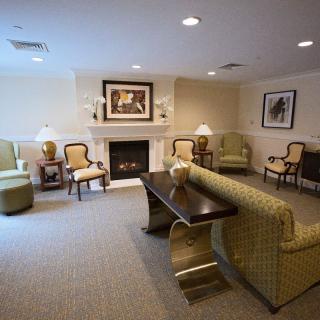
 Dining room
 Fully furnished
 Garden
 Housekeeping services
 Move-in coordination
 Outdoor space
 Private
 Telephone
 Wi-Fi/high-speed internet available
 Gen Edw L Logan International (12 miles away)
 24-hour supervision
 Activities of daily living assistance
 Assistance with bathing
 Assistance with dressing
 Assistance with transfers
 Diabetes diet
 Diabetic care
 Incontinence care
 Meal preparation and service
 Medication management
 Special dietary restrictions
 Transportation arrangement (medical)
 Transportation to doctors appointments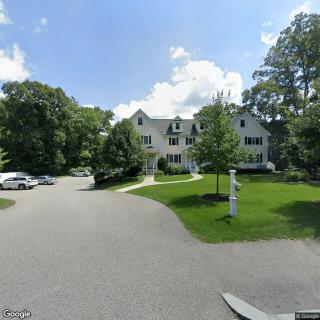





 Comprehensive Insights on the Late Stages of Dementia: What to Expect and How to Provide Care
 Medications Associated with Dementia Risk: A Comprehensive Overview
 Guiding Your Journey: Understanding Power of Attorney for Elderly Parents