

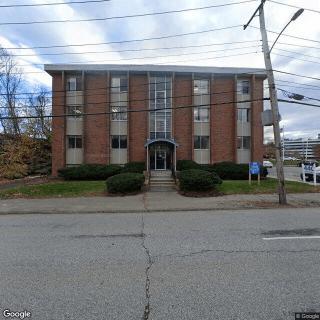
325 Bacon St, Waltham, MA 02451
To contact a resident: (781) 894-5264
For more information about senior living options: (866) 208-4318
Overall Review of Piety Corner Nursing Home
Pros
 The staff seemed wonderful.
- The rehab staff was great and worked very diligently.
- The PT/OT and speech therapy were patient and encouraging, and the nurses and CNAs cared compassionately for him around the clock.
- The nurses, CNAs, and therapists were all lovely.
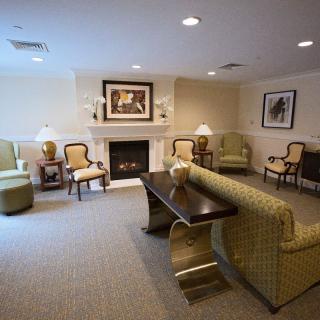
- The facility is beautiful, the staff is excellent, and the environment is very clean.
- The family extended thanks to the staff.
- He transitioned peacefully with hospice care, which was excellent.
Cons
 They were disenchanted by the care, noting there were no gait belts and the patient was unsteady getting up from the wheelchair.
- They stated the patient was sent home untrained, only days after a fall, and she was already unsteady.
- They observed no positive reinforcement for correcting unsafe habits, with the husband expected to do it and deemed unqualified.
- They were told they would be charged an extra day because it was not safe to bring her home.
- They described the transport arrangements as unsafe, with a wheelchair van that could not climb the hill and required pushing through snow, risking injury.
- They felt the rehab did not use gait belts and worried about the risk of harming a patient.
- They described communication as horrible, with numerous messages left and no return calls; PT help was insufficient and staff appeared overworked.
- They claimed the facility is short-staffed, with CNAs overloaded with patients, leading to neglect and lack of follow-up by leadership.
- They warned others not to send loved ones there, citing unsafe practices and neglect.
Review
Piety Corner Nursing Home in Waltham is best suited for seniors who value a warm, staff-led environment where everyday care feels personal and meals are reliably decent. It works best for families seeking a short- to mid-term rehab or post-acute stay focused on gentle daily routines, steadfast companionship from front-line caregivers, and a calm, familiar atmosphere. The facility appears to deliver human warmth and consistent attentiveness, which can make a difficult transition easier for residents who do not require aggressive, highly coordinated therapy or crash-impact discharge planning. In short, this is a homey, people-first option for someone who wants steady hands on the floor rather than a tight-knit, hospital-grade rehab program.
That said, several red flags push families to consider alternatives, especially if safety culture and precise rehab outcomes are non-negotiable. Families needing rigorous fall prevention, formal gait training, and immediate, well-documented communication about progress may want to look elsewhere. The feedback suggests gaps in safety practices, such as not using gait belts when a resident is unsteady after a fall, and a reliance on family members to reinforce unsafe habits. When transport or discharge planning becomes hazardous or poorly coordinated, the risk to the resident climbs. For those focused on top-tier rehab staffing, transparent daily therapy goals, and predictable discharge timelines, other local options, where therapists and nursing teams are dedicated to consistent, well-stocumented protocols, may deliver stronger peace of mind.
The strongest asset consistently noted is the staff’s kindness and approachability. Families describe caregivers as patient, caring, and attentive, which matters enormously in a setting where emotional comfort and everyday reassurance can shape recovery as much as hands-on therapy. The positive tone of the caregiving team can ease anxiety during a fragile recovery and improve adherence to basic routines. However, warmth alone cannot compensate for gaps in clinical safety practices or in the structure of the rehab program. When a resident is at risk for safety concerns after a fall, and when discharge planning is ad hoc or uncertain, the comfort of friendly faces cannot fully offset the exposure to preventable mishaps. The contrast between kind daily care and inconsistent safety protocols is the critical tension in this facility.
In practice, the most salient concerns revolve around safety implementation, staffing pressures, and the clarity of communication. The most visible failings center on the absence of gait belts in situations where a resident is unsteady and a lack of proactive, supervised reinforcement of safe habits. Coupled with reports of overtaxed CNAs and nurses and inconsistent follow-up with physicians, these issues can magnify risk during a stay that should emphasize stabilization and safe transitions home. Additionally, experiences with transport and discharge logistics, where equipment choice, driver capability, and timing could not be guaranteed, underscore the need for a concrete, written plan before any transfer. Families should expect a robust safety framework and a clear, accountable communication channel, not just well-meaning staff and decent meals.
Practical due diligence can reshape the decision. Prospective residents and families should demand specific, up-front answers: what is the gait belt policy, and when are physical restraints or assistive devices used? what is the daily schedule for physical therapy, and what are the exact therapy minutes per day by discipline? how many residents share every CNA or nurse shift, and what is the documented process for reporting changes in condition? what is the formal discharge plan, including home safety assessments and a transportation strategy? how does the facility handle family-driven equipment or home adaptation needs? what are the costs and constraints around transportation, especially if alternate transport is needed for difficult terrain or weather? a sit-down with the rehab director and the nurse manager can reveal whether these procedures are codified or improvised.
For families weighing options in the broader market, it is prudent to compare Piety Corner against facilities with reputations for stronger rehab integration and tighter safety analytics. Reviews about nearby providers sometimes highlight more vigorous PT/OT teams, swifter responsiveness, and better coordination with physicians, benefits that can translate into faster functional gains and safer discharges. While Piety Corner may deliver a comforting, steady daily rhythm and compassionate staff, the decision hinges on whether the resident’s recovery goals require a higher standard of safety engineering, consistent therapy intensity, and reliable logistics. If the primary goal is robust, measurable rehab progress and rigorously monitored safety, alternatives with confirmed performance in those domains deserve serious consideration.
Bottom line: Piety Corner Nursing Home offers a humane, caregiver-driven environment that can be a good fit for residents who thrive on steady routine, personal attention, and satisfactory meals, with the understanding that safety protocols and rehab coordination may lag behind best-in-class benchmarks. For families where fall prevention, aggressive rehab goals, and watertight discharge planning are essential, exploring other options is strongly advisable. A deliberate, in-person assessment focused on gait safety, therapy access, and discharge reliability will illuminate whether Piety Corner can meet the resident’s needs or if a more tightly operated facility is warranted. Ultimately, informed choices emerge from visible safety practices, transparent communications, and concrete rehab plans that align with the individual’s recovery trajectory.
 Skilled Nursing Facility
 Gen Edw L Logan International (12 miles away)





 Comprehensive Look at Senior Blood Pressure Charts: Normal and Elevated Levels by Age
 Top Canine Companions for Older Adults
 Comprehensive Guide to Blood Pressure Charts for Older Adults: Understanding Normal and High Readings by Age