For more information about senior living options: (866) 208-4318
4.3 from 55 reviews
5 stars
30
4 stars
16
3 stars
5
2 stars
2
1 stars
2
Sunrise of Newton Costs & Pricing
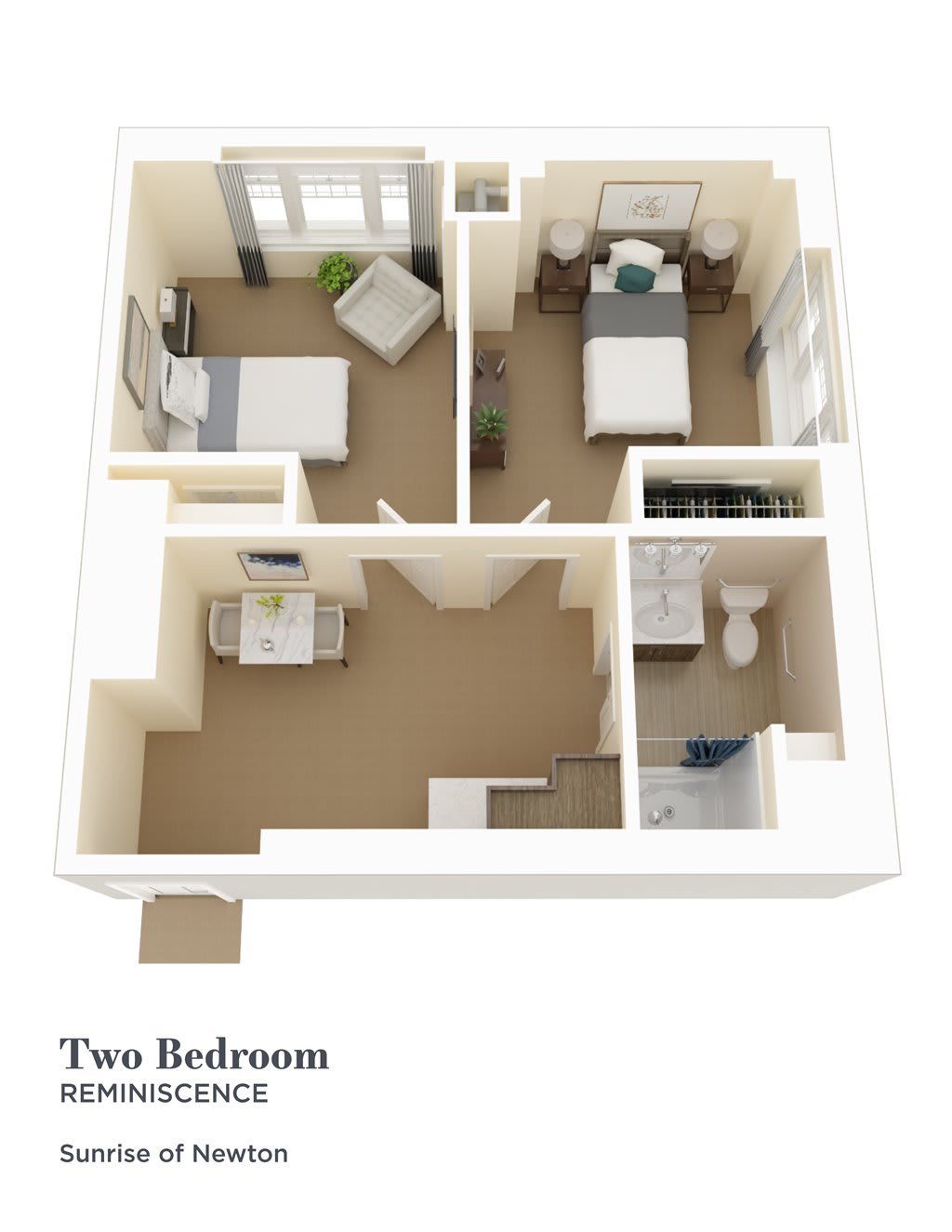
Sunrise of Newton presents a variety of living options with costs that reflect the premium services and amenities offered within its community. For a semi-private room, residents are looking at a monthly fee of $8,490, which significantly exceeds the average in Middlesex County ($6,395) and even the state average for Massachusetts ($5,805). Similarly, the cost for a two-bedroom suite at Sunrise is $9,810, again higher than both county and state figures. The studio option is priced at $10,140 compared to $5,867 in Middlesex County and $5,312 statewide. Finally, the one-bedroom accommodation stands at $11,910 - confirming its status as among the highest in both regional contexts. While these figures may appear steep relative to other alternatives in the area, they are reflective of Sunrise's commitment to providing exceptional care and an enriching environment for its residents.
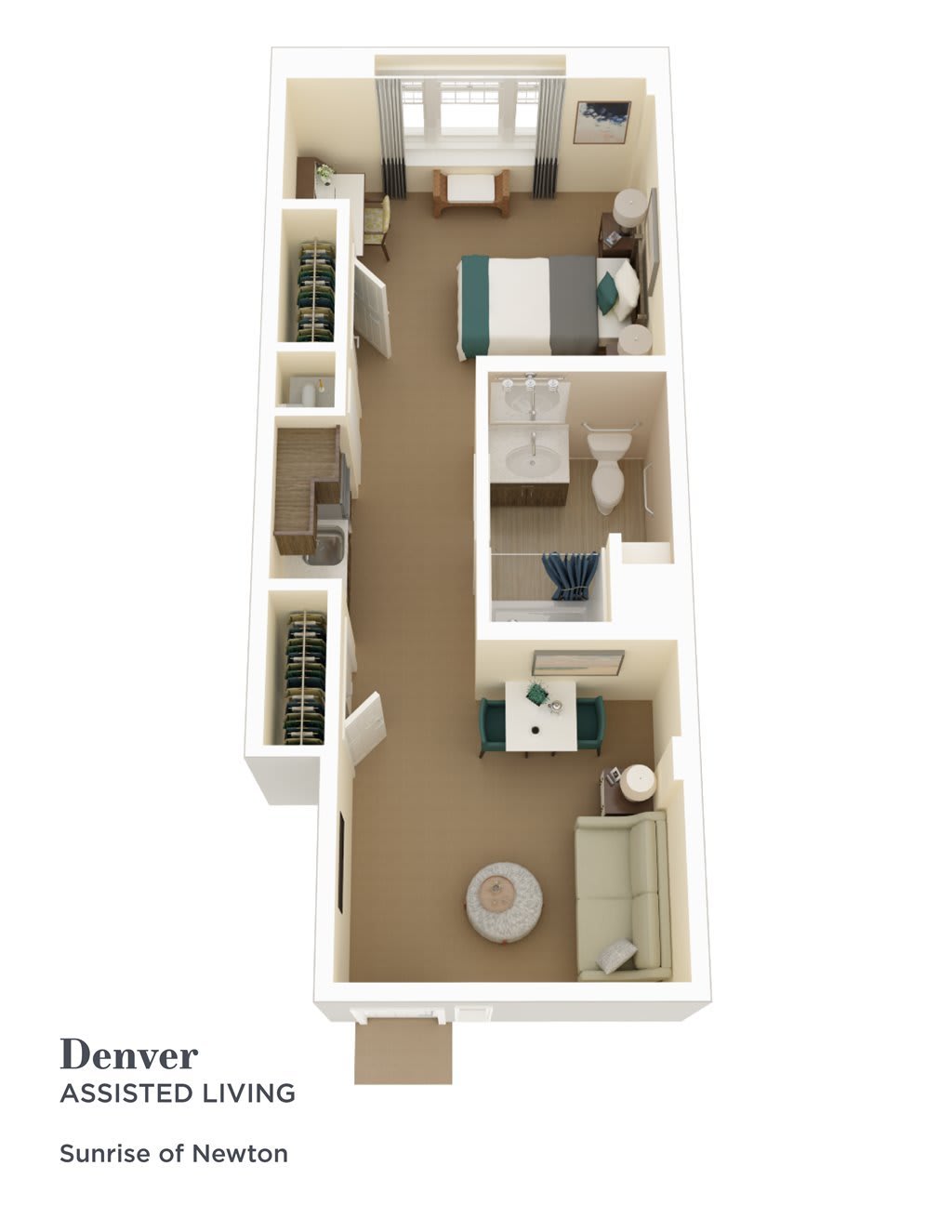
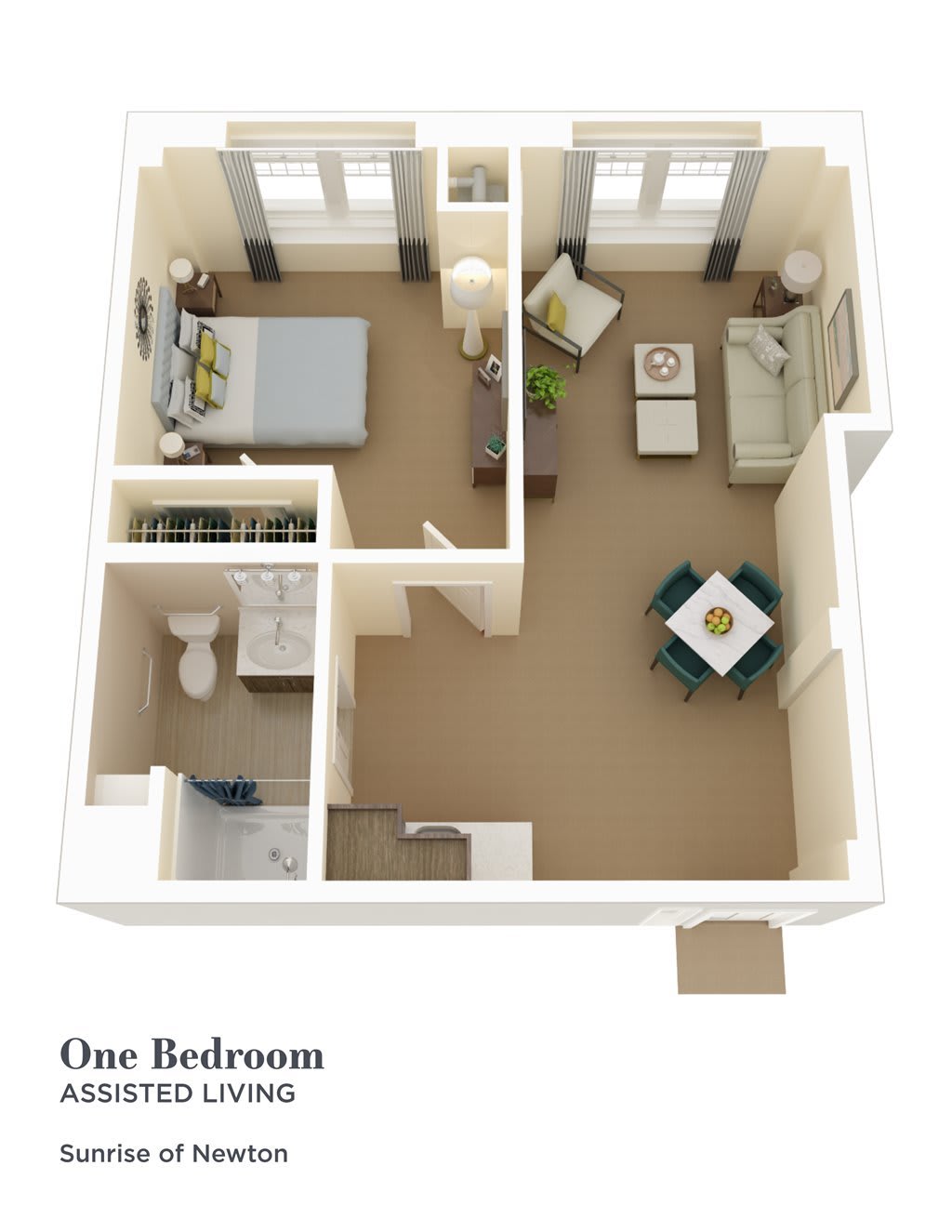
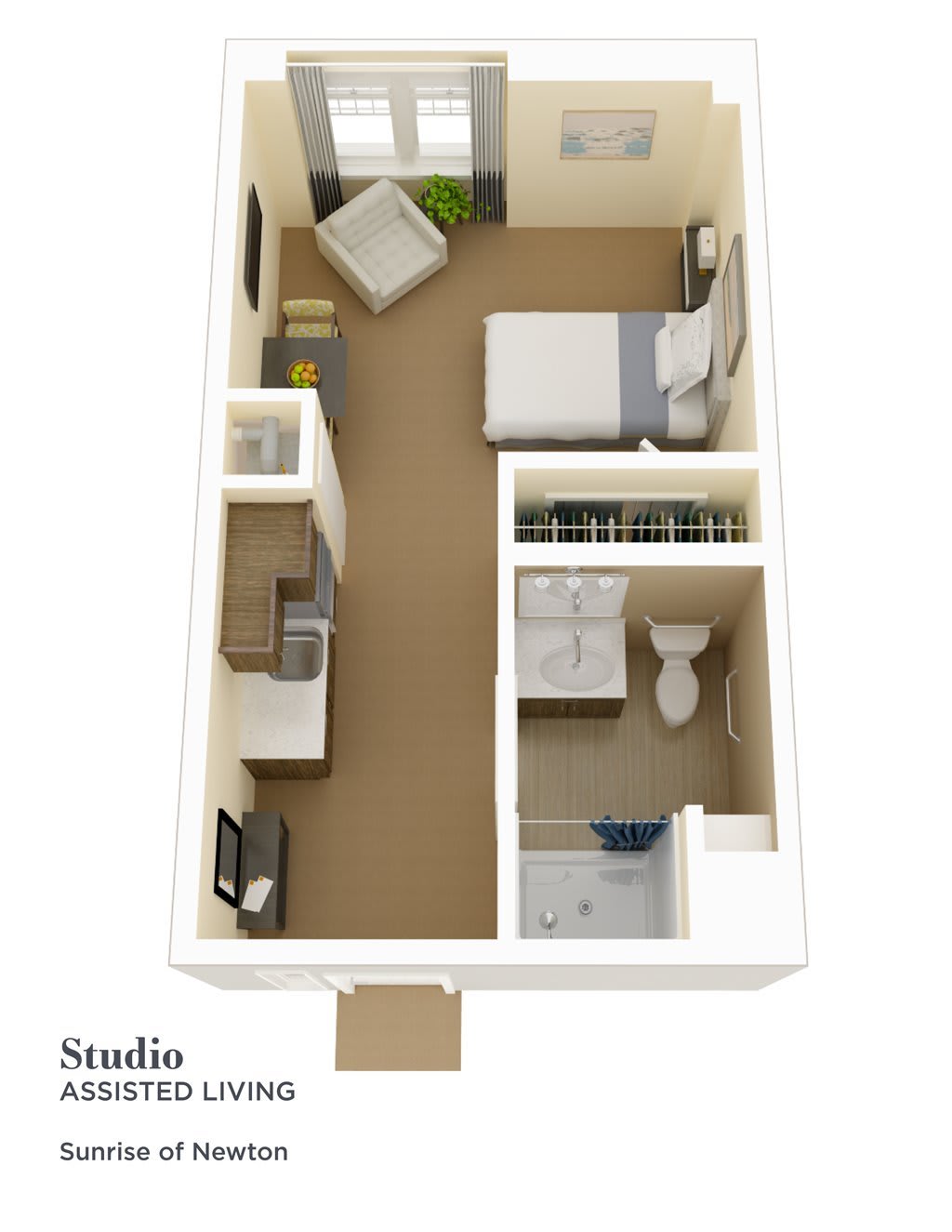
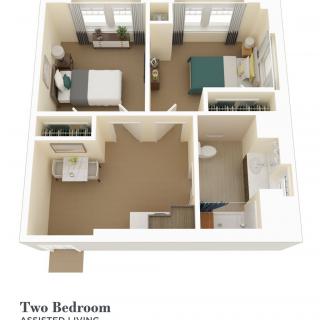
Floor plans
Sunrise of Newton
Middlesex County
Massachusetts
Semi-Private
$8,490
$6,395
$5,805
2 Bedrooms
$9,810
$6,960
$6,151
Studio
$10,140
$5,867
$5,312
1 Bedroom
$11,910
$5,920
$5,349
Memory care communities with a similar price nearby
Residents and families consistently describe the staff as caring and attentive.
Across reviews, families repeatedly say staff members are kind, supportive, and easy to work with during a stressful transition. Several people mention that caregivers are responsive to small day-to-day needs and that staff know residents well. A few reviews also point to specific communication or staffing gaps, but even those comments often acknowledge individual staff members who were trying to help.
common8 reviews mention this
Dining quality gets mixed reviews
Dining stands out, with praise for food and service alongside some complaints.
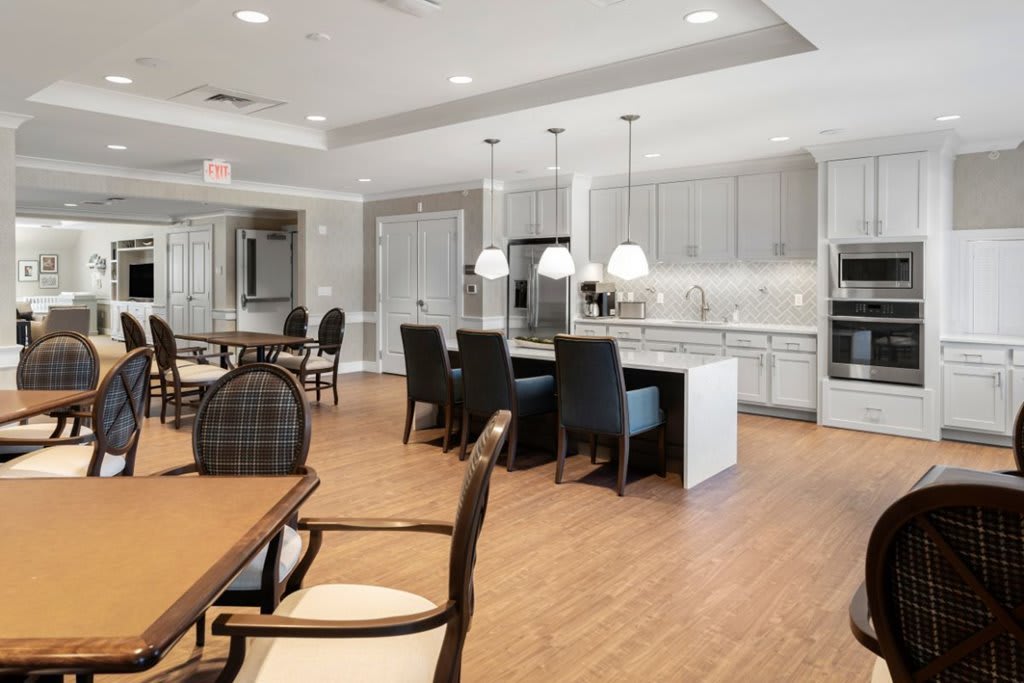
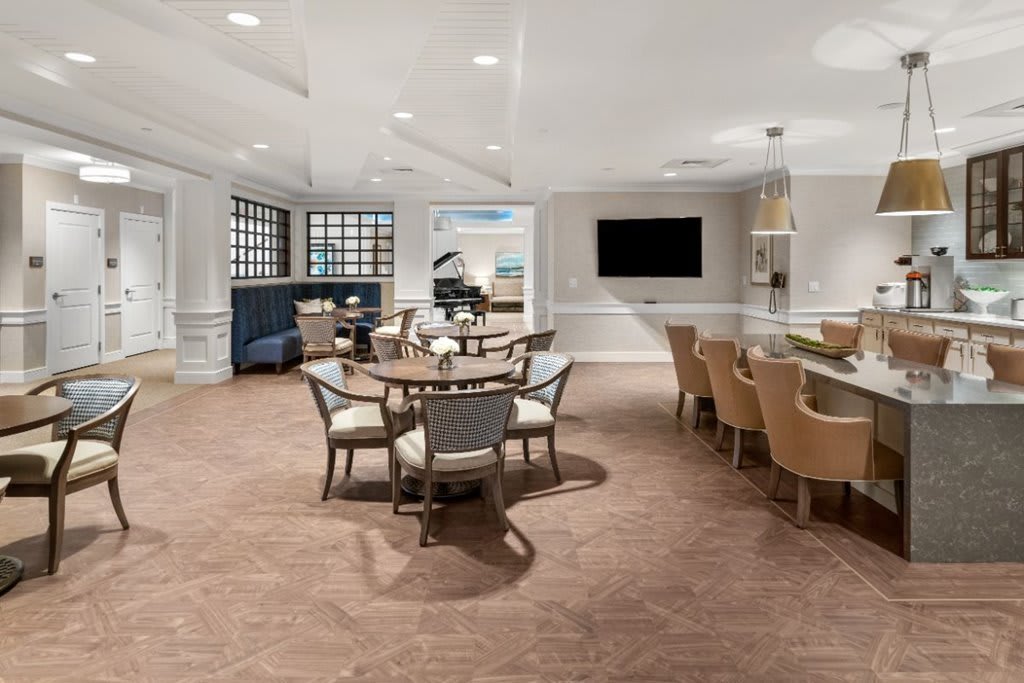
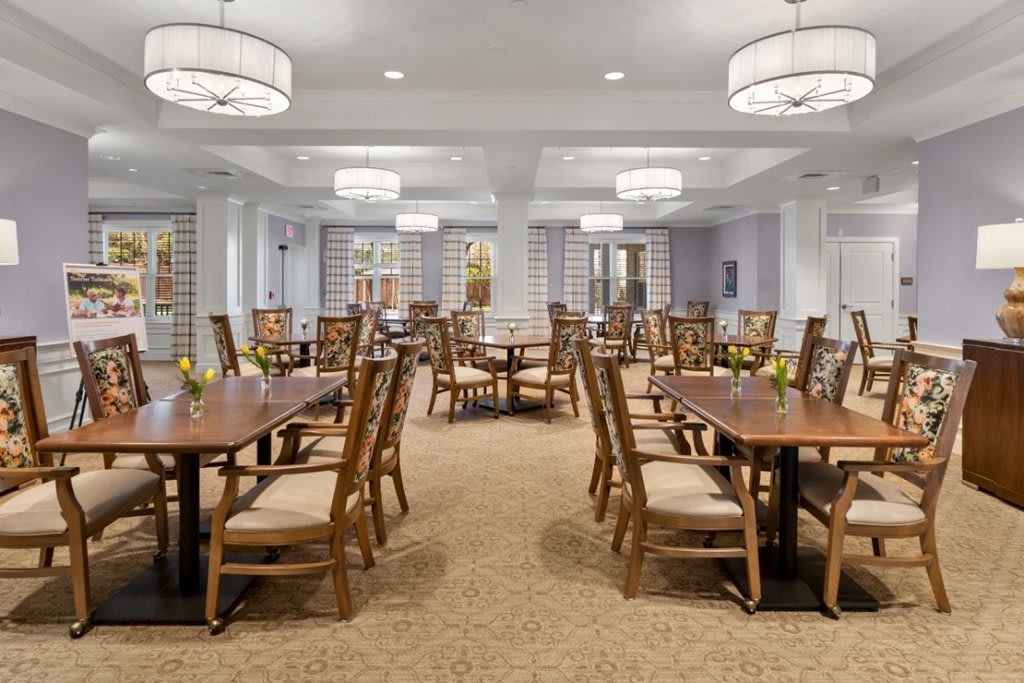
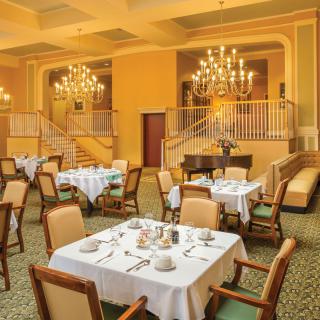
Some residents and families say the food is very good, plentiful, and better than they expected, with attentive wait staff and room for dietary accommodations. Others describe food as only okay or inconsistent, including complaints about food quality and meal service timing. The community also offers restaurant-style dining and room service, which aligns with why dining is a frequent point of discussion in both positive and negative reviews.
caveat5 reviews mention this
Memory care staffing can fall short
Several reviews describe staffing and support shortfalls on the memory care side.
A recurring concern in memory care-related reviews is not having enough people available, which leads to long waits for help and delays with meals. Some families mention rising frustration with call-button response times and assistance needs, and they tie that to a staffing model that covers minimum requirements rather than actual needs. Other reviewers say turnover and management instability affected oversight, even when individual staff members were described as caring.
common10 reviews mention this
Facility design and cleanliness are praised
Many reviewers highlight the building’s look and the overall cleanliness.
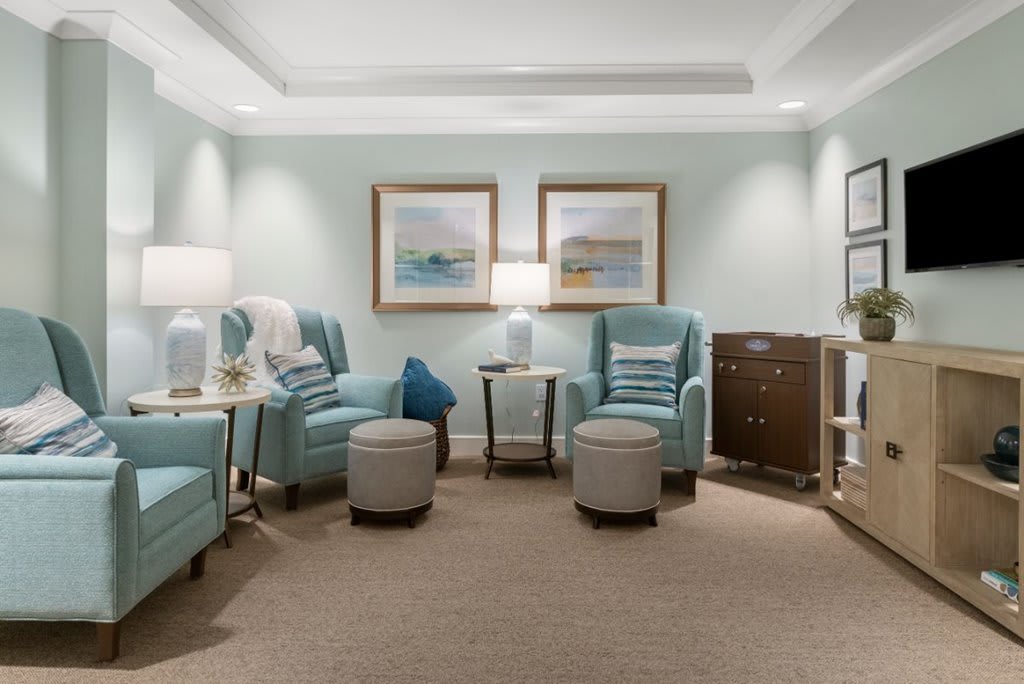
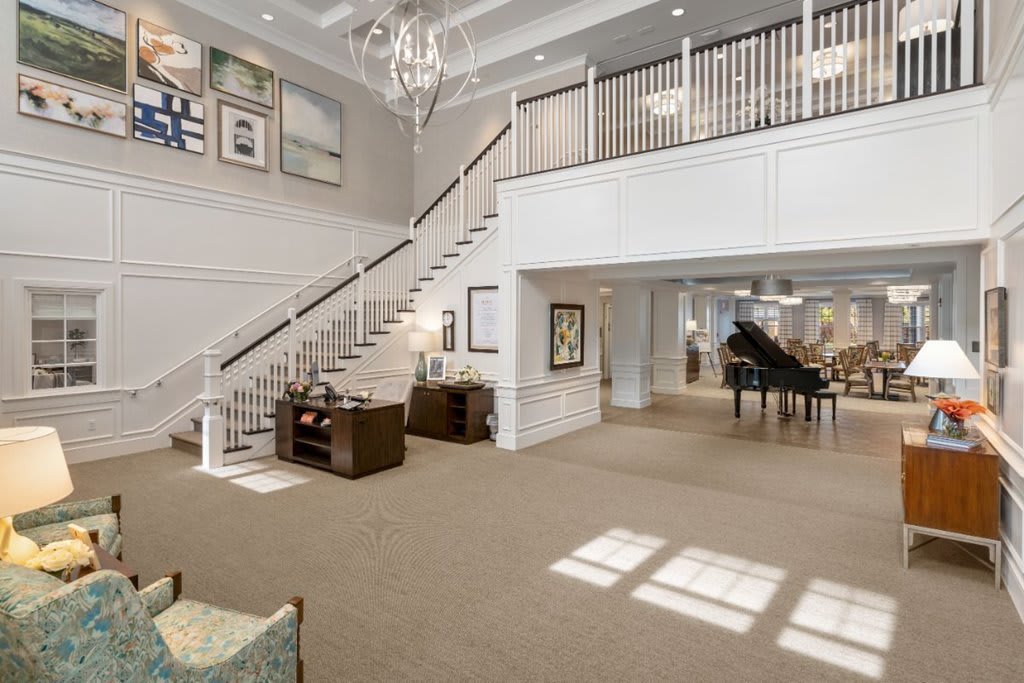
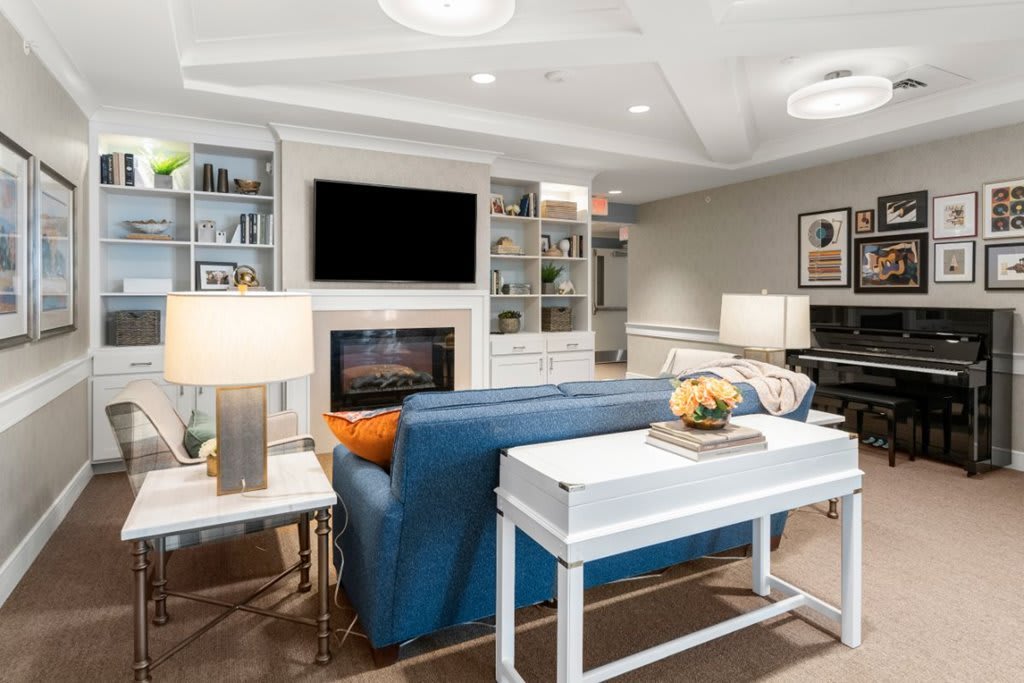
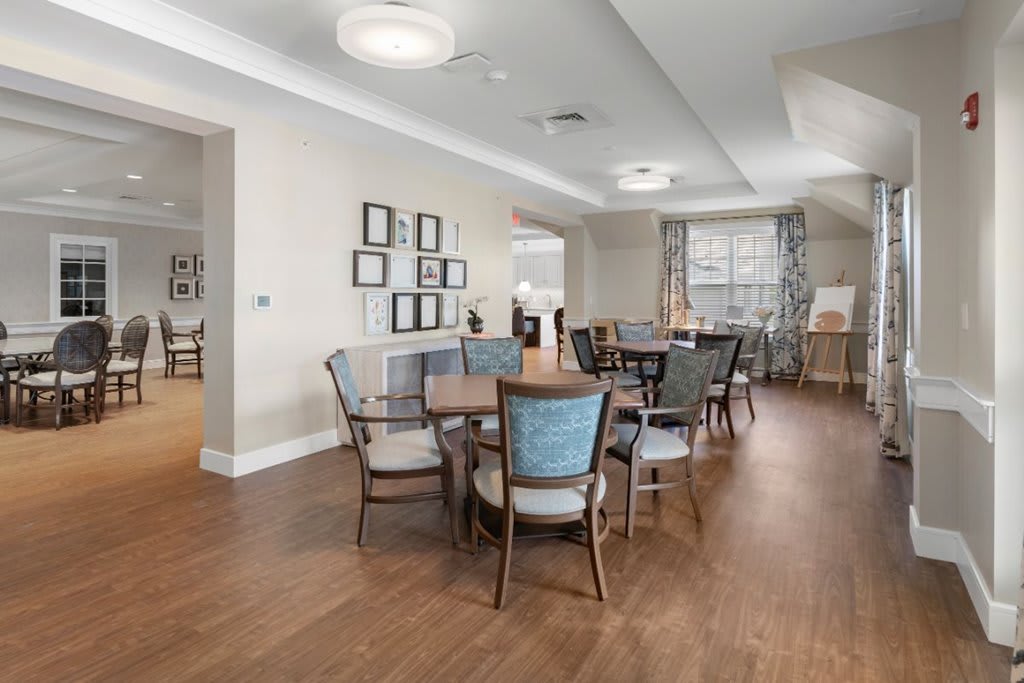
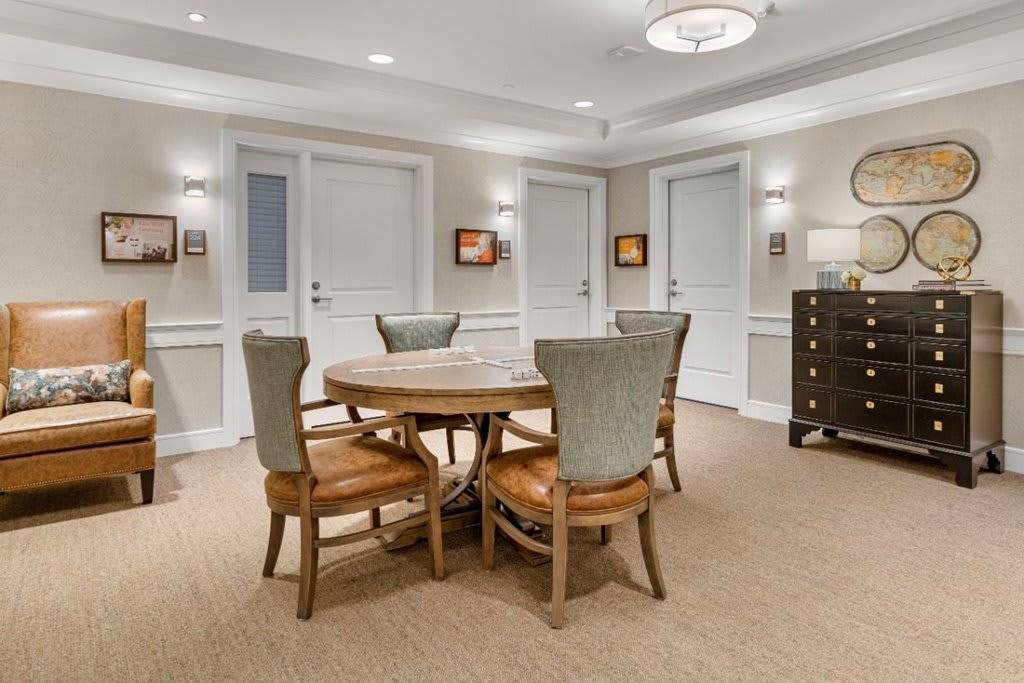
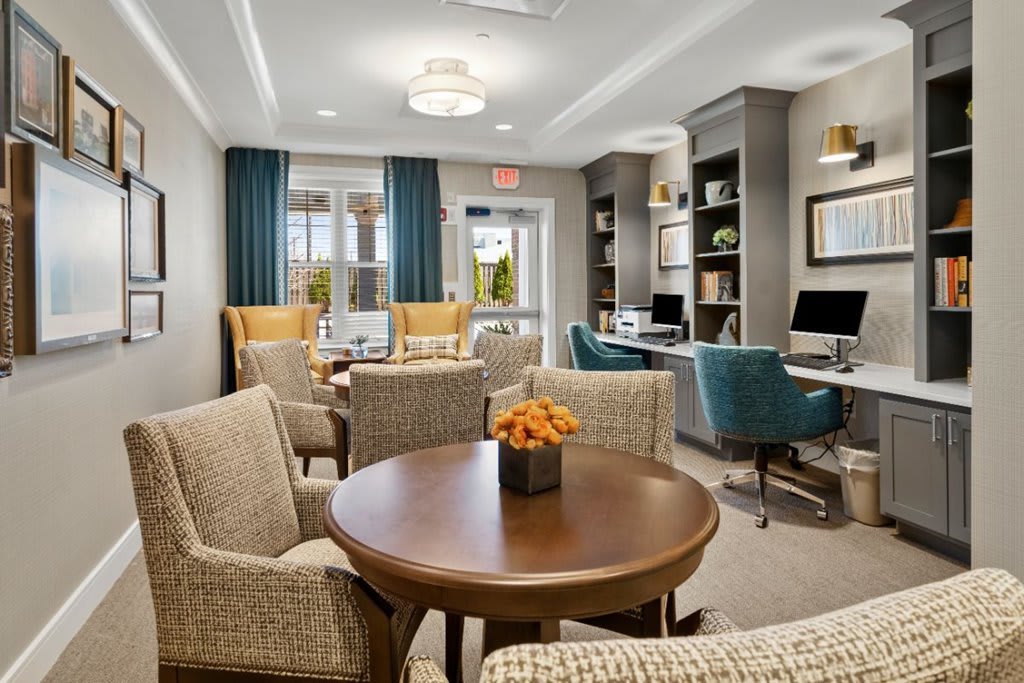
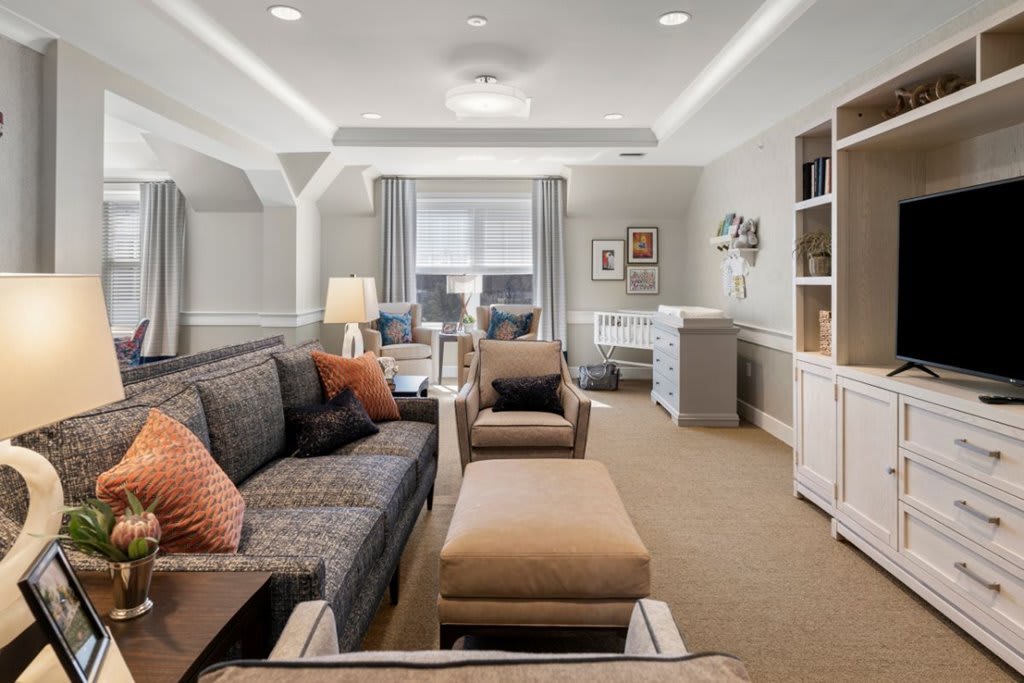
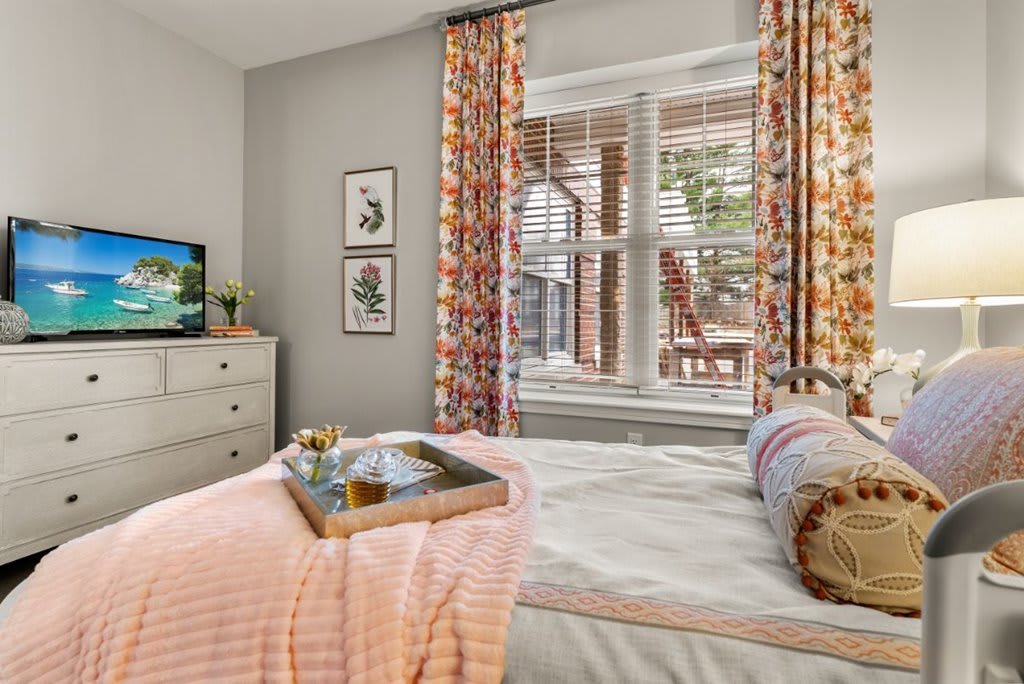
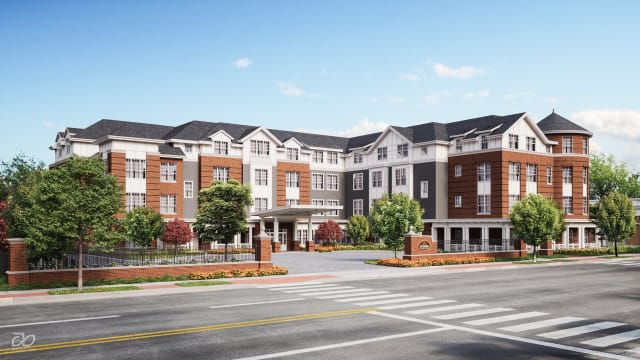
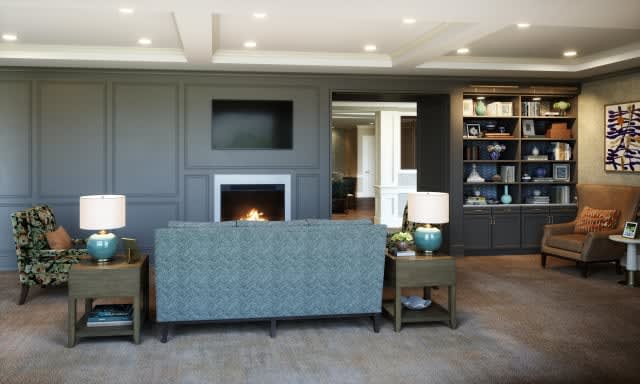
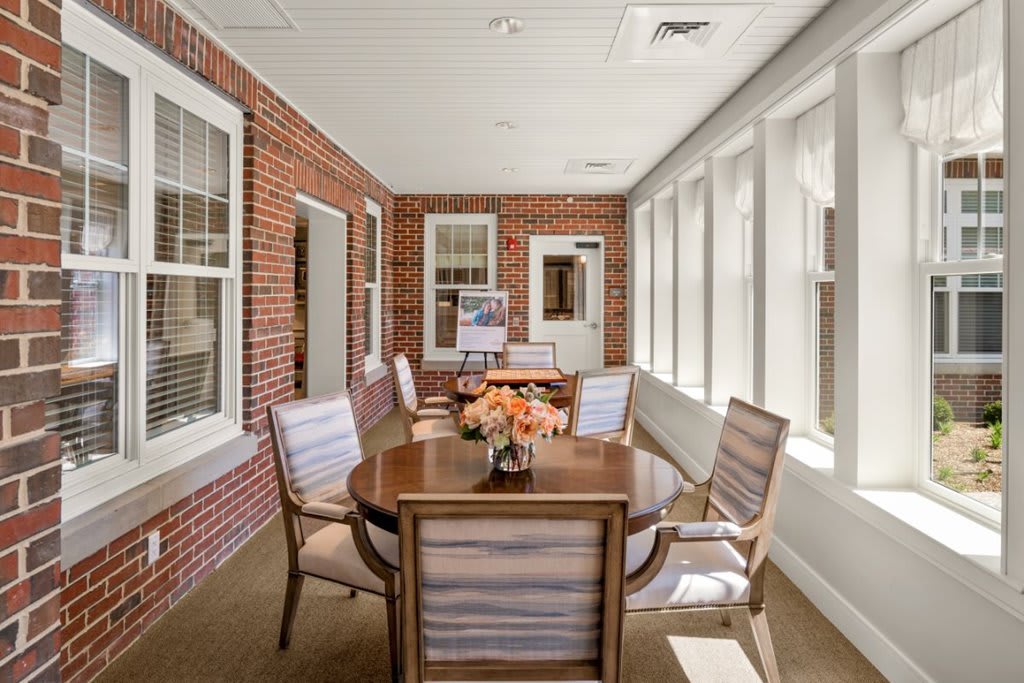
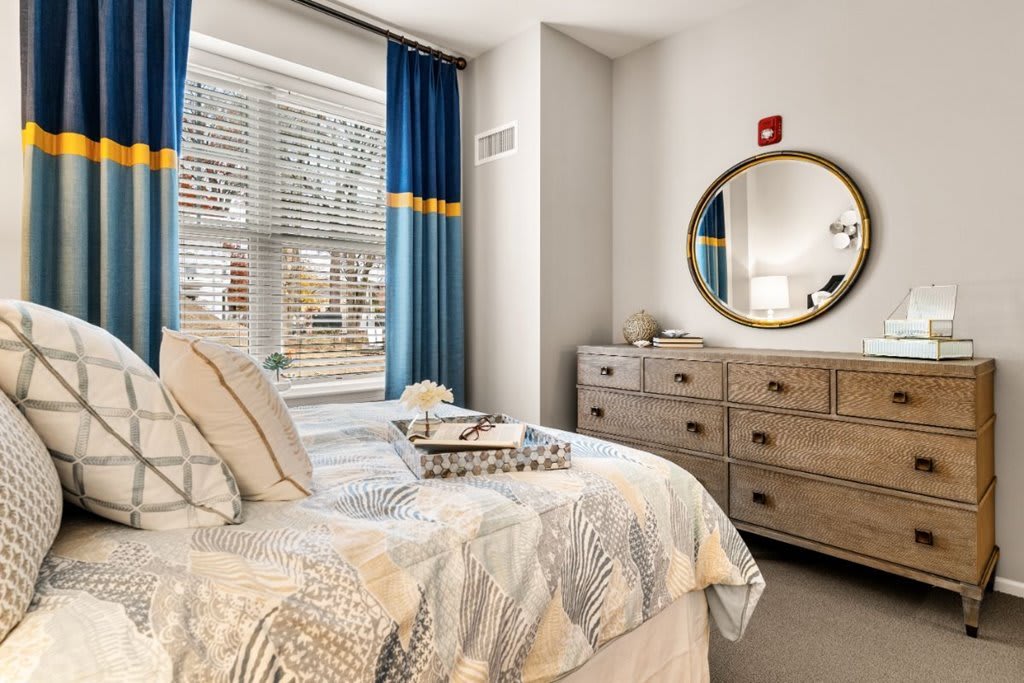
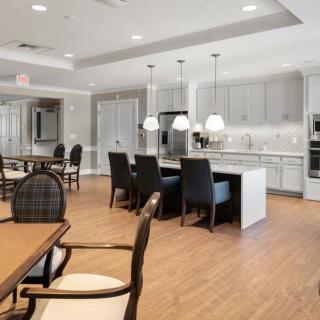
Multiple reviews describe the facility as new or modern, with clean common areas and an attractive setting, including outdoor space that families noticed. Several comments also mention rooms and decor as home-like or well-designed, and some people compare the atmosphere to a hotel or spa. A small number of reviews still report room-level cleanliness or upkeep issues, but the overall impression is that the physical space is a strong point.
caveat4 reviews mention this
Costs feel high and add-ons surprise
Pricing is repeatedly described as expensive, with some families calling out add-on complexity.
Reviews reflect concern about affordability and transparency, including confusion about how respite stay pricing works. Some families also describe extra charges tied to the level of help needed and mention money lost after a short stay when care did not match promises. This lines up with the community pricing positioning, which is shown as notably above county and state comparisons across multiple unit types.
How we summarize
Counts show how many written reviews mention each theme; a review can touch several themes, and only frequently mentioned themes are displayed.
Features
Housing
1-bedroom apartments
2-bedroom apartments
Studio apartments
Types of Care
Assisted Living
Memory Care
Pets
Cats allowed
Dogs allowed
Amenities
Activities off-site
Activities on-site
Air-conditioning
Bath tubs
Beautician on-site
Devotional services off-site
Devotional services on-site
Ground floor units
Handicap accessible
Indoor common areas
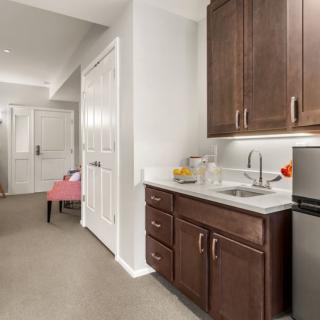
Kitchenette
Outdoor common areas
Respite or short term stays offered
Wheelchair accessible showers
Wi-Fi/high-speed internet available
Transportation
Gen Edw L Logan International (10 miles away)
Care Services
High acuity care
Incontinence care
Medication management
Dining
Guest meals
Low / no sodium
Meals provided
No Sugar
Professional chef
Restaurant style dining
Room service
Special dining programs
Activities
Art classes
Cooking classes
Day trips and outings
Devotional activities offsite
Devotional activities on-site
Educational speakers / life long learning
Gardening club
Happy hour
Live musical performances
Live well programs
Stretching classes
Yoga / chair yoga
Nearby Places of Interest
This part of Newton, Massachusetts, offers a convenient and well-equipped neighborhood for senior living. With multiple CVS Pharmacies nearby, access to medication and healthcare is easily accessible. There are also a variety of dining options, including Kura Revolving Sushi Bar and Sofra Bakery & Cafe for social outings or quick meals. The proximity to cinemas like Cinema World Majestic 7 provides entertainment options, while cafes such as Starbucks and Blue Bottle Coffee offer cozy spots to relax. Transportation is also convenient with several MBTA stations within a few miles. For those seeking spiritual fulfillment, there are places of worship like Parish of the Messiah nearby. Additionally, there are parks like Larz Anderson Park and medical facilities such as McLean Hospital and Newton-Wellesley Hospital in close proximity for added convenience. This area provides a blend of amenities that cater to the needs and interests of seniors looking for a comfortable and vibrant community to call home.
Pharmacies
CVS Pharmacy (1 miles)
CVS Pharmacy (2.2 miles)
CVS Pharmacy (2.2 miles)
CVS Pharmacy (2.4 miles)
CVS Pharmacy (2.4 miles)
Wegmans (2.5 miles)
CVS Pharmacy (2.6 miles)
Restaurants
Kura Revolving Sushi Bar (1.8 miles)
McDonald's (1.9 miles)
Sofra Bakery & Cafe (2.6 miles)
Margaritas Mexican Restaurant (2.7 miles)
Spring Shabu-Shabu (2.9 miles)
McDonald's (2.9 miles)
Wendy's (3.1 miles)
Theaters
Cinema World Majestic 7 (1.8 miles)
Showcase SuperLux (2.3 miles)
Kendall Square Cinema (5.2 miles)
Cafes
Starbucks (1.9 miles)
Blue Bottle Coffee (2.3 miles)
Starbucks (2.9 miles)
Flour Bakery + Cafe (3.8 miles)
Tatte Bakery & Cafe (4 miles)
Cafe Rustica (4.5 miles)
Forge Baking Company (4.6 miles)
Transportation
MBTA Reservoir Station (2.5 miles)
MBTA Riverside Station (3.3 miles)
Porter Square MBTA Station (4.4 miles)
MBTA Fenway Station (4.4 miles)
MBTA Davis Square Station (4.7 miles)
MBTA Kenmore Station (4.9 miles)
MBTA Union Square Station (5.2 miles)
Places of Worship
Parish of the Messiah (2.6 miles)
St Paul Parish, Harvard Square (4.1 miles)
Our Lady's Church (4.3 miles)
St Agnes Parish-Arlington (4.9 miles)
Parks
Newton Highlands Playground (2.6 miles)
Larz Anderson Park (4 miles)
Prospect Hill Park (4.3 miles)
Olmsted Park (4.4 miles)
Jamaica Pond (4.5 miles)
Cutler Park (4.7 miles)
Grove-Cedar Bike Path (4.8 miles)
Hospitals
McLean Hospital (2.8 miles)
Newton-Wellesley Hospital (3.2 miles)
Mount Auburn Hospital (3.3 miles)
Brigham and Women's Hospital (4.4 miles)
Boston Children's Hospital (4.5 miles)
New England Baptist Hospital (4.6 miles)
Physicians
Bidmc Lowry Building (4.2 miles)
Mass. Eye and Ear (4.5 miles)
Harvard Vanguard Medical Associates (4.5 miles)
Mersi (4.5 miles)
Harvard Medical School (4.6 miles)
Harvard Vanguard Medical Associates – Spinal Unit/Pain Management (4.6 miles)
Sunrise of Newton presents a variety of living options with costs that reflect the premium services and amenities offered within its community. For a semi-private room, residents are looking at a monthly fee of $8,490, which significantly exceeds the average in Middlesex County ($6,395) and even the state average for Massachusetts ($5,805). Similarly, the cost for a two-bedroom suite at Sunrise is $9,810, again higher than both county and state figures. The studio option is priced at $10,140 compared to $5,867 in Middlesex County and $5,312 statewide. Finally, the one-bedroom accommodation stands at $11,910 - confirming its status as among the highest in both regional contexts. While these figures may appear steep relative to other alternatives in the area, they are reflective of Sunrise's commitment to providing exceptional care and an enriching environment for its residents.
Medication management at Sunrise of Newton is crucial for ensuring that residents receive the correct medications at the appropriate times, which helps stabilize their health and mitigate potential cognitive decline. This systematic approach not only reduces the risk of medication errors but also fosters a sense of routine and security among residents with dementia or Alzheimer's disease. Incontinence care, on the other hand, addresses a common challenge faced by individuals in various stages of cognitive impairment. By providing compassionate and respectful assistance with personal hygiene, this feature promotes dignity and comfort for residents, ultimately enhancing their overall well-being. Together, these services contribute to a supportive environment that minimizes stressors, allowing residents to focus on their daily activities and enjoy a higher quality of life.
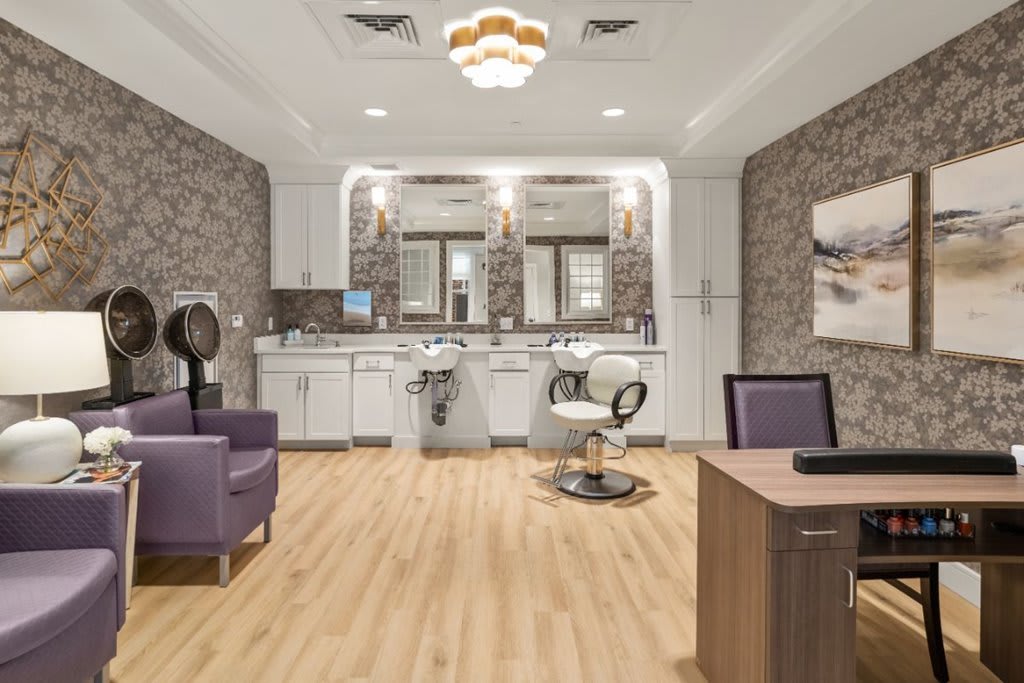
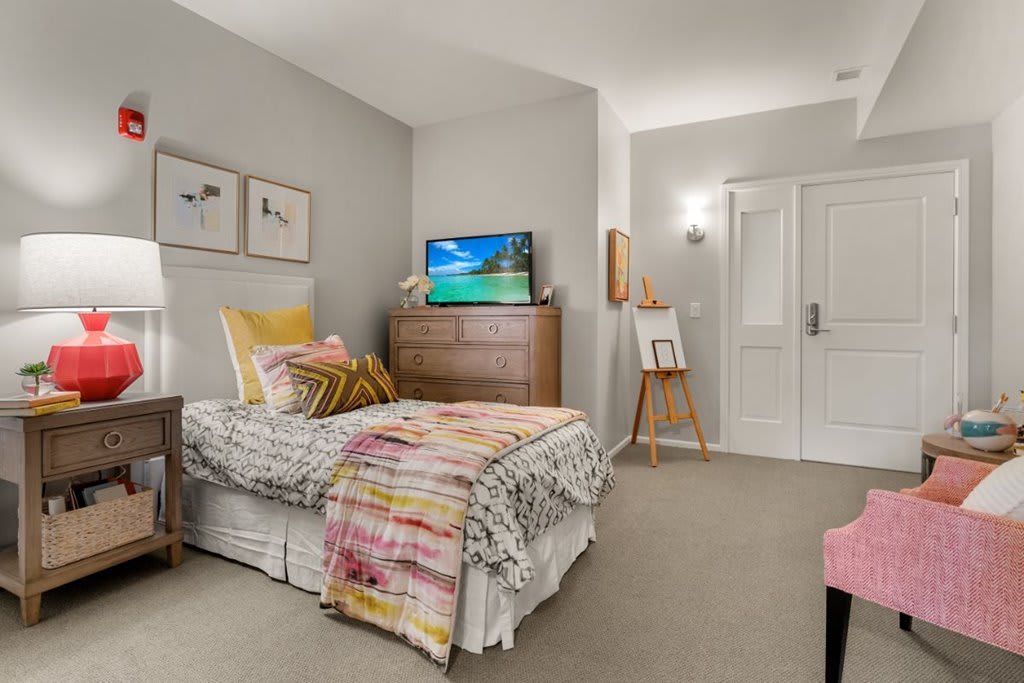
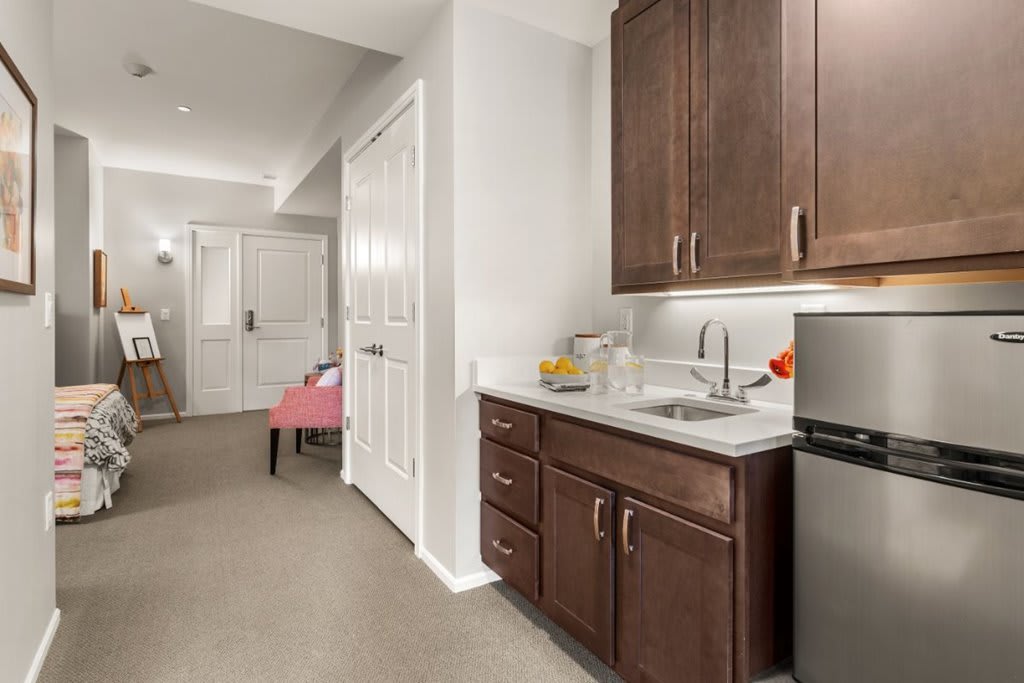
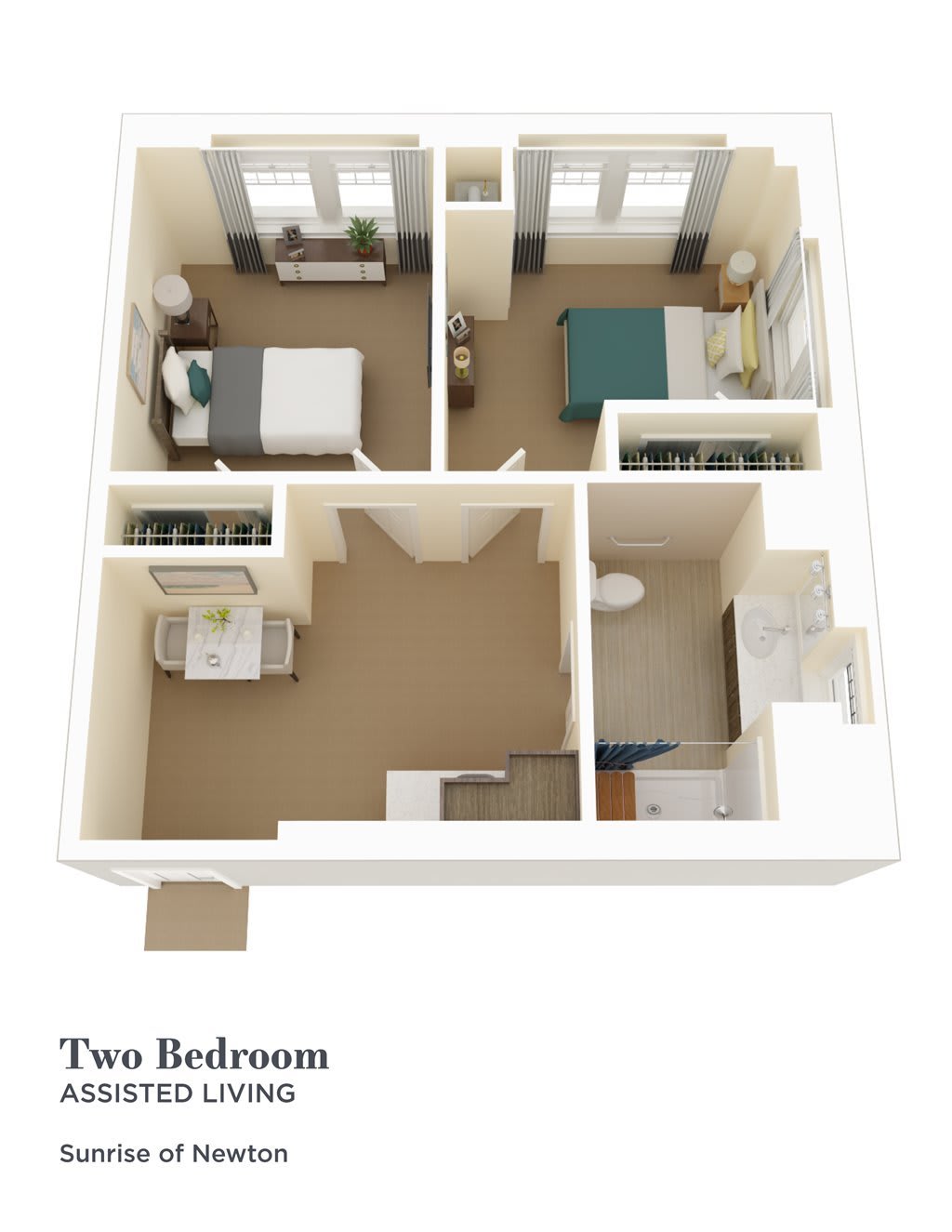
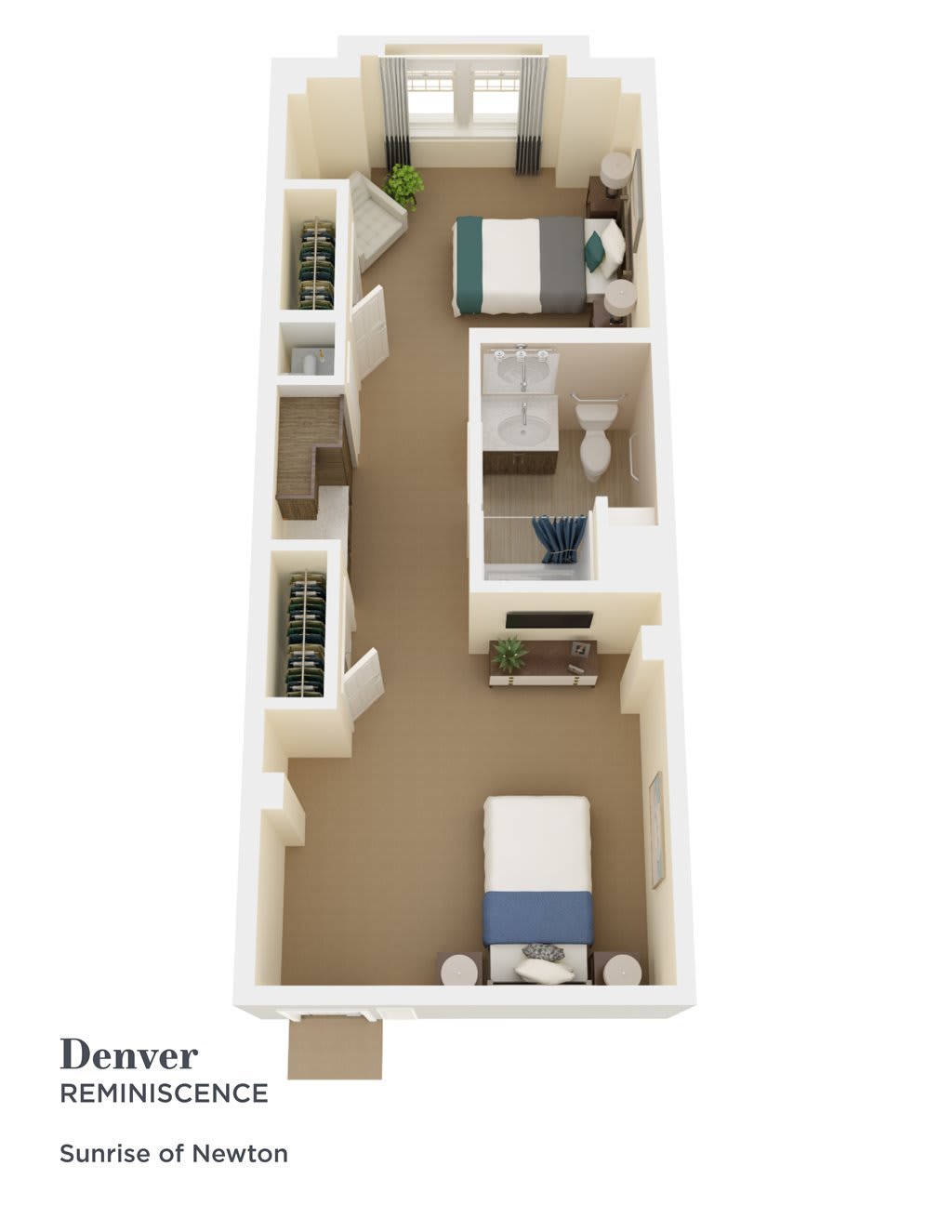
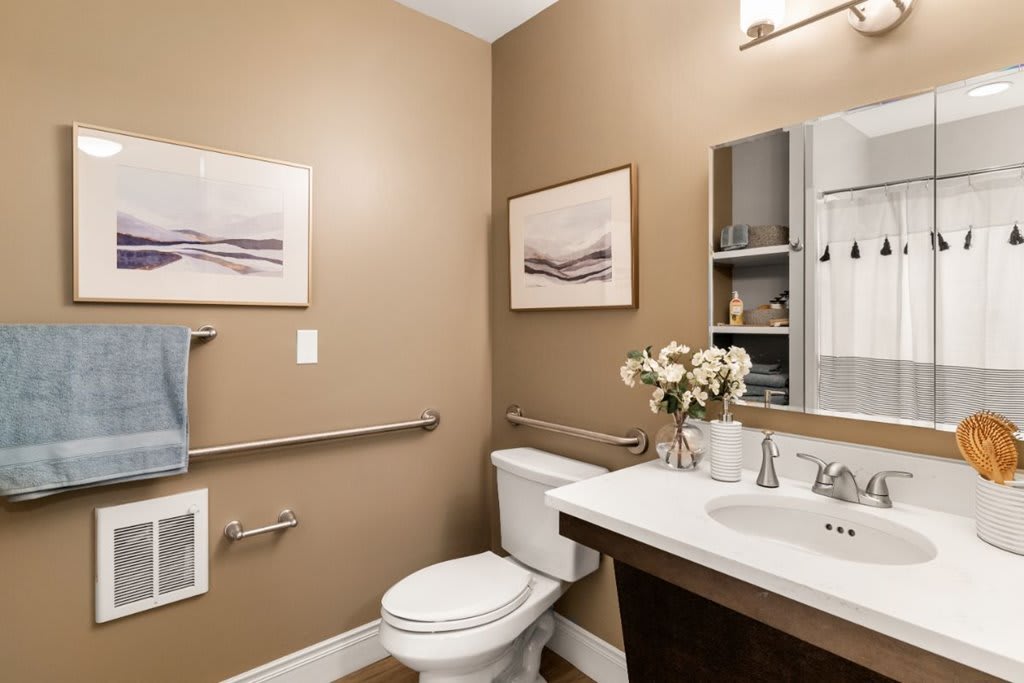
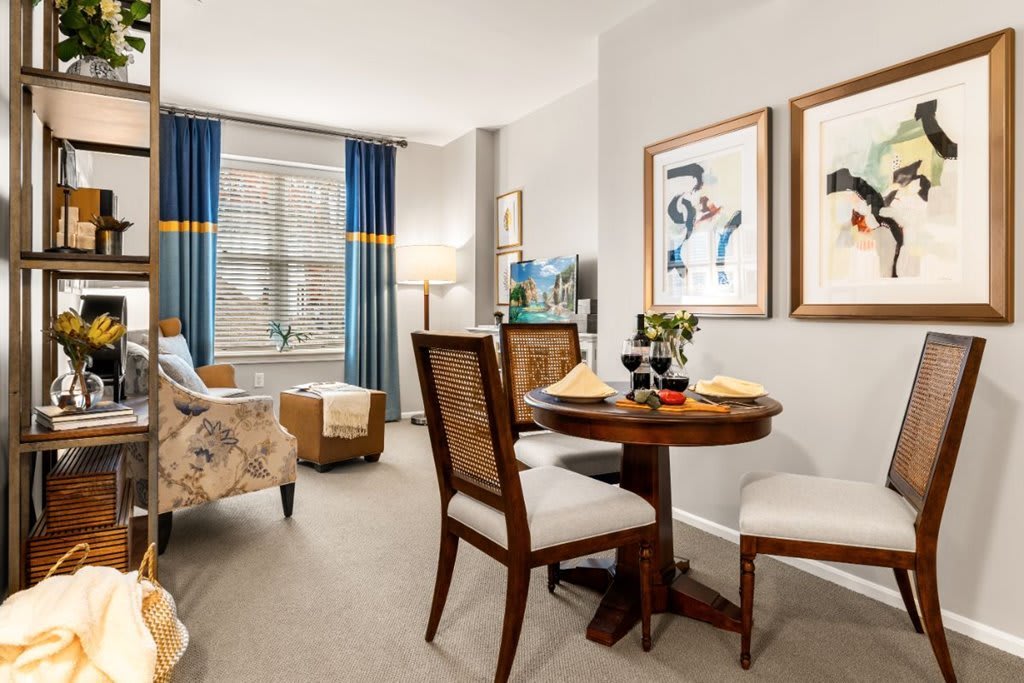
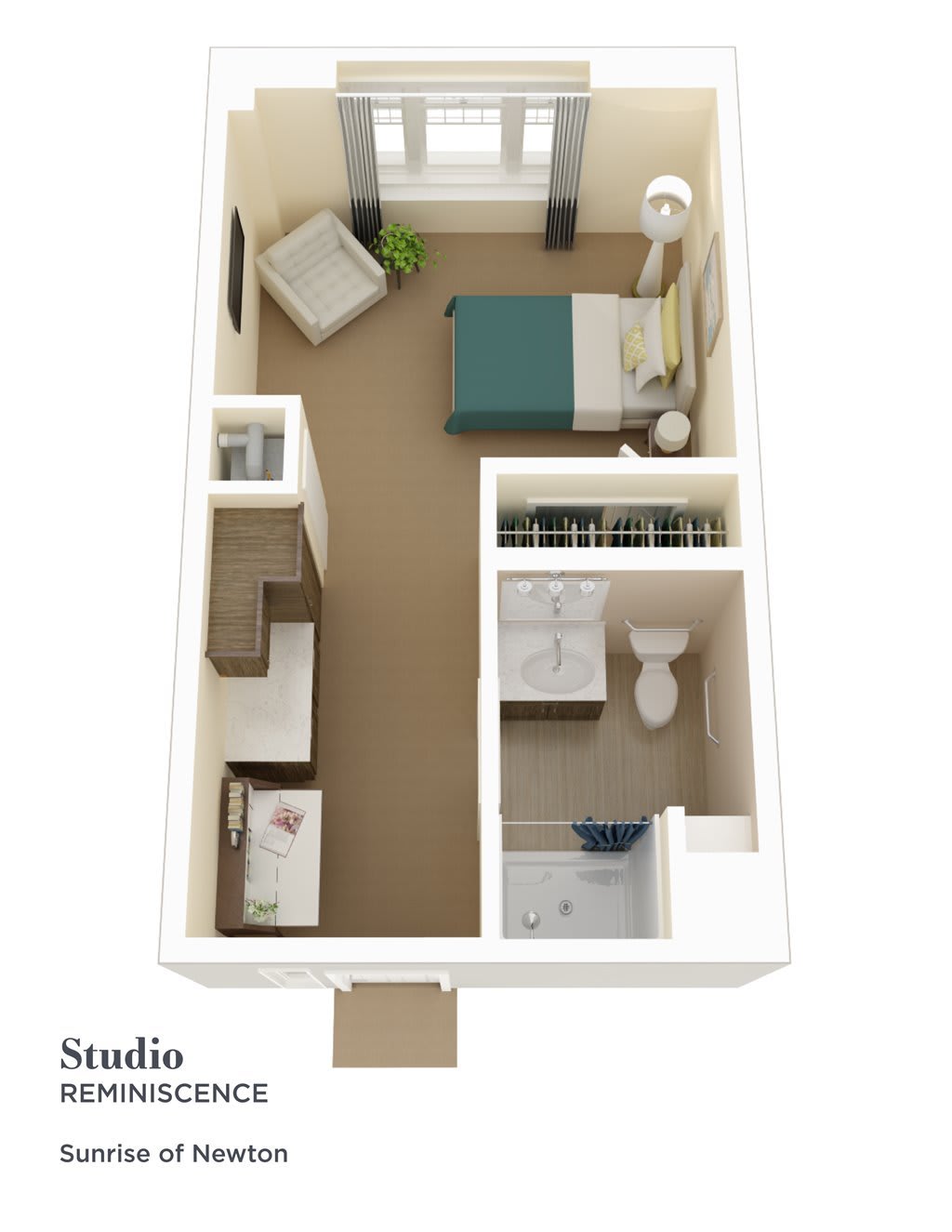
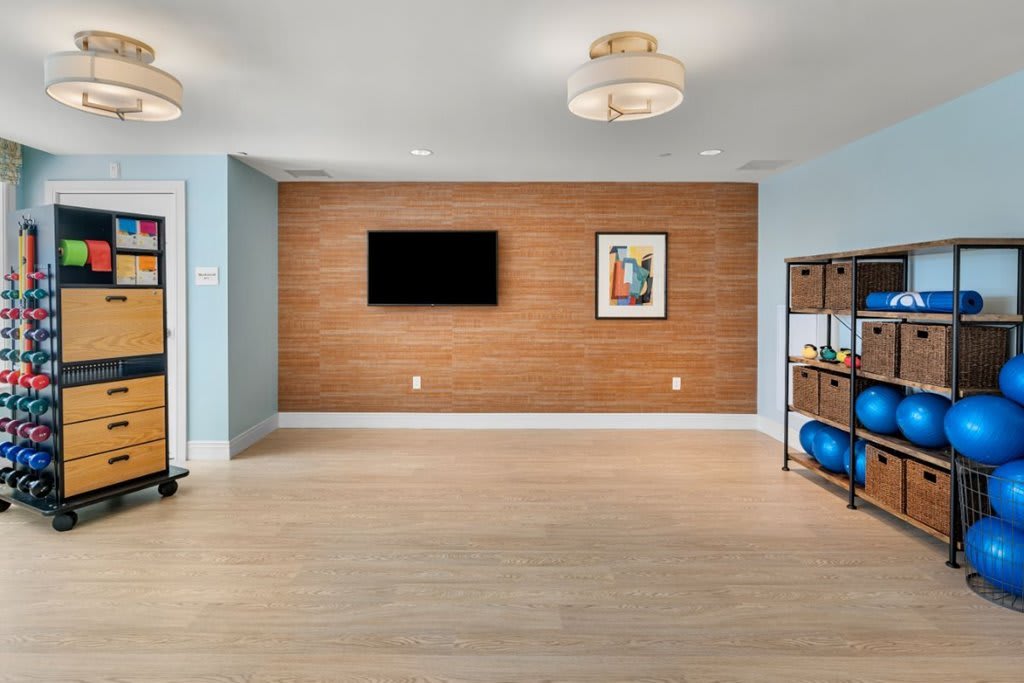
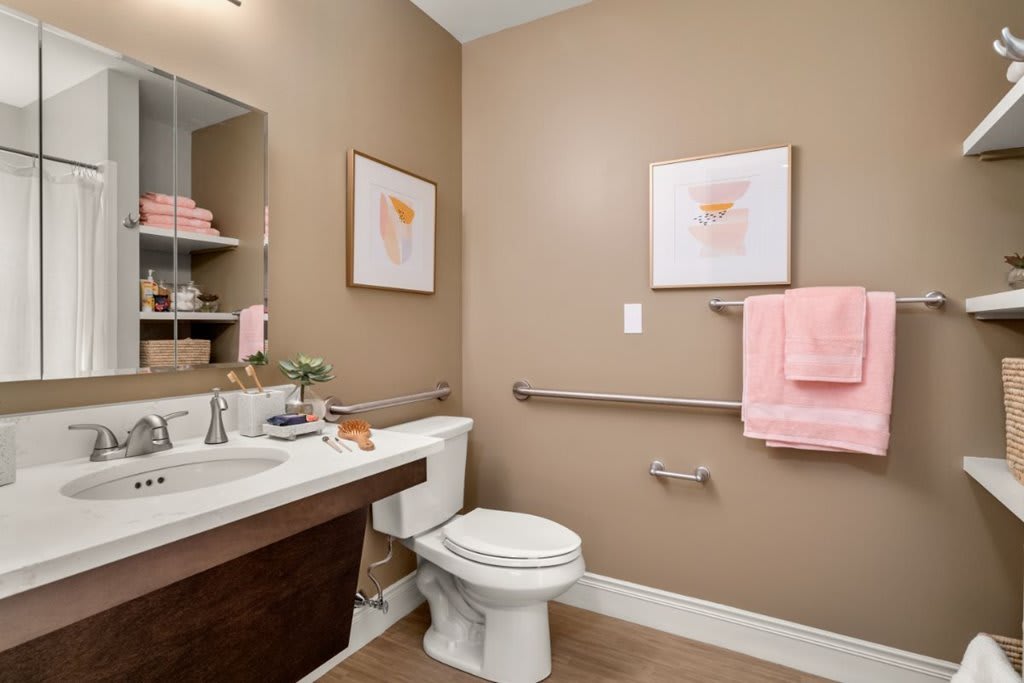
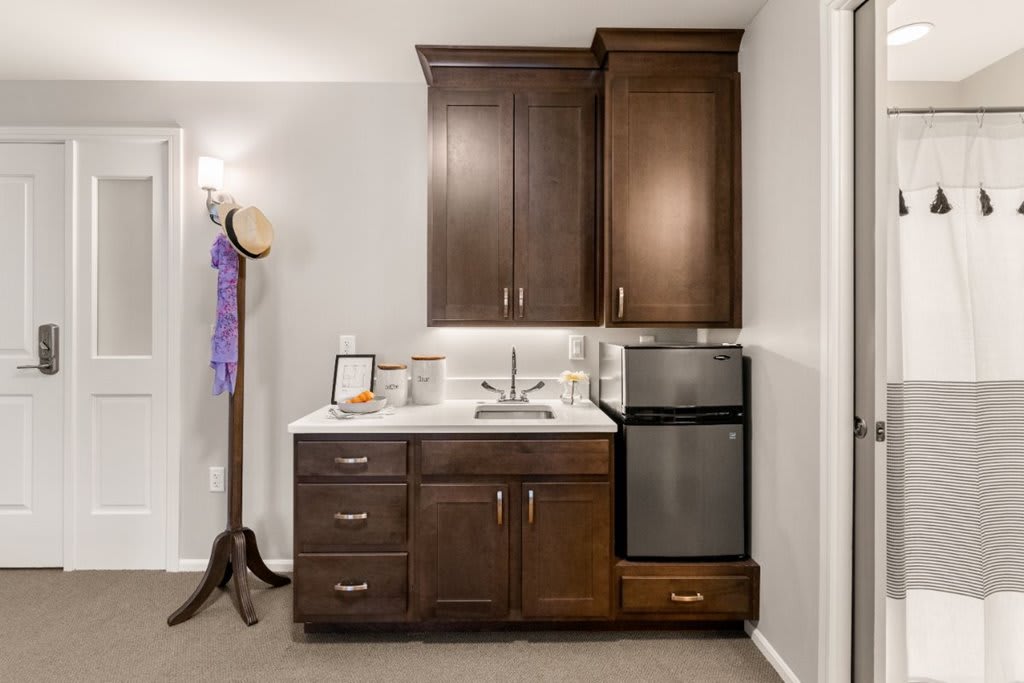
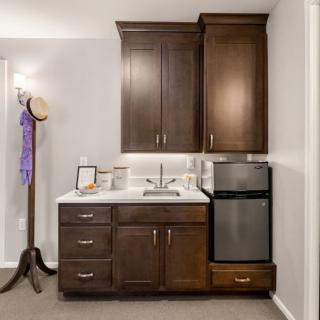
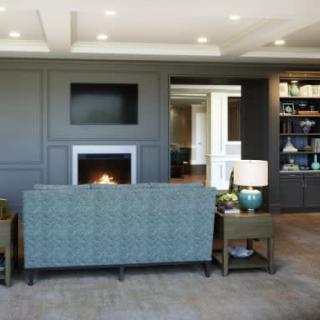
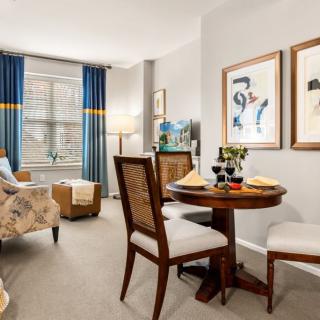
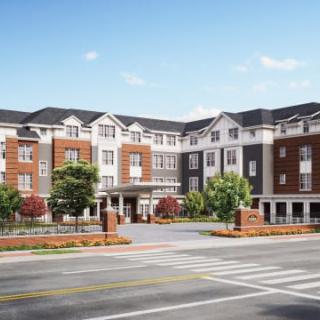
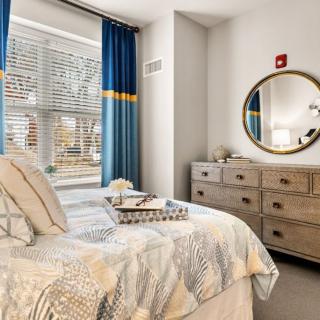
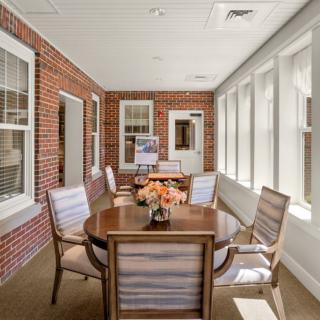
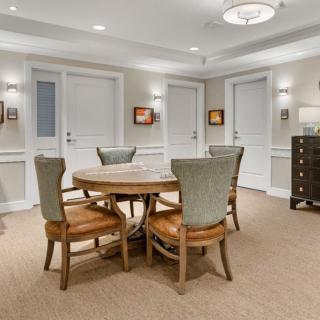
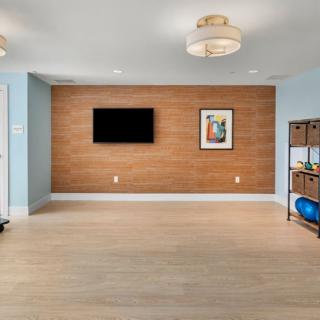
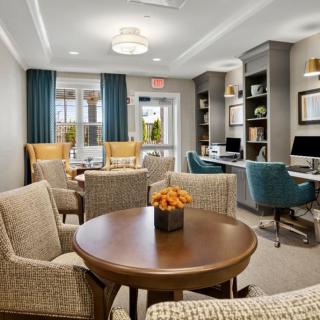
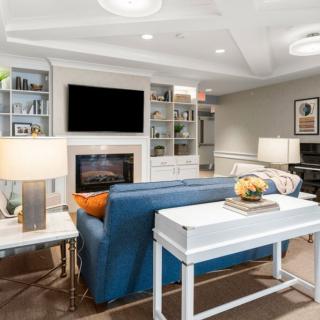
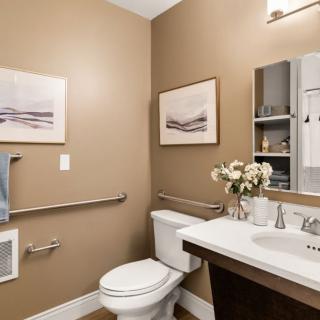
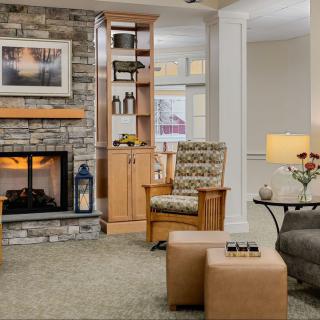
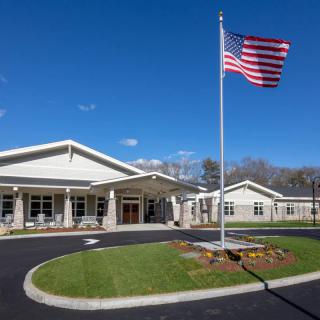
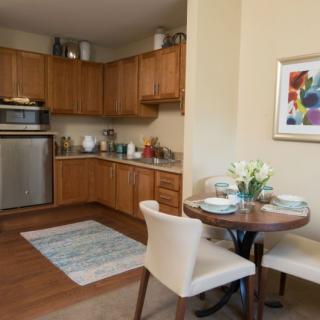
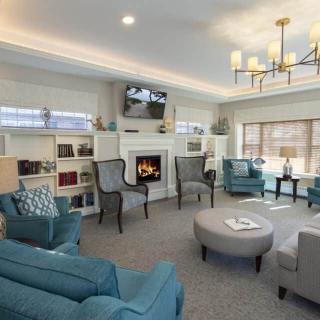
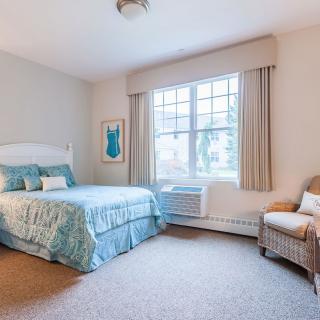
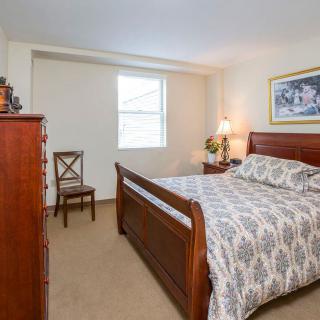
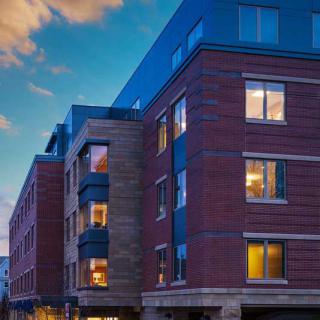
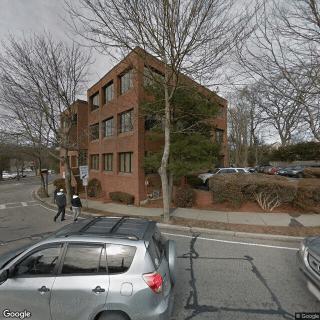
Sunrise of Newton on seniors.fyi includes 31 photos including images showing interior, floor plan, decor, bedroom, dining, living room, television, bathroom, and more.
Nearby Communities
House Works
Newton, MA
4.7 from 39 reviews
Excellent access to nearby amenities and healthcare.
Garland Rest Home
Newton, MA
3.9 from 114 reviews
Strong access to dining, parks, healthcare, worship, and entertainment nearby.
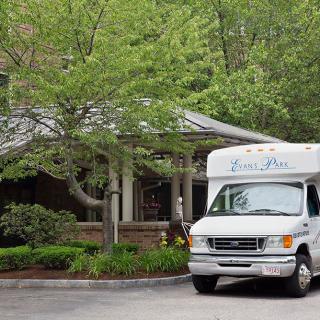
Evans Park At Newton Corner
Newton, MA
4.2 from 92 reviews
$3,750 to $7,700 / month
Caring staff and a warm, active community with good dining.
Sundown syndrome, or sundowning, is a phenomenon in dementia patients characterized by increased confusion and agitation during late afternoon and evening, influenced by factors like disrupted circadian rhythms and fatigue. Effective caregiver strategies include establishing routines and managing environmental light while addressing caregiver stress through support services.
Delirium is a rapidly onset, reversible cognitive disturbance often caused by acute medical issues, while dementia is a gradual and irreversible decline due to chronic neurodegenerative diseases. Accurate differentiation between the two is essential for appropriate treatment and management in older adults.
Dementia, including Alzheimer’s disease, is often mischaracterized in terms of lethality as it leads to complications that can be fatal rather than being a direct cause of death; it causes a progressive decline in cognitive and physical health, making patients vulnerable to infections and other health crises. Effective management of nutrition, hydration, and communication is crucial in patient care, with palliative care becoming vital in advanced stages to enhance comfort and quality of life while caregivers play a key role amidst the challenges posed by the disease.
Get PricingAsk A QuestionSchedule A TourContact Senior Advisor
By clicking submit, you agree to our Partner's Terms of Use. You
also consent to receive calls and texts, which may be autodialed, from our Partner. Your consent is not a condition to
using our Partner's service. Please visit our Partner's Privacy Policy for information about their privacy practices.

 1-bedroom apartments
 Assisted Living
 Memory Care
 Cats allowed
 Dogs allowed
 Activities off-site
 Air-conditioning
 Bath tubs
 Beautician on-site
 Devotional services off-site
 Ground floor units
 Handicap accessible
 Indoor common areas
 Kitchenette
 Outdoor common areas
 Respite or short term stays offered
 Wheelchair accessible showers
 Wi-Fi/high-speed internet available
 Gen Edw L Logan International (10 miles away)
 High acuity care
 Incontinence care
 Medication management
 Guest meals
 Art classes
 Cooking classes
 Day trips and outings
 Educational speakers / life long learning
 Gardening club
 Happy hour
 Live musical performances
 Live well programs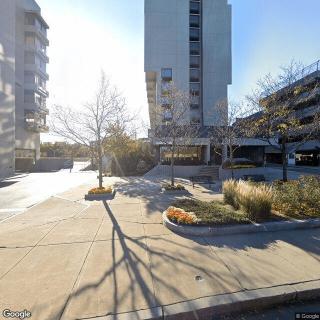
 Excellent access to nearby amenities and healthcare.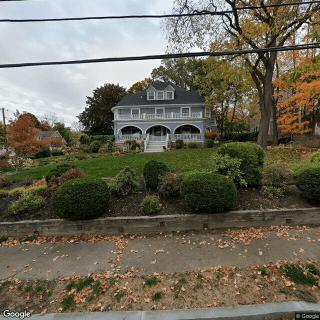


 Comprehending Evening Confusion in Dementia: Causes, Manifestations, and Support
 Delirium and Dementia: Unraveling the Key Differences
 Are Dementia and Alzheimer's Disease Lethal? A Comprehensive Exploration