

59 Country Way, Scituate, MA 02066
For more information about senior living options: (866) 208-4318
Overall Review of Cardigan Nursing & Rehabilitation Center
Pros
 The staff at Cardigan Nursing and Rehab are caring, knowledgeable, and dedicated to patient care.
- CNAs are terrific and the nurses are highly regarded for their compassion and competence.
- The care provided by nurses, aides, and helpers is outstanding.
- The staff greet residents and visitors warmly and create a welcoming atmosphere.
- The facility places patient care at the top priority and communicates with families about care.
- The staff assist with daily necessities and respond with kindness and attentiveness.
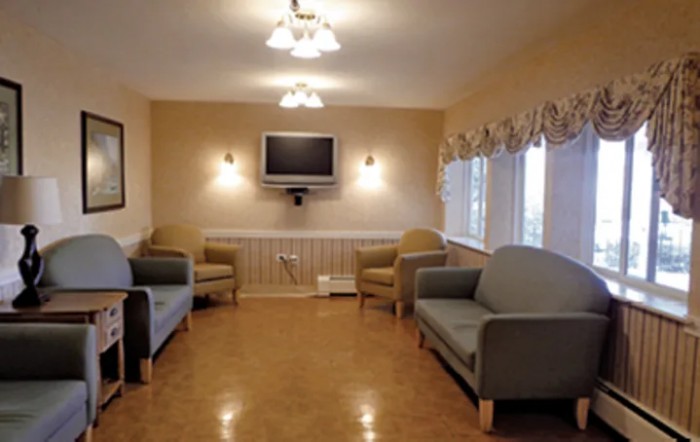
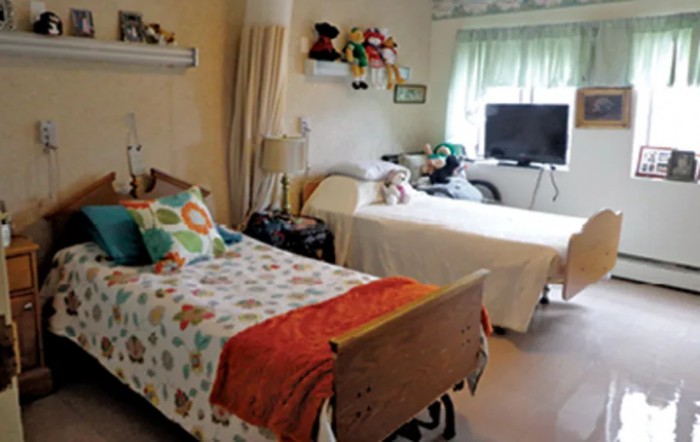
- The facility is clean and bright, and staff demonstrate initiative to support residents’ needs.
- Families feel comfortable leaving loved ones there and would highly recommend Cardigan.
Cons
 The administration, specifically L. Horton, is not someone to deal with; she is incredibly rude and extremely unethical.
- The reviewer claims the facility’s absurd cheapness, understaffing, and neglect contributed to their mother’s death.
- They warned readers to stay away if there are any other options.
- The building itself needs more attention, and the administrator and DON seemed distant during the reviewer’s last years working there.
Review
Cardigan Nursing & Rehabilitation Center in Scituate is best suited for families that prize hands-on, compassionate frontline care and a warm, non-pretentious environment. The setting works well for residents who need steady daily support, including those with dementia or those navigating rehabilitation, where caregivers’ attentiveness and practical help can make a meaningful difference. For families that want a pristine luxury vibe or flawless administrative efficiency, this community may not align with expectations. Leadership variability and the reality of staffing politics can color the experience, so those relying on seamless governance should proceed with caution and a clear plan for oversight.
The strongest positives come from the people who deliver daily care. Numerous accounts describe CNAs and nurses who are genuinely engaged, patient, and capable of handling routine yet essential tasks, bathing, dressing, meals, and routine monitoring, with a calm, reassuring bedside presence. Families repeatedly note that staff are not only competent but genuinely caring, taking time to greet residents, coordinate therapies, and respond promptly to needs. The center’s culture leans toward open communication with families, and in several stories staff members went the extra mile, helping with practical issues like coordinating therapy services or solving in-room logistics to keep a loved one comfortable. The environment emphasizes practical, steady care over glossy amenities, which can translate into reliable day-to-day stability.
However, administration and leadership issues cast a long shadow. A pattern of concerns about an administrator described as rude and unethical, paired with warnings to avoid if other options exist, signals a governance problem that cannot be ignored. Reports of understaffing and neglect in extreme cases raise questions about safety and reliability when only frontline care is considered. The administrator and DON are characterized as distant, which can erode trust and slow the escalation of problems. While the care staff may be outstanding, the inconsistency in leadership creates a real risk of disconnection between what families expect and what actually happens behind the scenes.
These pros can offset some of the cons for families who anchor their decision around day-to-day care and caregiver relationships. When caregivers are consistently available and attentive, families experience steadier communication and fewer moments of anxiety about a loved one’s status. The ability of staff to coordinate therapies, assist with specialized needs, and advocate on residents’ behalf can mitigate leadership gaps, especially in rehabilitation and memory-care scenarios. A no-frills, clean, and practical environment can actually empower nurses and aides to focus on essential care rather than prestige, producing meaningful improvements in comfort and daily functioning for residents who respond well to routine and personal attention.
That said, it is prudent to consider alternatives for anyone who cannot tolerate governance variability. Families prioritizing transparent leadership, reliable staffing, or modern, continually refreshed facilities may find better alignment elsewhere. The concerns raised by reviewers are not isolated opinions but recurring themes that suggest potential vulnerability if oversight breaks down. For residents who require highly predictable governance, clear escalation paths, or a consistently proactive administration, other local options may deliver a more reassuring balance between care quality and organizational stability. In short, Cardigan deserves a visit for those who value caregiver dedication, provided the leadership concerns are acknowledged and addressed.
The decisive step is a careful, informed evaluation that centers the resident’s needs and the family’s tolerance for administrative risk. Begin with direct observations: watch interactions between staff and residents, note response times, and assess whether documentation and care plans appear current and actionable. Seek candid conversations with the administrator, the DON, and frontline leaders about staffing ratios, turnover, and how concerns are escalated and resolved. Review recent surveys, complaint histories, and any corrective actions, then compare these findings with solid alternatives in the area to determine which setting best aligns with the loved one’s care goals, safety, and peace of mind for the family.
 65 resident community capacity
 Skilled Nursing Facility
 Air-conditioning
 Beauty salon
 Cable or satellite TV
 Computer center
 Dining room
 Fitness room
 Fully furnished
 Gaming room
 Garden
 Housekeeping services
 Kitchenette
 Move-in coordination
 Outdoor space
 Private bathrooms
 Restaurant-style dining
 Small library
 Telephone
 Wellness center
 Wi-Fi/high-speed internet available
 Gen Edw L Logan International (18 miles away)
 Community operated transportation
 12-16 hour nursing
 24-hour call system
 Activities of daily living assistance
 Assistance with bathing
 Assistance with dressing
 Assistance with transfers
 Diabetes diet
 Medication management
 Mental wellness program
 Special dietary restrictions
 Concierge services
 Planned day trips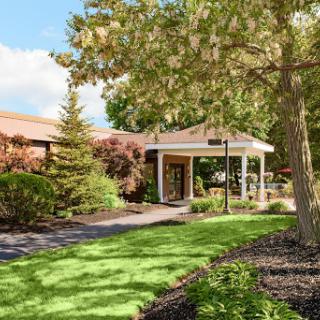





 Comprehensive Exploration of Living Wills and Other Advance Directives
 A Detailed Exploration of Living Wills and Advance Directives
 Comprehensive Guide to Medicare Coverage for Hospice Care