Bridges by EPOCH at Pembroke presents a premium pricing structure for its accommodations, reflecting the quality of care and services offered. The cost for a semi-private room stands at $10,615 per month, significantly higher than the average rates in Plymouth County ($5,416) and Massachusetts as a whole ($5,805). For those opting for a studio, the monthly fee is $11,195, which again exceeds both county ($6,307) and state averages ($5,312). These figures underscore Bridges by EPOCH's commitment to providing specialized memory care in an enriched environment tailored for residents' needs.
Floor plans
Bridges by EPOCH at Pembroke
Plymouth County
Massachusetts
Semi-Private
$10,615
$5,416
$5,805
Studio
$11,195
$6,307
$5,312
Memory care communities with a similar price nearby
About the same
Duxbury House at The Village Memory Care Residence
Residents and families consistently describe staff as caring, compassionate, and responsive to individual needs.
Across the reviews, people emphasize that the staff treats residents with dignity and kindness and that communication helps families feel supported. Multiple reviewers describe staff guiding them through the memory care journey, including moving in and day-to-day reassurance. A few reviews also point to variability in experiences with staffing, but the most common thread is that families feel genuinely taken care of along with their loved ones.
differentiator4 reviews mention this
Memory care support for families
The community pairs memory care with educational support meetings for family caregivers.
Several reviews highlight learning and support resources that go beyond the resident experience. Families describe monthly caregiver meetings and educational seminars that provide practical guidance when dealing with Alzheimer’s and dementia. Reviews also connect this support to reduced stress for caregivers during a difficult transition and ongoing care journey.
common8 reviews mention this
Activities and entertainment keep residents engaged
Residents are kept engaged with frequent activities, entertainment, and structured days.
Reviewers describe a steady rhythm of activities, including entertainment and group participation. Several people mention music, performances, and daily engagement that helps residents stay involved, including those with memory challenges. Families also talk about the atmosphere being active rather than isolating, with events that offer moments to enjoy together.
common9 reviews mention this
Clean, home-like environment stands out
Multiple reviews focus on a clean, bright setting with a home-like feel.
Many reviewers highlight cleanliness and upkeep, describing the facility as bright, neat, and well organized. Families also use “homey” language to convey that the spaces feel comfortable for residents with memory issues. A number of reviews connect the environment to residents settling in and feeling safe and calm.
common5 reviews mention this
Dining quality is a frequent point
Dining draws positive feedback, including restaurant-style meals and well-regarded food.
Several reviews mention that meals taste good and can help residents maintain a healthier weight. Families describe the dining experience positively, including “restaurant quality” food and homemade-leaning descriptions. The community also offers multiple dining choices and dietary accommodations, which aligns with the way reviewers talk about food meeting different needs.
differentiator2 reviews mention this
Respite stays help with transitions
Respite care is described as a helpful bridge during care transitions.
One review specifically credits respite care with providing a temporary solution until the next living arrangement was ready. Another describes how the community supported a loved one through a difficult period, with care that helped the family manage timing and planning. Together, these accounts frame respite as practical support when a long-term move isn’t immediately possible.
How we summarize
Counts show how many written reviews mention each theme; a review can touch several themes, and only frequently mentioned themes are displayed.
Features
Housing
Studio apartments
Types of Care
Memory Care
Amenities
Activities off-site
Activities on-site
Air-conditioning
Beautician on-site
Devotional services on-site
Ground floor units
Handicap accessible
Indoor common areas
Outdoor common areas
Respite or short term stays offered
Wheelchair accessible showers
Transportation
Gen Edw L Logan International (21 miles away)
Care Services
Incontinence care
Medication management
Dining
Anytime dining
Gluten-free
Guest meals
International cuisine
Kosher
Low / no sodium
Meals provided
No Sugar
Organic
Professional chef
Restaurant style dining
Special dining programs
Vegan
Vegetarian
Activities
Art classes
Catholic services
Cooking classes
Day trips and outings
Devotional activities on-site
Educational speakers / life long learning
Jewish services
Karaoke
Live musical performances
Live well programs
Protestant services
Visiting chaplain or priest
Nearby Places of Interest
This part of Pembroke, Massachusetts offers a convenient location with various amenities nearby. There are several healthcare options including eye health services, pediatric associates, and hospital psychiatry within a short distance. Residents can easily access pharmacies such as CVS and Walgreens for their medication needs. Additionally, there are cafes like Panera Bread and Starbucks where seniors can enjoy a cup of coffee or meet friends. For dining options, there are fast-food chains like Taco Bell and Wendy's, as well as sit-down restaurants like Mia Regazza and Stellwagen Beer Company. Parks like Memorial Field and Whitman Town Park provide opportunities for outdoor activities and relaxation. The presence of the South Shore Hospital nearby ensures access to quality healthcare services when needed. Overall, this part of Pembroke offers a blend of convenience, healthcare options, dining choices, and recreational facilities for seniors looking to settle in the area.
Physicians
Eye Health Services (0.2 miles)
Pembroke Westwood Hospital Psychiatry (0.6 miles)
Quincy Pediatric Associates (1.3 miles)
Impact Alloys (2.7 miles)
Scituate Pediatrics (4.9 miles)
Miliken Eye Care (5 miles)
Harbor Medical Associates (5 miles)
Cafes
Panera Bread (0.2 miles)
Slacktide Coffee Roaster (2.2 miles)
Starbucks (4.9 miles)
Coffee Shack (6.5 miles)
Starbucks (6.9 miles)
Marylou's News (8.7 miles)
Seabird Coffee & Co. (9.4 miles)
Restaurants
Taco Bell (0.3 miles)
Stellwagen Beer Company (1.4 miles)
Wendy's (1.4 miles)
Mia Regazza (1.7 miles)
The Corner Cafe (3.4 miles)
Levitate Backyard And Rexicana Surf Cantina (3.7 miles)
Bridges by EPOCH at Pembroke presents a premium pricing structure for its accommodations, reflecting the quality of care and services offered. The cost for a semi-private room stands at $10,615 per month, significantly higher than the average rates in Plymouth County ($5,416) and Massachusetts as a whole ($5,805). For those opting for a studio, the monthly fee is $11,195, which again exceeds both county ($6,307) and state averages ($5,312). These figures underscore Bridges by EPOCH's commitment to providing specialized memory care in an enriched environment tailored for residents' needs.
Bridges by EPOCH at Pembroke offers medication management to ensure that residents receive their prescribed medications accurately and on time, which is crucial for maintaining their overall health and managing symptoms often associated with dementia or Alzheimer's disease. This service helps prevent potential health complications arising from missed doses or incorrect medication administration, thus enhancing the quality of life for residents. Additionally, incontinence care provided at the facility addresses a common challenge faced by individuals with cognitive impairments. By offering compassionate and respectful assistance, this feature not only promotes dignity but also minimizes discomfort and distress, allowing residents to focus more on their daily activities and interactions within the community. Together, these services create a supportive environment tailored to meet the unique needs of individuals experiencing memory loss.
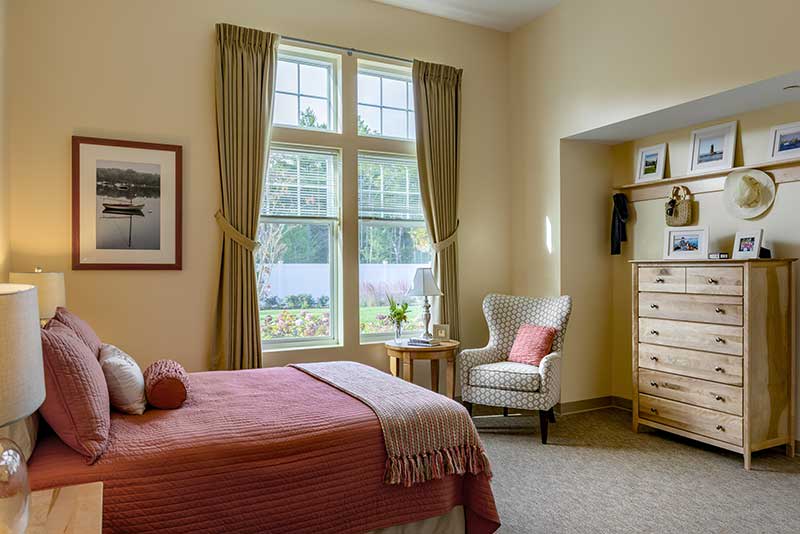
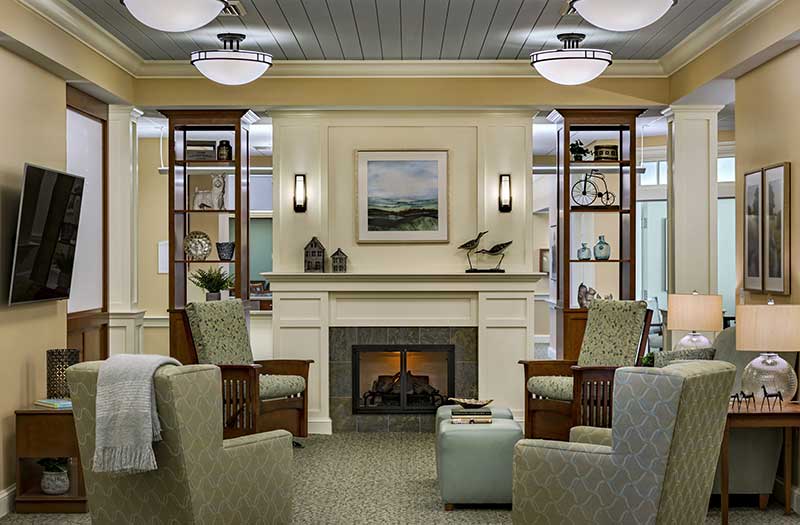
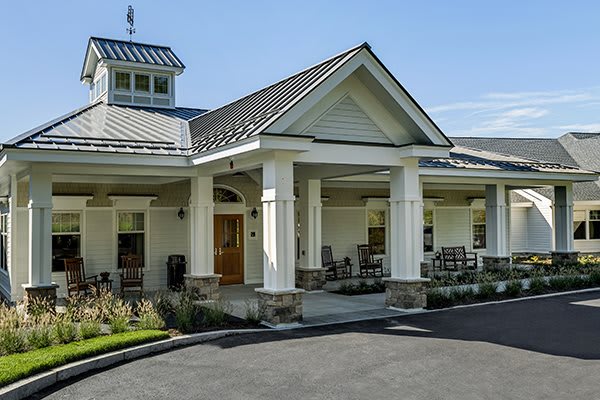
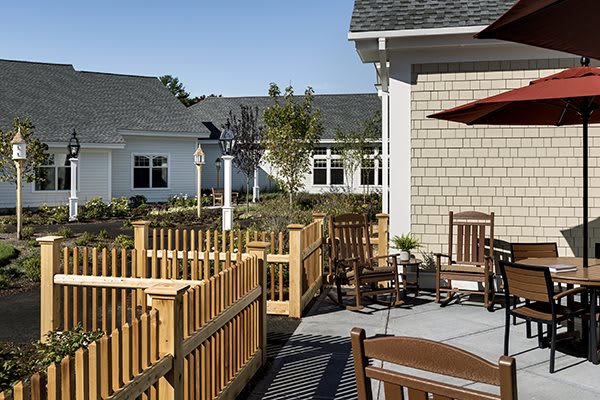
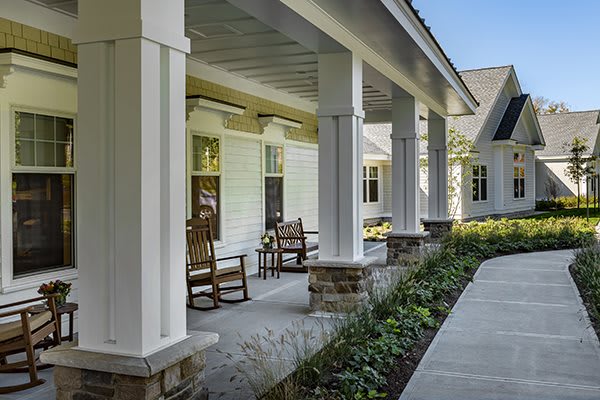
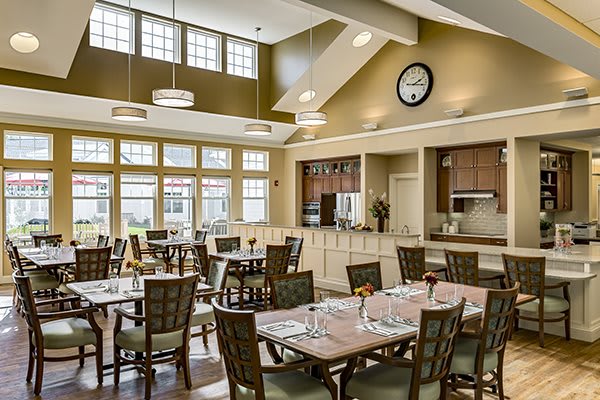
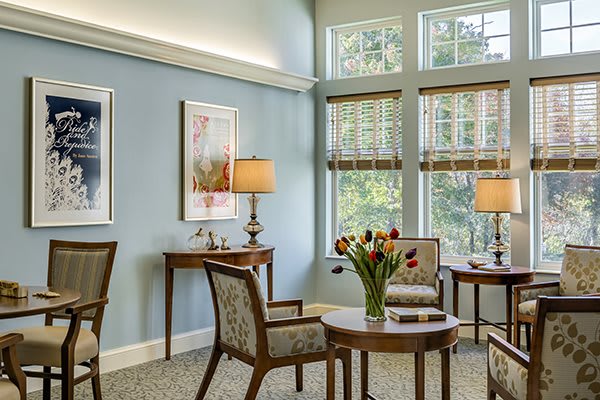
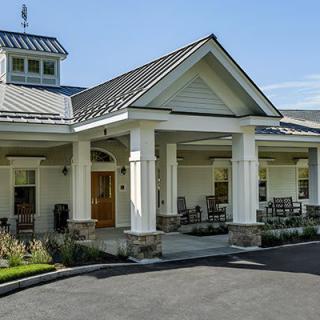
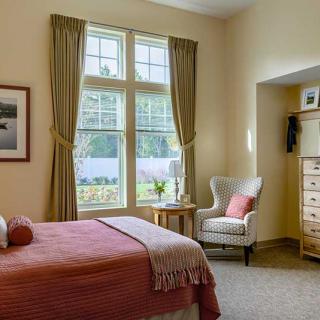
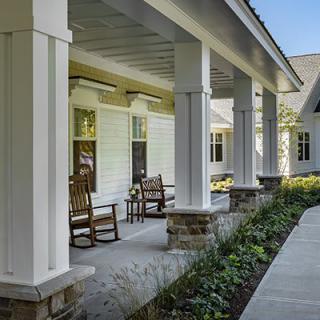
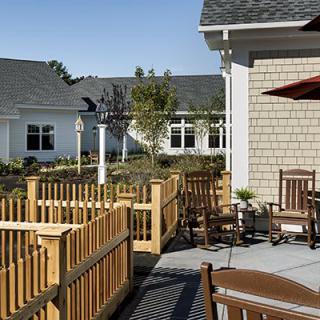
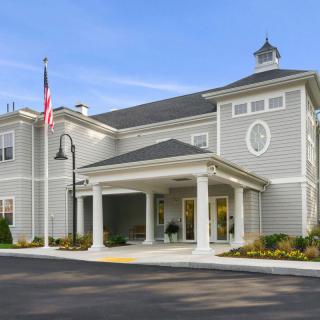
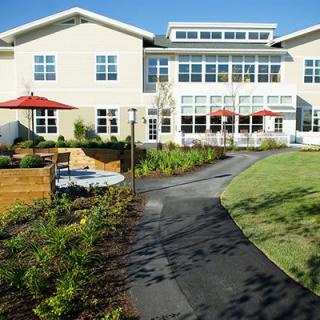
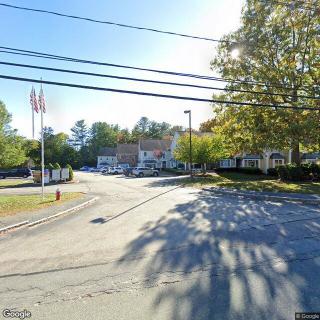
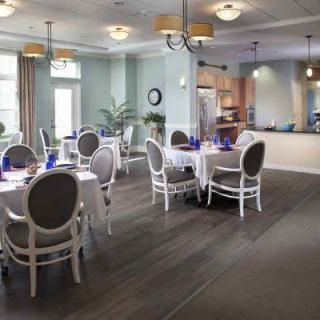
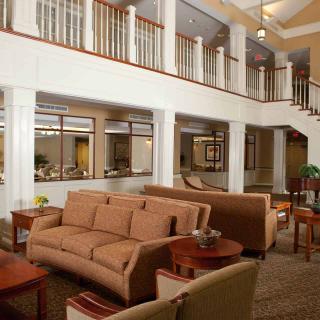
Bridges by EPOCH at Pembroke on seniors.fyi includes 8 photos including images showing interior, windows, decor, dining, living room, natural light, porch, bedroom, and more.
Nearby Communities
Bridges® By Epoch At Pembroke
Pembroke, MA
4.8 from 48 reviews
Homey atmosphere with well-maintained apartments and engaging activities.
Visiting Angels
Marshfield, MA
4.7 from 18 reviews
Nearby amenities and quality assisted living care.
Donovan Farm
Norwell, MA
Intimate assisted living with comprehensive care and essential amenities, plus nearby healthcare and dining options.
Home Instead - Pembroke, MA
Pembroke, MA
4.1 from 10 reviews
Peaceful location with easy access to cafes, parks, pharmacies, and doctors
Village At Proprietors Green
Marshfield, MA
4.3 from 70 reviews
$6,560 to $7,640 / month
Friendly, responsive staff in a clean, well-maintained community with engaging activities.
Center Commons
Pembroke, MA
Intimate setting with personalized care, including meals and medication management.
Benchmark at Hanover
Hanover, MA
4.9 from 73 reviews
$4,500 to $7,500 / month
Caring, attentive staff with personalized engagement in a clean, well-maintained environment.
The Village At Duxbury
Duxbury, MA
4.8 from 68 reviews
$2,164 to $3,629 / month
Welcoming, resident-centered staff with engaging activities and beautiful common areas.
Wingate At Silver Lake
Kingston, MA
3.3 from 60 reviews
Caring staff, clean facility, and engaging activities.
Reminiscence therapy is a structured method for older adults, especially those with dementia, to share life stories using prompts and sensory cues, fostering emotional well-being, social engagement, and self-identity. It aims to improve quality of life by enhancing interpersonal connections and cognitive stimulation while requiring careful facilitation to avoid distressing memories.
Dementia, particularly Lewy body dementia, often involves hallucinations that can significantly distress both patients and caregivers due to disruptions in sensory processing and neurotransmitter imbalances. Effective management includes compassionate communication, environmental adjustments, and a multidisciplinary approach to care while addressing the emotional needs of caregivers.
Alzheimer’s disease is a progressive neurological disorder that significantly impacts memory and cognitive functions, accounting for 60-80% of dementia cases, with early diagnosis being crucial yet challenging. It involves brain changes like beta-amyloid plaques and tau tangles, influenced by genetic and lifestyle factors, and while there is no cure, symptom management and support for caregivers are essential.
Get PricingAsk A QuestionSchedule A TourContact Senior Advisor
By clicking submit, you agree to our Partner's Terms of Use. You
also consent to receive calls and texts, which may be autodialed, from our Partner. Your consent is not a condition to
using our Partner's service. Please visit our Partner's Privacy Policy for information about their privacy practices.








 Studio apartments
 Memory Care
 Activities off-site
 Air-conditioning
 Beautician on-site
 Devotional services on-site
 Ground floor units
 Handicap accessible
 Indoor common areas
 Outdoor common areas
 Respite or short term stays offered
 Wheelchair accessible showers
 Gen Edw L Logan International (21 miles away)
 Incontinence care
 Medication management
 Anytime dining
 Art classes
 Catholic services
 Cooking classes
 Day trips and outings
 Educational speakers / life long learning
 Jewish services
 Karaoke
 Live musical performances
 Live well programs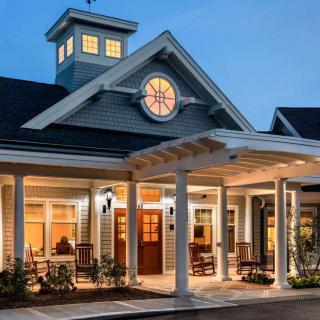
 Homey atmosphere with well-maintained apartments and engaging activities.


 An In-Depth Look at Reminiscence Therapy in Dementia Care
 Dementia-Related Hallucinations: Causes, Experiences, and Practical Approaches
 Illuminating Insights About Alzheimer's Disease: Ten Crucial Realities