The Ellis Nursing and Rehab Center

135 Ellis Ave, Norwood, MA 02062

For more information about senior living options: (844) 490-3973

3.2 from 41 reviews
5 stars
17
4 stars
5
3 stars
3
2 stars
2
1 stars
14

Skilled Nursing Facility

Overall Review of The Ellis Nursing and Rehab Center

Pros

  • pro Several reviewers noted that there were exceptional care providers at Ellis Rehab Center.
  • pro The staff were described as kind, caring, and responsive, with Sherry's coordination and communication noted as excellent from the start.
  • pro The facility was described as clean and nice, with a strong therapy staff.
  • pro Families expressed gratitude for the care, noting that staff helped loved ones strengthen and maintain independence.
  • pro Denise and Marylou, among others, were praised for dedication, empathy, and support, including during end-of-life moments.
  • pro The nurses and aides were described as polite, patient, and friendly with residents.
  • pro Some reviewers called the staff angels, highlighting love and respect shown to residents and their families.

Cons

  • pro The Ellis Rehab Center is poorly managed and many nurses do not speak English, often failing to respond to patients' questions or distress.
  • pro The director of nursing is described as hostile and unresponsive when concerns about staff are raised.
  • pro A reviewer observed a mouse in the facility, signaling serious cleanliness problems.
  • pro A patient reported being scolded for getting out of bed and for therapy, with a non-working call button and overall substandard care.
  • pro The facility reportedly dumped a patient back to the hospital within 24 hours after a fall, raising safety concerns.
  • pro Weekend staff are described as agency, not friendly, and potentially dangerous due to insufficient aides and oversight.
  • pro An administrator in the parking lot asked the reviewer to leave a Google review while the reviewer was grieving their mother's death.

Review

Families who have interacted with the Ellis Rehab Center describe a wide spectrum of experiences, with threads of warmth and care woven together with frustration and concern. In conversations about Driftwood's Ellis facility, some families recall moments when staff were genuinely compassionate, responsive, and dedicated to helping loved ones regain strength. They point to individual nurses and support staff who stood out in positive ways, offering patient guidance, clear communication, and practical assistance through difficult days. Yet these hopeful notes sit alongside others that highlight systemic gaps, inconsistent bedside manner, and organizational patterns that left families feeling unheard or dismissed at crucial moments.

Several accounts focus on the day-to-day reality of care, where language and communication surfaced as notable concerns. A few reviewers mention that not all nurses spoke English well, and some families felt their questions went unanswered or were met with short, blunt responses. In particular, one narrator described a unit manager who could be combative and less than compassionate, chiding family members for taking independent steps to involve outside physicians. This combination of language barriers and a tense bedside manner contributed to a perception that patient-centered communication varied dramatically by clinician and moment, rather than being a consistent standard across the facility.

Yet the narrative is not uniformly negative. Many families recall caregivers who were helpful, kind, and attentive. For instance, several reviews mention a few standout staff members - people like Sherry, whose coordination and communication with families was described as excellent from the start; Denise and Marylou, whom a writer called "the angels" for their strength, respect, hard work, and love shown toward a mother in her care; and Julie the social worker, who was praised for her support during challenging appointments and transitions. In these memories, care was not simply about medical tasks but about emotional presence, reassurance, and a steady hand in navigating the health system.

There are also consistent concerns about the consistency and thoroughness of medical care. Some reviewers recount wound care that was delayed or insufficient, irregular physical therapy visits, and occasions when routine issues - like dressing changes or monitoring wounds - were not performed as promptly as expected. There are vivid, troubling details: a patient who felt their pain was not adequately addressed, and another who described a period when the call button did not work, making it difficult to communicate needs at odd hours. Stories of unclean rooms, neighbors who disturbed sleep, and a sense that basic safety and comfort could be uneven depending on who happened to be on duty add to a complicated impression of the facility's regular operations.

Environment and safety factors also appear in the feedback, with a few reviewers pointing to cleanliness and upkeep as a mixed bag. One startling anecdote describes a mouse sighting in a room, a detail that prompted concerns about overall cleanliness and oversight. On the other hand, other residents and families describe the building as clean and well-kept on the days when attentive staff were present, and they highlight the capability of therapists and nurses to work with mobility and strength goals to help a loved one regain independence. The contrast between these experiences reinforces the sense that daily conditions can shift considerably with staffing levels and the specific team assigned to a patient.

The emotional and administrative dimensions of care surface in several notable episodes. There is a memorable, painful moment when a family faced the death of a loved one and was approached by an administrator who asked for a Google review the very day after the passing. The shock and grief of that moment underline expectations families have for compassion and sensitivity during bereavement, and they color the subsequent months as families continued to seek acknowledgment and appropriate handling of final arrangements and billing. One reviewer describes sending a letter two months after death and receiving no reply, a detail that underscores the frustration many families feel when concerns appear to be deferred rather than addressed.

Billing and accountability also appear as points of tension. Some reviewers report ongoing charges for services that were never clearly resolved or explained, leaving families with unsettled questions about what was provided and why. The interplay between administrative demands and clinical care creates a sense that the facility's leadership and front-office interactions set the tone for how families perceive the overall quality of care. Several accounts touch on interactions with the director of nursing, with some families characterizing that leadership as hostile or unresponsive, while others recall moments of guidance and support that helped them navigate the system.

Finally, there is a broad sense of variability - by unit, by shift, and by individual caregiver. One reviewer notes that weekdays offered strong care and supportive staff, while weekend teams felt less coordinated and more reliant on temporary agency staff. Another family emphasizes the strength of the Cherrywood unit's care, contrasting it with a different facility's prior experiences where treatment had been far less consistent. In essence, Ellis Rehab Center emerges as a place where good care and good people exist alongside gaps that many families found difficult to overlook, especially in moments of grief, medical decision-making, and transitions between services.

Taken together, the experiences paint a nuanced portrait of Ellis Rehab Center: a facility with pockets of exceptional compassion and professional competence, but also with systemic challenges related to communication, language, safety practices, and administrative responsiveness. Families who encountered the best of Ellis describe it in terms of personal connections, clear coordination, and staff who went above and beyond to support both patients and their families. Those who faced the tougher days describe delays in care, inconsistent bedside manners, and moments when the environment and procedures did not meet the expectations one would hope for in a setting tasked with rehabilitative care and end-of-life sensitivity. The recurring themes suggest that improvements in communication, language accessibility, patient safety, and timely follow-through on concerns could help align Ellis Rehab Center's actual practice more closely with the compassionate care many families want for their loved ones.

Features

Types of Care

  • Skilled Nursing Facility Skilled Nursing FacilitySkilled Nursing Facilities are crucial for seniors as they provide round-the-clock medical care, rehabilitation services, and assistance with daily activities. These facilities ensure that seniors receive the specialized care they need to maintain their health and well-being as they age.

Transportation

  • Gen Edw L Logan International (14 miles away) Gen Edw L Logan International (14 miles away)

Description

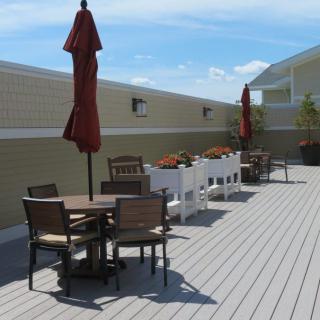
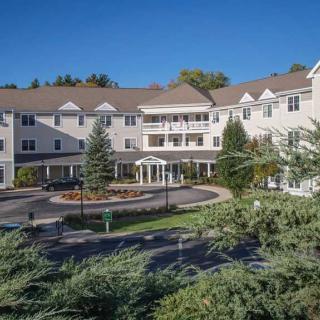
The Ellis Nursing and Rehab Center, located in Norwood, MA, is an assisted living community that offers a comprehensive range of services and amenities to ensure the well-being and comfort of its residents. With its convenient location, seniors residing in this community have easy access to various nearby facilities and services.

For those who enjoy outdoor activities or simply want to bask in nature's beauty, there are two parks located nearby. These parks provide a serene environment with ample space for walking, exercising, or enjoying a picnic. Additionally, the community is surrounded by six cafes where residents can socialize with friends or family over a cup of coffee or a light snack.

Healthcare needs are well taken care of within close proximity to the center, as there are six pharmacies available nearby. This makes obtaining medications or medical supplies hassle-free for both residents and their families. Furthermore, three physicians can be easily reached for regular check-ups, consultations, or any urgent medical needs.

Residents at the Ellis Nursing and Rehab Center also have plenty of dining options available to them. With seven restaurants in the vicinity, they can explore a variety of cuisines without having to travel far.

Transportation is made convenient with three options available nearby. Residents can easily access reliable means of transportation for their shopping trips or visits to local attractions. For those seeking spiritual support or wishing to attend religious services, there is one place of worship conveniently located close by.

Additionally, the proximity of two hospitals ensures that residents receive prompt medical attention and specialized care whenever required.

At the Ellis Nursing and Rehab Center in Norwood, MA, seniors can enjoy a vibrant community while benefiting from the convenience of various amenities and services available nearby.

Nearby Places of Interest

Places of Worship

  • Saint Catherine of Siena Parish (1 miles)
  • First Baptist Church (7.4 miles)

Pharmacies

  • CVS Pharmacy (1.2 miles)
  • Wegmans (1.7 miles)
  • CVS Pharmacy (1.8 miles)
  • Walgreens (1.9 miles)
  • CVS Pharmacy (2.9 miles)
  • Walgreens (4.3 miles)
  • CVS Pharmacy (5 miles)

Hospitals

  • New England Baptist Outpatient Care Center (1.5 miles)
  • West Roxbury VA Hospital (4.8 miles)
  • Lemuel Shattuck Hospital (7.7 miles)
  • Newton-Wellesley Hospital (9.1 miles)

Physicians

  • Guild Medical Center (1.5 miles)
  • Dedham Medical Associates (2.4 miles)
  • Dedham Medical (4.2 miles)
  • Pediatric Associates of Wellesley (5.4 miles)
  • Carney Hospital (7.9 miles)
  • The Foxboro Center For Women's & Family Health (8 miles)
  • Brigham & Womens Mass General Healthcare Center (8.9 miles)

Restaurants

  • Yard House (1.7 miles)
  • Castle Island Brewing (2.6 miles)
  • Eggs & Thai Cafe (2.9 miles)
  • Wendy's (3.1 miles)
  • Chick-Fil-A (3.8 miles)
  • C.F. McCarthy’s (4.2 miles)
  • McDonald's (4.5 miles)

Cafes

  • Starbucks (2 miles)
  • Brookside Cafe (2.5 miles)
  • Dunkin' Brands (2.9 miles)
  • Starbucks (3.5 miles)
  • Panera Bread (3.8 miles)
  • Starbucks (4.9 miles)
  • French Press Bakery & Cafe (5.8 miles)

Transportation

  • Route 128 station (2 miles)
  • Canton Junction Station (3.5 miles)
  • Readville (3.5 miles)
  • MBTA Commuter Rail (8.6 miles)
  • MBTA Reservoir Station (9.1 miles)
  • MBTA North Quincy Station (9.3 miles)

Parks

  • Francis William Bird Park (3.8 miles)
  • Houghton's Pond (4.7 miles)
  • Cutler Park (5.4 miles)
  • Hinckley Playground (6.1 miles)
  • Almont Park (6.6 miles)
  • Pagel Playground (6.7 miles)
  • Governor Hutchinson's Field (7.5 miles)

Theaters

  • Showcase Cinema de Lux Randolph (7.1 miles)
  • AMC Braintree 10 (7.9 miles)
  • Showcase SuperLux (8 miles)

Frequently Asked Questions

Where is The Ellis Nursing and Rehab Center?

Nearby Communities

Related Resources

  • uti in elderlyUrinary Tract Infections in Older Adults: Comprehensive Insights on Symptoms, Treatment, and Prevention

    Older adults with urinary tract infections (UTIs) often present atypical symptoms, complicating diagnosis due to factors like incomplete bladder emptying and chronic health conditions that increase their susceptibility. Effective management involves prompt treatment with antibiotics, hydration, and preventive strategies while minimizing antibiotic resistance and focusing on holistic care approaches.

  • 602 formCalifornia's Form 602A: An In-Depth Examination of Senior Care Assessment

    California's Form 602A is a vital tool for evaluating the health needs of seniors seeking residential care, detailing their medical conditions and daily living requirements to ensure proper service alignment. This standardized form enhances communication among physicians, families, and facilities, serving as a regulatory measure for admissions and ongoing care while adapting to changing healthcare practices.

  • elderly blood pressure chartComprehensive Look at Senior Blood Pressure Charts: Normal and Elevated Levels by Age

    The overview of blood pressure management for seniors emphasizes the importance of monitoring and interpreting blood pressure readings, noting that normal ranges can vary due to age-related factors and individual health conditions. It highlights tailored guidelines for systolic and diastolic levels, the necessity of early detection and consistent management to prevent serious health complications, and advocates for personalized care strategies that incorporate lifestyle changes and medication adherence.