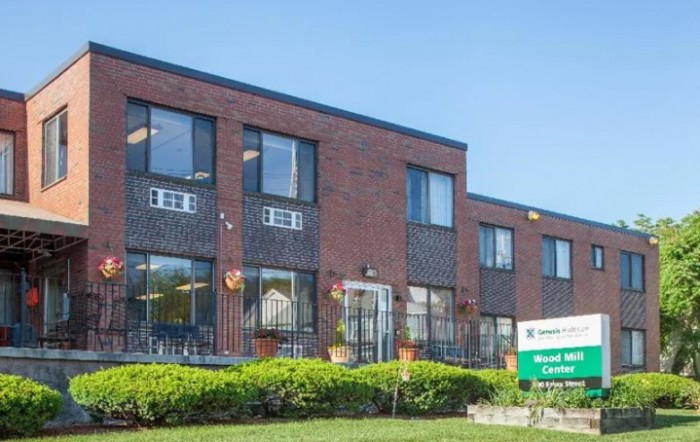
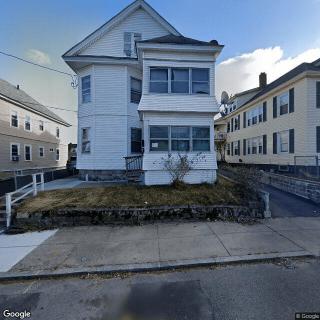
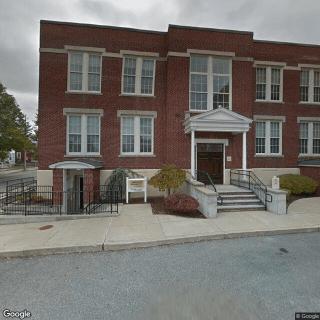
800 Essex Street, Lawrence, MA 01841
For more information about senior living options: (866) 208-4318
Overall Review of Royal Wood Mill Center
Pros
 The Royal WoodMill Nursing staff are phenomenal, with all members of nursing, social services, nutrition, and recreation being knowledgeable, caring, and professional.
- The care provided to their family member was by far the best.
- They are eternally grateful and thankful for the care received.
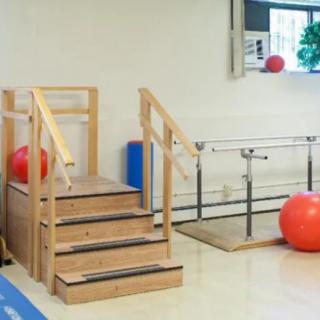
- The rehab team ensured that they could focus on getting better, with staff who always smiled and made them feel welcome.
- The grandparents’ care was truly exceptional, with compassionate and capable hands from arrival onward.
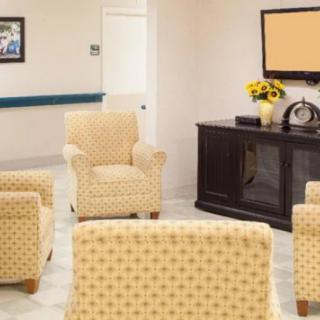
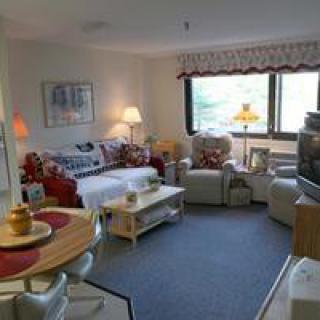
- Woodmill provided not just care, but a true sense of home, including meaningful activities and inclusive engagement for residents of all abilities.
- The onsite salon made the grandmother feel pampered and beautiful.
Cons
 One reviewer called the place horrible.
 - They reported having to change the bed, couldn’t find the remote for the TV, and described the commode as a whole other story.
- They said they wouldn’t be there for more than tonight.
- They claimed the staff refused to speak English in front of them.
- Another reviewer stated that after 15 months their health declined, doctors did nothing, CNAs were atrocious, patients were ignored and left in bed or in dayrooms in wet diapers, and the facility should be condemned.
Review
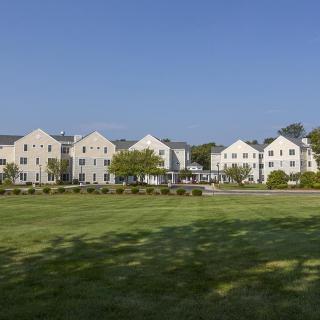
Royal WoodMill Center in Lawrence, MA is best suited for families that prize a strong, hands-on nursing and rehab program and a home-like atmosphere. It works best for residents who are aiming for meaningful recovery or for those who thrive on structured activity lines and social engagement, including dementia-capable programming that keeps people mentally and socially stimulated. This community can deliver warmth, attentiveness, and genuine bedside care, which can translate into real improvements in function and mood when the goal is rehabilitation or end-of-life dignity within a supportive environment. Those who need highly predictable, uniformly excellent care every shift, without occasional lapses, may want to consider alternatives.
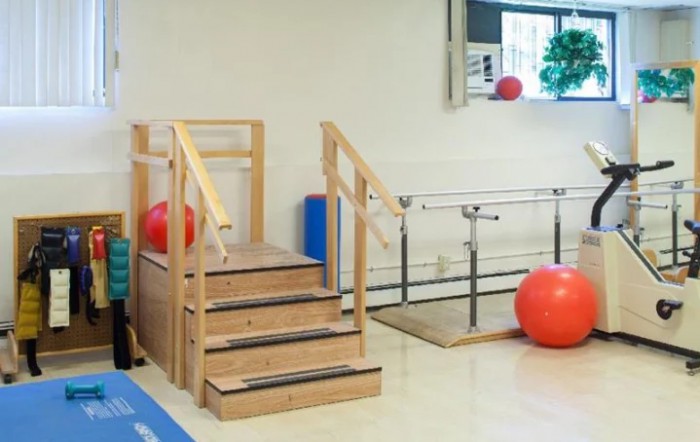
The standout is the clinical heart of the operation. Nursing, social services, nutrition, and recreation staff are repeatedly described as knowledgeable, caring, and professional, creating a sense that residents are genuinely valued. The rehab team earns particular praise for driving recovery after injuries or surgeries, with families noting thriving progress and a focus on getting residents home or to their best possible baseline. A true sense of home comes through in stories about compassionate daily routines, meaningful activities, and staff who make residents feel welcome and respected. For families seeking a facility that can mobilize a robust care plan and enthusiastic engagement, these positives carry substantial weight.
Yet, substantial caveats surface in a subset of experiences. Some reviews describe alarming lapses: urgent concerns about responsiveness, basic tasks like bed changes or equipment handling going unaddressed, and even provocative moments where staff communication breaks down in a troubling way. One account depicts an abrupt and upsetting encounter where language was used inappropriately in front of a resident, signaling possible gaps in cultural sensitivity and communication standards. Beyond isolated incidents, there are long-term statements about doctors’ responsiveness and overall care quality that undermine confidence in consistent medical oversight. Taken together, these concerns are not minor annoyances; they point to real risk factors for anyone prioritizing steady, attentive daily care.
The core pros only partly offset these cons, and the balance shifts with the intended length and purpose of stay. For short-term rehab or for families prioritizing a high-caliber rehab and nursing team, the favorable clinical outcomes and engaging programming can be decisive, patients can recover functional abilities and enjoy a dignified, comforting environment. However, for residents requiring reliable, day-to-day consistency in caregiving, or for families who cannot tolerate occasional communication gaps or perceived neglect, the negatives may overwhelm the benefits. The best-fit resident is likely someone who can leverage excellent restorative care and social programming while accepting that consistency in daily caregiving may vary by shift.
Given these dynamics, alternatives deserve serious consideration for certain needs. Families seeking unwavering daily caregiving quality, highly proactive medical review, and clear, stigma-free communication should compare other communities with stronger track records on staff stability and caregiver accountability. Those prioritizing specialized dementia care with consistently robust engagement, or facilities with more transparent clinical oversight and language-appropriate communication, will likely find options that align more closely with their expectations. In essence, Royal WoodMill Center can be an excellent choice for the right short-term or transitional goal, but not for those who require uniformly flawless day-to-day operation across a long-term stay.
Practical due diligence can illuminate the best decision. During visits, focus on the rehab and nursing floors: observe nurse-to-patient ratios, ask to meet the assigned care teams, and request a detailed daily care plan for a representative resident. Seek candid feedback from current residents and families about responsiveness, diaper and hygiene practices, and how concerns are escalated. Review recent licensing and complaint history, and inquire about language support and cultural sensitivity training. If choosing to move forward, negotiate a concrete short-term trial period with explicit benchmarks for care quality, and establish a clear point of contact for ongoing concerns. This approach reveals whether the positives, the skilled nursing, rehab momentum, and home-like atmosphere, can truly outweigh the documented risks in a given situation.
 94 resident community capacity
 Skilled Nursing Facility
 Air-conditioning
 Beauty salon
 Cable or satellite TV
 Computer center
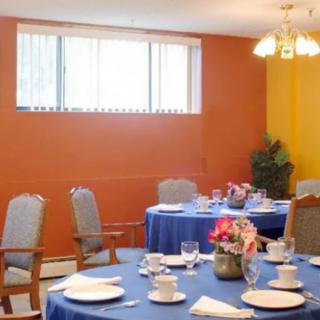
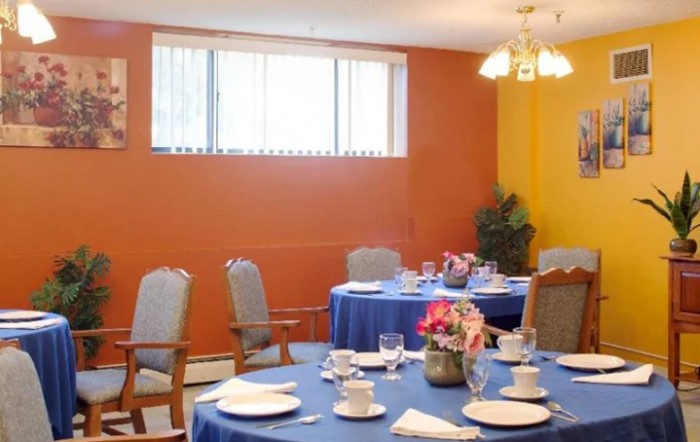
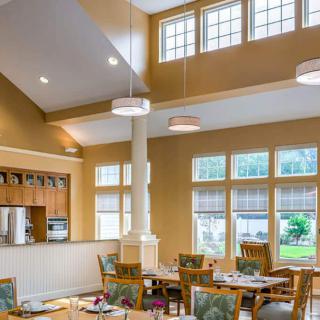
 Dining room
 Fitness room
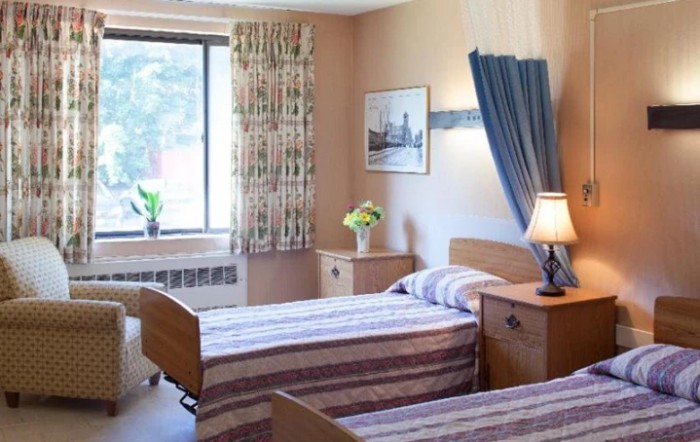
 Fully furnished
 Gaming room
 Garden
 Housekeeping services
 Kitchenette
 Move-in coordination
 Outdoor space
 Private bathrooms
 Restaurant-style dining
 Small library
 Telephone
 Wellness center
 Wi-Fi/high-speed internet available
 Manchester (21 miles away)
 Community operated transportation
 12-16 hour nursing
 24-hour call system
 Activities of daily living assistance
 Assistance with bathing
 Assistance with dressing
 Assistance with transfers
 Diabetes diet
 Medication management
 Mental wellness program
 Special dietary restrictions
 Concierge services
 Planned day trips


 California's Form 602A: An In-Depth Examination of Senior Care Assessment
 Comprehensive Look at Senior Blood Pressure Charts: Normal and Elevated Levels by Age
 Top Canine Companions for Older Adults