

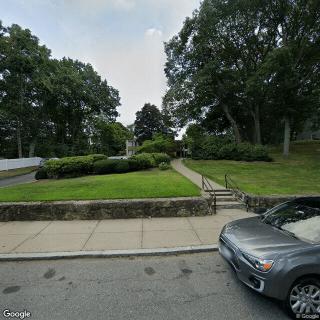
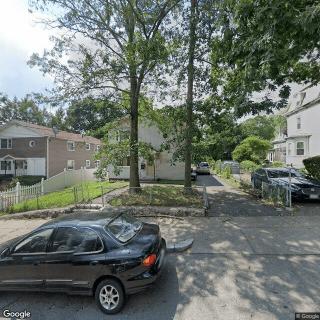
172 Fairmount Ave, Hyde Park, MA 02136
To contact a resident: (617) 361-5150
For more information about senior living options: (866) 208-4318
Overall Review of Fairmount Rest Home Inc
Pros
 reviews contain no positive statements; they express dissatisfaction.
 - third-person improvement statements inspired by the reviews:
- The staff is committed to improving responsiveness to residents’ needs and ensuring timely assistance.
- The housekeeping team is focusing on establishing a more consistent cleaning schedule to keep rooms and common areas clean.
- The facility is working on clearer communication with residents and families so concerns are understood and addressed promptly.
- Management is addressing staffing levels to reduce shortages and support caregivers.
- More engaging activities and outdoor access are being explored to enhance residents’ daily life.
- Hydration and comfort are prioritized to ensure residents receive help promptly.
Cons
 The facility is described as a dump, with housekeeping showing no regard for residents and rooms going two weeks without cleaning.
- The housekeeping manager is portrayed as uncaring toward residents, even when approached about issues, saying they are short staffed but not helping.
- A nurse on the second floor is labeled rotten to the core, with staff who ignore residents and speak in another language.
- It is claimed that mostly African employees stand around talking in their language and completely ignore residents, including not getting a drink when needed.
- The staff are criticized as rotten and the overall operation questioned for how the place remains open, with a vow not to refer anyone there.
- The second review describes the place as awful with no interaction with patients, residents sitting outside in winter smoking, no workshops, and a pitiful overall experience.
Review
Fairmount Rest Home Inc. in Hyde Park is best suited for families seeking a very frugal option where oversight and advocacy are expected to carry a heavy load. This community will likely appeal to residents who can tolerate sporadic engagement from staff, limited programming, and a daily reality where housekeeping and basic care may require persistent family intervention. In short, it is a choice for those who can afford to supervise care closely and are not counting on a consistently attentive team to drive daily life.
Explicitly, those who should consider alternatives include families needing reliable, respectful interactions, timely hydration, and clean, well-maintained living spaces without constant, hands-on advocacy. If high-touch assistance, regular resident activities, and proactive problem-solving from staff are non-negotiables, this facility warrants looking elsewhere. For residents with complex medical needs requiring steady supervision and immediate response, the risk of delays and disengagement is too great to rely on the status quo here. In short, this is a stopgap option at best for those who can monitor care daily.
The limited positives in the picture are overwhelmed by the cons. On the staffing side, residents appear to be serviced by a small team that can feel stretched thin, with frequent claims of short-staffing and uneven attention. The most troubling issues, however, relate to care quality and environment: rooms allegedly going long periods without cleaning, and staff interactions described as dismissive or inattentive. Reports of residents not being offered timely drinks or assistance, coupled with corridors and common areas where engagement with residents is minimal, suggest a culture where courtesy and responsiveness lag behind basic expectations. The difficulty of communication, whether due to language barriers or inconsistent proactive outreach, further undermines trust in daily care. These factors collectively render even modest staffing strengths effectively moot.
From a decision-making standpoint, the critical levers are cleanliness, attentiveness, and respectful interaction. Pros, if any, are overshadowed by the habit of ignoring resident cues and the absence of routine activities or meaningful engagement. The absence of workshops or structured programs lowers the bar for what is promised versus delivered, and the documented undercurrent of dissatisfaction signals that any small improvements would be temporary at best unless a robust corrective plan is put in place. Families weighing this option should assume that significant advocacy will be required to secure basic needs, hydration, timely assistance, and a clean living space, and plan accordingly for ongoing oversight.
Practical steps should guide families who still consider this community. Visit at multiple times of day to observe real-time care dynamics, not just scheduled tours. Request to review housekeeping schedules, nursing logs, and any recent incident reports; ask for a transparent plan showing how turnover and staffing gaps are being addressed. Speak directly with residents about daily routines, meal service, and hydration support. Bring a checklist of non-negotiables, room cleanliness, regular bathing assistance, timely responses, and insist on written commitments from the administrator. Finally, verify there is a credible escalation path and to know how quickly concerns are resolved; if the answers feel reactive rather than proactive, that signals a pattern unlikely to improve without substantial leadership change.
In sum, Fairmount Rest Home Inc. currently presents a high-risk option for anyone prioritizing reliable, compassionate, and well-maintained care. It is not a match for families needing consistency, dignity in daily interactions, and proactive problem-solving from staff. Alternatives should be pursued vigorously for anyone with moderate to high care needs or for households unwilling to issue daily oversight. If this community remains under consideration, approach it as a temporary, closely monitored arrangement with clear benchmarks and exit clauses, and bench the hope that routine quality and attentiveness will spontaneously improve without decisive leadership and staffing changes.
 Skilled Nursing Facility
 Gen Edw L Logan International (10 miles away)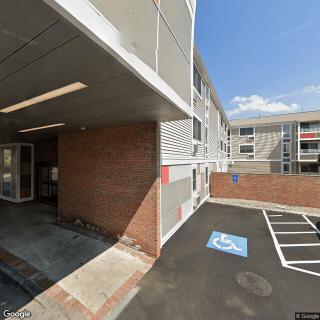





 A Closer Look at Private Pay Home Care
 Comprehensive Approaches for Arthritis: A Detailed Guide to Symptoms, Causes, and Care
 Comprehensive Insights and Practical Strategies to Help Older Adults Avoid Falls