
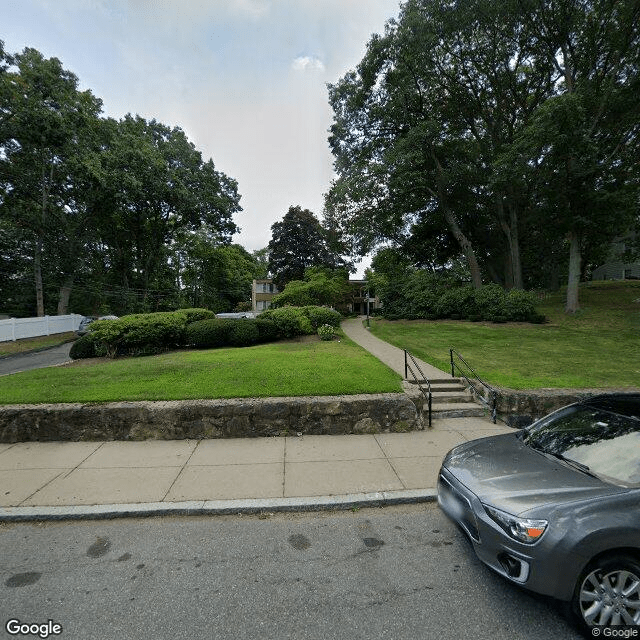
113 Central Aveune, Hyde Park, MA 02136
For more information about senior living options: (866) 208-4318
Overall Review of Park Place Rehabilitation & Skilled Care Center
Pros
 The Miller-Moody family appreciates the work of all staff at Park Place.
- The staff have been extremely attentive, always available to take calls and to accommodate the family’s virtual visits each Monday.
- The staff consistently monitor and attend to their brother’s needs since he moved into Park Place.
- The Miller-Moody family is grateful for the care shown to their brother and indebted to the staff at Park Place.
Cons
 They are 100% unhappy with the facility.
- The facility has spiders and a horrible smell.
- It does not seem to meet state cleanliness standards.
- The food is horrible.
- The facility is understaffed and staff are overwhelmed.
- The air conditioning is not good.
- The bathroom in the hallway smells really bad.
- Patients who can’t go outside alone are kept indoors.
- The facility is a bad place.
Review
Park Place Rehabilitation & Skilled Care Center in Hyde Park is best suited for families seeking steady, hands-on daily care for a resident who is non-mobile or non-verbal and who benefits from reliable staff accessibility and clear family communication. The strongest fit is for long-term care where a devoted team is expected to monitor needs closely and keep family members promptly informed. One clear thread in the experiences shared is that, when a loved one cannot advocate for themselves, Park Place can deliver attentive oversight and consistent contact with relatives, which reduces the anxiety of ongoing care. For a caregiver prioritizing regular updates, transparent availability, and a steady caregiving presence, this community presents a compelling option to consider seriously.
At the same time, alternatives should be on the radar for families highly sensitive to environmental quality and daily living conditions. Several reviewers flag serious cleanliness issues, persistent odors, and the presence of spiders, alongside concerns about air conditioning and hallway bathrooms. Food quality is also described as poor, with meals cited as basic or unappetizing, and staffing appears inconsistent at times, contributing to overwhelmed caregivers. If a spotless environment, fresh dining experiences, and a consistently comfortable climate are non-negotiables, Park Place may not meet the standard expected, and other facilities with stronger housekeeping, kitchen programs, and climate control should be explored.
The practical value of Park Place’s strengths centers on staff attentiveness and communication. In cases where a resident requires constant oversight or cannot express needs, caregivers who are accessible by phone and able to accommodate family involvement can meaningfully reduce gaps in care. A resident’s progress in rehabilitation can also shimmer through when the care team remains engaged, with personal progress stories indicating that care plans can adapt in meaningful ways. These positives matter most for families who insist on a high-touch approach and who are willing to work with staff to tailor routines and schedules. When paired with reliable family updates, these advantages can offset some uncertainties in daily routine.
Yet the downsides are sizeable and not easily dismissed. The most frequent red flags center on cleanliness and odor, claims that the facility sometimes smells unpleasant and that cleanliness standards fall short of expectations. The reported presence of pests, limited air conditioning, and odors around bathrooms in hallways compound concerns about daily living conditions. Under-staffing, or at least perceived staffing strain, contributes to the impression that even well-meaning employees are stretched thin, which can degrade both responsiveness and the consistency of care. These factors collectively counterbalance the positive notes about staff devotion and family access.
For families weighing a decision, a practical plan is essential. If Park Place is under consideration, arrange a thorough on-site evaluation focused on housekeeping routines, kitchen cleanliness, and odor control. Request to see current pest control and cleaning logs, inspect how meals are prepared and served, and sample a recent menu to judge nutritional quality. Inquire about staffing schedules, turnover, and direct access to the director of nursing or administrator to voice concerns and track improvements. Meet with current residents or their families to gauge day-to-day reality beyond positive anecdotes. A trial period, if offered, could help reveal how the environment actually feels over time.
The verdict is nuanced. Park Place offers a clear strength in caregiver accessibility and proactive family engagement, which makes it a defensible choice for residents who require vigilant daily oversight and for families who value continuous communication. However, the persistent concerns about cleanliness, odors, and food quality cannot be ignored and may be decisive for many. If these environmental factors are deal-breakers, it is prudent to broaden the search to other facilities with stronger housekeeping scores, better dining programs, and more reliable climate control. For families willing to tolerate imperfect surroundings in exchange for devoted caregiving and consistent updates, Park Place remains a legitimate option worth visiting with a critical, questions-first mindset.
 53 resident community capacity
 Skilled Nursing Facility
 Air-conditioning
 Beauty salon
 Cable or satellite TV
 Computer center
 Dining room
 Fitness room
 Fully furnished
 Gaming room
 Garden
 Housekeeping services
 Kitchenette
 Move-in coordination
 Outdoor space
 Private bathrooms
 Restaurant-style dining
 Small library
 Telephone
 Wellness center
 Wi-Fi/high-speed internet available
 Gen Edw L Logan International (9 miles away)
 Community operated transportation
 12-16 hour nursing
 24-hour call system
 Activities of daily living assistance
 Assistance with bathing
 Assistance with dressing
 Assistance with transfers
 Diabetes diet
 Medication management
 Mental wellness program
 Special dietary restrictions
 Concierge services
 Planned day trips





 A Detailed Examination of Nursing Home Costs Across the U.S.
 Exploring Nonmedical Home Care: Understanding Services, Costs, and Financial Approaches
 Engaging Brain Games and Innovative Apps to Keep Senior Minds Active