

2049 Dorchester Avenue, Boston, MA 02124
For more information about senior living options: (866) 208-4318
Overall Review of Boston Home
Pros
 The food is restaurant quality.
- The staff are cordial and friendly.
- Boston Home is the best.
- The staff are great and the place is neat and smells good; the patients are well taken care of.
- The nurses are very nice, caring, and helpful.
- The staff were excellent at the wheelchair fitting.
- Faith is extremely knowledgeable about what individuals need for equipment.
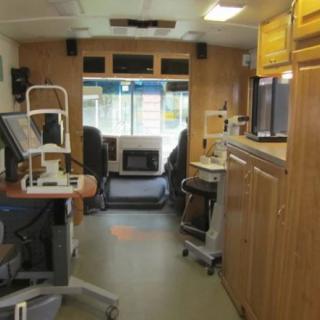
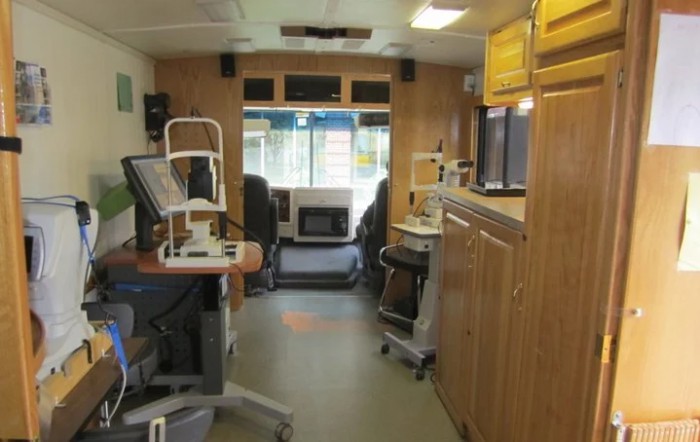
- The wheelchair enhancement center is the best the reviewer has seen.
Cons
 The property is disgusting; trash and leaves are never cleaned and end up on neighboring properties.
- Their property is covered in trash and leaves that blow onto other properties, with no cleaning effort observed.
- The facility is uncaring and short-staffed, with language barriers, leading to neglect and a loved one's death; the family is treated with no respect and hygiene is neglected.
- The staff force medications on patients, fail to provide a doctor when requested, and do not allow calls.
- A mouse visits the reviewer nightly, indicating serious cleanliness and pest issues.
- The reviewer warns others not to send anybody there, and describes the place as depressing.
Review
Boston Home is best suited for seniors who require skilled nursing care with a clear focus on MS-related needs, and for families that prize a lively activity calendar and responsive staff in the moment. The community shows promise through its dedicated nursing team, accessible wheelchair services, and opportunities for social engagement via arts, trips, and health-oriented programs. In practice, reviewers note that compassionate care can be delivered when operations are adequately resourced and properly coordinated. For families prioritizing specialty care and ongoing programming, Boston Home can be a credible option, provided the environment is consistently well managed and backed by sufficient staffing.
That said, the strongest caveat rests on inconsistent operations that color every other observation. Positive notes about courteous staff, neat premises, and engaging caregivers exist alongside repeated alarms about cleanliness and housekeeping: trash and leaves reportedly accumulate, sometimes crossing property lines. When care lapses occur or when families feel compelled to push for medical attention that should be routine, the benefits of a warm staff culture can be overshadowed by safety concerns. The MS-focused designation is valuable, but it cannot compensate for fundamental reliability in daily care and attention.
Allegations raised by reviewers include understaffing and language barriers that impede clear communication with families, and serious episodes of neglect. Accounts describe acts such as forced administration of medications and insufficient attention to evolving symptoms, with a patient reportedly dying from septic shock after concerns were repeatedly raised. Hygiene failures, teeth lost, dirty conditions, further shake confidence in the facility’s ability to maintain basic dignity and health. The sentiment from some families is not mere frustration but a perception of disrespect toward relatives seeking help. These are not peripheral complaints; they strike at core operational priorities, including clinical supervision and timely medical response.
Do the positives offset the negatives? In certain scenarios they might for families who enter with a robust support network, expecting frequent social programming and a responsive staff for MS-related needs. The wheelchair center and nursing expertise can meaningfully improve daily quality of life and independence for many residents. Yet the gravity of the criticisms, especially claims of neglect and life-threatening delays in care, tends to eclipse those benefits. A facility’s true quality is measured by reliability under pressure, not by pleasant interactions during calm moments. Until recurring safety and cleanliness concerns are demonstrably resolved, the upside remains conditional rather than decisive.
Alternatives become worth considering for families with heightened safety expectations or very particular cleanliness standards. If clear, consistent medical oversight, transparent communication, and a proven track record of promptly addressing symptoms are non-negotiables, other communities with stronger state inspection results or more uniform staffing may be preferable. Those who require multilingual communication and fewer language barriers will want to scrutinize how well staff can coordinate with families who speak different languages. In short, Boston Home may fit if risk tolerances align with the level of variability reported; it is not the default choice for most.
For families touring options, approach Boston Home with a rigorous checklist: request a current staffing roster and recent turnover rates; seek a candid tour with direct access to the charge nurse and a resident advocate; review recent survey outcomes and complaint logs; ask about incident management and how quickly symptoms are escalated to a physician; verify the availability of language support and how family calls are handled; and talk to current residents or family members about daily routines and responsiveness. If the facility can publicly demonstrate sustained improvements in cleanliness, safety protocols, and respectful family engagement, it becomes a far more compelling choice. Until then, proceed with caution and compare alternatives closely.
 96 resident community capacity
 Skilled Nursing Facility
 Air-conditioning
 Beauty salon
 Cable or satellite TV
 Computer center
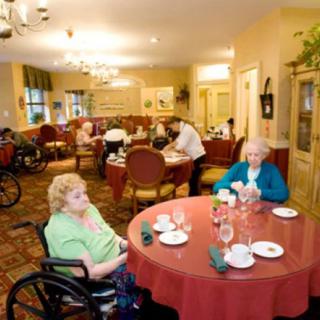
 Dining room
 Fitness room
 Fully furnished
 Gaming room
 Garden
 Housekeeping services
 Kitchenette
 Move-in coordination
 Outdoor space
 Private bathrooms
 Restaurant-style dining
 Small library
 Telephone
 Wellness center
 Wi-Fi/high-speed internet available
 Gen Edw L Logan International (7 miles away)
 Community operated transportation
 12-16 hour nursing
 24-hour call system
 Activities of daily living assistance
 Assistance with bathing
 Assistance with dressing
 Assistance with transfers
 Diabetes diet
 Medication management
 Mental wellness program
 Special dietary restrictions
 Concierge services
 Planned day trips





 Exploring the World of Home Health Nurses: Qualifications, Roles, and Hiring Tips
 Navigating Medicare Coverage for In-Home Care Services
 In-Home Care Costs in 2025: A Detailed State-by-State Exploration