Standish Village Costs & Pricing
Standish Village offers competitive pricing for various room types compared to both Suffolk County and the broader Massachusetts market. For instance, the cost of a semi-private room at Standish Village is $3,975, which is significantly lower than the county average of $5,616 and the state average of $5,805. Similarly, their studio apartments are priced at $5,050, remaining below the county's $5,278 and close to the state's figure of $5,312. In contrast to other living options in the area, one-bedroom units at Standish Village are available for $6,000 - a slight premium over Suffolk County's average of $5,439 but still more affordable than Massachusetts' statewide average of $5,349. The price gap widens with two-bedroom units; at Standish Village they cost $8,650 compared to $7,110 in Suffolk County and a notably lower statewide average of $6,151. This pricing structure highlights Standish Village as a viable option for those seeking quality senior living without overspending relative to local trends.
| Floor plans | Standish Village | Suffolk County | Massachusetts |
|---|
| Semi-Private | $3,975 | $5,616 | $5,805 |
| Studio | $5,050 | $5,278 | $5,312 |
| 1 Bedroom | $6,000 | $5,439 | $5,349 |
| 2 Bedrooms | $8,650 | $7,110 | $6,151 |
Skilled Nursing Facilities with a similar price nearby
-
from +$525 / mo
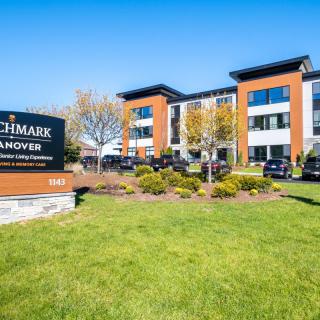
Benchmark at Hanover
$4,500 to $7,500 / month
14.9 miles away
-
from +$360 / mo
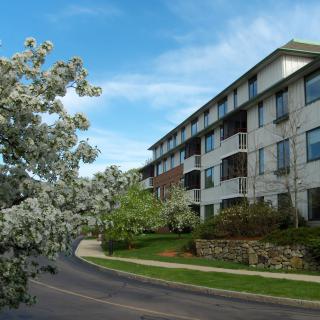
Orchard Cove Hebrew SeniorLife, a CCRC
$4,335 to $8,400 / month
7.2 miles away
-
from -$175 / mo
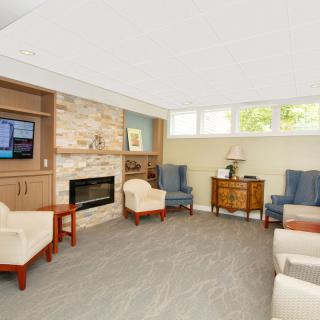
Mary Ann Morse at Heritage
$3,800 to $6,400 / month
19.2 miles away
-
from +$620 / mo

Atria Marina Place
$4,595 to $7,695 / month
2.4 miles away
-
from -$225 / mo
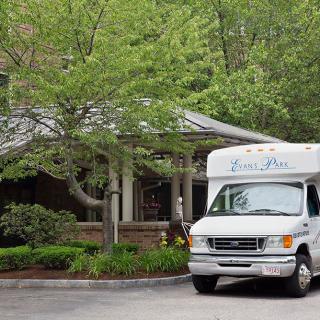
Evans Park At Newton Corner
$3,750 to $7,700 / month
8.4 miles away
Overall Review of Standish Village
common
30 reviews mention this
Caring, responsive staff stands out
Residents and families frequently describe the staff as genuinely caring and responsive.
Across many reviews, families highlight kindness, patience, and frequent communication, including staff reassuring them during moves, medical trips, or day-to-day concerns. Multiple reviewers also say staff treat residents with respect and make them feel welcome like a home. There are also a few negative mentions about administration and bedside manner, but even those contrast with the caregiving staff being professional and attentive.
common
20 reviews mention this
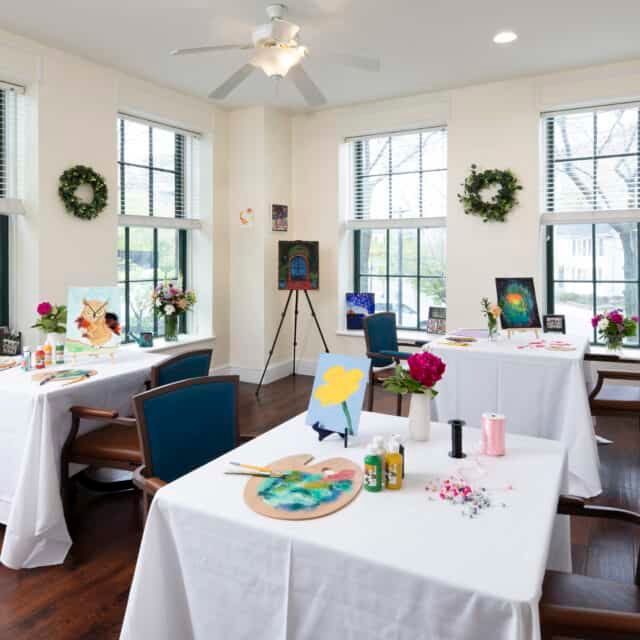
Activities keep residents engaged
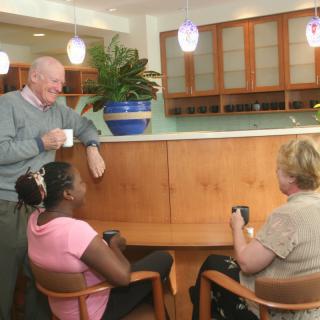
Residents often cite activities and social events as a major part of daily life.
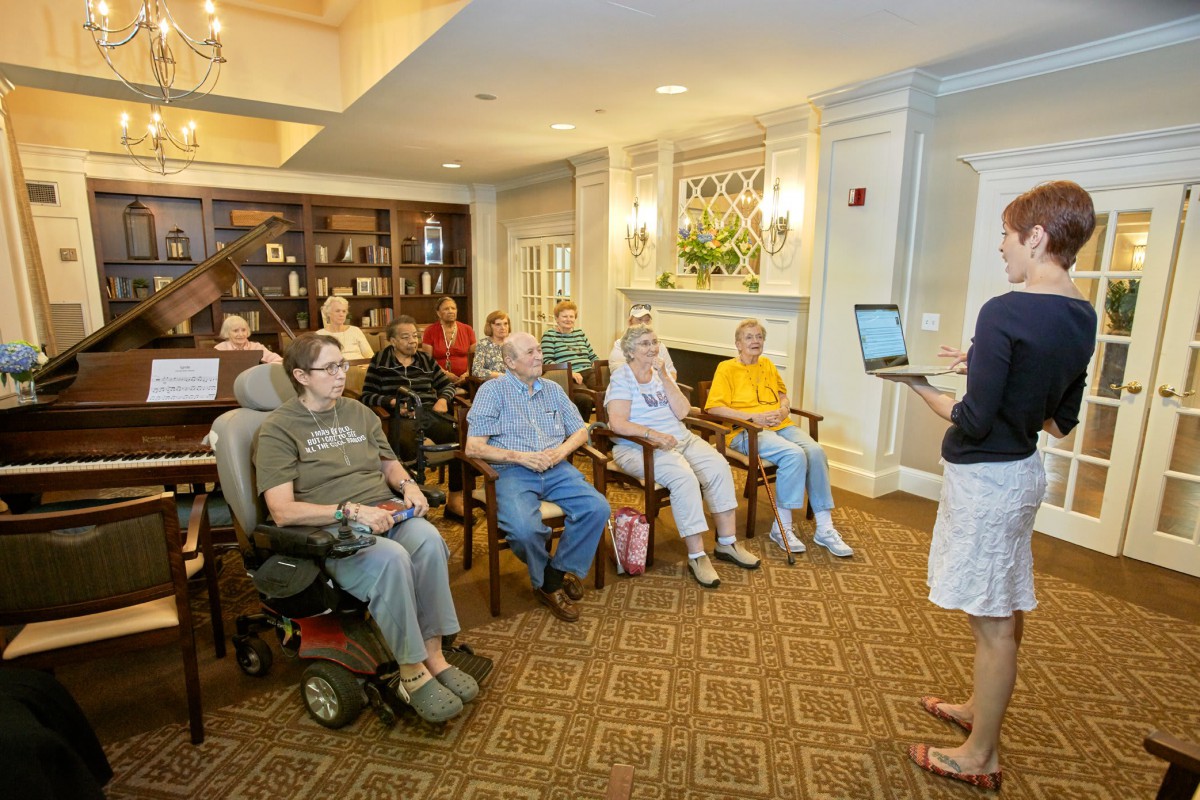
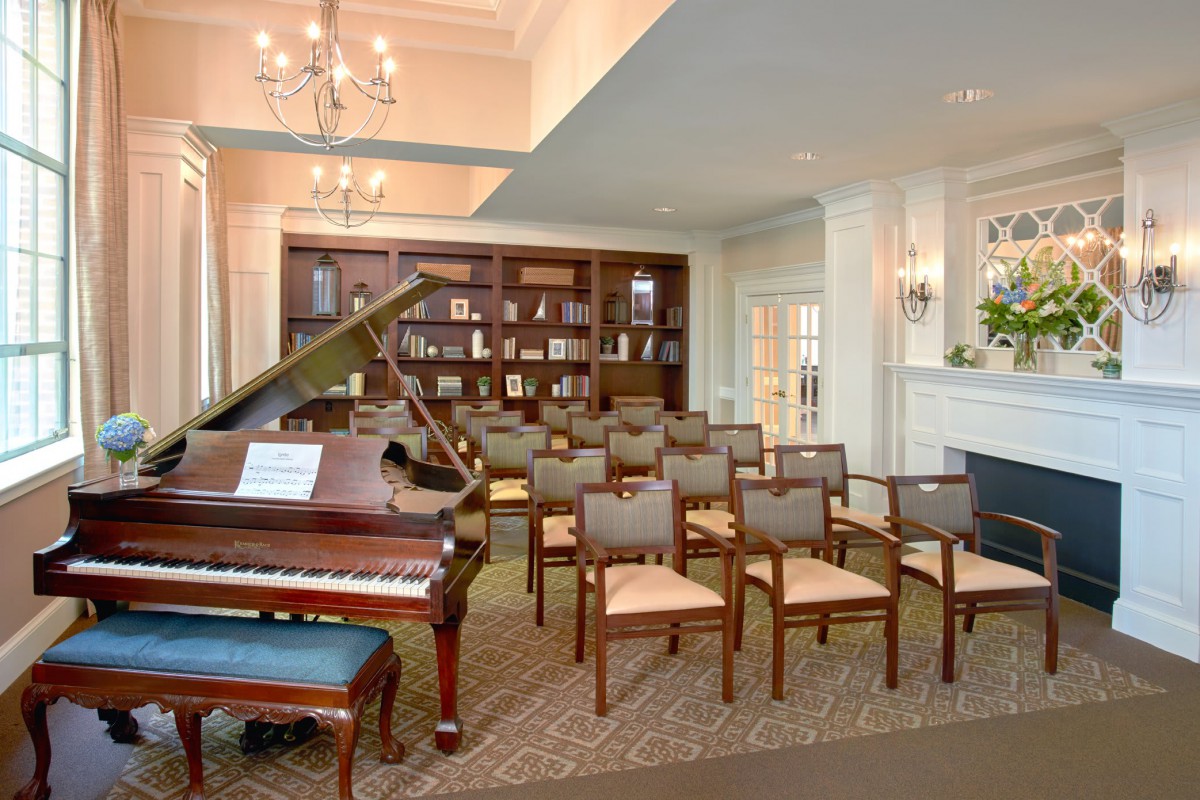
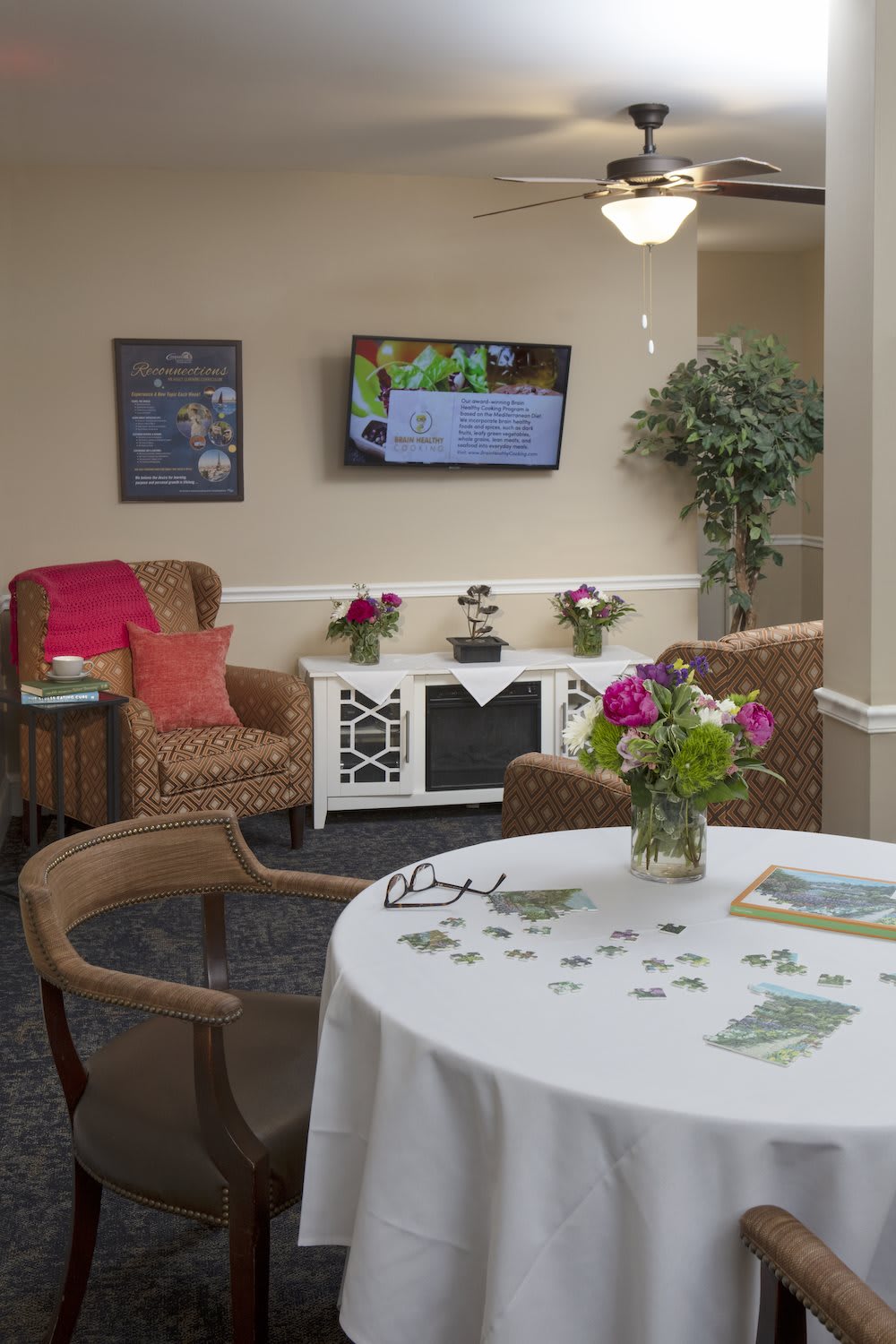
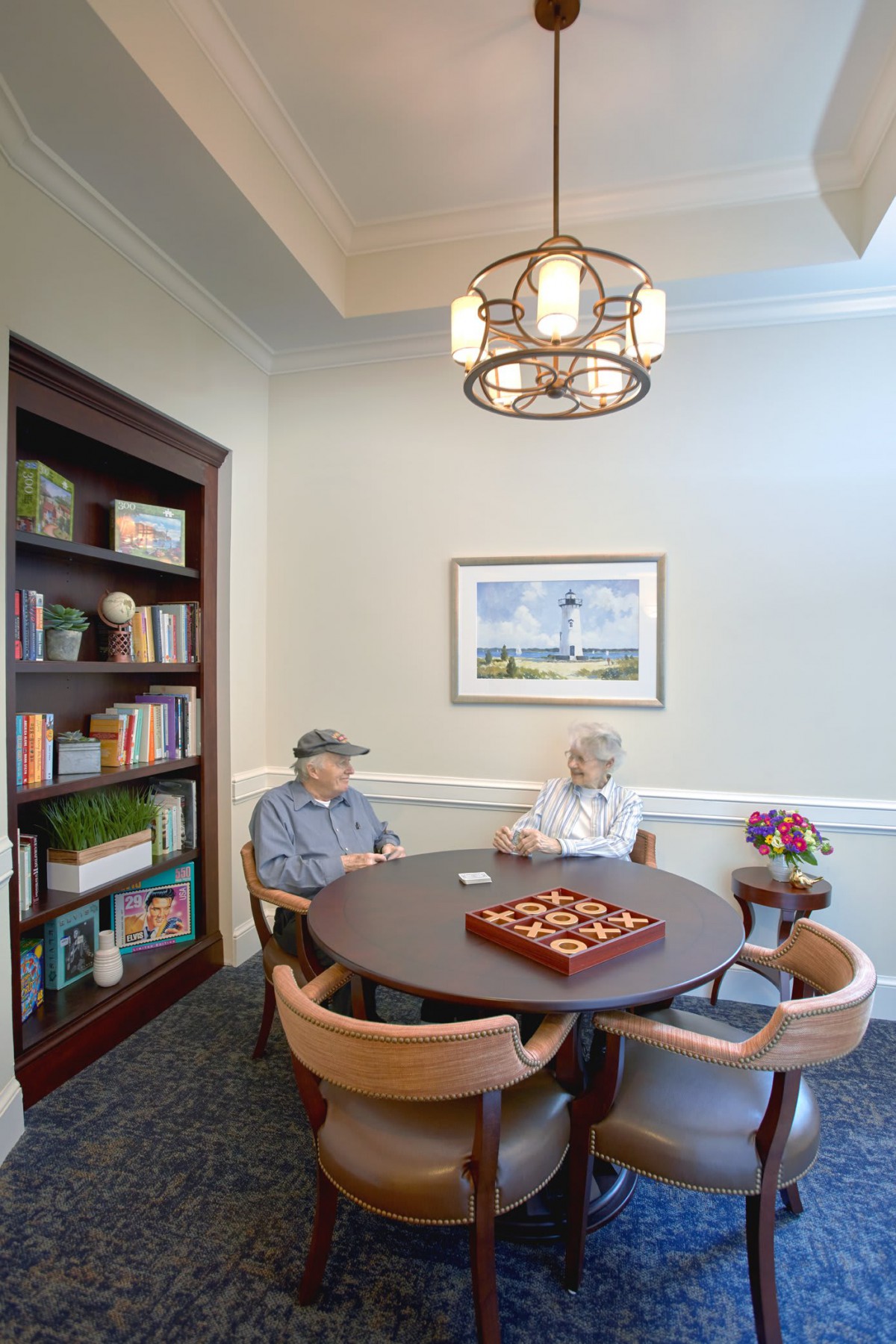
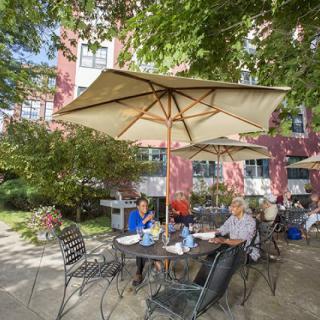
Many reviews describe busy schedules with programs like movies, bingo, live performances, happy hour, and themed events. Several families say their loved ones made friends quickly and stayed socially connected through regular outings and on-site events. A smaller number of comments suggest the activity experience could be more intellectually stimulating for some people, or that not every stated plan always held up.
common
16 reviews mention this
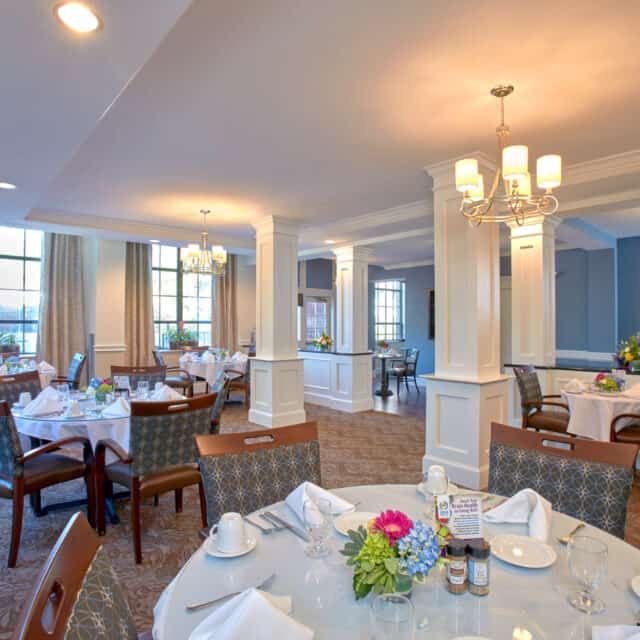
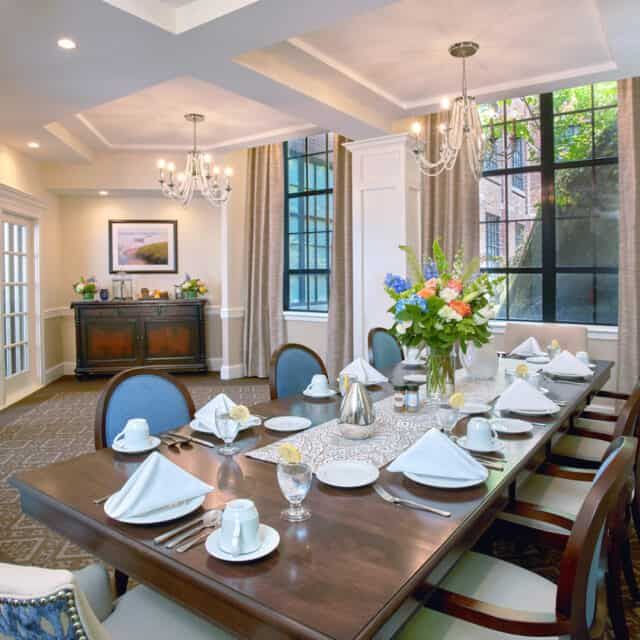
Meals are well-regarded, with gaps
Food quality gets frequent praise, with some requests for more accommodating options.
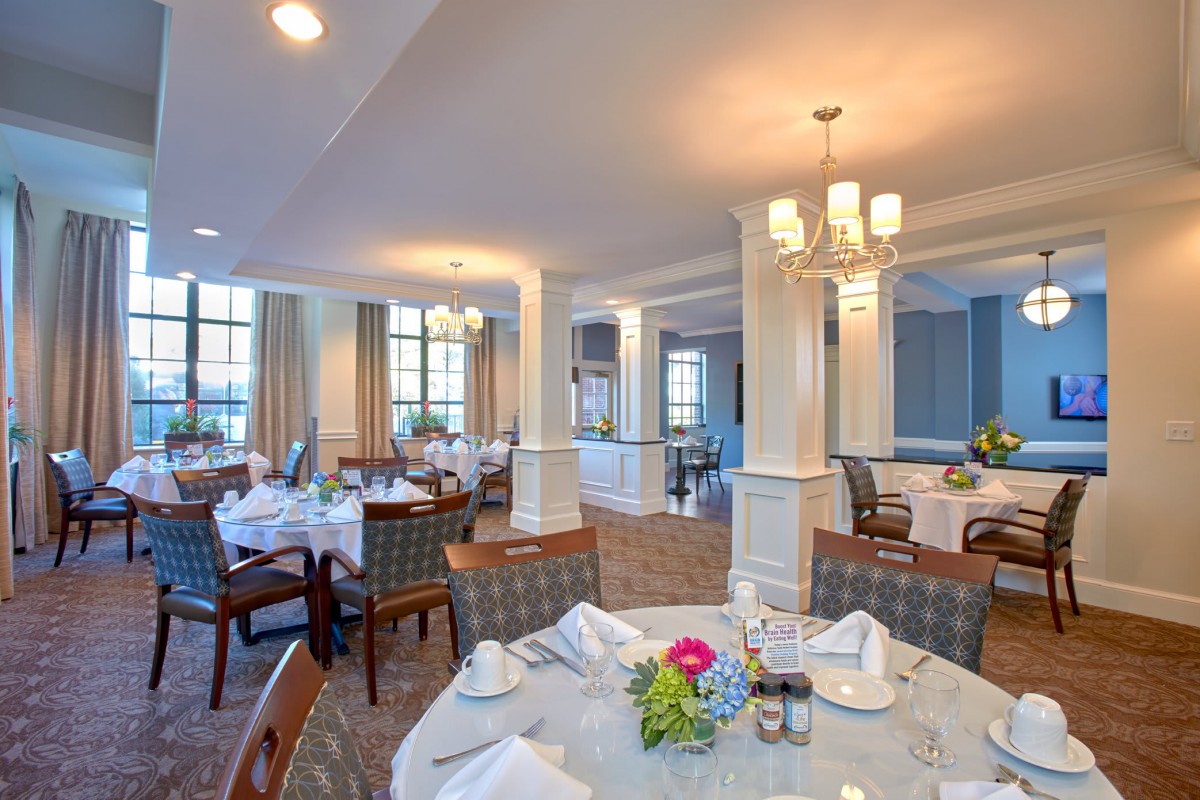
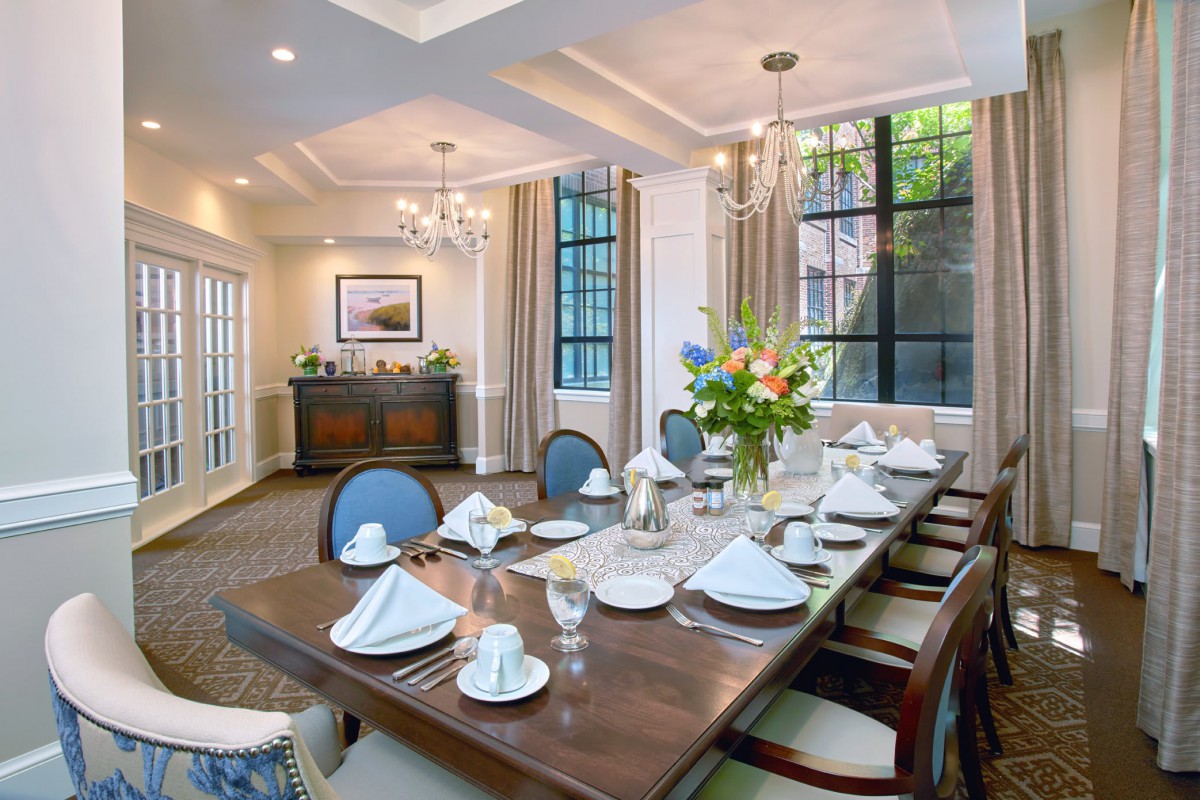
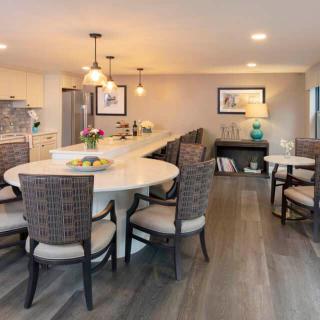
Reviewers commonly mention that meals are good to excellent, with attention to preferences and allergy needs. Several also reference restaurant-style dining and variety on menus. At the same time, a couple of comments ask for specific options, including lactose options, and one review notes meals were good but nothing else stood out.
differentiator
10 reviews mention this
Care levels help with transitions
The community’s care options support moves across assisted living, memory care, and skilled needs.
Some reviews describe starting in one level of care and transitioning to another, including moves from assisted living into memory support during declining needs. Families also mention respite stays and short-term recovery periods where the facility supported day-to-day care and communication. Reviewers describe dedicated attention in memory-focused settings, and one negative review focuses more on care-related service fit rather than the availability of these different care options.
common
16 reviews mention this
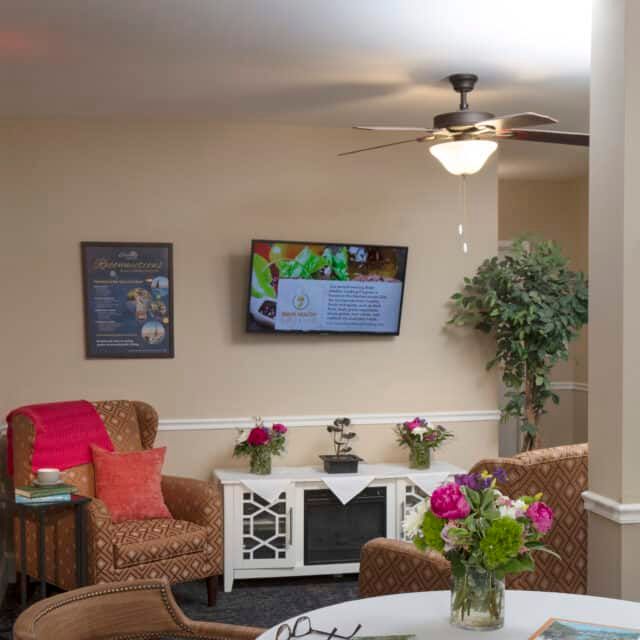
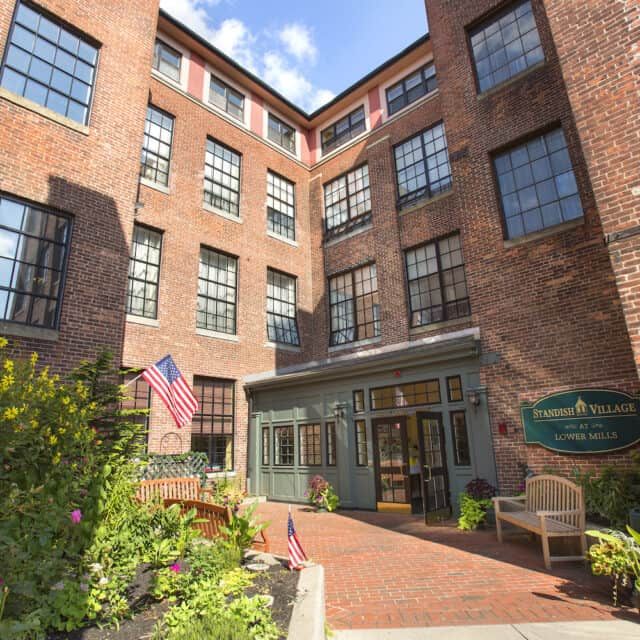
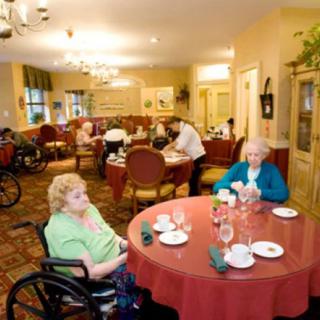
Clean spaces and comfortable apartments
Reviews frequently point to cleanliness, well-kept common areas, and spacious apartments.
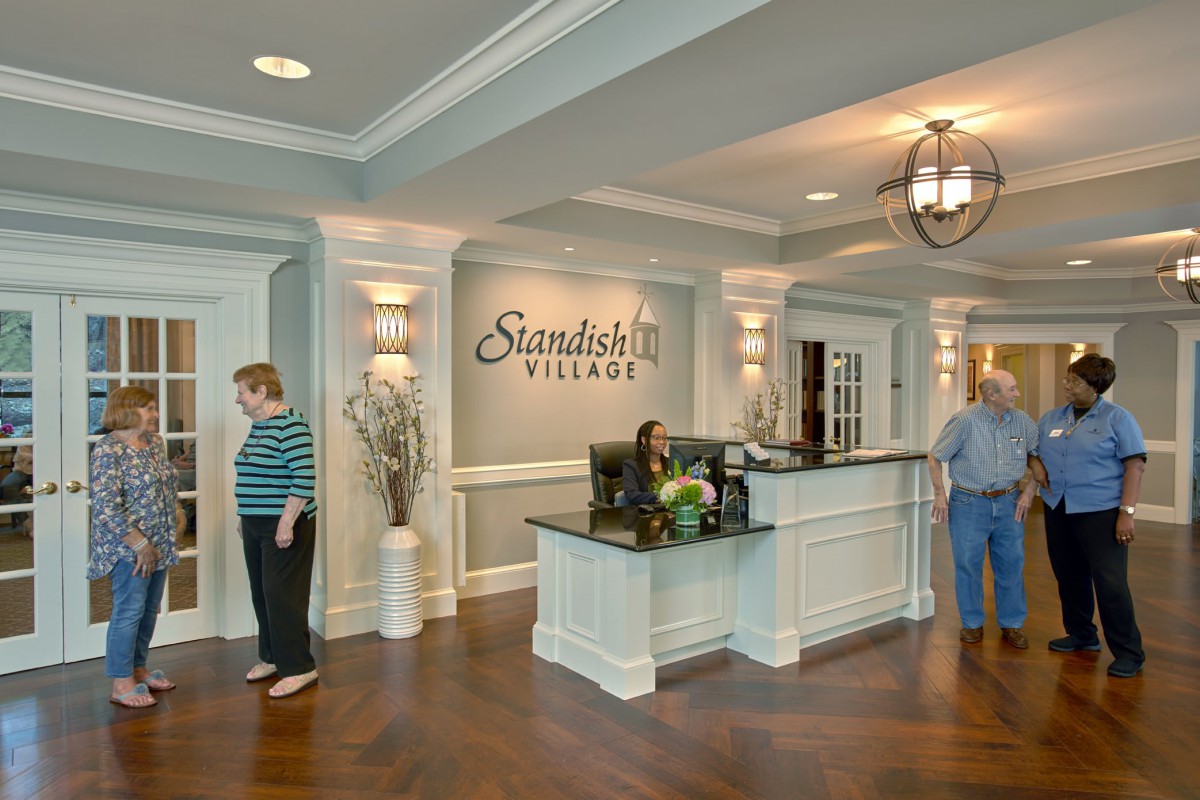
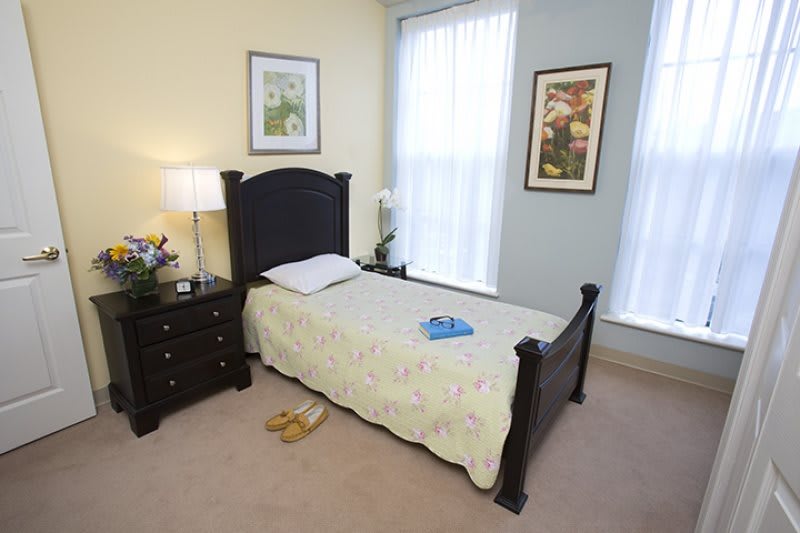
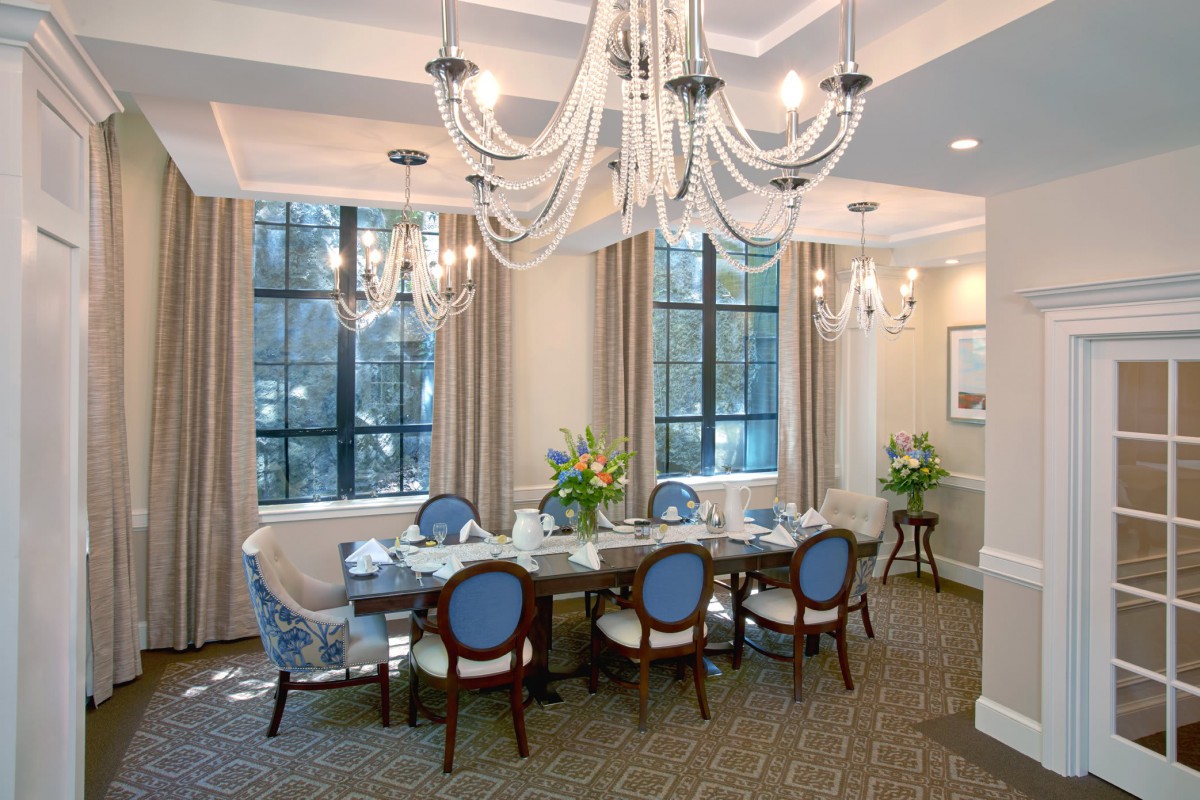
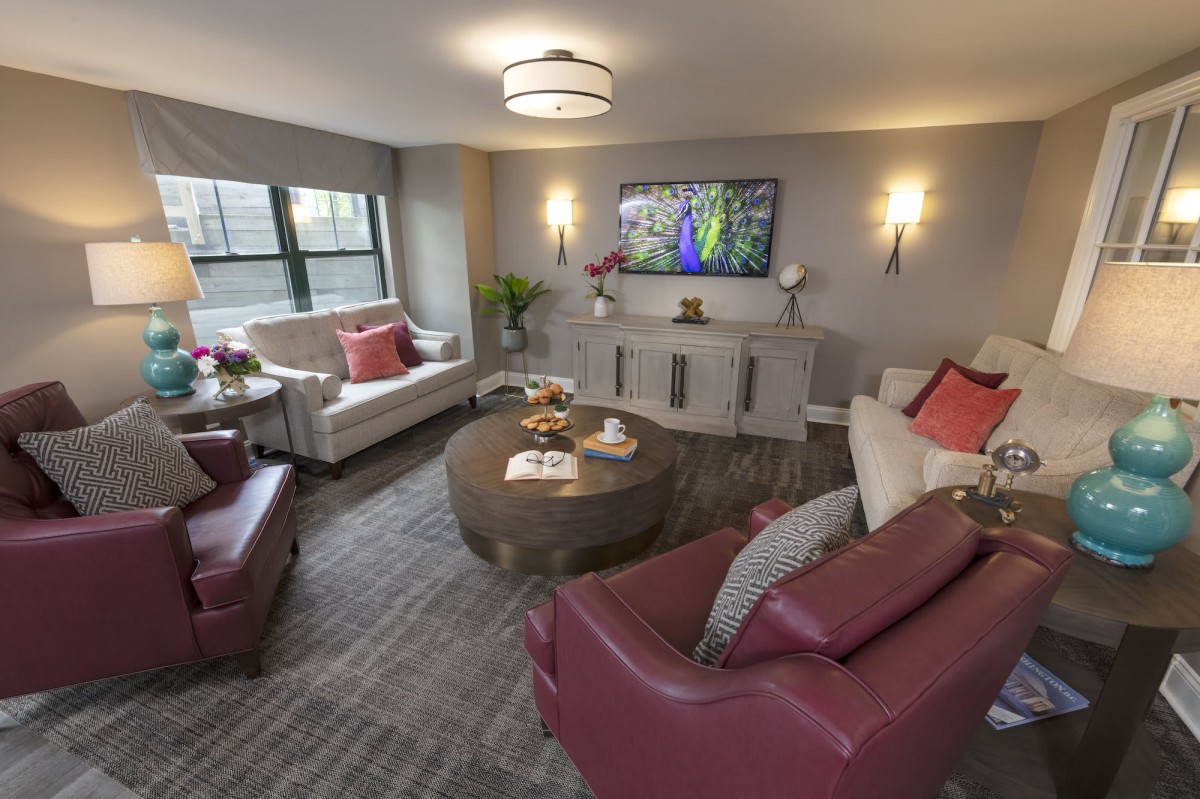
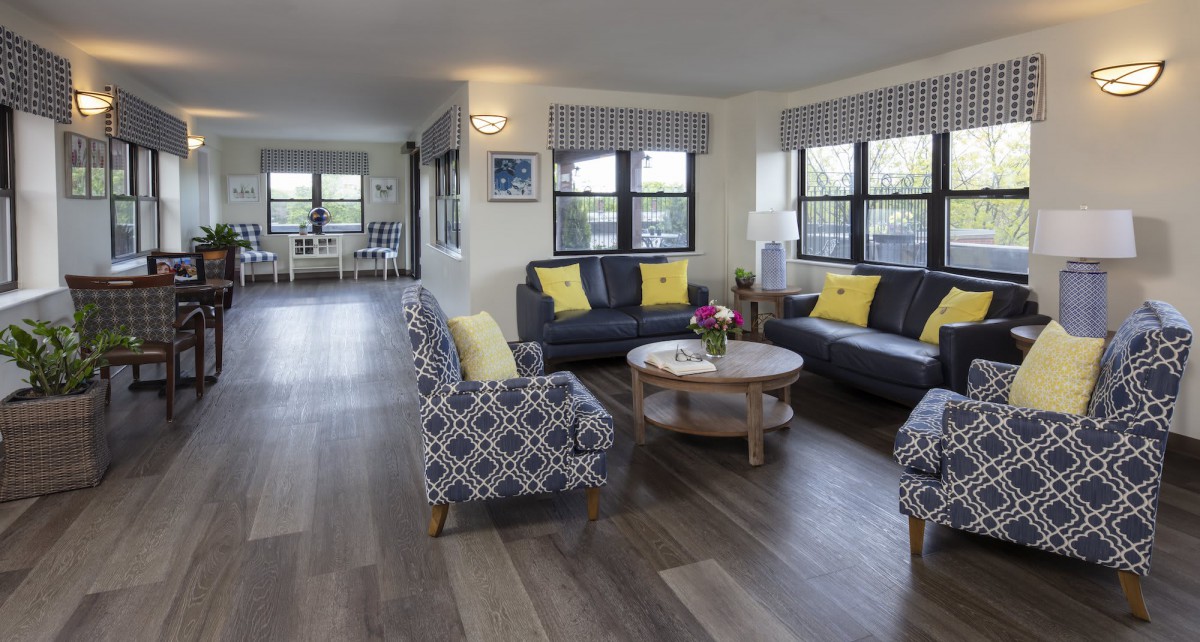
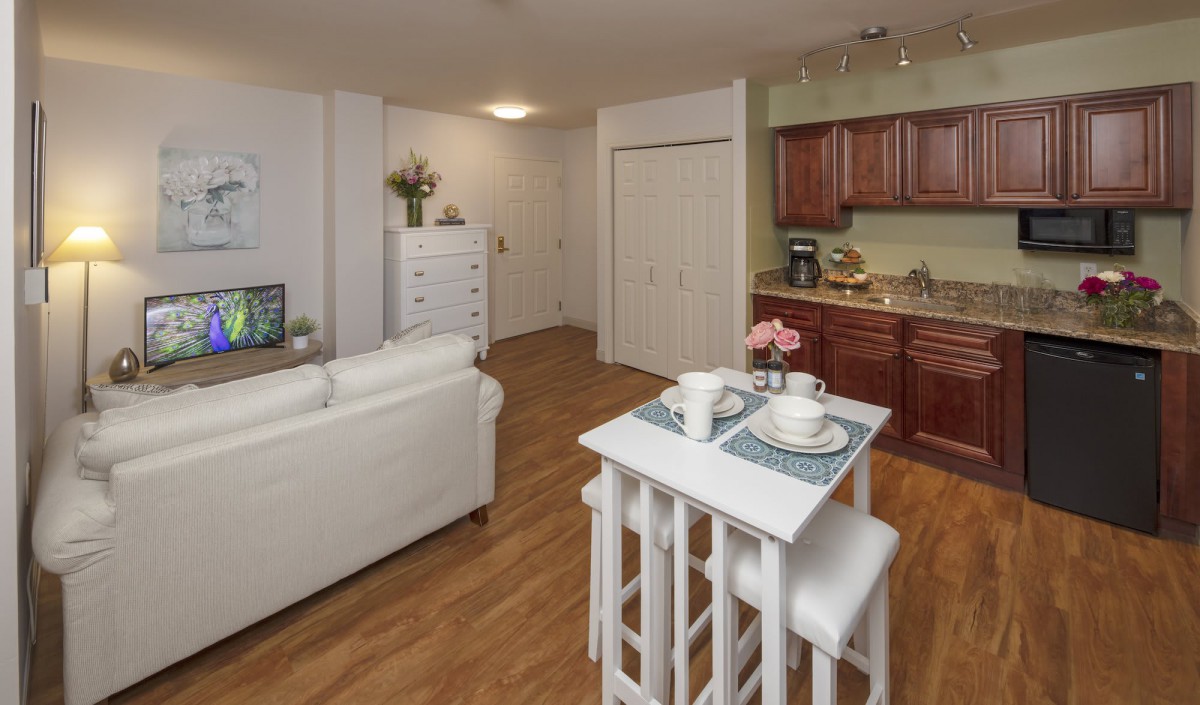
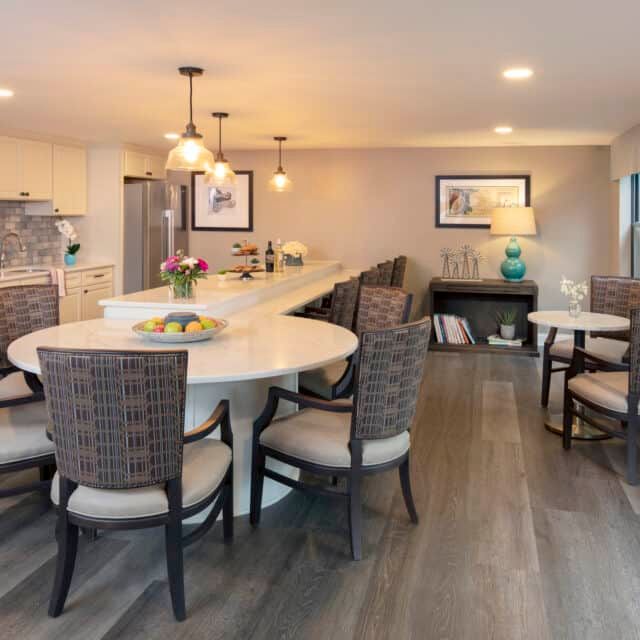
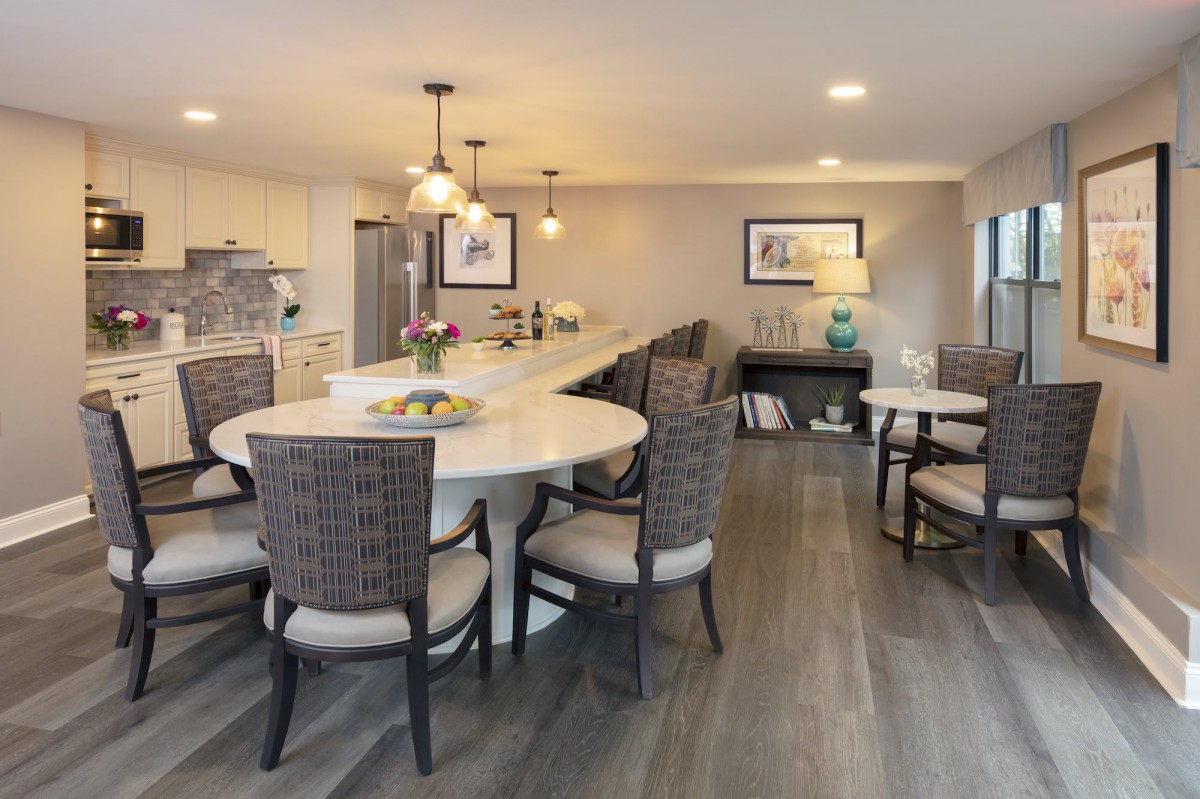
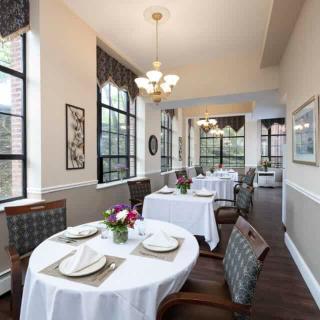
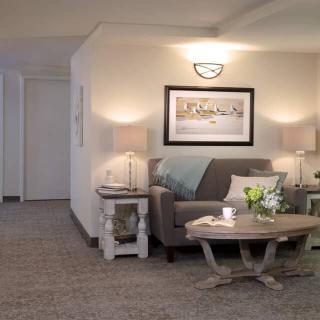
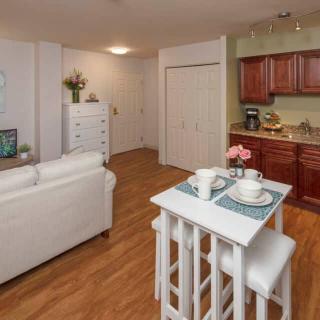
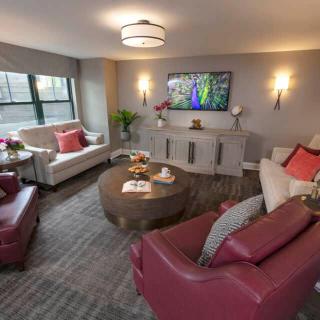
Many families say the building and common areas are clean, well-maintained, and easy to access, with maintenance support when issues come up. Several reviewers also mention apartments feeling bright and comfortable, including large windows and a recently renovated feel. A few comments note sizing differences, like smaller rooms in memory care, or that parts of the community feel smaller than some alternatives.
caveat
6 reviews mention this
Cost is a recurring concern
Price comes up repeatedly as a reason some families hesitate or switch communities.
Several reviews directly mention that Standish Village felt out of budget, leading to choosing another community or rating it lower than expected. One review also says the overall cost was higher than a competing option. While some families still moved in and emphasized fit, the expense concern shows up often enough to stand out.
common
5 reviews mention this
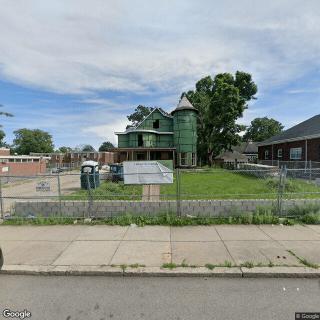
Lower Mills location feels convenient
Families mention the Lower Mills area and nearby conveniences as a plus.
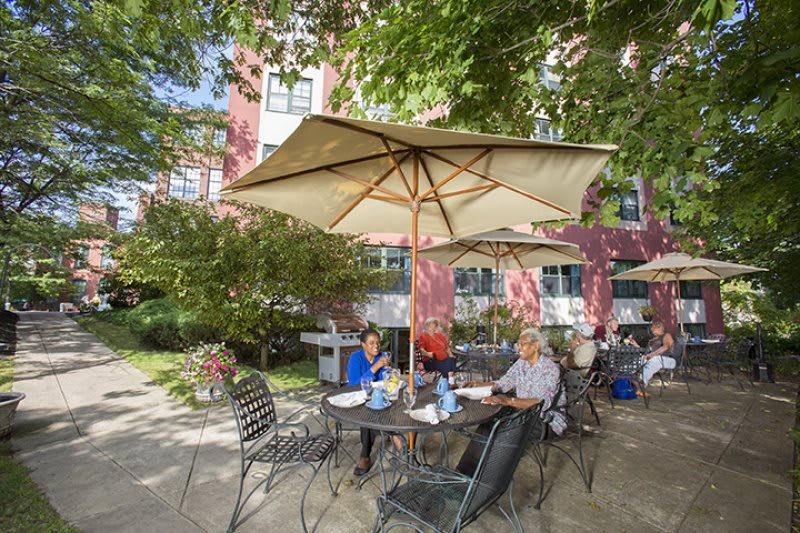
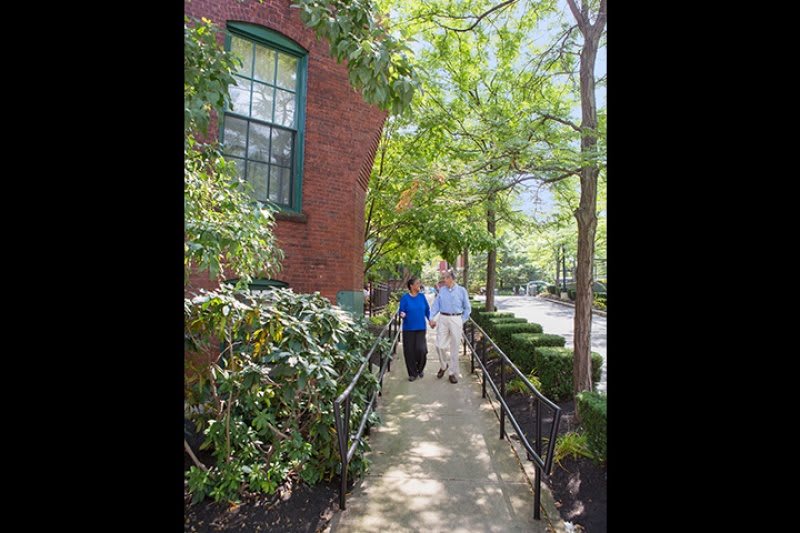
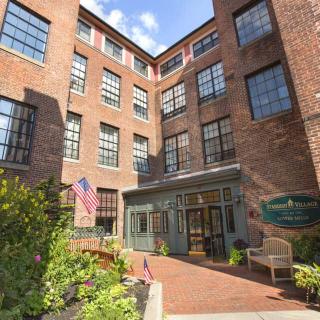
Some reviewers point to the location as convenient to shops, restaurants, and outdoor walking options. Others mention being close to loved ones or local needs, like easy access for family visits. A few also tie the area to practical details like transportation and parking convenience.
How we summarize
Counts show how many written reviews mention each theme; a review can touch several themes, and only frequently mentioned themes are displayed.





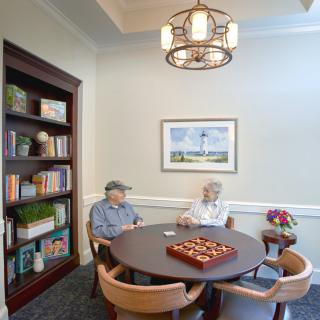
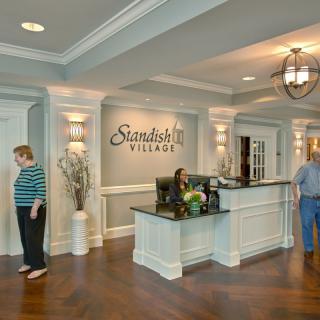
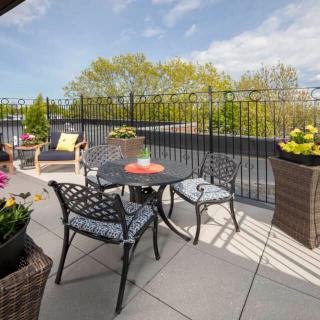
 85 resident community capacity
 1-bedroom apartments
 Assisted Living
 Memory Care
 Skilled Nursing Facility
 Cats allowed
 Dogs allowed
 Activities off-site
 Air-conditioning
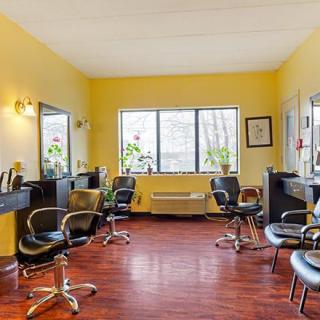
 Beautician on-site
 Cable or satellite TV
 Computer center
 Devotional services off-site
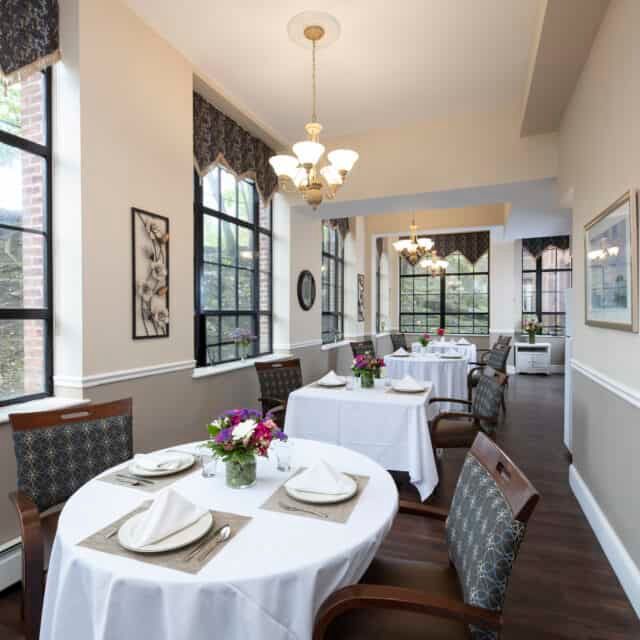
 Dining room
 Financing advice
 Fitness room
 Fully furnished
 Gaming room
 Garden
 Ground floor units
 Guest parking
 Housekeeping services
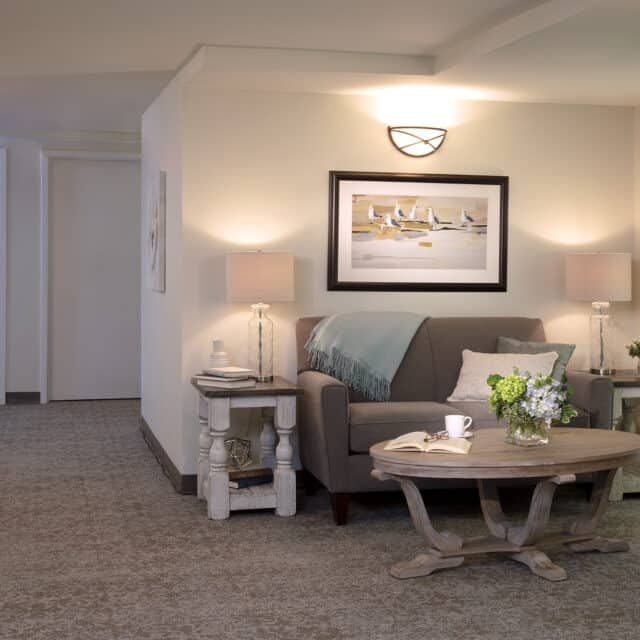
 Indoor common areas
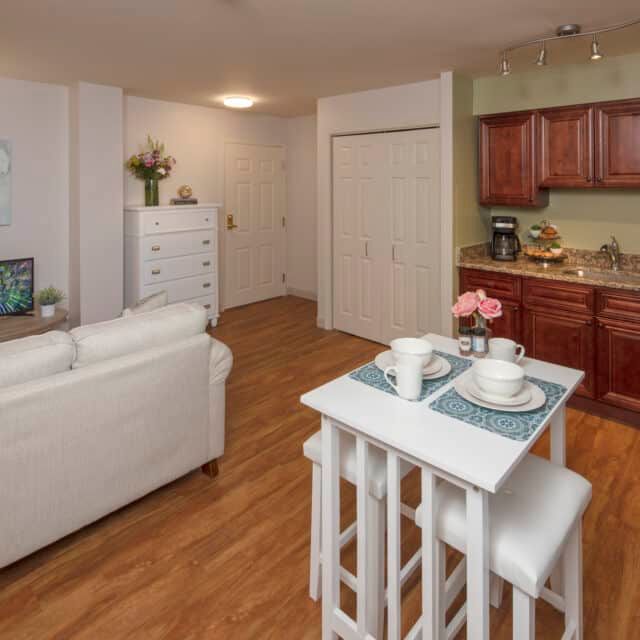
 Kitchenette
 Laundry
 Located close to shopping centers
 Meal preparation and service
 Move-in coordination
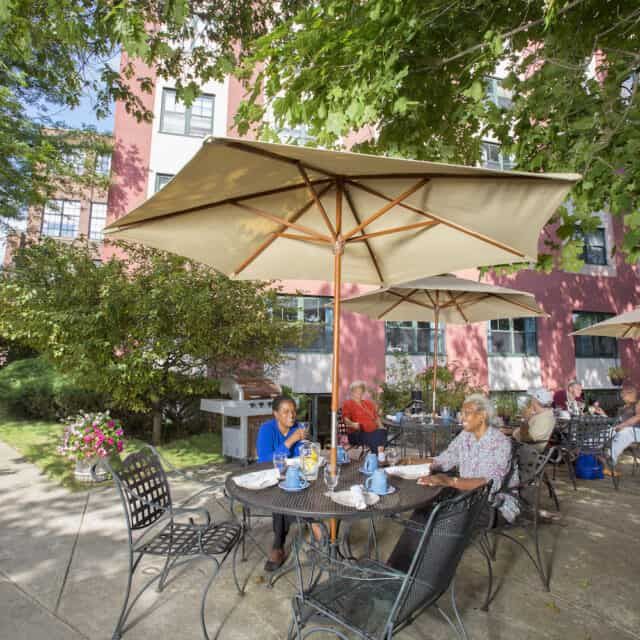
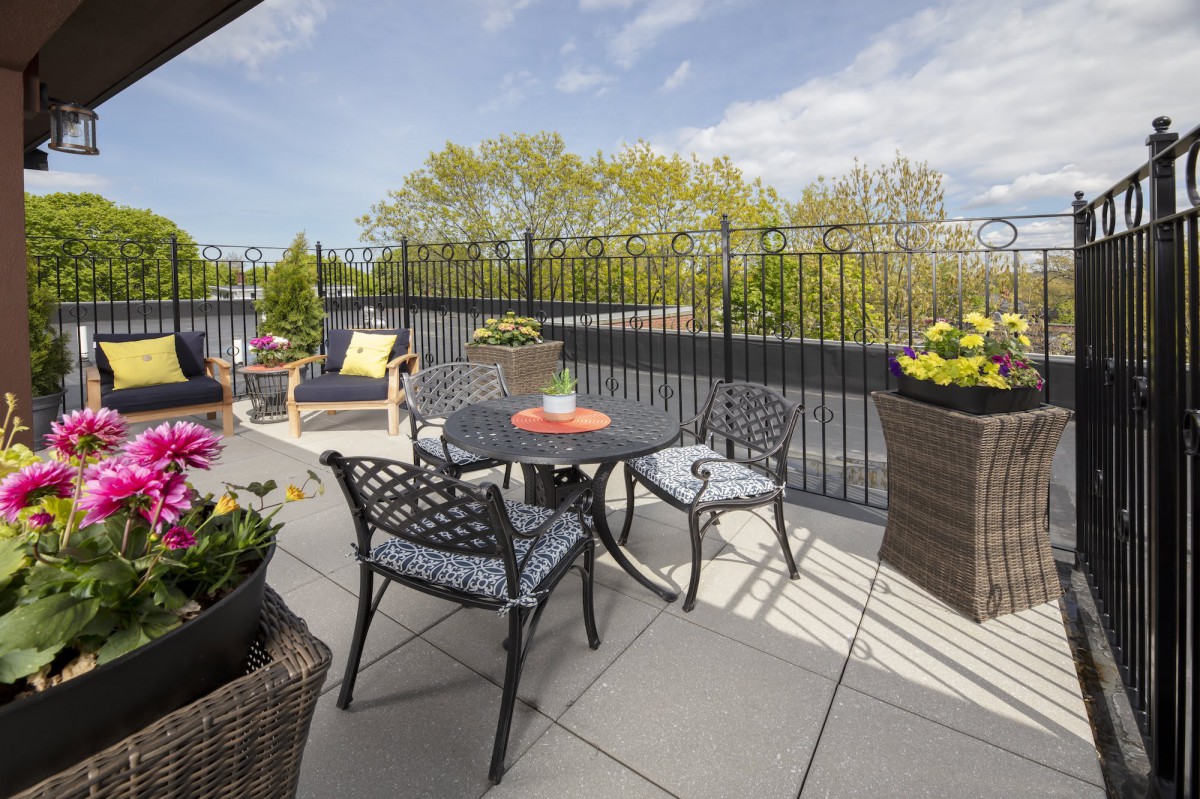
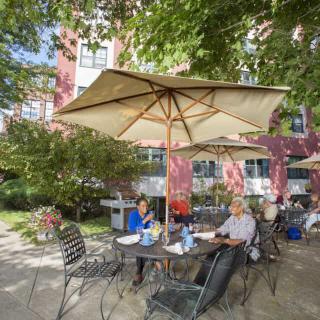
 Outdoor common areas
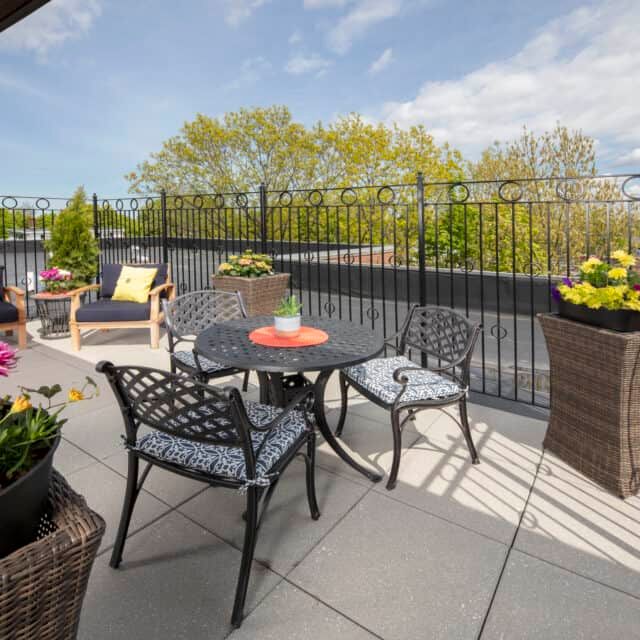
 Outdoor patio
 Party space
 Pet friendly
 Private bathrooms
 Respite or short term stays offered
 Small library
 Telephone
 Wellness center
 Wheelchair accessible showers
 Wi-Fi/high-speed internet available
 Gen Edw L Logan International (7 miles away)
 Community operated transportation
 12-16 hour nursing
 24-hour call system
 Ambulatory care
 Assistance with bathing
 Assistance with dressing
 Assistance with transfers
 Diabetes diet
 Hospice waiver
 Incontinence care
 Medication management
 Mental wellness program
 Physical therapy
 Special dietary restrictions
 Transportation arrangement (medical)
 Art classes
 Catholic services
 Concierge services
 Cooking classes
 Day trips and outings
 Educational speakers / life long learning
 Happy hour
 Karaoke
 Live musical performances
 Wine tasting
 English
 Wide range of amenities and care services, including restaurant-style dining, fitness options, transportation, and 24/7 supervision.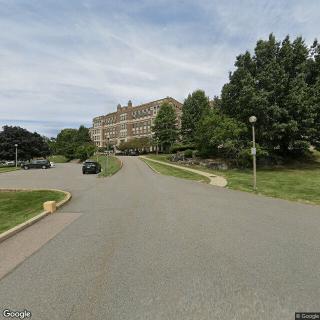



 Delirium and Dementia: Unraveling the Key Differences
 Are Dementia and Alzheimer's Disease Lethal? A Comprehensive Exploration
 Exploring the Power of Reminiscence Therapy for Individuals With Dementia