Apple Valley Center offers competitive pricing in comparison to both Middlesex County and the broader Massachusetts state averages. For a semi-private room, residents can expect to pay $7,800 per month, which is notably higher than the county's average of $6,395 and the state average of $5,805. Similarly, for a private room, the monthly cost at Apple Valley Center stands at $8,100, exceeding Middlesex County's rate of $6,607 and Massachusetts' overall average of $6,090. While the costs at Apple Valley Center are elevated compared to local and state figures, they may reflect enhanced amenities and services that cater to resident needs in a well-regarded environment.
Floor plans
Apple Valley Center
Middlesex County
Massachusetts
Semi-Private
$7,800
$6,395
$5,805
Private
$8,100
$6,607
$6,090
Skilled Nursing Facilities with a similar price nearby
Residents and families repeatedly describe staff who are caring, helpful, and attentive.
Many reviews highlight a welcoming, friendly approach from the staff, along with a sense that residents are cared for day to day. Several visitors mention short waits or staff availability when help is needed. A few also describe staff going out of their way to assist in practical situations. At the same time, not every review is fully positive about staffing levels and follow-through, which affects how consistently communication and support land.
caveat4 reviews mention this
Communication can be hard to reach
Some residents and families report delays reaching the right person and trouble getting updates.
Several reviews describe difficulty contacting the facility by phone, including automated prompts that prevent reaching a human. Others mention that calls or requests are not returned in a timely way, and some families say it took escalation to get needed attention. A couple of comments also raise concerns about how information about a patient was handled during meetings or care updates. Taken together, residents can have good day-to-day care, but communication experiences appear uneven.
caveat6 reviews mention this
Understaffing affects day-to-day support
Multiple reviews say staffing shortages limit how quickly and how thoroughly care gets delivered.
A recurring concern in the reviews is understaffing, with families describing waits for help and difficulty getting consistent support. Some reviewers also point to missed or delayed basics, such as getting assistance with hygiene or ensuring items are available. There are also comments about facility operations like supplies and cleanliness attention. Even where residents say staff members do their best, the staffing limits described by multiple reviewers are a clear pressure point.
caveat9 reviews mention this
Food quality is a mixed point
Dining is frequently mentioned, with concerns about taste, doneness, and variety.
Some reviewers directly criticize food quality—describing issues like food looking unappetizing, being undercooked, or lacking seasoning. Other reviews are more supportive, saying meals are good and that dietary needs are met for the resident. A few comments also connect meal choices to dietary requirements, while still noting limited variety. Overall, dining seems to depend heavily on the reviewer’s experience and the resident’s specific needs.
common5 reviews mention this
Activities help residents stay engaged
Reviews repeatedly mention activities and entertainment as a routine part of life.
Several families describe seeing residents engaged with games, movies, and scheduled activities throughout the day. Reviews also suggest that programming supports social interaction and helps prevent idle time. Even when other aspects of the stay are criticized, activities are often singled out as a positive. The community also offers scheduled daily activities and community-sponsored options.
common4 reviews mention this
Medical coordination is part of care
Residents describe nursing care that includes attention to wounds and ongoing health needs.
A number of reviews point to the nursing team managing everyday medical needs, including wound care support in at least one account. Families also mention doctor and medical coordination as part of the overall care experience, with both positive and negative notes depending on the situation. The facility provides skilled nursing care and includes services such as medication management and coordination with healthcare providers. For families weighing day-to-day medical support, reviews suggest competence can be strong, but experiences vary.
caveat1 reviews mention this
Pricing runs above regional levels
Pricing is listed above both county and state benchmarks for shared and private rooms.
Pricing is presented at a higher level than county and state reference points for both semi-private and private options. Reviews don’t consistently discuss cost, so the main takeaway here is the stated pricing position rather than resident verdicts about value. If you’re comparing communities, it may help to weigh the higher cost against the care-and-dining consistency described in reviews.
How we summarize
Counts show how many written reviews mention each theme; a review can touch several themes, and only frequently mentioned themes are displayed.
Features
Housing
21 resident community capacity
Types of Care
Skilled Nursing Facility
Amenities
Beauty salon
Cable or satellite TV
Dining room
Fully furnished
Garden
Housekeeping services
Kitchenette
Move-in coordination
Outdoor space
Private
Respite or short term stays offered
Telephone
Wi-Fi/high-speed internet available
Care Services
24-hour call system
24-hour supervision
Activities of daily living assistance
Assistance with bathing
Assistance with dressing
Assistance with transfers
Coordination with health care providers
Diabetes diet
Hospice care
Meal preparation and service
Medication management
Mental wellness program
Special dietary restrictions
Transportation arrangement (medical)
Transportation to doctors appointments
Dining
Diabetes diet
Special dietary restrictions
Activities
Community-sponsored activities
Scheduled daily activities
Nearby Places of Interest
Hospitals
Genesis Healthcare (0 miles)
Geriatric Psychiatric Unit (0.1 miles)
Essent Healthcare - Ayer (0.1 miles)
Ascendant Healthcare (8.1 miles)
Leominster Hospital Emergency (9.9 miles)
Neurology Of Central Massachusetts (10 miles)
Physicians
Ayer Dermatology PC (0.1 miles)
Acton Medical Associate - Harvard Office (3.2 miles)
Westford Health Center (8 miles)
Westford Internal Medicine (8 miles)
Lexington Eye Associates (8 miles)
Sprague Family Practice (8.5 miles)
New England Eye Center (9 miles)
Pharmacies
Central Ave Compassionate Care (1.4 miles)
CVS Pharmacy (1.4 miles)
The Medicine Shoppe (1.5 miles)
CVS Pharmacy (5.6 miles)
Pepperell Family Pharmacy (6.1 miles)
CVS Pharmacy (7.8 miles)
Walgreens (7.8 miles)
Restaurants
Johnson's Drive-In (1.5 miles)
McDonald's (1.7 miles)
Wendy's (1.8 miles)
Forge & Vine (2 miles)
Gibbet Hill Grill (2 miles)
Tavern in the Square (5.3 miles)
Kimball Farm (6.1 miles)
Parks
Groton Playground (1.8 miles)
Castle in the Trees (5.2 miles)
Marshall Park (8.1 miles)
BB Kidz Klub (9.3 miles)
Friendship Park (9.5 miles)
Kids Kountry Playground (9.6 miles)
Cafes
Starbucks (5.2 miles)
Gourmet Donuts (5.5 miles)
Whole Foods Market (7.8 miles)
Gourmet Donuts (8.8 miles)
Starbucks (9.1 miles)
Panera Bread (9.2 miles)
Starbucks (9.4 miles)
Places of Worship
Our Lady Of The Lake (8.8 miles)
Congregation Agudat Achim (9.9 miles)
First Baptist Church (10 miles)
Theaters
Entertainment Cinemas (9.4 miles)
Transportation
South Acton Mbta Commuter Rail Station (10.1 miles)
Apple Valley Center offers competitive pricing in comparison to both Middlesex County and the broader Massachusetts state averages. For a semi-private room, residents can expect to pay $7,800 per month, which is notably higher than the county's average of $6,395 and the state average of $5,805. Similarly, for a private room, the monthly cost at Apple Valley Center stands at $8,100, exceeding Middlesex County's rate of $6,607 and Massachusetts' overall average of $6,090. While the costs at Apple Valley Center are elevated compared to local and state figures, they may reflect enhanced amenities and services that cater to resident needs in a well-regarded environment.
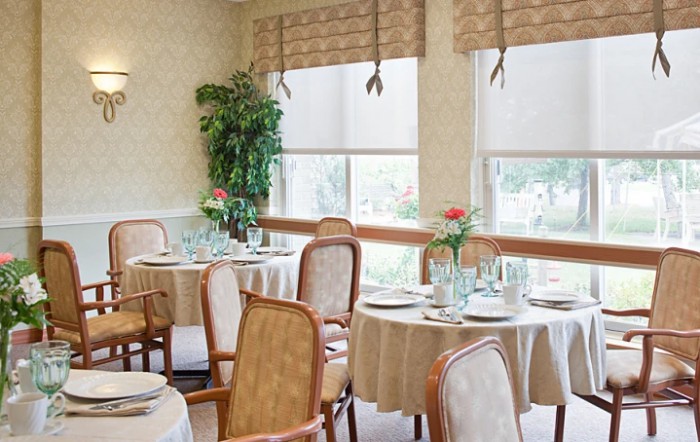
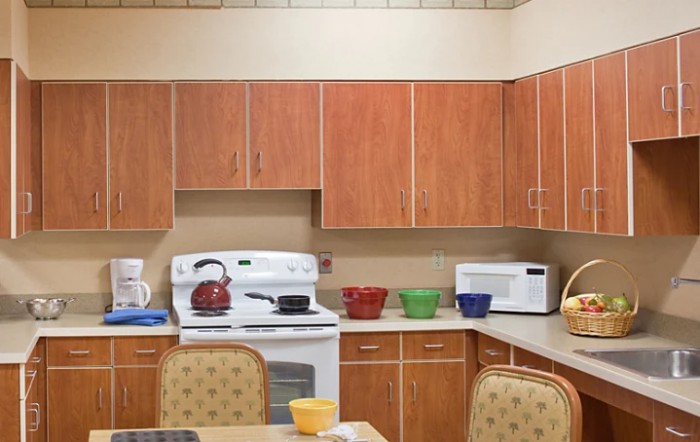
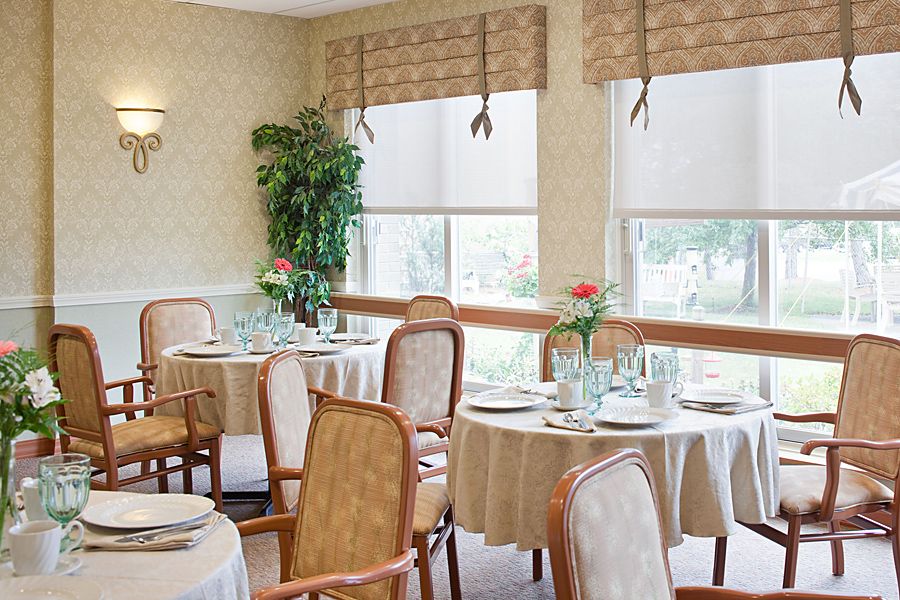
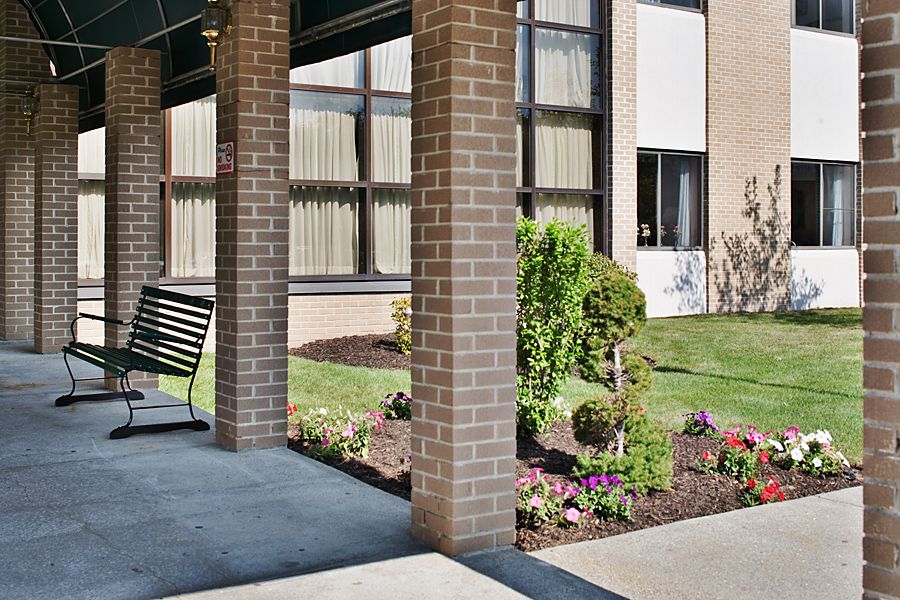
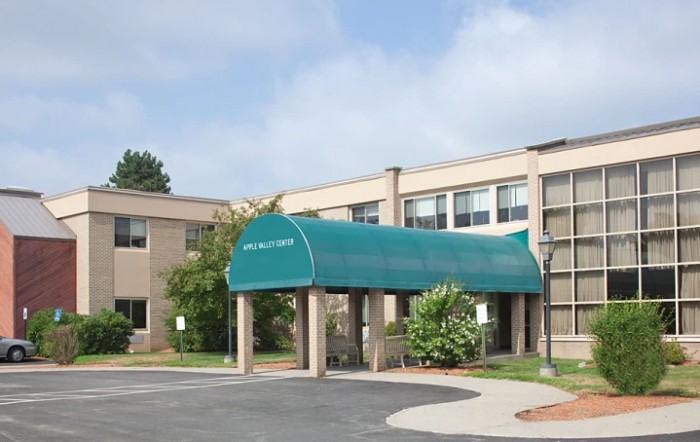
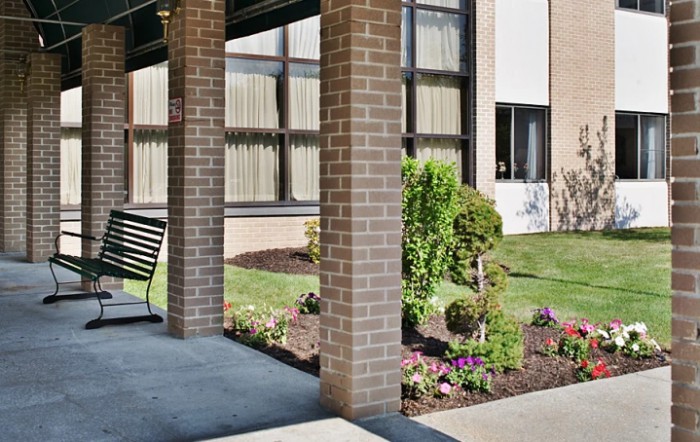
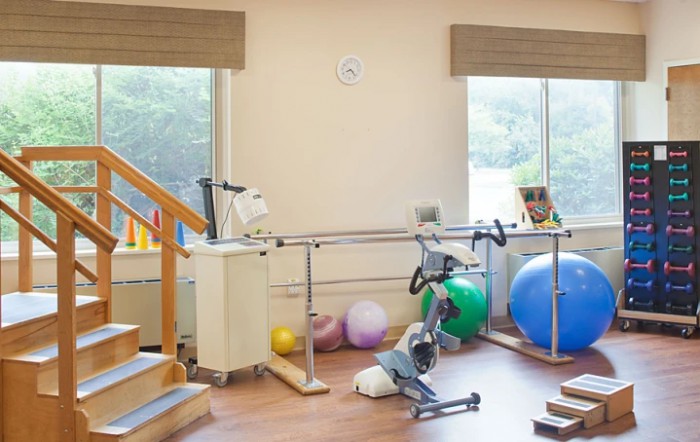
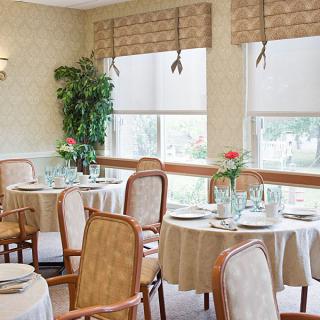
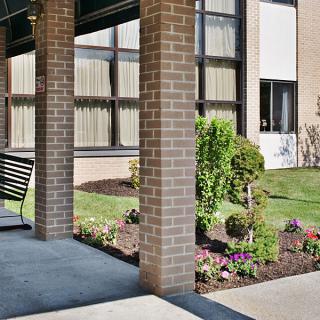
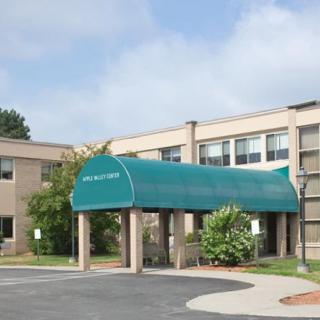
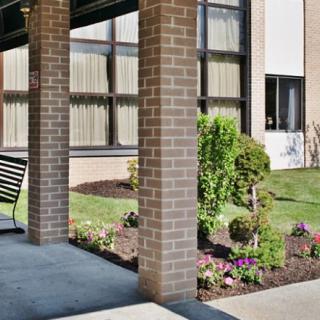
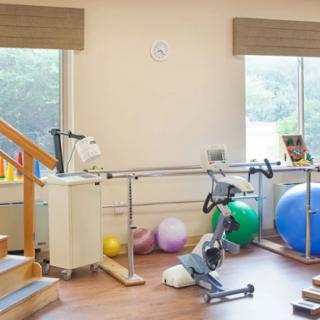
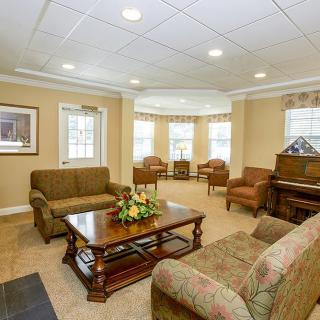
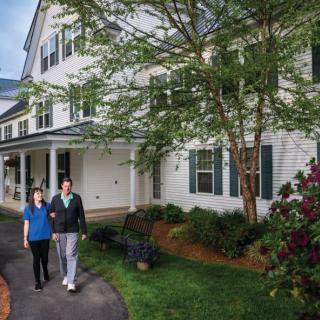
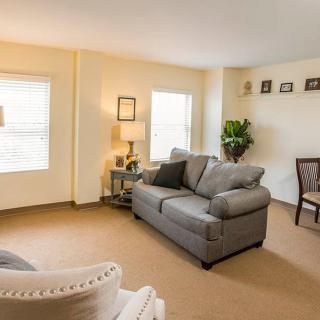
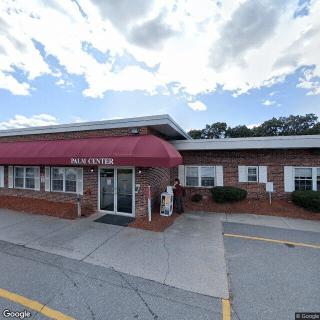
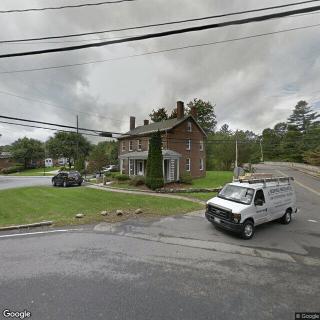
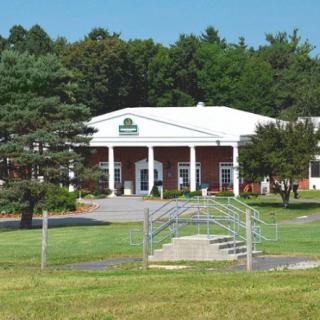
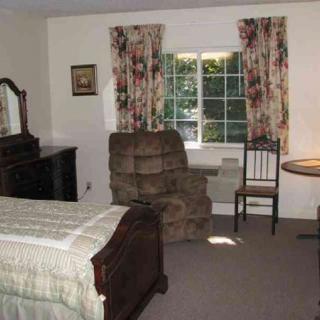
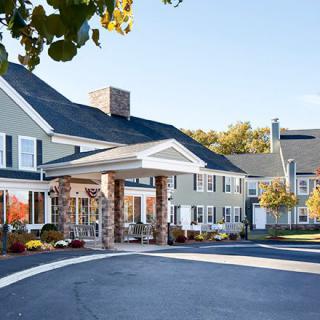
Apple Valley Center on seniors.fyi includes 7 photos including images showing dining, building, landscaping, interior, garden, windows, decor, kitchen, and more.
Pneumonia significantly affects older adults due to weakened immune systems and atypical symptoms that complicate diagnosis, necessitating early detection and tailored treatment. Risk factors include chronic diseases and cognitive impairments, with preventive measures like vaccinations and healthy lifestyles being crucial for reducing risk.
Palliative care enhances the quality of life for seriously ill patients by providing comprehensive support at home through a multidisciplinary team, addressing various needs and prioritizing comfort over curative treatments. While it offers personalized care and involves family in decision-making, challenges like caregiver stress and logistical issues persist, with growing demand prompting advancements in technology and healthcare policies to improve access.
Palliative home care focuses on improving the quality of life for individuals with serious illnesses by providing comfort, symptom management, and emotional support in their own homes. This approach includes personalized care plans, regular assessments, and resources for family caregivers, all while prioritizing person-centered treatment that aligns with patients' goals.
Get PricingAsk A QuestionSchedule A TourContact Senior Advisor
By clicking submit, you agree to our Partner's Terms of Use. You
also consent to receive calls and texts, which may be autodialed, from our Partner. Your consent is not a condition to
using our Partner's service. Please visit our Partner's Privacy Policy for information about their privacy practices.




 21 resident community capacity
 Skilled Nursing Facility
 Beauty salon
 Cable or satellite TV
 Dining room
 Fully furnished
 Garden
 Housekeeping services
 Kitchenette
 Move-in coordination
 Outdoor space
 Private
 Respite or short term stays offered
 Telephone
 Wi-Fi/high-speed internet available
 24-hour call system
 Activities of daily living assistance
 Assistance with bathing
 Assistance with dressing
 Assistance with transfers
 Diabetes diet
 Hospice care
 Meal preparation and service
 Medication management
 Mental wellness program
 Special dietary restrictions
 Transportation arrangement (medical)
 Transportation to doctors appointments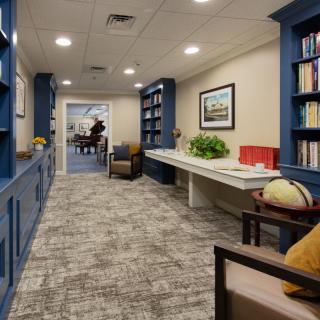
 Friendly, attentive staff; nutritious restaurant-style dining; clean, well-maintained spaces with ample activities.


 Essential Knowledge on Pneumonia in Older Adults
 Exploring Palliative Care in the Home: A Comprehensive Overview
 Comprehensive Insights into Palliative Home Care: What It Is and What to Expect