For more information about senior living options: (866) 208-4318
3.5 from 61 reviews
5 stars
31
4 stars
9
3 stars
1
2 stars
0
1 stars
20
Frederick Health & Rehabilitation Center Costs & Pricing
At Frederick Health & Rehabilitation Center, the monthly costs reflect a commitment to quality care and comfortable living for residents. For a semi-private room, the fee is $5,817, which is notably higher than both the average in Frederick County at $4,335 and the state average of $3,545. Similarly, private rooms are priced at $6,195, surpassing the county's average of $4,441 and Maryland's average of $4,112. This pricing structure indicates that while Frederick Health & Rehabilitation Center may be on the higher end of the spectrum compared to local and state averages, it likely encompasses enhanced services or amenities that cater to the needs of its residents.
Floor plans
Frederick Health & Rehabilitation Center
Frederick County
Maryland
Semi-Private
$5,817
$4,335
$3,545
Private
$6,195
$4,441
$4,112
Skilled Nursing Facilities with a similar price nearby
Overall Review of Frederick Health & Rehabilitation Center
differentiator4 reviews mention this
ASL support stands out for deaf residents
Residents highlight American Sign Language support as a major part of care here.
Several reviews mention ASL communication as a clear reason families felt more confident, including help interpreting concerns for deaf patients. One reviewer specifically credits a staff member for being there for deaf residents and for playing a supportive role with communication and activities. Another review calls out the importance of having staff who can sign and frames it as a reassurance for both residents and families. A separate review notes room to improve access to ASL for deaf residents.
caveat3 reviews mention this
Call response delays are a recurring issue
Residents and families describe long waits for help after pressing call buttons.
Multiple reviews describe delays when assistance was needed, including reports of help taking much longer than expected. Some accounts tie these waits to urgent needs, like trouble obtaining a specified breathing device or getting help after a medical change. Others mention call buttons hanging up or not being answered promptly, which left residents feeling stranded. Taken together, the reviews raise concerns about how quickly requests are handled during the day or evening.
caveat3 reviews mention this
Medical coordination needs attention
Reviews point to problems coordinating key medical steps for residents.
While some families report positive outcomes from therapy and nursing, other reviews describe serious breakdowns in day-to-day medical coordination. There are accounts of medication timing issues that required emergency help, and accounts of equipment or treatment needs that families said were not provided until after escalation. Another review mentions concerns around wound care and recovery during a stay. The community provides skilled nursing support and medication management, but these reviews suggest consistency can be a challenge for certain care needs.
How we summarize
Counts show how many written reviews mention each theme; a review can touch several themes, and only frequently mentioned themes are displayed.
Features
Housing
120 resident community capacity
Types of Care
Skilled Nursing Facility
Amenities
Air-conditioning
Beauty salon
Cable or satellite TV
Computer center
Dining room
Fitness room
Fully furnished
Gaming room
Garden
Housekeeping services
Kitchenette
Move-in coordination
Outdoor space
Private
Private bathrooms
Restaurant-style dining
Small library
Telephone
Wellness center
Wi-Fi/high-speed internet available
Transportation
Community operated transportation
Transportation arrangement
Transportation arrangement (non-medical)
Transportation to doctors appointments
Care Services
12-16 hour nursing
24-hour call system
24-hour supervision
Activities of daily living assistance
Assistance with bathing
Assistance with dressing
Assistance with transfers
Diabetes diet
Meal preparation and service
Medication management
Mental wellness program
Special dietary restrictions
Dining
Diabetes diet
Special dietary restrictions
Activities
Community-sponsored activities
Concierge services
Fitness programs
Planned day trips
Resident-run activities
Scheduled daily activities
Nearby Places of Interest
This part of Frederick, Maryland, offers a range of amenities and services that may be beneficial for seniors looking for a convenient and accessible location. There are several physicians' offices nearby, ensuring easy access to medical care. Additionally, there are plenty of dining options, including familiar chains like McDonald's and Taco Bell, as well as more upscale choices like Dutch's Daughter and Black Hog BBQ. Pharmacies like Walgreens and CVS are also close by for medication needs. The area is home to Frederick Memorial Hospital, providing quality healthcare facilities in the vicinity. For leisure activities, there are scenic parks such as Baker Park and Lake Coventry Park where seniors can enjoy outdoor recreation. Cafes like Starbucks and Frederick Coffee Co & Cafe offer cozy spots for socializing with friends. And for entertainment, Warehouse Cinemas provides a nearby option for catching the latest movies. Overall, this part of Frederick offers convenience and comfort for seniors looking to settle in a vibrant community.
At Frederick Health & Rehabilitation Center, the monthly costs reflect a commitment to quality care and comfortable living for residents. For a semi-private room, the fee is $5,817, which is notably higher than both the average in Frederick County at $4,335 and the state average of $3,545. Similarly, private rooms are priced at $6,195, surpassing the county's average of $4,441 and Maryland's average of $4,112. This pricing structure indicates that while Frederick Health & Rehabilitation Center may be on the higher end of the spectrum compared to local and state averages, it likely encompasses enhanced services or amenities that cater to the needs of its residents.
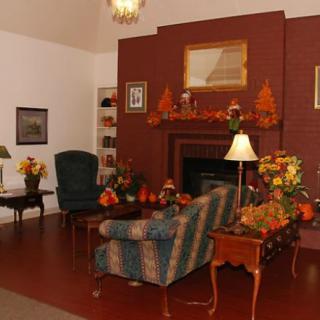
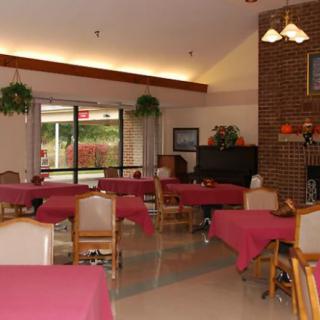
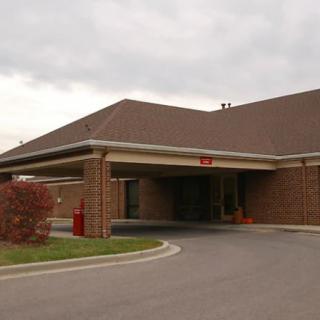
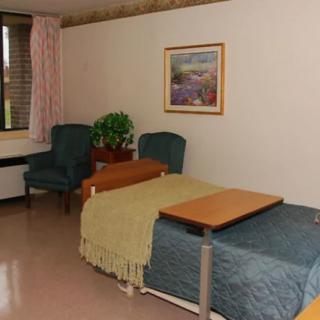
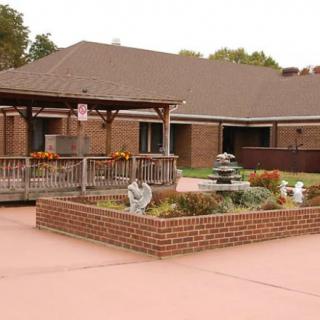
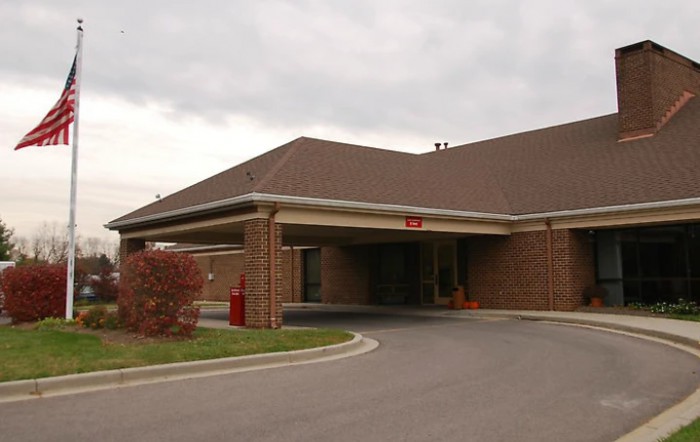
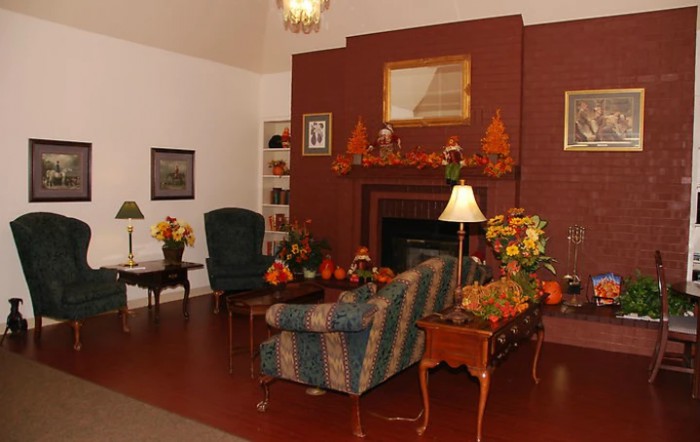
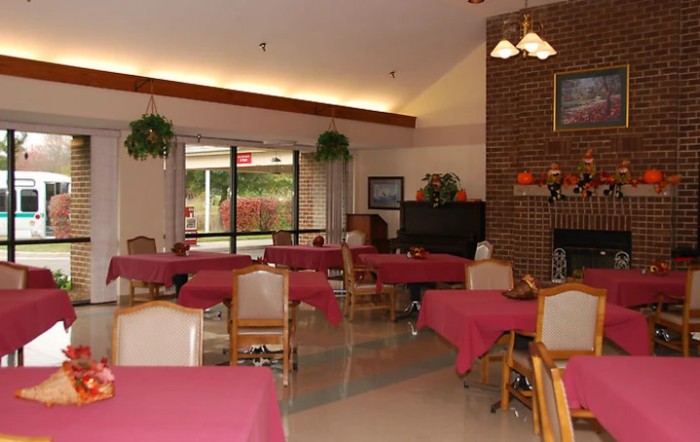
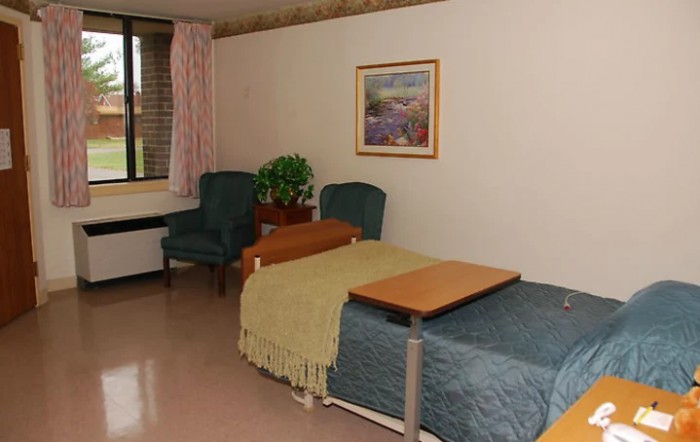
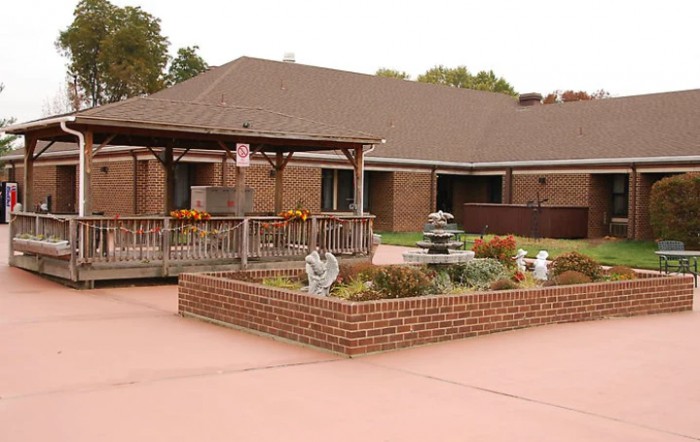
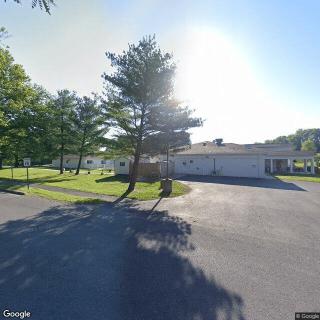
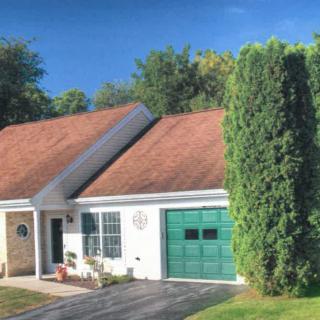
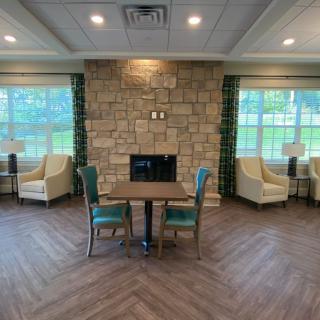
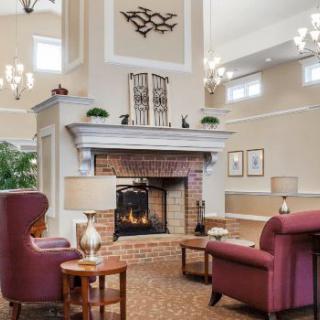
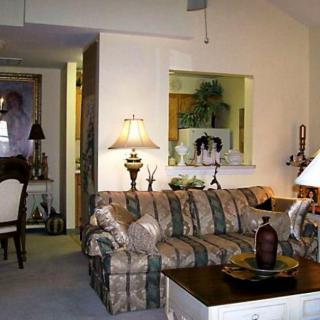
Frederick Health & Rehabilitation Center on seniors.fyi includes 6 photos including images showing interior, dining, building, brick, architecture, living room, fireplace, artwork, and more.
Nearby Communities
Sunrise of Frederick
Frederick, MD
4.5 from 103 reviews
$3,600 to $5,400 / month
Friendly, attentive staff in a clean, homelike setting with a variety of activities and dining options.
Creekside
Frederick, MD
4.3 from 29 reviews
$970 to $1,230 / month
Friendly staff and active, well-kept community
24 7 In Home Health Care
Frederick, MD
4.7 from 32 reviews
24/7 in-home health care with easy access to nearby medical services and everyday amenities.
Tranquillity At Fredericktowne
Frederick, MD
4.5 from 175 reviews
$4,100 to $6,200 / month
Compassionate staff in a clean, home-like setting with activities.
Nightingale
Frederick, MD
4 from 4 reviews
Abundant nearby amenities and healthcare options.
Home For The Aged
Frederick, MD
5 from 4 reviews
Respite care with 24/7 supervision and ADL support.
Silverado Frederick
Frederick, MD
4.7 from 43 reviews
Active residents with a friendly, well-trained staff in a clean, brand-new facility.
Heart Fields Assisted Living At Frederick
Frederick, MD
4.5 from 57 reviews
Attentive, caring staff in a small, homelike community with engaging activities.
Linda's caregiving journey for her elderly mother, Joan, is marked by deep love and challenges as she navigates health changes, emotional support, and practical arrangements while learning to prioritize self-care and utilize community resources. Their evolving relationship highlights resilience and the universal themes of empathy and preparedness in caregiver experiences.
The article clarifies common misconceptions about Powers of Attorney (POA), highlighting the necessity of the principal's consent, the limitations on an agent's authority, and the importance of mental capacity when signing. It also distinguishes between various types of POAs, addresses concerns about potential abuse, and emphasizes the need for legal consultation to ensure valid and up-to-date documents.
Senior move management provides specialized support for older adults relocating by assisting with logistics, emotional challenges, and downsizing decisions to ensure a smooth transition to new living environments. These services address the unique needs of seniors and have become increasingly important as baby boomers retire and seek to downsize.
Get PricingAsk A QuestionSchedule A TourContact Senior Advisor
By clicking submit, you agree to our Partner's Terms of Use. You
also consent to receive calls and texts, which may be autodialed, from our Partner. Your consent is not a condition to
using our Partner's service. Please visit our Partner's Privacy Policy for information about their privacy practices.


 120 resident community capacity
 Skilled Nursing Facility
 Air-conditioning
 Beauty salon
 Cable or satellite TV
 Computer center
 Dining room
 Fitness room
 Fully furnished
 Gaming room
 Garden
 Housekeeping services
 Kitchenette
 Move-in coordination
 Outdoor space
 Private
 Private bathrooms
 Restaurant-style dining
 Small library
 Telephone
 Wellness center
 Wi-Fi/high-speed internet available
 Community operated transportation
 12-16 hour nursing
 24-hour call system
 Activities of daily living assistance
 Assistance with bathing
 Assistance with dressing
 Assistance with transfers
 Diabetes diet
 Medication management
 Mental wellness program
 Special dietary restrictions
 Concierge services
 Planned day trips
 Friendly, attentive staff in a clean, homelike setting with a variety of activities and dining options.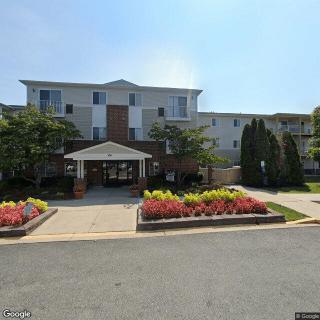



 Nurturing Our Elders: Linda's Journey of Supporting Her Mother
 A Comprehensive Exploration of Common Misunderstandings about Powers of Attorney
 Senior Move Management: Understanding the Role, Value, and Associated Costs