For more information about senior living options: (866) 208-4318
4 from 48 reviews
5 stars
30
4 stars
4
3 stars
5
2 stars
4
1 stars
5
Overall Review of Homewood at Frederick
common23 reviews mention this
Staffing and care get mixed reviews
Residents describe strong day-to-day care, while some point to gaps during heavier periods.
Many reviews praise staff as helpful and caring, with families noting good nursing support and overall attentive service. Others raise concerns about staffing levels and reliability, including reports about overworked CNA staff, insufficient support during nights, and unanswered resident calls. Several reviewers also describe transitions to higher levels of care when needs increase, with mixed impressions about how responsive reassessment and follow-through are for changing conditions.
differentiator7 reviews mention this
Dining quality stands out
Food quality is a frequent highlight, though a few residents report disappointing dining experiences.
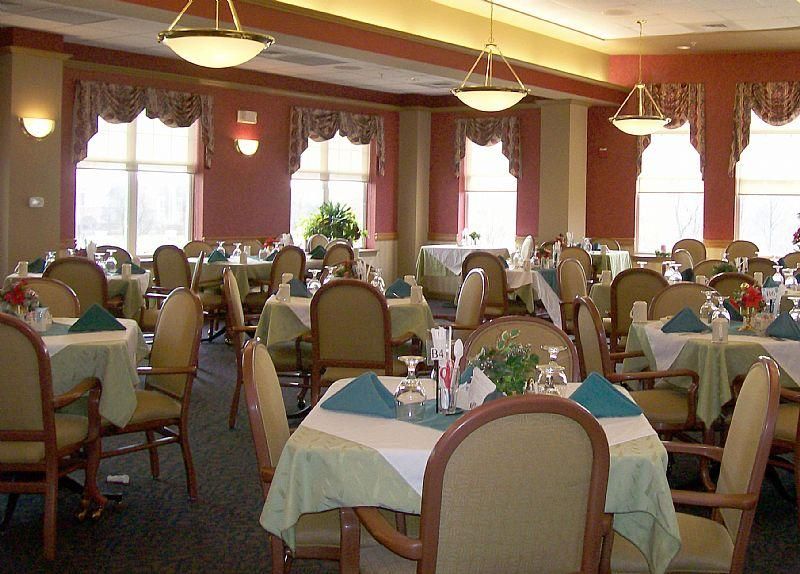
Multiple reviews call out food as excellent, including praise for delicious meals and the general quality of dining service for residents. At the same time, a few comments are sharply negative, describing poor food quality and difficulty meeting food requirements. There are also mentions of diet-related needs, with residents framing dining as better when it matches their restrictions.
common11 reviews mention this
Activities and social life vary
Residents discuss a full activities calendar, with some saying engagement is inconsistent.
Several families and residents say there are plenty of activities and social events, including day trips and community-sponsored programming. A few reviews, however, describe limited activity availability—especially later in the day—or a lack of social vibrancy. During periods like COVID-19, one reviewer also felt stimulation and engagement were insufficient, with the daily routine becoming more passive than expected.
caveat7 reviews mention this
Cost feels very high for some
Pricing is described as expensive, particularly when service and responsiveness do not meet expectations.
Some reviews directly criticize the monthly cost, with claims that the rates were not worth what families experienced. Others highlight concern about additional charges and the overall affordability of the community, including one review describing the facility as the most expensive in the area. Even among positive comments, there are a few who frame cost as a key deciding factor, suggesting value depends heavily on the level of support delivered.
common11 reviews mention this
Facilities are described as well kept
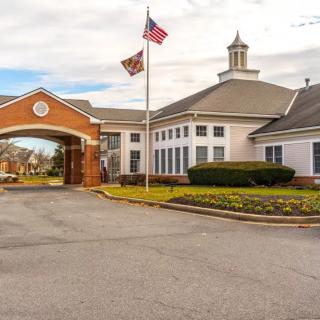
Reviews repeatedly mention a clean, modern campus that is well maintained.
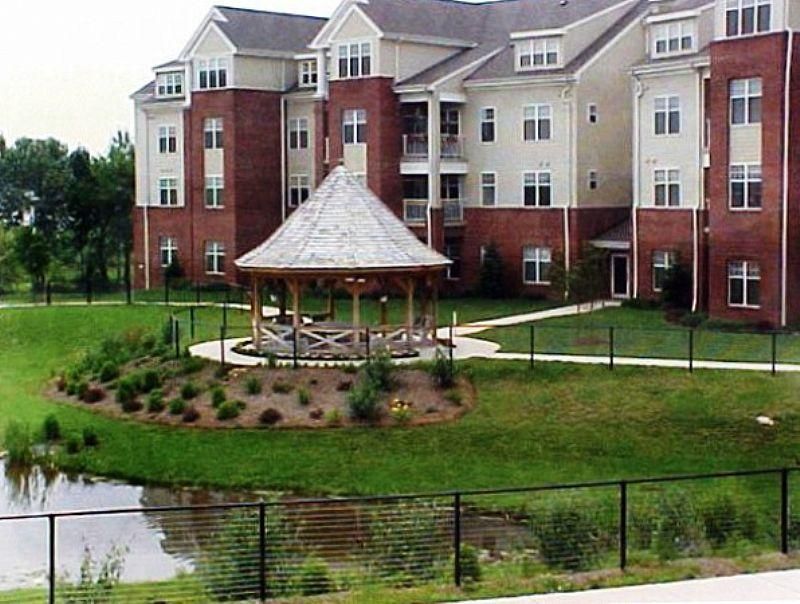
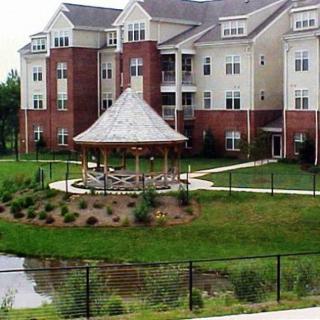
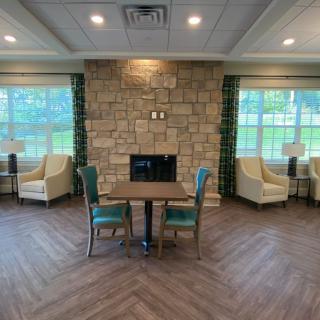
Many comments describe the community as clean, updated, and well maintained, with residents and visitors noticing a pleasant building look and upkeep. Several reviews also mention attractive common spaces and outdoor areas, including pools and walking paths. A few negative notes are more about service delivery than the condition of the campus itself.
How we summarize
Counts show how many written reviews mention each theme; a review can touch several themes, and only frequently mentioned themes are displayed.
Features
Housing
52 resident community capacity
1-bedroom apartments
2-bedroom apartments
Detached homes
Studio apartments
Types of Care
Assisted Living
Continuing Care Retirement Community (CCRC)
Independent Living
Memory Care
Respite Care
Skilled Nursing Facility
Amenities
Air-conditioning
Beautician on-site
Beauty salon
Cable or satellite TV
Computer center
Dining room
Fitness room
Full kitchen
Fully furnished
Gaming room
Garden
Guasts at mealtime
Housekeeping services
Kitchenette
Move-in coordination
Outdoor space
Overnight guests
Party space
Private bathrooms
Resident parking
Respite or short term stays offered
Restaurant-style dining
Small library
Spa
Swimming pool
Telephone
Wellness center
Wi-Fi/high-speed internet available
Transportation
Community operated transportation
Transportation & parking
Transportation arrangement
Transportation arrangement (non-medical)
Care Services
24-hour call system
24-hour supervision
Activities of daily living assistance
Assistance with bathing
Assistance with dressing
Assistance with transfers
Diabetes diet
Meal preparation and service
Medication management
Physical therapy
Special dietary restrictions
Dining
Diabetes diet
Low fat
Special dietary restrictions
Activities
Activities off-site
Community-sponsored activities
Concierge services
Fitness programs
Planned day trips
Religious services
Resident-run activities
Scheduled daily activities
Languages Spoken
English
Nearby Places of Interest
Pharmacies
Valogic (0.9 miles)
Wegmans (1.7 miles)
CVS Pharmacy (1.8 miles)
Frederick Community Pharmacy (2.1 miles)
Walgreens (2.1 miles)
CVS Pharmacy (2.7 miles)
CVS Pharmacy (3.1 miles)
Physicians
Frederick Surgical Center (1.1 miles)
Frederick Dermatology Associates (1.1 miles)
Johns Hopkins Community Physicians at Frederick (1.1 miles)
Shady Grove Fertility (1.1 miles)
Baltimore Imaging Centers (1.1 miles)
Frederick Oncology Hematology Associates PC (1.1 miles)
Homewood at Frederick's comprehensive features play a crucial role in supporting residents with dementia or Alzheimer's disease. Assistance with dressing and bathing not only promotes personal hygiene but also fosters dignity and independence, essential for individuals facing cognitive challenges. Medication management ensures that residents receive the correct dosages at the right times, mitigating confusion and promoting overall health. Meal preparation and service provide nutritious options catered to individual dietary needs, which can enhance both physical health and social engagement during mealtime. Activities of daily living assistance facilitates routine tasks, helping residents maintain a sense of normalcy while reducing frustration. The support during transfers ensures mobility is safe and comfortable, which is vital in preventing falls. Additionally, 24-hour supervision offers peace of mind to both residents and their families by ensuring immediate assistance is always available. Lastly, physical therapy helps maintain mobility and strength, aiding cognitive function through structured physical activity tailored to the unique abilities of each resident.
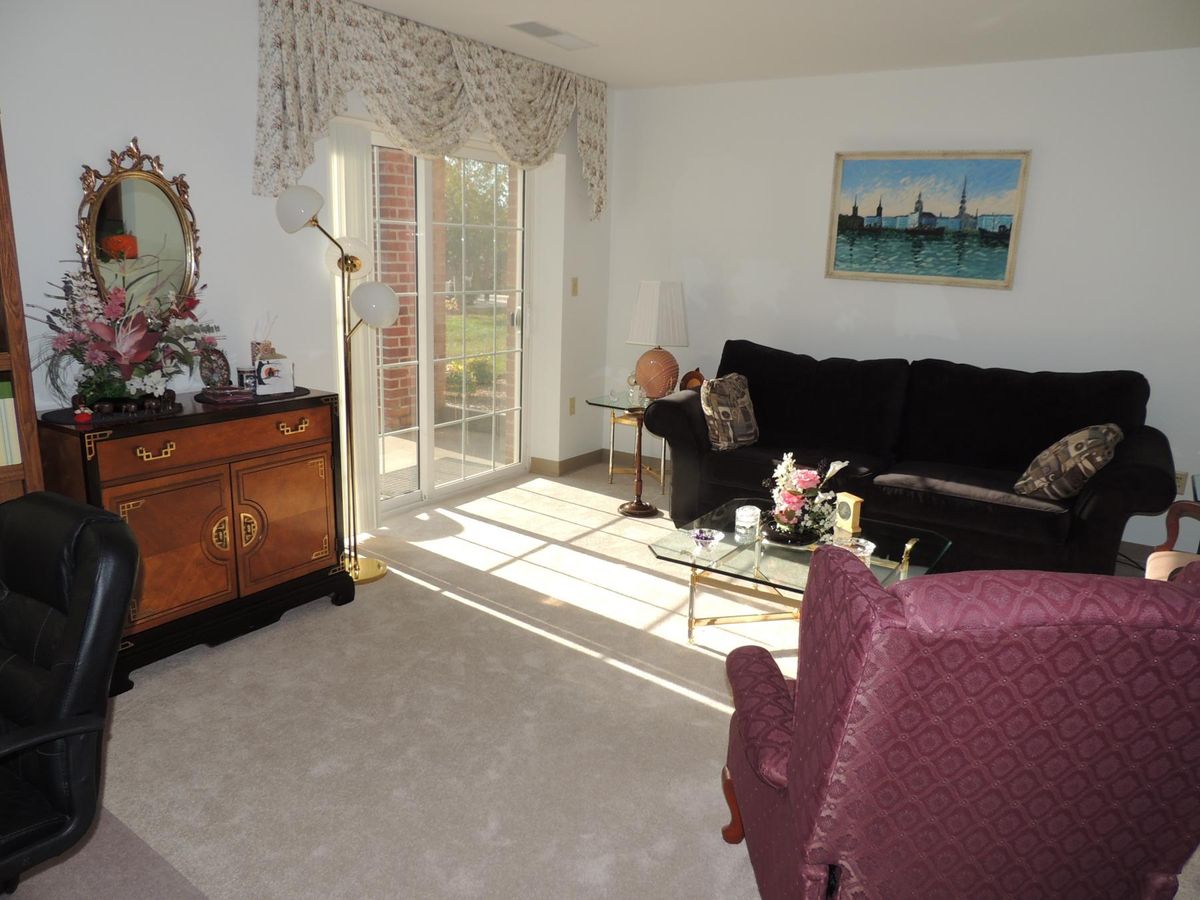
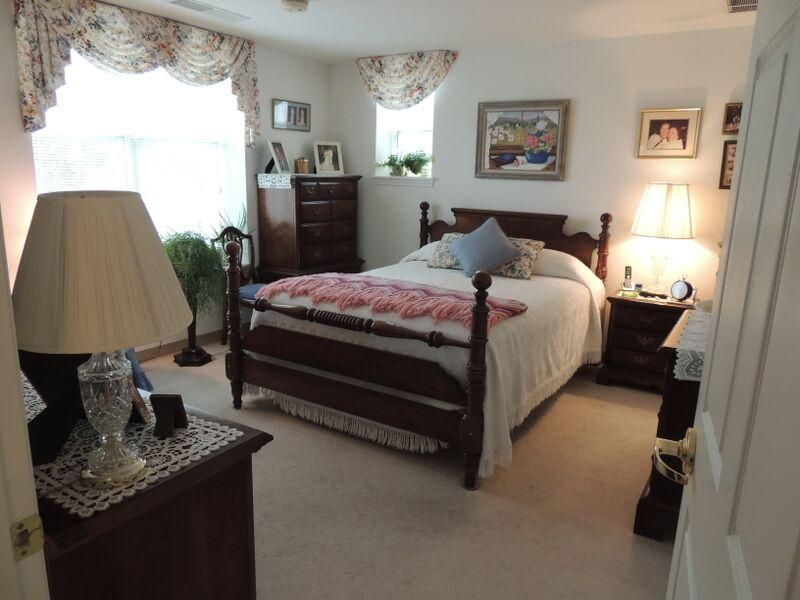
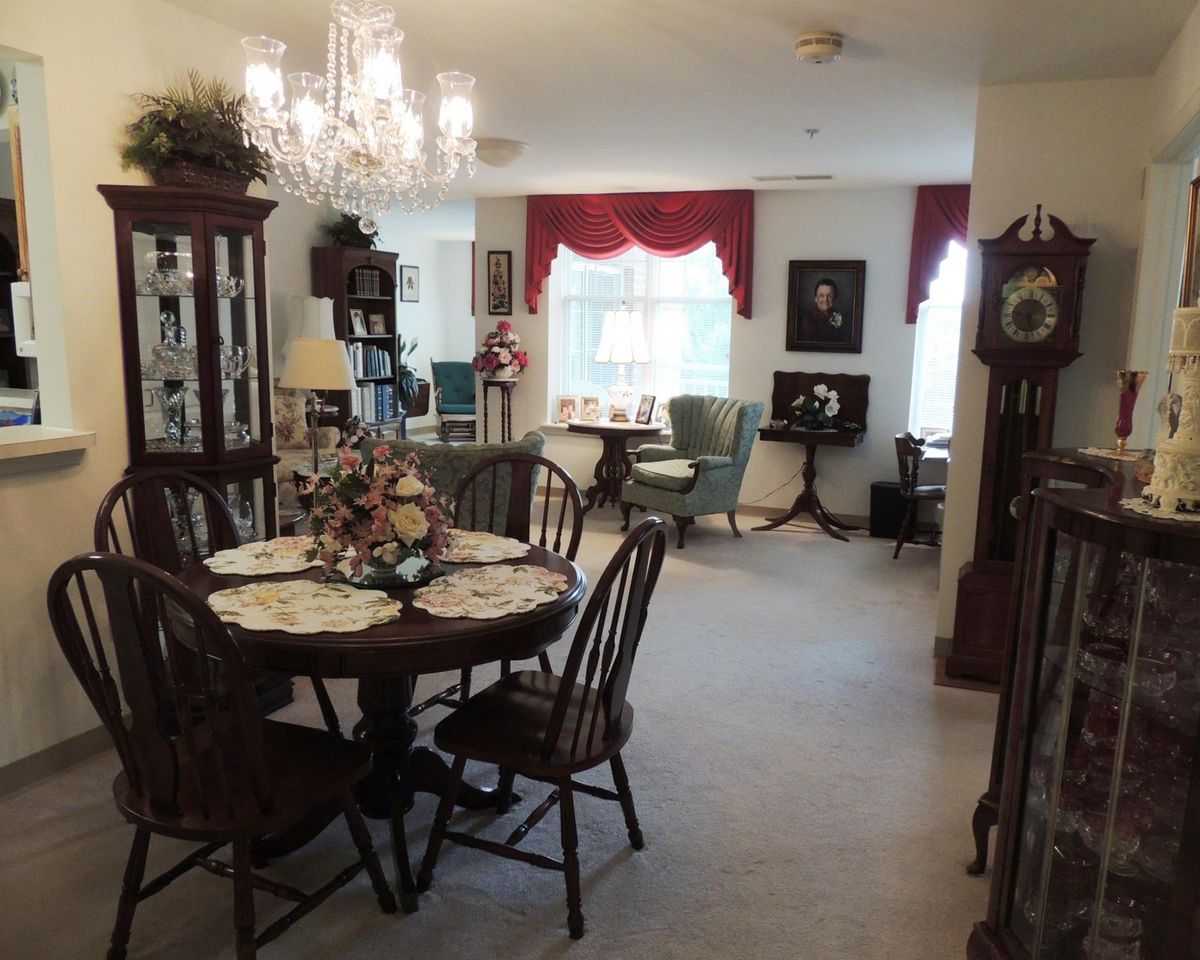
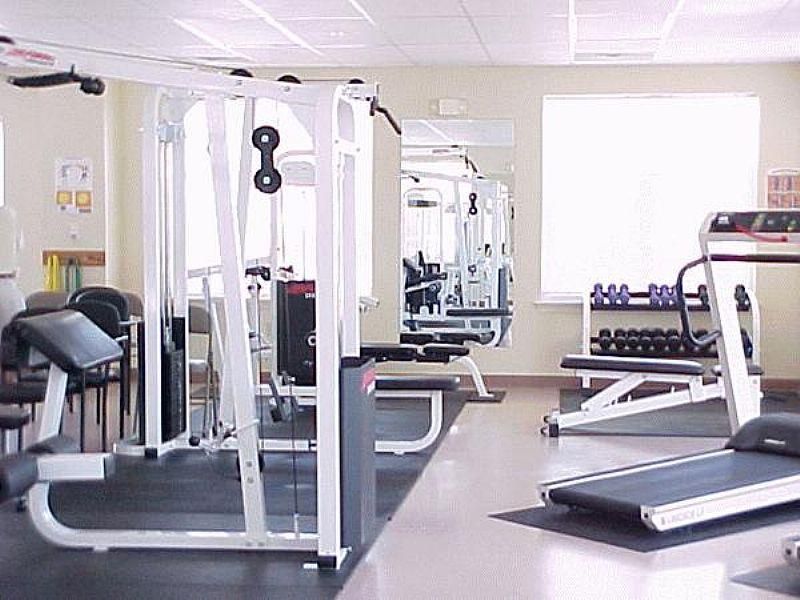
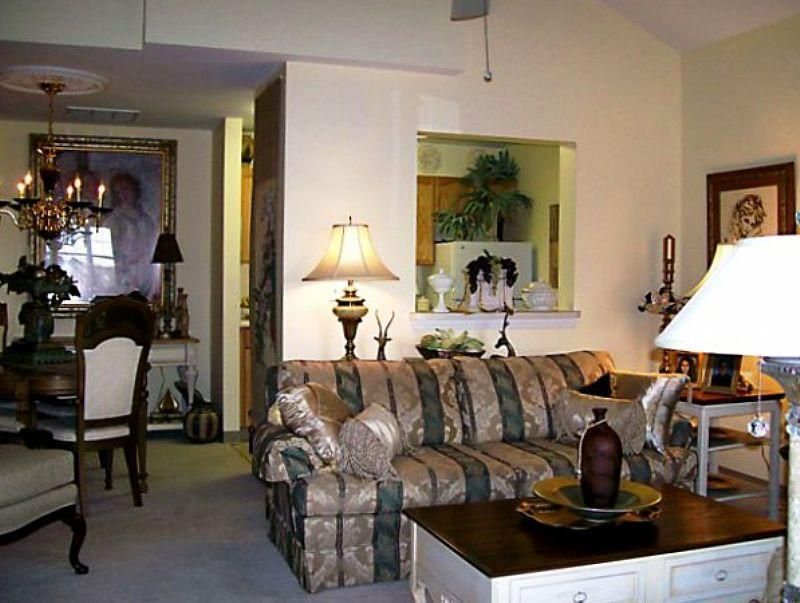
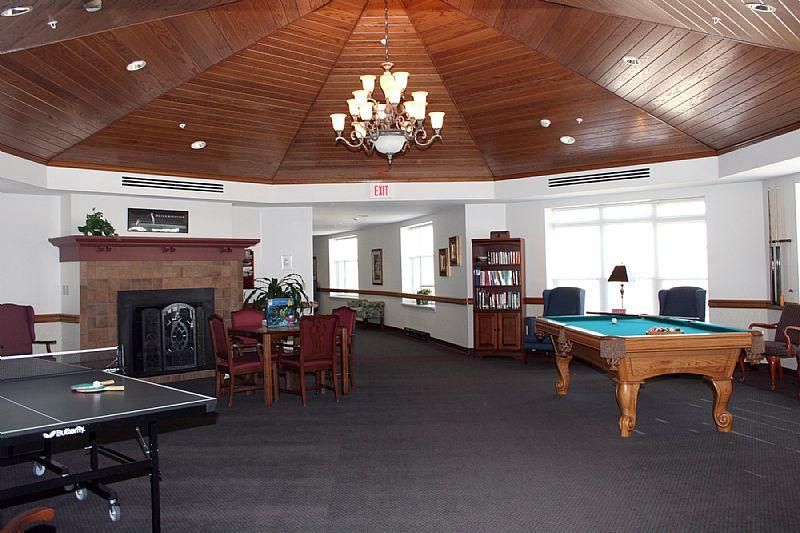
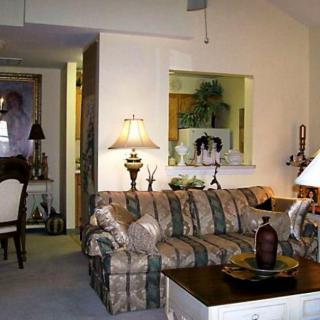
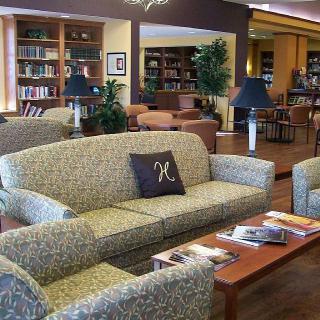
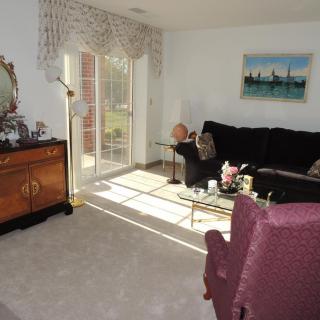
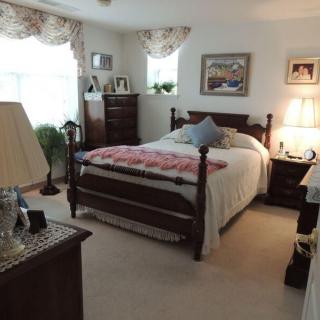
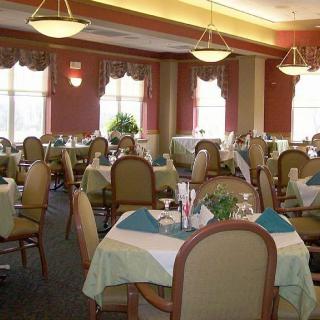
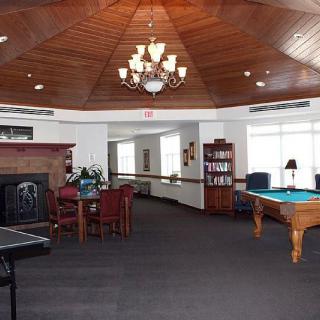
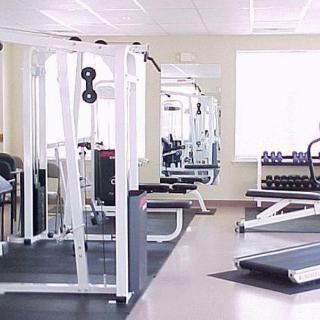
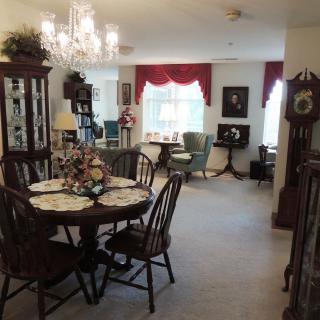
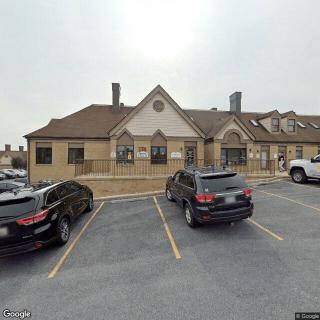
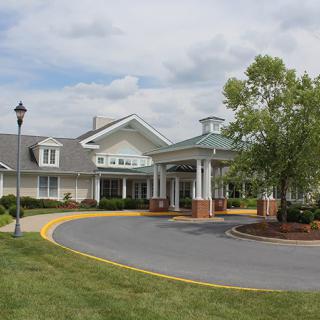
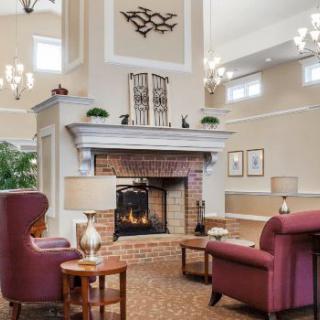
Homewood at Frederick on seniors.fyi includes 9 photos including images showing decor, interior, living room, dining, bedroom, windows, chandelier, library, and more.
The transition from assisted living to skilled nursing care is often prompted by complex medical needs that assisted living cannot meet, with key indicators including frequent health declines, increased falls, severe memory issues, and caregiver burnout. Families should recognize these signs early to discuss options with healthcare providers and prepare for the emotional and logistical aspects of moving to a facility that offers comprehensive medical support.
Dementia is characterized by cognitive decline, with nutrition playing a vital role in brain health; while no specific diet can prevent or reverse it, a nutrient-dense diet rich in antioxidants and healthy fats may support cognitive function. The MIND diet, which emphasizes beneficial foods and limits processed items, along with proper hydration and individualized meal strategies, can enhance the well-being of dementia patients.
Dementia affects memory and cognitive function in older adults, presenting challenges for caregivers due to behavioral changes such as confusion and mood swings. Compassionate, person-centered care that considers individual history and preferences, along with effective communication and environmental modifications, is essential for supporting both patients and their caregivers.
Exercise Equipment, Gym, Fitness, Exercise, and Treadmill
Bookshelves, Library, and Reading Area
Billiards and Recreation Room
Dining Table and Traditional Decor
Get PricingAsk A QuestionSchedule A TourContact Senior Advisor
By clicking submit, you agree to our Partner's Terms of Use. You
also consent to receive calls and texts, which may be autodialed, from our Partner. Your consent is not a condition to
using our Partner's service. Please visit our Partner's Privacy Policy for information about their privacy practices.


 52 resident community capacity
 1-bedroom apartments
 Detached homes
 Assisted Living
 Continuing Care Retirement Community (CCRC)
 Independent Living
 Memory Care
 Respite Care
 Skilled Nursing Facility
 Air-conditioning
 Beautician on-site
 Cable or satellite TV
 Computer center
 Dining room
 Fitness room
 Full kitchen
 Fully furnished
 Gaming room
 Garden
 Housekeeping services
 Move-in coordination
 Outdoor space
 Overnight guests
 Party space
 Private bathrooms
 Resident parking
 Restaurant-style dining
 Small library
 Spa
Spa Swimming pool
 Telephone
 Wi-Fi/high-speed internet available
 Community operated transportation
 24-hour call system
 Activities of daily living assistance
 Assistance with bathing
 Assistance with dressing
 Assistance with transfers
 Diabetes diet
 Medication management
 Physical therapy
 Special dietary restrictions
 Concierge services
 Planned day trips
 Religious services
 English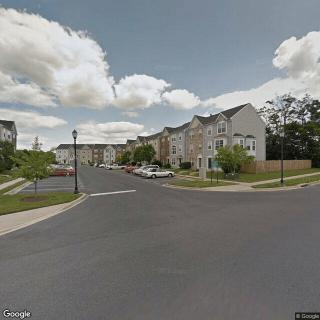
 Excellent access to nearby amenities (cafes, parks, pharmacies, physicians, restaurants, hospitals).
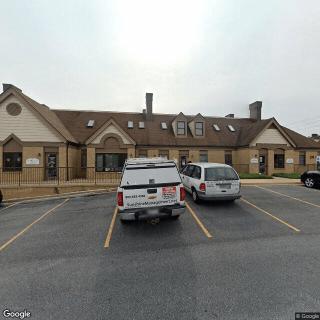
 8 Key Indicators That Suggest It May Be Time to Transition from Assisted Living to Skilled Nursing Care
 Nourishing the Mind: Essential Dietary Approaches for Dementia
 Understanding Dementia Behaviors: Practical Insights and Strategies for Caregivers