
115 Record Street, Frederick, MD 21701
For more information about senior living options: (866) 208-4318
Overall Review of Home For The Aged
Pros
 Record Street Home is described as a great place to call home.
- The nurses treat residents like their best friends, with caring and motherly respect.
- The facility provides care across stepped levels, including memory and medical care, so residents don’t have to worry about moving.
- Aunt Betty was supported after a heart attack, with staff nursing her back to stable, managed care.
- The overall impression is that the staff are caring, respectful, and dependable.
Review
This Frederick location of Home For The Aged on Record Street is best suited for families seeking dependable, deeply personal caregiving where staff form lasting, trust-based relationships with residents. It serves seniors who need a spectrum of support, from daily routines to memory care and medical oversight, without the upheaval of moving between facilities. The hallmark is continuity: residents stay in a familiar setting while the care team adapts to changing needs, rather than shuffling to a different campus. Families will find nurses who approach care with warmth and respect, treating residents as if they were family. For relatives seeking a home where medical steps can be scaled within one community, this setting delivers steadiness that eases the decision-making burden.
However, options should be considered for households prioritizing a wider menu of social programming, resort-style amenities, or highly energy-intensive rehab services. The feedback concentrates on compassionate caregiving and continuity rather than spotlighting activities, dining variety, or campus-scale services. The three reviews provide little information about staffing ratios, cost structures, or how the facility handles rapid changes in acuity beyond stating memory and medical care can be managed. For families with strict budgets or those seeking a facility with expansive on-site disciplines or specialized treatment teams, alternatives with broader programming, or a larger campus footprint, may better fit. In short, alignment hinges on what matters most: intimate caregiving versus breadth of amenities.
The strongest asset is the staff's relational approach. At Home For The Aged, the care team forms genuine connections, making caregivers feel more like allies than distant operators. That warmth translates into daily living that feels safe and respectful, a crucial factor for seniors facing medical histories such as heart events. The facility’s claimed ability to manage stepped care means memory support and medical management live under one roof, reducing the need for transitions. For post-hospital recoveries, the advantage is clear: residents can return to a familiar bed, a stable routine, and caregivers who understand their medical history. In practice, that blend of compassion and continuity lowers stress for families.
What remains unclear from the available feedback is the breadth of non-medical offerings and the transparency of cost. There is no mention of dining quality, activity programming, transportation, or bedroom options, and no data on staff-to-resident ratios. The small number of reports also means there is limited independent corroboration of the experience, so potential residents should verify current performance in person. Families should assess whether the level of care can scale quickly if needs intensify and whether the memory support program aligns with the resident’s specific cognitive profile. The absence of explicit drawbacks in the reviews should not be mistaken for a comprehensive picture; the decision hinges on real-world gut checks during a visit.
When weighing the positives against the unknowns, the practical payoff is stability with responsive care. The ability to address memory and medical needs without moving is a significant risk reducer for active decline. Warm caregiver engagement can compensate for a lack of flashy programming by delivering predictable routines, timely assistance, and proactive hospital-to-home transitions. Families who value a quiet, dependable environment where staff appear to know residents well will likely rate this facility highly, because the core risk, disruption from moves or gaps in medical follow-up, is minimized. The caveat is that any family wanting a broad social calendar or topical wellness offerings should confirm those pieces before committing.
Practical next steps are clear: schedule an in-person tour, request up-to-date resident care plans, and speak with several staff members about day-to-day routines and how care levels shift. Ask for itemized pricing, what is included in base rates, and what might trigger additional charges for memory or medical services. If possible, request conversations with current residents or families to hear about hospital discharge experiences and routine days. Cross-check state inspection records and performance reviews to ensure quality remains consistent. For families prioritizing compassionate, stable caregiving with built-in scalability, Home For The Aged in Frederick stands out as a dependable choice; for others, alternatives with broader programming and amenities deserve consideration.
 29 resident community capacity
 Assisted Living
 Respite Care
 Beauty salon
 Cable or satellite TV
 Dining room
 Fully furnished
 Garden
 Housekeeping services
 Kitchenette
 Move-in coordination
 Outdoor space
 Restaurant-style dining
 Small library
 Telephone
 Wi-Fi/high-speed internet available
 24-hour call system
 Activities of daily living assistance
 Assistance with bathing
 Assistance with dressing
 Assistance with transfers
 Diabetes diet
 Medication management
 Mental wellness program
 Special dietary restrictions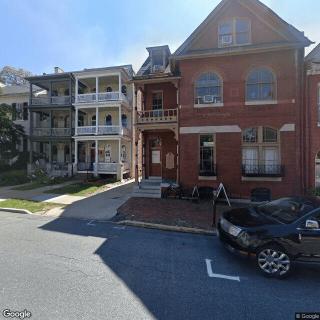


 Assisted Living Expenses and Long-Term Care Insurance: A Comprehensive Exploration
 Securing Financial Support for Assisted Living: A Comprehensive Overview
 Social Security Benefits and Assisted Living: Navigating Options Across the U.S.