Crofton Convalescent Center in Crofton, MD

Save

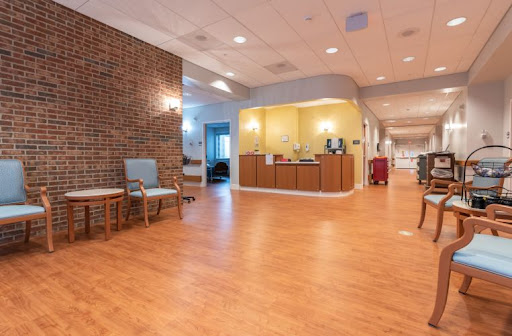
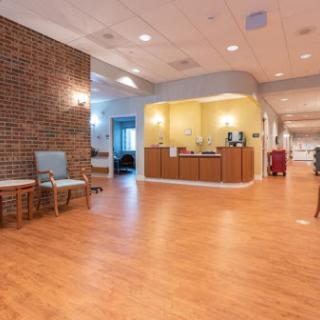
  • Interior

    A spacious hospital reception area featuring a comfortable waiting space and modern furnishings.
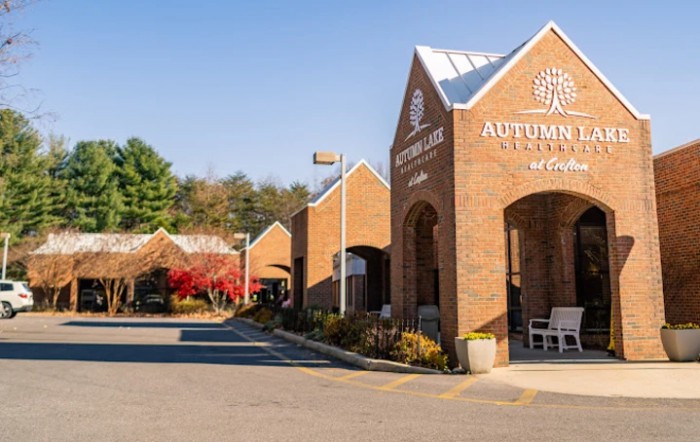
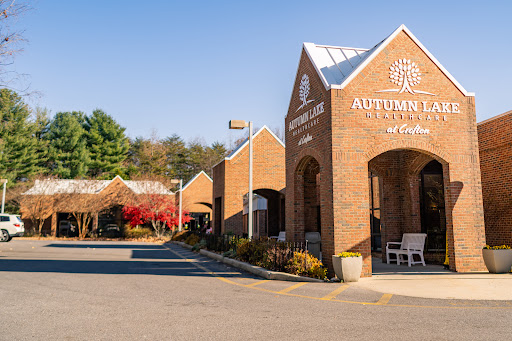
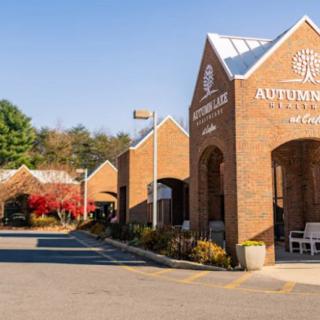
  • Building

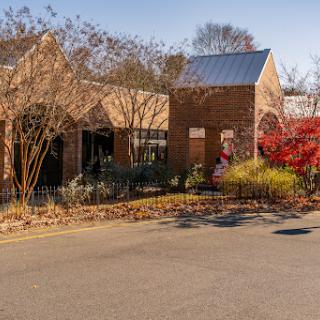
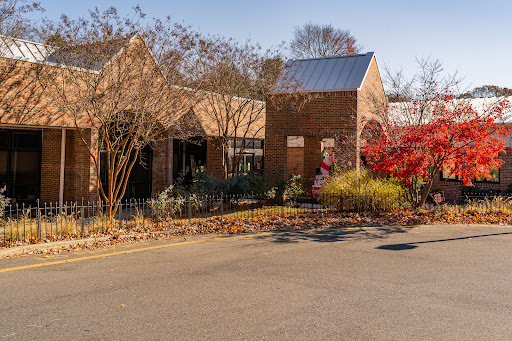
    A brick medical center with a parking lot on a sunny day.
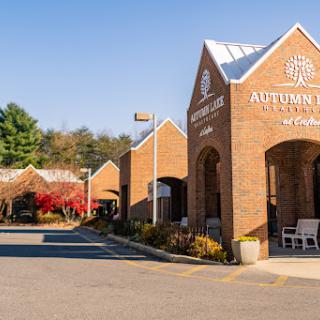
  • Architecture

    A view of a brick building with a distinctive architectural design, set against an autumn backdrop.
  • Trees

    A charming view of brick buildings surrounded by autumn foliage.
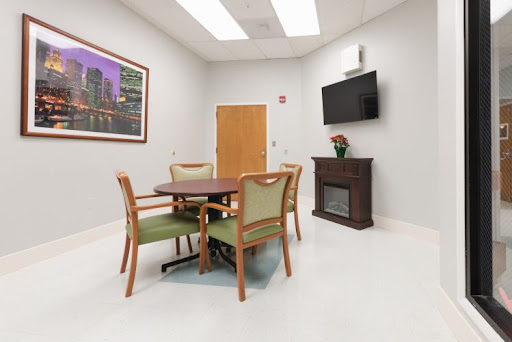
  • Dining

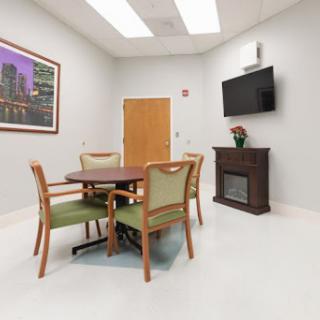
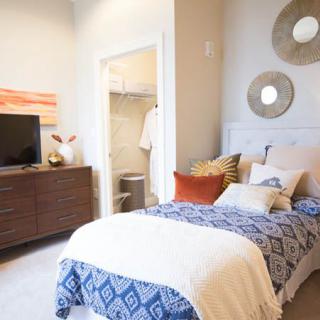
    A modern room featuring a dining table and chairs, complete with a television and artwork on the walls.
  • Landscaping

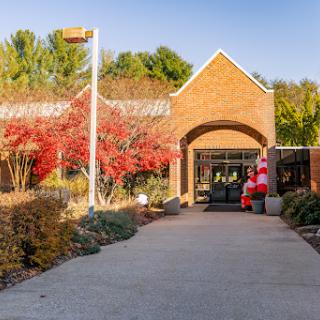
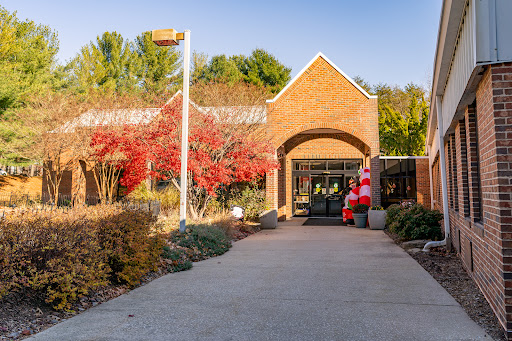
    A festive entrance adorned with autumn foliage and a cheerful Santa Claus figure.
  • Garden

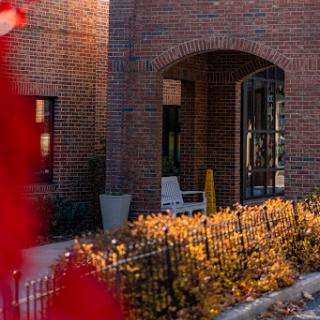
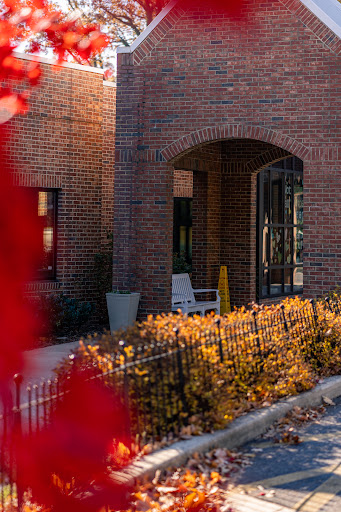
    A cozy entrance surrounded by autumn foliage and brick architecture.
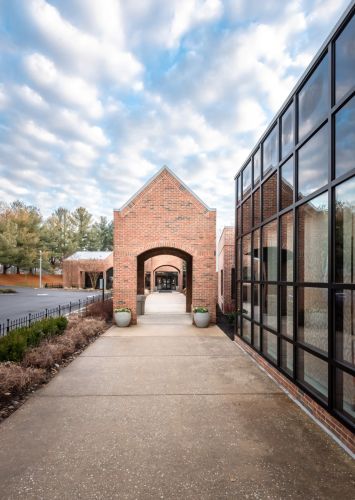
  • Outdoor

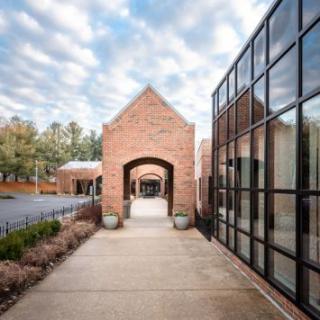
    A serene pathway framed by brick architecture and modern glass facades.
  • Pathway

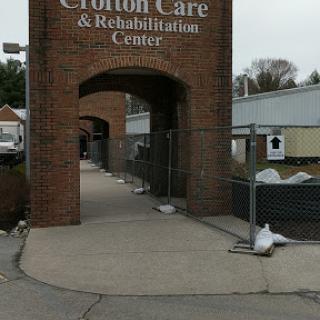
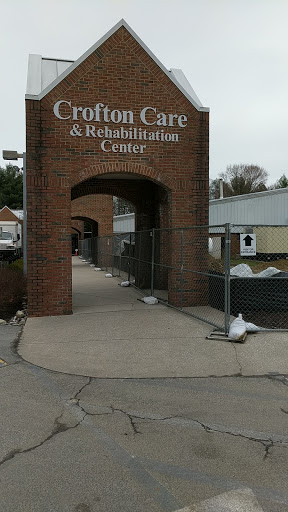
    Entrance to Cronton Care & Rehabilitation Center.
  • Nature

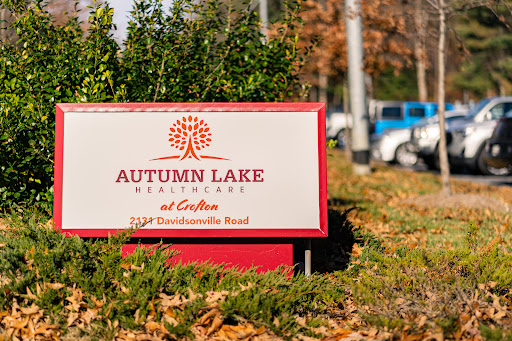
    A welcoming sign for Autumn Lake, surrounded by greenery and an autumn backdrop.
  • Parking

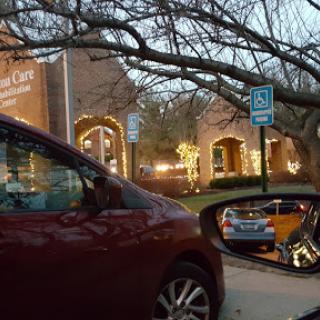
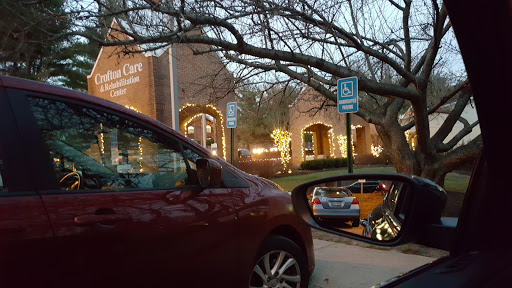
    A red car parked in a lot, reflecting on the side mirror, with a brightly lit building and tree branches visible in the evening.

Crofton Convalescent Center in Crofton, MD

Information last verified:

2131 Davidsonville Road, Crofton, MD 21114

For more information about senior living options: (844) 490-3973

4.5 from 120 reviews
5 stars
94
4 stars
12
3 stars
2
2 stars
3
1 stars
9

Seniors.FYI Elite Community Awards

Top 5% Senior Living Community in 2026

Add this award to your website

Crofton Convalescent Center Costs & Pricing

At Crofton Convalescent Center, the monthly costs for care reflect a balanced approach to meeting residents' needs while remaining competitive within the regional landscape. For private rooms, the center charges $3,832, which is notably lower than the average rates in Anne Arundel County ($4,162) and statewide Maryland ($4,112). This pricing positions Crofton as an attractive option for individuals seeking personalized accommodations. In contrast, the cost for semi-private rooms at Crofton stands at $6,000; however, this is higher than both county averages ($4,109) and state figures ($3,545). This disparity highlights a potential focus on enhanced services or amenities provided in semi-private settings at Crofton. Overall, these costs indicate a commitment to quality care while offering options that may suit various financial considerations among prospective residents and their families.

Floor plansCrofton Convalescent CenterAnne Arundel CountyMaryland
Private$3,832$4,162$4,112
Semi-Private$6,000$4,109$3,545

Overall Review of Crofton Convalescent Center

Pros

  • pro The facility is very nice and provides good care.
  • pro Michael was wonderful; he was caring and attentive.
  • pro The staff and volunteers at Autumn Lake work with clients and with each other as a close-knit family.
  • pro The care support team has been very responsive and supportive.
  • pro Autumn Lake has professional teams that provide personalized care.
  • pro A 96-year-old resident felt wonderfully celebrated on her birthday, thanks to the staff.
  • pro The facility is neat and clean, and the staff are always pleasant.
  • pro The staff are great.
  • pro Nurses Laura and Megti are superb.
  • pro The evening staff were excellent; they explained what they were doing, were attentive, and showed they cared.
  • pro The facility is clean, and medical professionals routinely check on residents.
  • pro The facility is well staffed and attentive to residents.

Cons

  • pro The facility is described as the absolute worst place and should be shut down.
  • pro The staff has no empathy for the residents.
  • pro They are quick to take money but offer no real help to improve residents’ health.
  • pro The director of nursing was terrible and had the worst attitude.
  • pro Nurses were not compassionate and disregarded residents when something was wrong; some were rude and disrespectful.
  • pro The food was cold and unpleasant.
  • pro The care was horrible; management is not helpful; staff is unavailable.
  • pro Residents developed bedsores and diaper rash from not being repositioned or changed, and teeth were not brushed or showers not given.
  • pro The activities director could not be located and attempts to contact them were unsuccessful.

Review

This community is best suited for families seeking a warm, socially engaged environment that excels in short-term rehabilitation and convalescent care, with staff who demonstrate genuine kindness and attentiveness. The facility often feels clean, welcoming, and people-centered, with a notable emphasis on activities, celebrations, and community involvement that can help residents feel connected and valued during recovery. It stands out for families that want visible staff-patient interaction, consistent front-desk friendliness, and a rehabilitative mindset where daily progress and personal milestones are acknowledged. For someone who prioritizes a vibrant, people-focused atmosphere and a recovery-friendly vibe, this is a strong contender. However, for residents whose primary need is unwavering, highly consistent medical oversight and long-term chronic care management, there are clear reasons to explore alternatives.

Alternatives should be strongly considered for those who require rock-solid reliability in medical direction and consistent staffing around the clock. Several reviews flag high turnover since the Autumn Lake acquisition and point to uneven communication among teams, with experiences ranging from well-coordinated rehab to neglectful or unresponsive care on some shifts. Long-term residents appear more vulnerable to lapses in attention, with anecdotes about bedsores, delayed toiletries, missed or late medications, and insufficient daily monitoring. For families who cannot tolerate inconsistent caregiving, or who demand rigorous discharge planning and post-hospitalization coordination, a facility with steadier leadership and documented, uniform practices may be the safer choice. In short, this community rewards advocacy and engagement; for those seeking a hands-off, uniformly high-stability long-term environment, alternatives are worth serious consideration.

The strongest positives lie in staff warmth, cleanliness, and the rehab culture. Visitors and families repeatedly note pleasant, courteous front-desk service, nurses who are described as superb or excellent, and therapy teams that push for progress. The environment often feels well maintained, with clean rooms and shared spaces, and there are frequent reminders of a robust activity slate, spiritual programming, and community outreach that uplift residents. Several families credit specific caregivers and therapy staff withmaking meaningful differences in recovery, and photos of celebratory moments, birthdays, milestones, even church services, underscore a philosophy of person-centered care. In rehab scenarios, those elements can translate into tangible gains: improved mobility, better independence, and heightened morale, which in turn support overall well-being and shorter hospital-readmission cycles.

Where the balance tilts against the strongest positives are the documented inconsistencies and the heavier notes about long-term care. Reports range from “very caring and responsive” to “staff hidden or inattentive,” with accounts of overwhelmed aides, insufficient checks on patient comfort, and difficulty obtaining timely assistance. Some families describe discharge experiences lacking preparation, with minimal home-care guidance or medical documentation transferred to the primary physician. The most troubling entries describe wound care concerns, untreated bedsores, cold or unappealing meals, and a perception that financial considerations dominate at times over genuine patient needs. The contrast between rehab excellence and long-term neglect feels stark in several reviews, suggesting a system where short-stay recovery can shine but ongoing, chronic-care management remains variable.

These trade-offs matter when weighing the overall value proposition. The rehab-focused strengths, competent therapists, attentive nurses, a clean, inviting environment, and engaging programming, can offset many day-to-day frustrations for residents who are actively recovering and who benefit from a lively, supportive milieu. Families report that well-led teams and consistent communication from certain staff members make a real difference in perceived quality of care. Yet the array of negative experiences cannot be dismissed, especially for those whose loved ones require steady, predictable caregiving, timely medication administration, and proactive, proactive discharge planning after a hospital stay. The facility delivers on warmth and activity, but it struggles with consistency and long-term care stability in spots.

Practical next steps for families evaluating this community are concrete. First, verify who currently leads the team, including the activities director, and obtain direct contact information for ongoing coordination. Ask for recent staffing ratios by shift, and request to speak with the nurse manager about typical response times and care planning practices. Probe long-term vs rehab differentiation: how is care coordinated as a resident transitions from short-term rehab to a longer stay, and how are concerns escalated when problems arise? Review recent incident patterns and request a tour during multiple times of day to observe how staff respond to calls, meals, and mobility assistance. Finally, assess whether the culture you witness aligns with your loved one’s needs: if warmth, engagement, and visible progress matter most, Crofton Convalescent Center, Autumn Lake Crofton, offers substantial value; if unwavering consistency, transparent discharge planning, and uniformly high long-term care standards are non-negotiable, alternatives may yield a more predictable experience.

Features

Housing

  • 180 resident community capacity 180 resident community capacity

Types of Care

  • Skilled Nursing Facility Skilled Nursing FacilitySkilled Nursing Facilities are crucial for seniors as they provide round-the-clock medical care, rehabilitation services, and assistance with daily activities. These facilities ensure that seniors receive the specialized care they need to maintain their health and well-being as they age.

Amenities

  • Air-conditioning Air-conditioningAir conditioning is important for seniors as they are more vulnerable to heat-related illnesses and may have underlying health conditions that make it difficult for them to regulate their body temperature. It helps to keep them comfortable, safe, and healthy in hot weather.
  • Beauty salon Beauty salonBeauty salons are important for seniors because they provide a space for them to feel pampered, socialize, and maintain their personal grooming and hygiene. Regular visits to a beauty salon can help boost seniors' self-esteem and overall well-being.
  • Cable or satellite TV Cable or satellite TVCable or satellite TV is important for seniors because it provides entertainment, news, and companionship, helping to combat loneliness and boredom. It also offers a wide range of programming options tailored to different interests and preferences.
  • Computer center Computer centerA computer center is essential for seniors as it provides access to technology, communication tools, and resources that can enhance their daily lives. It allows them to stay connected with loved ones, engage in online activities, and learn new skills, ultimately promoting socialization and mental stimulation.
  • Dining room Dining roomDining rooms are important for seniors as they provide a space for socialization, connection, and nutritious meals. They offer opportunities for residents to bond over shared meals, foster a sense of community, and promote healthy eating habits. Dining rooms also ensure that seniors have access to well-balanced meals tailored to their dietary needs and preferences.
  • Fitness room Fitness roomHaving a fitness room in a senior living community is essential for seniors to stay active, maintain their physical health, and improve their overall well-being. Regular exercise can help prevent falls, reduce the risk of chronic diseases, and promote mental sharpness. It also provides social opportunities for residents to connect with others and enjoy a sense of community.
  • Fully furnished Fully furnishedFully furnished senior living communities are important for seniors because they provide convenience, comfort, and a hassle-free moving experience. Seniors can easily settle into their new living space without the stress of having to buy and move furniture. This allows them to focus on enjoying their new home and community.
  • Gaming room Gaming roomGaming rooms are important for seniors as they provide a fun and engaging environment for socializing, cognitive stimulation, and physical activity. Games can improve memory, problem-solving skills, and overall mental well-being while fostering friendships and reducing feelings of isolation.
  • Garden GardenGardens are important for seniors as they provide a peaceful and therapeutic environment for relaxation, physical activity, and socialization. Being in nature has been shown to reduce stress, improve mood, and promote overall well-being. Gardens also offer opportunities for seniors to engage in gardening activities, which can improve mobility, flexibility, and cognitive function. Additionally, gardens create a sense of community and connection with others who share a passion for plants and outdoor spaces.
  • Housekeeping services Housekeeping servicesHousekeeping services are important for seniors because they help maintain a clean and safe living environment, promote independence, and reduce the risk of accidents or illnesses. Additionally, having assistance with household chores can alleviate physical strain and allow seniors to focus on other aspects of their well-being.
  • Kitchenette KitchenetteKitchenettes are important for seniors living in senior living communities because they provide the convenience and independence of being able to prepare simple meals and snacks in the comfort of their own living space. This can help promote a sense of autonomy and well-being for seniors, allowing them to maintain some level of control over their dietary choices and daily routines.
  • Move-in coordination Move-in coordinationMove-in coordination is important for seniors because it helps ease the transition into their new living environment. It ensures that all logistics, such as packing, organizing movers, and setting up utilities are taken care of, allowing seniors to focus on settling in and adjusting to their new home. Having a smooth move-in process can alleviate stress and anxiety, making the transition smoother and more enjoyable for seniors.
  • Outdoor space Outdoor spaceOutdoor spaces are important for seniors as they provide opportunities for physical activity, social interaction, exposure to natural light and fresh air, and a sense of connection to nature. Having access to outdoor spaces can improve overall well-being and quality of life for older adults living in senior communities.
  • Private bathrooms Private bathroomsPrivate bathrooms are important for seniors in senior living communities because they provide independence, dignity, and comfort. Having a private bathroom allows seniors to maintain their personal hygiene routines without the need for assistance, promoting a sense of autonomy and privacy. Additionally, private bathrooms help prevent the spread of infections and provide a safe and clean environment for seniors to navigate safely.
  • Restaurant-style dining Restaurant-style diningRestaurant-style dining is important for seniors because it allows them to enjoy delicious, nutritious meals in a social and upscale setting. This enhances their dining experience, promotes healthy eating habits, and fosters socialization with fellow residents, ultimately contributing to their overall well-being and quality of life.
  • Small library Small librarySmall libraries are important for seniors as they provide access to a variety of reading materials, including books, newspapers, and magazines. This can help stimulate their minds, keep them engaged, and provide a sense of community through book clubs and other social activities. Additionally, reading has been shown to improve cognitive function and overall mental well-being in older adults.
  • Telephone TelephoneTelephones are important for seniors as they provide a lifeline for communication with loved ones, emergency services, and healthcare providers. They offer a sense of security and independence, enabling seniors to stay connected and access assistance when needed.
  • Wellness center Wellness centerWellness centers are important for seniors because they offer a variety of programs and services that promote physical, mental, and emotional well-being. These centers provide opportunities for exercise, socialization, education, and relaxation, helping seniors maintain their overall health and quality of life.
  • Wi-Fi/high-speed internet available Wi-Fi/high-speed internet availableWi-Fi/high-speed internet is important for seniors to stay connected with loved ones, access online resources, and participate in virtual activities to combat feelings of loneliness and isolation. It also allows them to easily manage healthcare needs, access entertainment, and engage in lifelong learning opportunities.

Transportation

  • Baltimore-Washington International (11 miles away) Baltimore-Washington International (11 miles away)
  • Ronald Reagan Washington National (22 miles away) Ronald Reagan Washington National (22 miles away)
  • Community operated transportation Community operated transportationCommunity operated transportation is crucial for seniors as it provides them with the means to access essential services, social activities, and medical appointments. It allows seniors to maintain their independence and quality of life by ensuring they can participate in activities outside of their homes. Additionally, community-operated transportation services offer a safe and reliable way for seniors to travel without having to rely on family or friends for assistance.
  • Transportation arrangement Transportation arrangementTransportation arrangements are crucial for seniors as they may face challenges with driving, mobility, or access to public transportation. Having reliable transportation services ensures that seniors can easily attend appointments, social activities, and maintain their independence and quality of life.
  • Transportation arrangement (non-medical) Transportation arrangement (non-medical)Transportation arrangements are essential for seniors as they provide access to essential services, activities, and social interactions outside the home. This service helps maintain independence, mobility, and overall well-being for seniors who may have limited transportation options.
  • Transportation to doctors appointments Transportation to doctors appointmentsTransportation to doctors appointments is crucial for seniors as it ensures they have access to necessary medical care and support, promoting their health and well-being. It allows them to receive timely treatment, monitor existing conditions, and address any new health concerns efficiently. Additionally, transportation services can help seniors maintain their independence and quality of life by enabling them to stay connected with their healthcare providers.

Care Services

  • 12-16 hour nursing 12-16 hour nursing12-16 hour nursing care is crucial for seniors in order to ensure around-the-clock monitoring, timely medication administration, and prompt response to any health concerns or emergencies. This level of care helps to promote the overall well-being and safety of seniors living in senior living communities.
  • 24-hour call system 24-hour call system24-hour call systems are important for seniors because they provide peace of mind and immediate assistance in case of emergencies. This technology ensures that help is always available, promoting safety and security for elderly individuals living alone or in assisted living facilities.
  • 24-hour supervision 24-hour supervision24-hour supervision is important for seniors to ensure their safety, well-being, and access to immediate assistance in case of emergencies or health issues. This constant support provides peace of mind for both seniors and their loved ones, allowing them to age in place with dignity and security.
  • Activities of daily living assistance Activities of daily living assistanceActivities of daily living assistance are important for seniors because they provide essential support with tasks such as eating, bathing, dressing, and mobility. This assistance helps seniors maintain their independence, dignity, and overall quality of life as they age.
  • Assistance with bathing Assistance with bathingAssistance with bathing is crucial for seniors as it helps maintain personal hygiene, prevents infections, and ensures their overall well-being and comfort. It also provides a sense of dignity and independence for seniors who may struggle with this task on their own.
  • Assistance with dressing Assistance with dressingAssistance with dressing is important for seniors because it helps maintain their independence, promotes personal hygiene, prevents accidents and injuries, and improves overall quality of life. This service ensures that seniors can continue to dress comfortably and confidently, despite any physical limitations they may have.
  • Assistance with transfers Assistance with transfersAssistance with transfers is crucial for seniors as it helps prevent falls and injuries, maintains their independence, and ensures they can safely navigate their living environment. It also provides peace of mind for both seniors and their loved ones.
  • Diabetes diet Diabetes dietA diabetes diet is crucial for seniors as it helps manage blood sugar levels, reduce risks of complications, and improve overall health and well-being. By following a balanced and nutritious diet tailored to their specific needs, seniors can better control their diabetes and enhance their quality of life.
  • Meal preparation and service Meal preparation and serviceMeal preparation and service are crucial for seniors as they may have limited mobility or energy to cook nutritious meals. Having access to healthy and convenient food options can ensure they are getting the proper nutrition needed to maintain their overall health and well-being.
  • Medication management Medication managementMedication management is crucial for seniors to ensure they are taking the right medications at the correct dosages and times. This helps prevent adverse drug interactions, reduces the risk of medication errors, and promotes overall health and well-being. Proactive management also allows for adjustments as needed based on changing health conditions or new prescriptions.
  • Mental wellness program Mental wellness programMental wellness programs are essential for seniors as they promote cognitive stimulation, emotional support, and social engagement. These programs help prevent isolation, depression, and cognitive decline, ultimately enhancing the overall quality of life for older adults.
  • Special dietary restrictions Special dietary restrictionsSpecial dietary restrictions are important for seniors because age-related changes in metabolism and health conditions can make it difficult for their bodies to process certain foods. By following a diet tailored to their specific needs, seniors can maintain their overall health and well-being, manage chronic conditions, and reduce the risk of complications such as malnutrition or food interactions with medications.

Dining

  • Diabetes diet Diabetes dietA diabetes diet is crucial for seniors as it helps manage blood sugar levels, reduce risks of complications, and improve overall health and well-being. By following a balanced and nutritious diet tailored to their specific needs, seniors can better control their diabetes and enhance their quality of life.
  • Special dietary restrictions Special dietary restrictionsSpecial dietary restrictions are important for seniors because age-related changes in metabolism and health conditions can make it difficult for their bodies to process certain foods. By following a diet tailored to their specific needs, seniors can maintain their overall health and well-being, manage chronic conditions, and reduce the risk of complications such as malnutrition or food interactions with medications.

Activities

  • Community-sponsored activities Community-sponsored activitiesCommunity-sponsored activities are important for seniors as they provide opportunities for social interaction, mental stimulation, and physical activity. These activities can help improve overall well-being, combat loneliness and isolation, and promote a sense of belonging and purpose among older adults.
  • Concierge services Concierge servicesConcierge services are essential for seniors as they provide assistance with daily tasks and errands, enhance their quality of life by offering convenience and personalized care, and promote a sense of safety and security.
  • Fitness programs Fitness programsFitness programs are crucial for seniors as they help improve strength, flexibility, balance, and overall well-being. Staying active can reduce the risk of chronic diseases, improve mental health, and enhance quality of life in older adults.
  • Planned day trips Planned day tripsPlanned day trips are important for seniors because they offer opportunities for socialization, mental stimulation, and physical activity. They provide a change of scenery and help seniors stay engaged and connected to their community, promoting overall well-being and quality of life.
  • Resident-run activities Resident-run activitiesResident-run activities are important for seniors as they encourage social interaction, creativity, and a sense of autonomy. These activities empower seniors to stay engaged and active in their community while fostering meaningful connections with their peers.
  • Scheduled daily activities Scheduled daily activitiesScheduled daily activities are important for seniors because they provide structure, socialization, mental stimulation, and physical activity. Engaging in regular activities can improve overall well-being and quality of life for seniors living in a community setting.

Description

The Crofton Convalescent Center in Crofton, MD is a vibrant assisted living community that offers a wide range of amenities and care services to meet the unique needs of its residents. The community boasts a warm and inviting atmosphere with fully furnished accommodations and private bathrooms for all residents.

Residents can enjoy various activities and socialize in the gaming room, small library, or outdoor garden. Additionally, there is a fitness room and wellness center available for those who wish to stay active and maintain their physical health. The on-site beauty salon ensures that residents can pamper themselves without leaving the comfort of their home.

The dining experience at Crofton Convalescent Center is exceptional, with restaurant-style dining offering delicious meals prepared by skilled chefs. Special dietary restrictions are also accommodated to meet individual needs.

The care services at this community are designed to promote independence while ensuring the safety and wellbeing of every resident. A 24-hour call system and supervision provide peace of mind, while assistance with daily activities such as bathing, dressing, and transfers is readily available when needed. Medication management and diabetes diets are also provided.

Residents have convenient access to nearby amenities such as cafes, parks, pharmacies, physicians' offices, restaurants, places of worship, and theaters. Community-operated transportation services are available for non-medical needs as well as scheduled transportation for doctor's appointments.

With its comprehensive amenities and attentive care services, the Crofton Convalescent Center offers a comfortable and fulfilling lifestyle for seniors seeking assisted living in Crofton, MD.

Nearby Places of Interest

This part of Crofton, Maryland offers a variety of amenities and services that cater to the needs of seniors. With several places of worship nearby, including St Elizabeth Ann Seton Church and Christian Community Presbyterian Church, residents have access to spiritual guidance and community engagement. The presence of multiple pharmacies such as CVS Pharmacy, Giant Pharmacy, and Walgreens ensures easy access to medications and healthcare products. In terms of dining options, there are popular chains like Chick-Fil-A and McDonald's as well as sit-down restaurants like Mission BBQ and Lures Bar and Grille. For those seeking medical care, there are reputable physicians offices in close proximity such as Nighttime Pediatrics and Johns Hopkins. Additionally, the availability of parks like Piney River Nature Preserve provides opportunities for outdoor activities and relaxation. Hospitals like Anne Arundel Medical Center are also easily accessible for any medical emergencies or specialized care needs. Overall, this area of Crofton provides convenience, comfort, and a sense of community for seniors looking to settle down in a welcoming neighborhood.

Places of Worship

  • St Elizabeth Ann Seton Church (0.5 miles)
  • Christian Community Presbyterian Church (4.1 miles)
  • Heritage Community Church (7.7 miles)

Pharmacies

  • CVS Pharmacy (0.8 miles)
  • Giant Pharmacy (0.8 miles)
  • Wegmans (1.4 miles)
  • Walgreens (1.9 miles)
  • Walgreens (3.3 miles)
  • CVS Pharmacy (4.5 miles)
  • CVS Pharmacy (4.6 miles)

Restaurants

  • Chick-Fil-A (0.9 miles)
  • McDonald's (1 miles)
  • Mission BBQ (1.3 miles)
  • Chick-Fil-A (1.8 miles)
  • Chick-Fil-A (3.7 miles)
  • Lures Bar and Grille (4.4 miles)
  • Bob Evans (4.7 miles)

Cafes

  • Chesapeake Bay Roasting Company (1.1 miles)
  • Panera Bread (1.4 miles)
  • Big Bean (8.3 miles)

Theaters

  • Regal Waugh Chapel & IMAX (1.5 miles)
  • Bow Tie Annapolis Mall 11 (7.5 miles)

Physicians

  • Nighttime Pediatrics (1.6 miles)
  • The Pediatric Group (1.8 miles)
  • Malouf Eye Center (3.7 miles)
  • Johns Hopkins (3.7 miles)
  • Greater Maryland Pain Management (4.8 miles)
  • MyEyeDr (4.8 miles)
  • Johns Hopkins odenton (4.8 miles)

Parks

  • Piney Orchard Nature Preserve (3.8 miles)
  • Allen Pond Park (6.1 miles)
  • Randazzo Softball Park (7.8 miles)

Hospitals

  • Bowie Health Center-Emergency Medical Care (5.6 miles)
  • Kimbrough Ambulatory Care Clinic Main Pharmacy (6.5 miles)
  • Luminis Health Community Clinic Arundel Lodge (7.9 miles)
  • Anne Arundel Medical Center (8.1 miles)

Frequently Asked Questions

How much does it cost to live at Crofton Convalescent Center in Crofton, MD?
Where is Crofton Convalescent Center?
What photos are available for Crofton Convalescent Center in Crofton, Maryland?

Nearby Communities

  • Spring Arbor of Crofton

    Spring Arbor of Crofton

    Crofton, MD

    4.3 from 63 reviews
    $5,895 to $7,400 / month

    pro Caring, professional staff with strong communication and engaging activities in a clean, well-maintained memory-care environment.
  • Household of Angels - Crofton

    Household of Angels - Crofton

    Crofton, MD

    3.3 from 9 reviews
    $2,500 / month

    pro Clean, welcoming atmosphere with friendly staff and pleasant grounds near the hospital.

  • Spring Arbor Of Crofton

    Spring Arbor Of Crofton

    Crofton, MD

    4.1 from 38 reviews
     

    pro Specialized memory care with 24/7 supervision and engaging activities

  • Brightview Crofton Riverwalk

    Brightview Crofton Riverwalk

    Crofton, MD

    4.9 from 104 reviews
     

    pro Modern, clean facility with friendly staff and engaging activities.

  • Arbor Terrace Waugh Chapel

    Arbor Terrace Waugh Chapel

    Gambrills, MD

    4.7 from 91 reviews
     

    pro Specialized memory care with 24/7 supervision and dementia programming.

  • Autumn Meadows VI

    Autumn Meadows VI

    Gambrills, MD

    4.7 from 13 reviews
     

    pro Active residents with professional, caring staff and engaging activities.

  • Arcadia of Crofton II

    Arcadia of Crofton II

    Gambrills, MD

    4.6 from 17 reviews
    $5,000 to $5,400 / month

    pro Warm, caring staff in a home-like setting with personalized spaces and on-site activities.

  • Tribute at Melford

    Tribute at Melford

    Bowie, MD

    4.5 from 108 reviews
    $4,735 to $5,620 / month

    pro Beautiful, hotel-like setting with caring staff and engaging activities, including strong memory care.

  • Riva Terrace VI

    Riva Terrace VI

    Davidsonville, MD

    4 from 3 reviews
    $4,300 / month

    pro Responsive staff and a warm, engaging environment.

Related Resources

  • elderly blood pressure chartComprehensive Guide to Blood Pressure Charts for Older Adults: Understanding Normal and High Readings by Age

    The guide on blood pressure charts for older adults stresses the importance of understanding normal and high blood pressure readings influenced by age, genetics, and lifestyle, while emphasizing regular monitoring and lifestyle modifications to prevent serious health issues. It provides insights into blood pressure categories, dietary recommendations, medication considerations, and the role of caregivers in supporting healthy habits.

  • how to pay for nursing home care with social securityFinancing Long-Term Nursing Home Care Through Social Security: A Thorough Exploration

    The article explores the complexities of using Social Security to finance long-term nursing home care in the U.S., detailing eligibility requirements and misconceptions, while emphasizing that these benefits often do not cover full costs and highlighting the need for strategic financial planning and professional guidance.

  • pneumonia in elderlyEssential Knowledge on Pneumonia in Older Adults
    Pneumonia significantly affects older adults due to weakened immune systems and atypical symptoms that complicate diagnosis, necessitating early detection and tailored treatment. Risk factors include chronic diseases and cognitive impairments, with preventive measures like vaccinations and healthy lifestyles being crucial for reducing risk.