Spring Arbor Of Crofton

Save
Spring Arbor Of Crofton Spring Arbor Of Crofton

Spring Arbor Of Crofton

1495 Riedel Road, Crofton, MD 21114

For more information about senior living options: (844) 490-3973

4.1 from 37 reviews
5 stars
27
4 stars
2
3 stars
0
2 stars
0
1 stars
8

Assisted Living Memory Care

Overall Review of Spring Arbor Of Crofton

Pros

  • pro Spring Arbor is absolutely amazing.
  • pro The staff at Spring Arbor are polite, friendly, and know everyone's name.
  • pro Nurses are on duty 24/7 and manage all medications.
  • pro The facility makes residents feel at home.
  • pro There are numerous activities and monthly outings that keep residents engaged.
  • pro The meals offer choices at each meal and are well received.
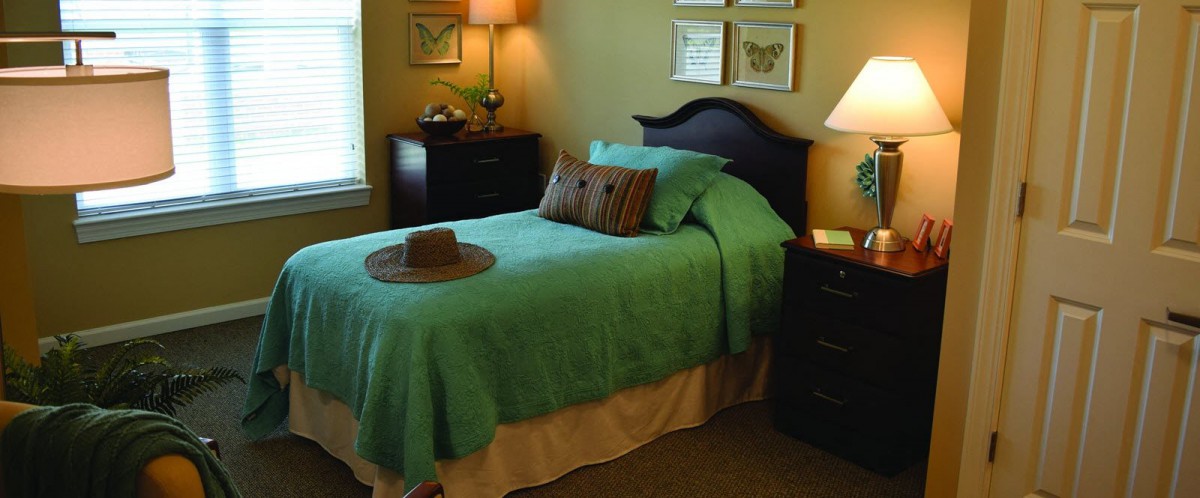
  • pro The apartments are spacious and include a kitchenette.
  • pro The environment is clean, safe, and well maintained.
  • pro Spring Arbor Crofton is a great facility with experienced and caring staff.

Cons

  • pro The management is biased and bans family members from seeing their own loved ones.
  • pro The facility is holding a resident against the family's will due to an illegal power of attorney with a forged signature, and families are banned from visiting.
  • pro The management is toxic and inept, and silences anyone who disagrees, creating a dangerous environment for residents.
  • pro Residents in memory care are left wet for hours or days, with clothes not changed regularly and baths often delayed for up to two weeks.
  • pro The facility is understaffed, with underpaid and undertrained workers, and they cover up patient injuries and employee misconduct, endangering residents.
  • pro The cost is ridiculous and the care is subpar, with money prioritized over residents' health, safety, and welfare.
  • pro They would not recommend sending a loved one to Spring Arbor Crofton or any of its facilities.

Review

Spring Arbor of Crofton is best suited for families seeking a warm, active senior living environment where daily life centers on convenience, engagement, and consistent, attentive care. It works well for residents who value a home-like apartment with real space, regular social programming, and dependable nursing oversight. The community shines for those who want organized meals with choice, nearby outings, transportation support, and a broad menu of activities - from fitness to games to family-oriented events. For families navigating a transition from independent living or early memory-care needs, the combination of assisted living and memory-care options under one roof offers a practical path to stay together as needs evolve, without uprooting the person from familiar surroundings.

There are clear caveats that deserve careful consideration. A subset of reviews raises serious concerns about governance and family access, including claims of visitation restrictions and disputes over legal authority. Those who must see loved ones freely or require transparent, above-board decision-making should examine these governance issues closely and compare them with other communities. In addition, a few posts describe inconsistent experiences around safety, hygiene, and staffing that would matter to families managing complex medical or memory-related needs. While many families praise the care and the staff, these red flags suggest that reliability and governance structures should be verified before committing, especially for residents with advanced dementia or fragile health.

On the balance, the core strengths of Spring Arbor Crofton do substantially offset most typical concerns. The on-site, 24/7 nursing presence and medication management reduce daily anxiety for families who cannot be present around the clock. Large apartment layouts and a clear sense of "home" help residents settle in with familiar furnishings and routines, while a steady stream of activities keeps body and mind engaged. The staff's professionalism and warmth consistently come through in anecdotes about cheerful, respectful care and long-tenured leadership. Seamless transitions from assisted living to memory care, when needed, demonstrate genuine capacity to adapt to changing needs without forcing disruptive moves. Cleanliness and maintenance appear strong in most accounts, further reinforcing a stable living environment.

That said, the most decisive factor for choosing this community will be governance and family access. Prospective families should insist on concrete, verifiable assurances about visitation policies, power-of-attorney recognition, and the process for resolving disputes. Ask to meet the campus director and front-line managers, request recent care plans, and solicit feedback from multiple current residents and families about daily routines, responsiveness, and incident handling. If possible, request a representative to observe care delivery during peak times, review how medication management is documented, and confirm how memory-care residents are supervised during evenings and weekends. These steps help separate consistently strong experiences from isolated problems.

In practical terms, the decision comes down to alignment with priorities. For families prioritizing a caregiver-strong environment, vibrant programming, and the flexibility to shift between assisted living and memory care without relocating, Spring Arbor Crofton delivers substantial value. The atmosphere feels welcoming, with a culture of letting families participate in events and routines, and the dining and activity calendars regularly support social connection and enrichment. However, for those whose watchwords are absolute transparency, zero tolerance for visitation friction, and ironclad safety governance, it is prudent to explore alternatives that present fewer questions about governance and resident rights.

Ultimately, Spring Arbor Crofton stands as a solid, well-regarded option for many seniors and their families, particularly when care needs are moderate and fear of disruption is high. It is not the obvious choice for every family, especially those who must safeguard unfettered family access and iron-clad governance. The decision should hinge on a careful, candid evaluation of the community's leadership reliability, the clarity of visitation and care policies, and the everyday experiences of residents and their families. A well-informed visit, with targeted questions and observable practice, will reveal whether this is the right home or whether another option better matches the essential requirements of safety, transparency, and uninterrupted family involvement.

Features

Housing

  • 100 resident community capacity 100 resident community capacity

Types of Care

  • Assisted Living Assisted LivingAssisted living facilities provide crucial support and care for seniors who may need help with daily tasks such as medication management, bathing, and meal preparation. These communities offer a safe and comfortable environment where seniors can maintain their independence while receiving the assistance they need to thrive in their golden years.
  • Memory Care Memory CareMemory care is crucial for seniors as it provides specialized support and services for individuals with dementia or Alzheimer's disease. These programs offer a safe and secure environment where residents receive personalized care, cognitive stimulation, and help with daily activities. Memory care helps seniors maintain their independence, quality of life, and dignity while also providing peace of mind for their families.

Amenities

  • Air-conditioning Air-conditioningAir conditioning is important for seniors as they are more vulnerable to heat-related illnesses and may have underlying health conditions that make it difficult for them to regulate their body temperature. It helps to keep them comfortable, safe, and healthy in hot weather.
  • Beauty salon Beauty salonBeauty salons are important for seniors because they provide a space for them to feel pampered, socialize, and maintain their personal grooming and hygiene. Regular visits to a beauty salon can help boost seniors' self-esteem and overall well-being.
  • Cable or satellite TV Cable or satellite TVCable or satellite TV is important for seniors because it provides entertainment, news, and companionship, helping to combat loneliness and boredom. It also offers a wide range of programming options tailored to different interests and preferences.
  • Computer center Computer centerA computer center is essential for seniors as it provides access to technology, communication tools, and resources that can enhance their daily lives. It allows them to stay connected with loved ones, engage in online activities, and learn new skills, ultimately promoting socialization and mental stimulation.
  • Dining room Dining roomDining rooms are important for seniors as they provide a space for socialization, connection, and nutritious meals. They offer opportunities for residents to bond over shared meals, foster a sense of community, and promote healthy eating habits. Dining rooms also ensure that seniors have access to well-balanced meals tailored to their dietary needs and preferences.
  • Fitness room Fitness roomHaving a fitness room in a senior living community is essential for seniors to stay active, maintain their physical health, and improve their overall well-being. Regular exercise can help prevent falls, reduce the risk of chronic diseases, and promote mental sharpness. It also provides social opportunities for residents to connect with others and enjoy a sense of community.
  • Fully furnished Fully furnishedFully furnished senior living communities are important for seniors because they provide convenience, comfort, and a hassle-free moving experience. Seniors can easily settle into their new living space without the stress of having to buy and move furniture. This allows them to focus on enjoying their new home and community.
  • Gaming room Gaming roomGaming rooms are important for seniors as they provide a fun and engaging environment for socializing, cognitive stimulation, and physical activity. Games can improve memory, problem-solving skills, and overall mental well-being while fostering friendships and reducing feelings of isolation.
  • Garden GardenGardens are important for seniors as they provide a peaceful and therapeutic environment for relaxation, physical activity, and socialization. Being in nature has been shown to reduce stress, improve mood, and promote overall well-being. Gardens also offer opportunities for seniors to engage in gardening activities, which can improve mobility, flexibility, and cognitive function. Additionally, gardens create a sense of community and connection with others who share a passion for plants and outdoor spaces.
  • Housekeeping services Housekeeping servicesHousekeeping services are important for seniors because they help maintain a clean and safe living environment, promote independence, and reduce the risk of accidents or illnesses. Additionally, having assistance with household chores can alleviate physical strain and allow seniors to focus on other aspects of their well-being.
  • Kitchenette KitchenetteKitchenettes are important for seniors living in senior living communities because they provide the convenience and independence of being able to prepare simple meals and snacks in the comfort of their own living space. This can help promote a sense of autonomy and well-being for seniors, allowing them to maintain some level of control over their dietary choices and daily routines.
  • Move-in coordination Move-in coordinationMove-in coordination is important for seniors because it helps ease the transition into their new living environment. It ensures that all logistics, such as packing, organizing movers, and setting up utilities are taken care of, allowing seniors to focus on settling in and adjusting to their new home. Having a smooth move-in process can alleviate stress and anxiety, making the transition smoother and more enjoyable for seniors.
  • Outdoor space Outdoor spaceOutdoor spaces are important for seniors as they provide opportunities for physical activity, social interaction, exposure to natural light and fresh air, and a sense of connection to nature. Having access to outdoor spaces can improve overall well-being and quality of life for older adults living in senior communities.
  • Private bathrooms Private bathroomsPrivate bathrooms are important for seniors in senior living communities because they provide independence, dignity, and comfort. Having a private bathroom allows seniors to maintain their personal hygiene routines without the need for assistance, promoting a sense of autonomy and privacy. Additionally, private bathrooms help prevent the spread of infections and provide a safe and clean environment for seniors to navigate safely.
  • Restaurant-style dining Restaurant-style diningRestaurant-style dining is important for seniors because it allows them to enjoy delicious, nutritious meals in a social and upscale setting. This enhances their dining experience, promotes healthy eating habits, and fosters socialization with fellow residents, ultimately contributing to their overall well-being and quality of life.
  • Small library Small librarySmall libraries are important for seniors as they provide access to a variety of reading materials, including books, newspapers, and magazines. This can help stimulate their minds, keep them engaged, and provide a sense of community through book clubs and other social activities. Additionally, reading has been shown to improve cognitive function and overall mental well-being in older adults.
  • Telephone TelephoneTelephones are important for seniors as they provide a lifeline for communication with loved ones, emergency services, and healthcare providers. They offer a sense of security and independence, enabling seniors to stay connected and access assistance when needed.
  • Wellness center Wellness centerWellness centers are important for seniors because they offer a variety of programs and services that promote physical, mental, and emotional well-being. These centers provide opportunities for exercise, socialization, education, and relaxation, helping seniors maintain their overall health and quality of life.
  • Wi-Fi/high-speed internet available Wi-Fi/high-speed internet availableWi-Fi/high-speed internet is important for seniors to stay connected with loved ones, access online resources, and participate in virtual activities to combat feelings of loneliness and isolation. It also allows them to easily manage healthcare needs, access entertainment, and engage in lifelong learning opportunities.

Transportation

  • Baltimore-Washington International (11 miles away) Baltimore-Washington International (11 miles away)
  • Ronald Reagan Washington National (23 miles away) Ronald Reagan Washington National (23 miles away)
  • Community operated transportation Community operated transportationCommunity operated transportation is crucial for seniors as it provides them with the means to access essential services, social activities, and medical appointments. It allows seniors to maintain their independence and quality of life by ensuring they can participate in activities outside of their homes. Additionally, community-operated transportation services offer a safe and reliable way for seniors to travel without having to rely on family or friends for assistance.
  • Transportation arrangement Transportation arrangementTransportation arrangements are crucial for seniors as they may face challenges with driving, mobility, or access to public transportation. Having reliable transportation services ensures that seniors can easily attend appointments, social activities, and maintain their independence and quality of life.

Care Services

  • 24-hour call system 24-hour call system24-hour call systems are important for seniors because they provide peace of mind and immediate assistance in case of emergencies. This technology ensures that help is always available, promoting safety and security for elderly individuals living alone or in assisted living facilities.
  • 24-hour supervision 24-hour supervision24-hour supervision is important for seniors to ensure their safety, well-being, and access to immediate assistance in case of emergencies or health issues. This constant support provides peace of mind for both seniors and their loved ones, allowing them to age in place with dignity and security.
  • Activities of daily living assistance Activities of daily living assistanceActivities of daily living assistance are important for seniors because they provide essential support with tasks such as eating, bathing, dressing, and mobility. This assistance helps seniors maintain their independence, dignity, and overall quality of life as they age.
  • Assistance with bathing Assistance with bathingAssistance with bathing is crucial for seniors as it helps maintain personal hygiene, prevents infections, and ensures their overall well-being and comfort. It also provides a sense of dignity and independence for seniors who may struggle with this task on their own.
  • Assistance with dressing Assistance with dressingAssistance with dressing is important for seniors because it helps maintain their independence, promotes personal hygiene, prevents accidents and injuries, and improves overall quality of life. This service ensures that seniors can continue to dress comfortably and confidently, despite any physical limitations they may have.
  • Assistance with transfers Assistance with transfersAssistance with transfers is crucial for seniors as it helps prevent falls and injuries, maintains their independence, and ensures they can safely navigate their living environment. It also provides peace of mind for both seniors and their loved ones.
  • Diabetes diet Diabetes dietA diabetes diet is crucial for seniors as it helps manage blood sugar levels, reduce risks of complications, and improve overall health and well-being. By following a balanced and nutritious diet tailored to their specific needs, seniors can better control their diabetes and enhance their quality of life.
  • Meal preparation and service Meal preparation and serviceMeal preparation and service are crucial for seniors as they may have limited mobility or energy to cook nutritious meals. Having access to healthy and convenient food options can ensure they are getting the proper nutrition needed to maintain their overall health and well-being.
  • Medication management Medication managementMedication management is crucial for seniors to ensure they are taking the right medications at the correct dosages and times. This helps prevent adverse drug interactions, reduces the risk of medication errors, and promotes overall health and well-being. Proactive management also allows for adjustments as needed based on changing health conditions or new prescriptions.
  • Mental wellness program Mental wellness programMental wellness programs are essential for seniors as they promote cognitive stimulation, emotional support, and social engagement. These programs help prevent isolation, depression, and cognitive decline, ultimately enhancing the overall quality of life for older adults.
  • Mild cognitive impairment Mild cognitive impairment"Mild cognitive impairment" is important for seniors because it is an early stage of cognitive decline that can potentially progress to more severe conditions such as dementia. Recognizing and addressing mild cognitive impairment can help seniors receive appropriate care and support to maintain their quality of life and independence for as long as possible.
  • Special dietary restrictions Special dietary restrictionsSpecial dietary restrictions are important for seniors because age-related changes in metabolism and health conditions can make it difficult for their bodies to process certain foods. By following a diet tailored to their specific needs, seniors can maintain their overall health and well-being, manage chronic conditions, and reduce the risk of complications such as malnutrition or food interactions with medications.
  • Specialized memory care programming Specialized memory care programmingSpecialized memory care programming is crucial for seniors with cognitive impairments such as dementia or Alzheimer's disease. These programs provide a safe and supportive environment tailored to the unique needs of individuals with memory loss, helping them maintain their independence, dignity, and quality of life.

Dining

  • Diabetes diet Diabetes dietA diabetes diet is crucial for seniors as it helps manage blood sugar levels, reduce risks of complications, and improve overall health and well-being. By following a balanced and nutritious diet tailored to their specific needs, seniors can better control their diabetes and enhance their quality of life.
  • Special dietary restrictions Special dietary restrictionsSpecial dietary restrictions are important for seniors because age-related changes in metabolism and health conditions can make it difficult for their bodies to process certain foods. By following a diet tailored to their specific needs, seniors can maintain their overall health and well-being, manage chronic conditions, and reduce the risk of complications such as malnutrition or food interactions with medications.

Activities

  • Community-sponsored activities Community-sponsored activitiesCommunity-sponsored activities are important for seniors as they provide opportunities for social interaction, mental stimulation, and physical activity. These activities can help improve overall well-being, combat loneliness and isolation, and promote a sense of belonging and purpose among older adults.
  • Concierge services Concierge servicesConcierge services are essential for seniors as they provide assistance with daily tasks and errands, enhance their quality of life by offering convenience and personalized care, and promote a sense of safety and security.
  • Fitness programs Fitness programsFitness programs are crucial for seniors as they help improve strength, flexibility, balance, and overall well-being. Staying active can reduce the risk of chronic diseases, improve mental health, and enhance quality of life in older adults.
  • Planned day trips Planned day tripsPlanned day trips are important for seniors because they offer opportunities for socialization, mental stimulation, and physical activity. They provide a change of scenery and help seniors stay engaged and connected to their community, promoting overall well-being and quality of life.
  • Resident-run activities Resident-run activitiesResident-run activities are important for seniors as they encourage social interaction, creativity, and a sense of autonomy. These activities empower seniors to stay engaged and active in their community while fostering meaningful connections with their peers.
  • Scheduled daily activities Scheduled daily activitiesScheduled daily activities are important for seniors because they provide structure, socialization, mental stimulation, and physical activity. Engaging in regular activities can improve overall well-being and quality of life for seniors living in a community setting.

Description

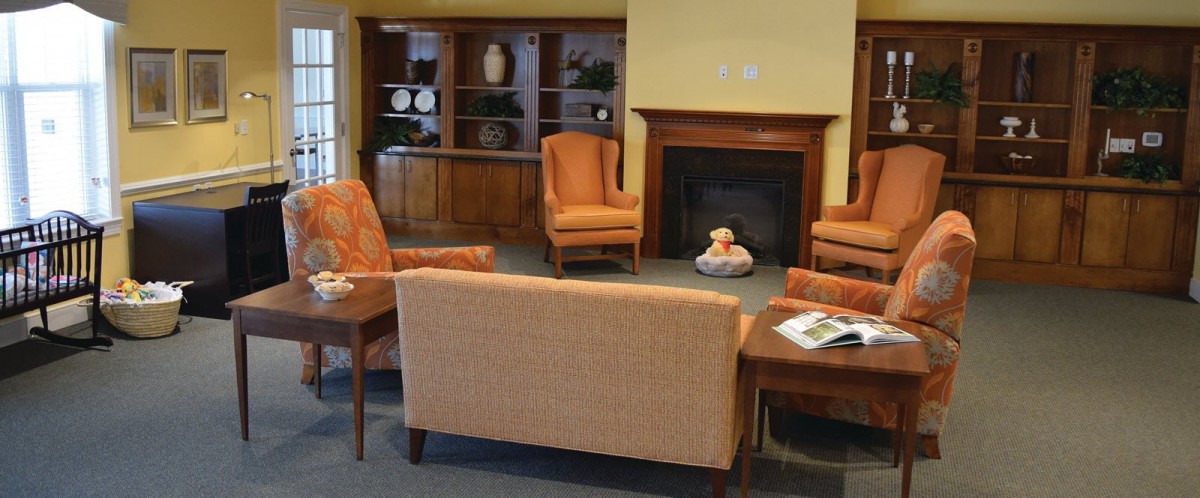
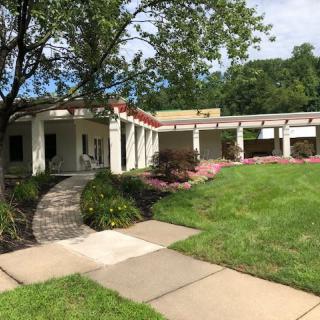
Spring Arbor of Crofton is an assisted living community located in Crofton, MD. With a focus on Memory Care, they provide specialized care for individuals with memory impairments such as Alzheimer's or dementia. The community offers a wide range of amenities to ensure residents live comfortably and enjoyably. These include a beauty salon, cable or satellite TV, community-operated transportation, a computer center, dining room, fitness room, fully furnished accommodations, gaming room, garden, housekeeping services, kitchenette in each unit, move-in coordination assistance, outdoor space, private bathrooms, restaurant-style dining options, a small library, telephone access in each unit and throughout the community, wellness center for health and exercise needs and Wi-Fi/high-speed internet.

The care services at Spring Arbor of Crofton go above and beyond to meet the needs of residents. They provide 24-hour supervision to ensure safety and security at all times. Trained staff are available to assist with activities of daily living such as bathing or dressing. Assistance with transfers is also provided to help residents move around safely within the community. The dedicated team manages medication for residents and offers diabetes diets for those who require it. A mental wellness program is implemented to support emotional well-being and overall cognitive health. Specialized memory care programming is designed specifically for individuals with memory impairments.

Residents can take advantage of various dining options to accommodate special dietary restrictions. The community provides planned activities every day ranging from fitness programs to concierge services and scheduled day trips. In addition to these organized activities residents have the opportunity to engage in resident-run activities allowing them unique opportunities for personal connection within the community.

Located conveniently near cafes,parks , pharmacies , physicians' offices , restaurants , places of worship ,and theaters,everything is easily accessible for residents and their families.

At Spring Arbor of Crofton , residents can enjoy a safe and nurturing environment combined with personalized care and enriching activities.

Nearby Places of Interest

Restaurants

  • Mission BBQ (0.9 miles)
  • Chick-Fil-A (1 miles)
  • Chick-Fil-A (1.1 miles)
  • McDonald's (1.1 miles)
  • Lures Bar and Grille (3.9 miles)
  • McDonald's (4.2 miles)
  • Chick-Fil-A (4.5 miles)

Cafes

  • Panera Bread (0.9 miles)
  • Chesapeake Bay Roasting Company (1.4 miles)
  • Big Bean (7.6 miles)
  • Starbucks (8.3 miles)
  • Panera Bread (8.4 miles)

Physicians

  • Nighttime Pediatrics (1 miles)
  • The Pediatric Group (2.7 miles)
  • Greater Maryland Pain Management (4.1 miles)
  • Johns Hopkins odenton (4.2 miles)
  • Malouf Eye Center (4.5 miles)
  • Johns Hopkins (4.6 miles)
  • Anne Arundel Dermatolo (5.5 miles)

Pharmacies

  • Wegmans (1 miles)
  • Giant Pharmacy (1.1 miles)
  • CVS Pharmacy (1.1 miles)
  • Walgreens (1.2 miles)
  • CVS Pharmacy (3.9 miles)
  • Walgreens (4.1 miles)
  • Walgreens (4.6 miles)

Theaters

  • Regal Waugh Chapel & IMAX (1.1 miles)
  • Bow Tie Annapolis Mall 11 (7.3 miles)

Places of Worship

  • St Elizabeth Ann Seton Church (1.1 miles)
  • Christian Community Presbyterian Church (4.9 miles)
  • Heritage Community Church (6.9 miles)
  • St John the Evangelist Church (8 miles)

Parks

  • Piney Orchard Nature Preserve (3.5 miles)
  • Allen Pond Park (6.9 miles)
  • Randazzo Softball Park (7 miles)

Hospitals

  • Kimbrough Ambulatory Care Clinic Main Pharmacy (6 miles)
  • Bowie Health Center-Emergency Medical Care (6.4 miles)
  • Anne Arundel Medical Center (7.8 miles)
  • Luminis Health Community Clinic Arundel Lodge (7.9 miles)

Frequently Asked Questions

Where is Spring Arbor Of Crofton?
Does Spring Arbor Of Crofton provide care for residents with dementia or Alzheimer's disease?

Nearby Communities

  • Crofton Convalescent Center

    Crofton Convalescent Center

    Crofton, MD

    4.5 from 113 reviews
    $3,832 / month

    pro Clean, bright, and welcoming environment with dedicated staff and effective rehabilitation care.
  • Regency Park Assisted Living Facility

    Regency Park Assisted Living Facility

    Gambrills, MD

    4.2 from 65 reviews
    $5,016 to $6,414 / month

    pro Kind, personalized staff and chef?prepared meals in a clean, homelike setting.

  • Arcadia of Crofton II

    Arcadia of Crofton II

    Gambrills, MD

    4.6 from 16 reviews
    $5,000 to $5,400 / month

    pro Warm, caring staff in a home-like setting with personalized spaces and on-site activities.

  • Spring Arbor of Crofton

    Spring Arbor of Crofton

    Crofton, MD

    4.3 from 63 reviews
    $5,895 to $7,400 / month

    pro Caring, professional staff with strong communication and engaging activities in a clean, well-maintained memory-care environment.

  • Household of Angels - Crofton

    Household of Angels - Crofton

    Crofton, MD

    3.3 from 9 reviews
    $2,500 / month

    pro Clean, welcoming atmosphere with friendly staff and pleasant grounds near the hospital.

  • Arbor Terrace Waugh Chapel

    Arbor Terrace Waugh Chapel

    Gambrills, MD

    4.7 from 83 reviews
     

    pro Specialized memory care with 24/7 supervision and dementia programming.

  • Tribute at Melford

    Tribute at Melford

    Bowie, MD

    4.5 from 101 reviews
    $4,735 to $5,620 / month

    pro Beautiful, hotel-like setting with caring staff and engaging activities, including strong memory care.

  • Riva Terrace VI

    Riva Terrace VI

    Davidsonville, MD

    4 from 3 reviews
    $4,300 / month

    pro Responsive staff and a warm, engaging environment.

  • Rutherford Manor

    Rutherford Manor

    Davidsonville, MD

    4.5 from 27 reviews
    $3,800 to $4,800 / month

    pro Clean, well-maintained facility with caring, attentive staff.

Related Resources

  • caregiver support group22 Remarkable Caregiver Support Groups Available Online and In-Person

    Caregiver support groups are crucial for providing emotional and practical assistance to those caring for loved ones, offering resources, coping strategies, and a sense of community through various organizations and platforms. These groups help alleviate isolation and burnout while addressing the unique challenges faced by caregivers of individuals with specific conditions.

  • does medicaid pay for assisted livingUnderstanding Medicaid Coverage for Assisted Living: A Comprehensive Guide

    The guide outlines the complexities of Medicaid coverage for assisted living, highlighting significant state-to-state variations, limited coverage often restricted to personal care services, and the existence of specialized waivers for certain needs like memory care. It advises families to consult local Medicaid offices for options while emphasizing the importance of understanding state-specific regulations and facility policies.

  • does medicaid pay for assisted livingHow and When Medicaid May Cover Assisted Living Costs
    Medicaid coverage for assisted living varies by state and is primarily available to low-income individuals, with eligibility dependent on strict income and asset limits. Some states offer HCBS waivers for specific services in assisted living, but families must generally cover room and board costs, and should verify facility acceptance of Medicaid while considering potential waiting lists.