Future Care Canton Harbor

Save

  • Interior

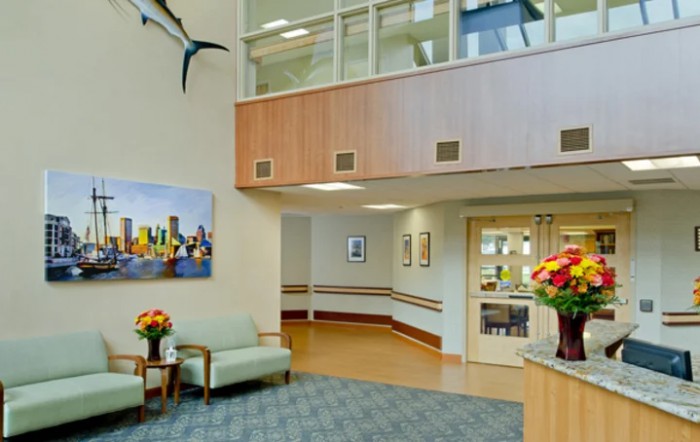
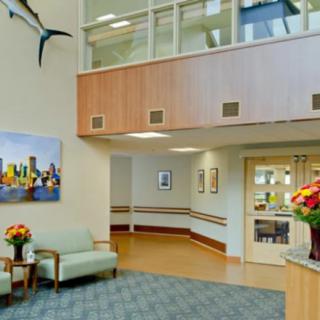
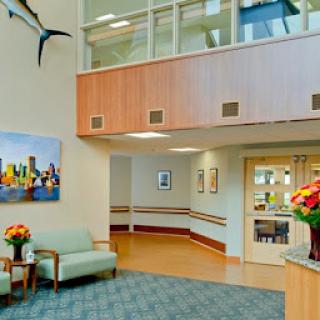
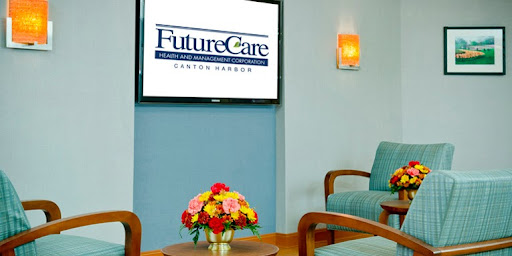
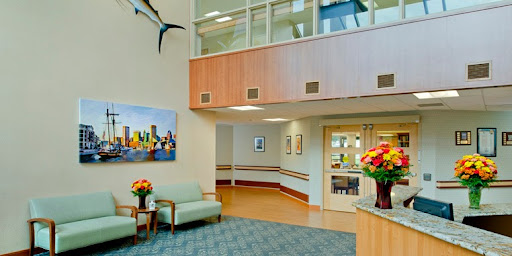
    A well-lit lobby area with comfortable seating, decorative flowers, and artwork on the walls.
  • Outdoors

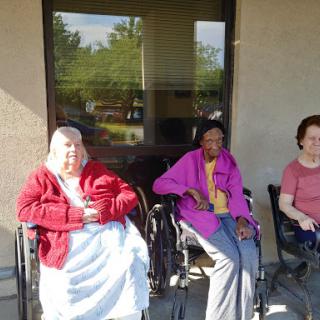
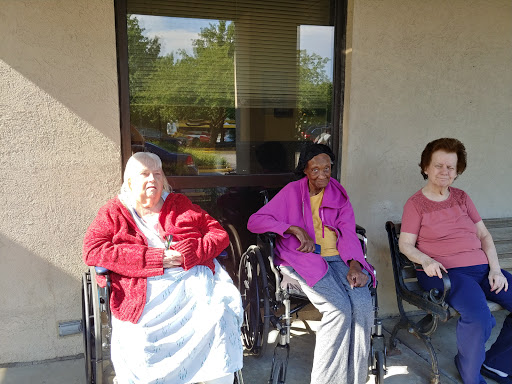
    Three elderly women enjoying a sunny day outdoors in their wheelchairs.
  • Building

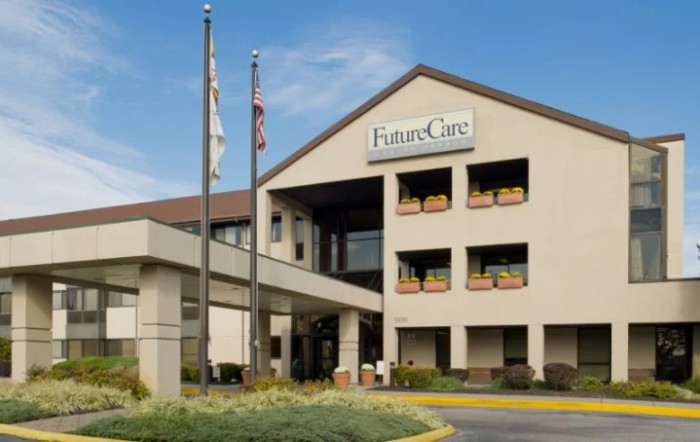
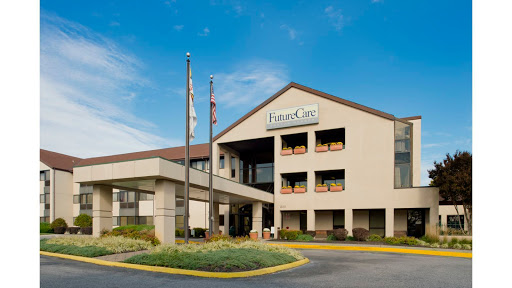
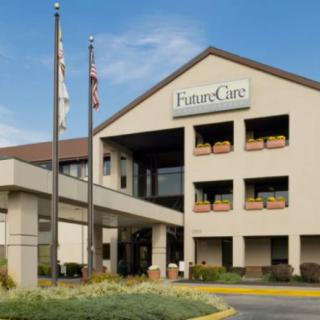
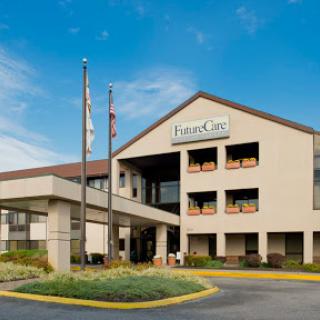
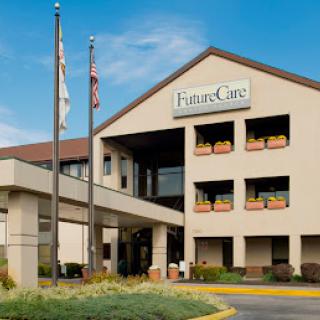
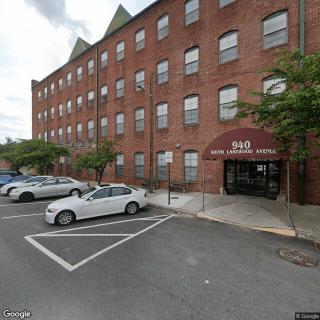
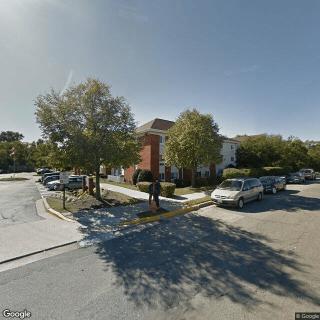
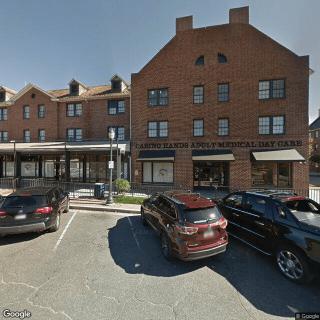
    Exterior view of a healthcare facility with visible flags and signage.
  • Windows

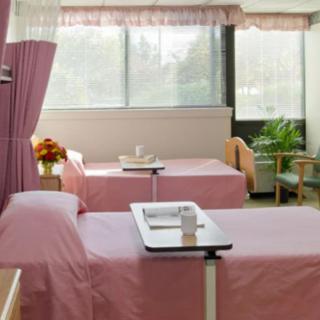
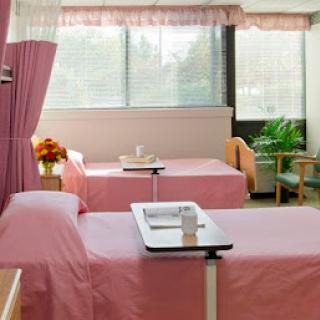
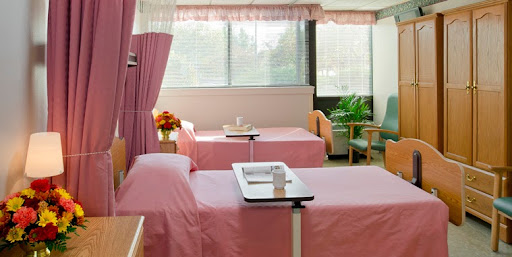
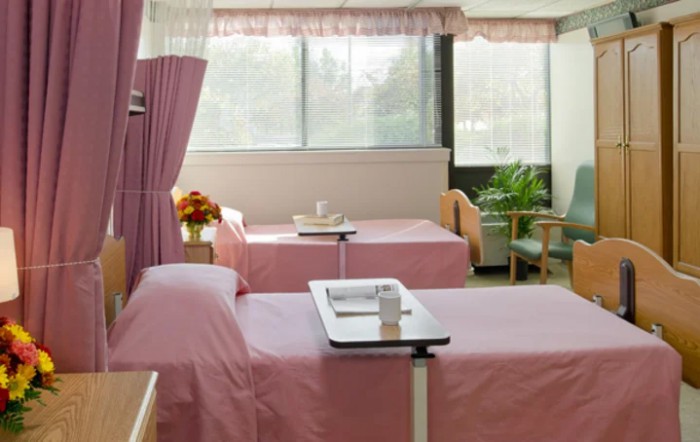
    A hospital room with two patient beds covered in pink linens, separated by a curtain, and brightened by natural light from large windows.
  • Dining

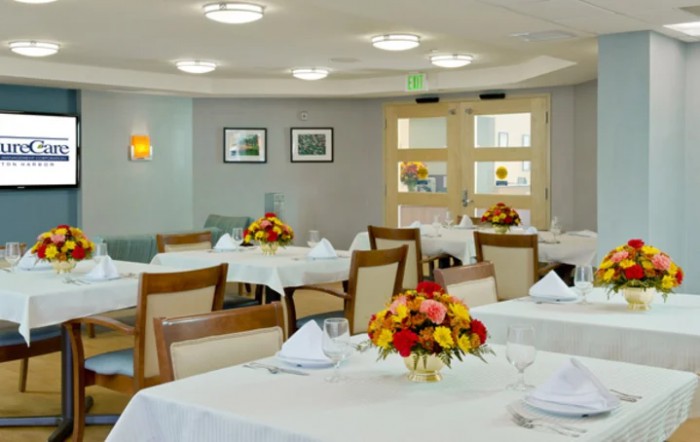
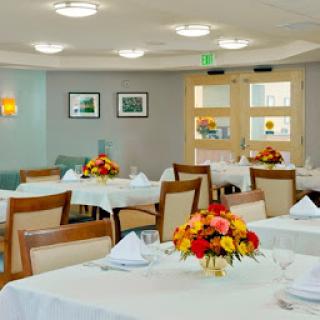
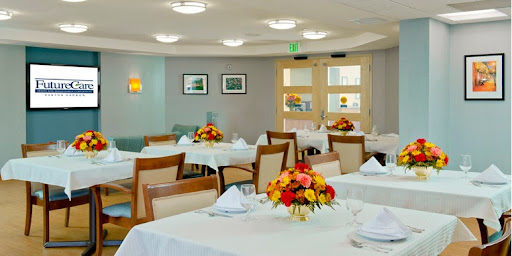
    A well-decorated dining room with neatly arranged tables and floral centerpieces.
  • Landscaping

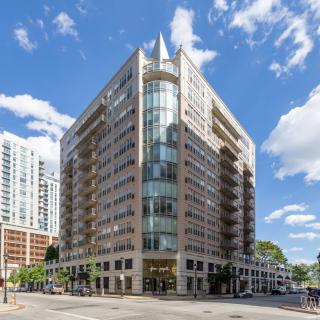
    Exterior view of a hotel with flags and a welcoming entrance.
  • Lighting

    A beautifully arranged dining room with elegantly set tables and vibrant floral centerpieces.
  • Entrance

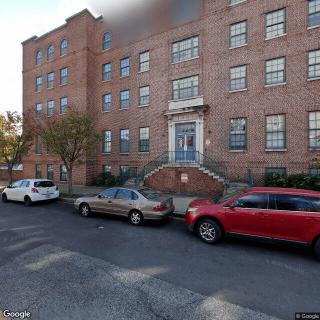
    FutureCare healthcare facility showcasing modern architecture and welcoming entrance.
  • Artwork

    A welcoming hospital lobby featuring comfortable seating, colorful flower arrangements, and modern artwork.
  • Outdoor

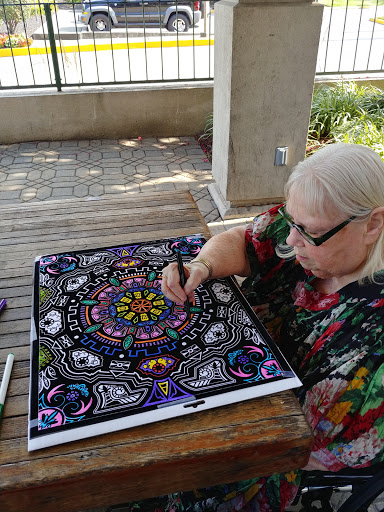
    A woman colors a detailed mandala design outdoors, showcasing her artistic creativity.
  • Television

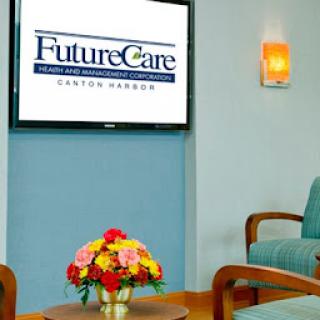
    A modern healthcare waiting room featuring the FutureCare logo displayed on a television, complemented by floral decor.
  • Nature

    A serene balcony adorned with vibrant yellow flowers, overlooking a picturesque autumn landscape.
  • Exercise Equipment

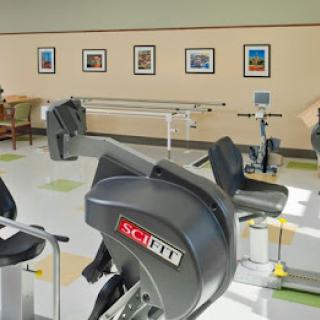
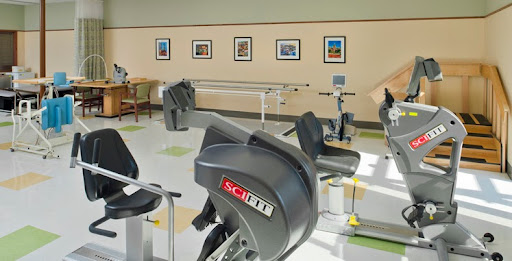
    A well-equipped fitness center featuring various exercise machines and framed photographs on the walls.
  • Healthcare

    A bright and clean hospital patient room with two beds, each equipped with a bedside table.

Future Care Canton Harbor

1300 South Ellwood Avenue, Baltimore, MD 21224

For more information about senior living options: (844) 490-3973

4.3 from 115 reviews
5 stars
79
4 stars
18
3 stars
4
2 stars
3
1 stars
11

Skilled Nursing Facility

What level of care are you interested in?

Assisted Living

Memory Care

Independent Living

Skilled Nursing Facility

Continuing Care Retirement Community (CCRC)CCRC

Other


Request a tour at Future Care Canton Harbor

    Overall Review of Future Care Canton Harbor

    Pros

    • pro The workers were courteous and polite.
    • pro The staff demonstrated good interactions with patients.
    • pro The staff checked in on her often and responded to her care and needs.
    • pro The desk staff were helpful to a first-time visitor.
    • pro Physical therapy was good for her, and the harbor setting was nice.
    • pro The hospitality staff were great, and the customer service skills were excellent.
    • pro The social worker and administrative staff had awesome attitudes and were inviting.
    • pro The setting was beautiful, clean and tidy, with very helpful staff and a pleasant front desk receptionist.
    • pro Everyone at Future Care is very nice, and the front desk staff are always pleasant.
    • pro The staff were excellent and friendly, and the facility smelled nice.
    • pro The place was clean; the family member was cared for properly; the front desk attendant was helpful and personable.
    • pro The patient said they were being taken care of very well and everyone was very helpful.

    Cons

    • pro The facility does not provide quality care and residents are neglected.
    • pro Staff, including nurses and aides, are described as rude and unwilling to do their jobs.
    • pro Call buttons are ignored and staff cannot be found on the floor.
    • pro The facility is chronically short-staffed.
    • pro There is negligence and disrespect toward residents and families.
    • pro Inadequate care led to hospitalization and death of a family member.
    • pro Rooms and facilities are dirty, with sticky floors and bathrooms with feces; maintenance issues like mold and leaks are reported.

    Review

    The experiences people recount about Future Care Canton Harbor are a tapestry of contrasts. On one hand, several visitors note that the staff they encountered were courteous, friendly, and attentive, with meaningful gestures that made a difference in a difficult moment. Phrases like "The workers were very courteous and polite" and "Good staff interaction" surface repeatedly, suggesting that when care teams are available and engaged, residents and their families feel respected and supported. Visitors also describe positive first impressions: a clean, pleasant lobby, a front desk that feels approachable, and a willingness from staff to check in, answer questions, and help navigate the facility. For some families, the experience was marked by small acts of kindness that stood out during stressful times, and there is appreciation for staff who made an effort to be helpful, especially for first-time visitors trying to understand the system.

    There are also numerous accounts that highlight the facility's more favorable aspects of care, particularly in the rehab and recovery phases. Several reviewers praise post-surgical and rehab experiences, noting that staff checked in frequently, responded to needs quickly, and provided supportive care during the patient's physical therapy plan. One reviewer called the setting "beautiful," with the impression that the environment, including a harbor view and clean surroundings, contributed positively to the rehabilitation experience. The rehab portion of care in particular is praised by some families as being compassionate and well-coordinated, with physical therapy described as a valuable part of the recovery journey. In these accounts, the competency of nursing and therapy staff shines through, and families feel reassured that the patient is receiving attentive care during a vulnerable time.

    But the picture is not one-sided. A substantial portion of reviews details persistent struggles with staffing, responsiveness, and overall quality of care. Critics describe the facility as often short-staffed, with call buttons that go unanswered and floors where staff cannot be found when residents need assistance. One reviewer sums up a common sentiment: "If you have a loved one there, keep an eye on their care." The idea of being effectively abandoned by some shifts - especially on weekends - reappears in several narratives, including reports of patients not receiving basic needs like water or timely help with daily tasks. The smell and cleanliness of certain areas also come up as concerns, with some mentions of rooms or floors having unpleasant odors or unsanitary conditions that affect the patient experience.

    Not surprisingly, the most intense critiques focus on specific, troubling episodes that families say reflect deeper systemic issues. There are serious allegations about neglect and unsafe conditions: a patient left in damp or soiled conditions for extended periods, broken equipment, and a roommate's disruptive and even dangerous behavior necessitating police involvement. One account describes a patient lying in wet diapers for more than a day and a half, along with a battery of other problems, from stolen charging cables to moldy ceilings after a leak. Another review recounts a situation where a resident with dementia was threatened, and police were involved, with reporting that staff discouraged formal documentation of the incident. These stories convey a sense of fear and frustration, suggesting that for some families the care environment feels unpredictable and unsafe.

    There are also broader, more systemic complaints that carry through multiple narratives. Some reviewers express that basic daily necessities - hydration, consistent access to hot water, timely bathing, and responsive nursing care - are not reliably provided. In several instances, families recount that weekends were particularly challenging, with patients not getting cups of water or timely assistance, and that the physical environment at times appeared worn or neglected - air quality, leakage, and visible damage on the ceilings or floors were cited as ongoing issues in certain wings. The tone of several reviews shifts from disappointment to outright distrust, with some families indicating that they filed complaints with state agencies and questioning whether their concerns would be addressed by administration.

    Yet, even within these critical accounts, there are pauses of nuance and acknowledgment that care quality can be variable. Some reviewers describe that there are "a few not so good" staff members, but also many who are genuinely caring and capable. A common thread across positive and negative feedback is the importance of being engaged and informed as a family member or loved one, with one reviewer encouraging readers to be active and involved in the patient's daily routine and to raise concerns when needed. In several personal stories, even when parts of the facility fell short, elements of compassionate care - such as a nurse who went the extra mile, a front desk staff member who offered warmth and helpful information, or a physical therapist whose encouragement helped a patient regain mobility - left a lasting positive impression.

    Looking at the whole spectrum, Future Care Canton Harbor emerges as a place of contrasts and contradictions. For some families, it represents a relatively solid option with friendly staff, clean environments, and meaningful rehab services that help patients regain function and dignity. For others, it feels like a place where staffing gaps, mixed reliability, and serious safety concerns undermine confidence and peace of mind. The reviews collectively illustrate how the quality of care in senior facilities can swing based on staffing, floor, and daily operations, and they underscore the importance of vigilance, direct communication with caregivers, and proactive oversight by administrators and family members. In the end, it seems that the facility holds potential positive value for some residents, while for others it raises alarms that warrant careful consideration, ongoing monitoring, and persistent advocacy by those who entrust their loved ones to its care.

    Features

    Housing

    • 160 resident community capacity 160 resident community capacity

    Types of Care

    • Skilled Nursing Facility Skilled Nursing FacilitySkilled Nursing Facilities are crucial for seniors as they provide round-the-clock medical care, rehabilitation services, and assistance with daily activities. These facilities ensure that seniors receive the specialized care they need to maintain their health and well-being as they age.

    Amenities

    • Air-conditioning Air-conditioningAir conditioning is important for seniors as they are more vulnerable to heat-related illnesses and may have underlying health conditions that make it difficult for them to regulate their body temperature. It helps to keep them comfortable, safe, and healthy in hot weather.
    • Beauty salon Beauty salonBeauty salons are important for seniors because they provide a space for them to feel pampered, socialize, and maintain their personal grooming and hygiene. Regular visits to a beauty salon can help boost seniors' self-esteem and overall well-being.
    • Cable or satellite TV Cable or satellite TVCable or satellite TV is important for seniors because it provides entertainment, news, and companionship, helping to combat loneliness and boredom. It also offers a wide range of programming options tailored to different interests and preferences.
    • Computer center Computer centerA computer center is essential for seniors as it provides access to technology, communication tools, and resources that can enhance their daily lives. It allows them to stay connected with loved ones, engage in online activities, and learn new skills, ultimately promoting socialization and mental stimulation.
    • Dining room Dining roomDining rooms are important for seniors as they provide a space for socialization, connection, and nutritious meals. They offer opportunities for residents to bond over shared meals, foster a sense of community, and promote healthy eating habits. Dining rooms also ensure that seniors have access to well-balanced meals tailored to their dietary needs and preferences.
    • Fitness room Fitness roomHaving a fitness room in a senior living community is essential for seniors to stay active, maintain their physical health, and improve their overall well-being. Regular exercise can help prevent falls, reduce the risk of chronic diseases, and promote mental sharpness. It also provides social opportunities for residents to connect with others and enjoy a sense of community.
    • Fully furnished Fully furnishedFully furnished senior living communities are important for seniors because they provide convenience, comfort, and a hassle-free moving experience. Seniors can easily settle into their new living space without the stress of having to buy and move furniture. This allows them to focus on enjoying their new home and community.
    • Gaming room Gaming roomGaming rooms are important for seniors as they provide a fun and engaging environment for socializing, cognitive stimulation, and physical activity. Games can improve memory, problem-solving skills, and overall mental well-being while fostering friendships and reducing feelings of isolation.
    • Garden GardenGardens are important for seniors as they provide a peaceful and therapeutic environment for relaxation, physical activity, and socialization. Being in nature has been shown to reduce stress, improve mood, and promote overall well-being. Gardens also offer opportunities for seniors to engage in gardening activities, which can improve mobility, flexibility, and cognitive function. Additionally, gardens create a sense of community and connection with others who share a passion for plants and outdoor spaces.
    • Housekeeping services Housekeeping servicesHousekeeping services are important for seniors because they help maintain a clean and safe living environment, promote independence, and reduce the risk of accidents or illnesses. Additionally, having assistance with household chores can alleviate physical strain and allow seniors to focus on other aspects of their well-being.
    • Kitchenette KitchenetteKitchenettes are important for seniors living in senior living communities because they provide the convenience and independence of being able to prepare simple meals and snacks in the comfort of their own living space. This can help promote a sense of autonomy and well-being for seniors, allowing them to maintain some level of control over their dietary choices and daily routines.
    • Move-in coordination Move-in coordinationMove-in coordination is important for seniors because it helps ease the transition into their new living environment. It ensures that all logistics, such as packing, organizing movers, and setting up utilities are taken care of, allowing seniors to focus on settling in and adjusting to their new home. Having a smooth move-in process can alleviate stress and anxiety, making the transition smoother and more enjoyable for seniors.
    • Outdoor space Outdoor spaceOutdoor spaces are important for seniors as they provide opportunities for physical activity, social interaction, exposure to natural light and fresh air, and a sense of connection to nature. Having access to outdoor spaces can improve overall well-being and quality of life for older adults living in senior communities.
    • Private bathrooms Private bathroomsPrivate bathrooms are important for seniors in senior living communities because they provide independence, dignity, and comfort. Having a private bathroom allows seniors to maintain their personal hygiene routines without the need for assistance, promoting a sense of autonomy and privacy. Additionally, private bathrooms help prevent the spread of infections and provide a safe and clean environment for seniors to navigate safely.
    • Restaurant-style dining Restaurant-style diningRestaurant-style dining is important for seniors because it allows them to enjoy delicious, nutritious meals in a social and upscale setting. This enhances their dining experience, promotes healthy eating habits, and fosters socialization with fellow residents, ultimately contributing to their overall well-being and quality of life.
    • Small library Small librarySmall libraries are important for seniors as they provide access to a variety of reading materials, including books, newspapers, and magazines. This can help stimulate their minds, keep them engaged, and provide a sense of community through book clubs and other social activities. Additionally, reading has been shown to improve cognitive function and overall mental well-being in older adults.
    • Telephone TelephoneTelephones are important for seniors as they provide a lifeline for communication with loved ones, emergency services, and healthcare providers. They offer a sense of security and independence, enabling seniors to stay connected and access assistance when needed.
    • Wellness center Wellness centerWellness centers are important for seniors because they offer a variety of programs and services that promote physical, mental, and emotional well-being. These centers provide opportunities for exercise, socialization, education, and relaxation, helping seniors maintain their overall health and quality of life.
    • Wi-Fi/high-speed internet available Wi-Fi/high-speed internet availableWi-Fi/high-speed internet is important for seniors to stay connected with loved ones, access online resources, and participate in virtual activities to combat feelings of loneliness and isolation. It also allows them to easily manage healthcare needs, access entertainment, and engage in lifelong learning opportunities.

    Transportation

    • Baltimore-Washington International (9 miles away) Baltimore-Washington International (9 miles away)
    • Community operated transportation Community operated transportationCommunity operated transportation is crucial for seniors as it provides them with the means to access essential services, social activities, and medical appointments. It allows seniors to maintain their independence and quality of life by ensuring they can participate in activities outside of their homes. Additionally, community-operated transportation services offer a safe and reliable way for seniors to travel without having to rely on family or friends for assistance.
    • Transportation arrangement Transportation arrangementTransportation arrangements are crucial for seniors as they may face challenges with driving, mobility, or access to public transportation. Having reliable transportation services ensures that seniors can easily attend appointments, social activities, and maintain their independence and quality of life.
    • Transportation arrangement (non-medical) Transportation arrangement (non-medical)Transportation arrangements are essential for seniors as they provide access to essential services, activities, and social interactions outside the home. This service helps maintain independence, mobility, and overall well-being for seniors who may have limited transportation options.
    • Transportation to doctors appointments Transportation to doctors appointmentsTransportation to doctors appointments is crucial for seniors as it ensures they have access to necessary medical care and support, promoting their health and well-being. It allows them to receive timely treatment, monitor existing conditions, and address any new health concerns efficiently. Additionally, transportation services can help seniors maintain their independence and quality of life by enabling them to stay connected with their healthcare providers.

    Care Services

    • 12-16 hour nursing 12-16 hour nursing12-16 hour nursing care is crucial for seniors in order to ensure around-the-clock monitoring, timely medication administration, and prompt response to any health concerns or emergencies. This level of care helps to promote the overall well-being and safety of seniors living in senior living communities.
    • 24-hour call system 24-hour call system24-hour call systems are important for seniors because they provide peace of mind and immediate assistance in case of emergencies. This technology ensures that help is always available, promoting safety and security for elderly individuals living alone or in assisted living facilities.
    • 24-hour supervision 24-hour supervision24-hour supervision is important for seniors to ensure their safety, well-being, and access to immediate assistance in case of emergencies or health issues. This constant support provides peace of mind for both seniors and their loved ones, allowing them to age in place with dignity and security.
    • Activities of daily living assistance Activities of daily living assistanceActivities of daily living assistance are important for seniors because they provide essential support with tasks such as eating, bathing, dressing, and mobility. This assistance helps seniors maintain their independence, dignity, and overall quality of life as they age.
    • Assistance with bathing Assistance with bathingAssistance with bathing is crucial for seniors as it helps maintain personal hygiene, prevents infections, and ensures their overall well-being and comfort. It also provides a sense of dignity and independence for seniors who may struggle with this task on their own.
    • Assistance with dressing Assistance with dressingAssistance with dressing is important for seniors because it helps maintain their independence, promotes personal hygiene, prevents accidents and injuries, and improves overall quality of life. This service ensures that seniors can continue to dress comfortably and confidently, despite any physical limitations they may have.
    • Assistance with transfers Assistance with transfersAssistance with transfers is crucial for seniors as it helps prevent falls and injuries, maintains their independence, and ensures they can safely navigate their living environment. It also provides peace of mind for both seniors and their loved ones.
    • Diabetes diet Diabetes dietA diabetes diet is crucial for seniors as it helps manage blood sugar levels, reduce risks of complications, and improve overall health and well-being. By following a balanced and nutritious diet tailored to their specific needs, seniors can better control their diabetes and enhance their quality of life.
    • Meal preparation and service Meal preparation and serviceMeal preparation and service are crucial for seniors as they may have limited mobility or energy to cook nutritious meals. Having access to healthy and convenient food options can ensure they are getting the proper nutrition needed to maintain their overall health and well-being.
    • Medication management Medication managementMedication management is crucial for seniors to ensure they are taking the right medications at the correct dosages and times. This helps prevent adverse drug interactions, reduces the risk of medication errors, and promotes overall health and well-being. Proactive management also allows for adjustments as needed based on changing health conditions or new prescriptions.
    • Mental wellness program Mental wellness programMental wellness programs are essential for seniors as they promote cognitive stimulation, emotional support, and social engagement. These programs help prevent isolation, depression, and cognitive decline, ultimately enhancing the overall quality of life for older adults.
    • Special dietary restrictions Special dietary restrictionsSpecial dietary restrictions are important for seniors because age-related changes in metabolism and health conditions can make it difficult for their bodies to process certain foods. By following a diet tailored to their specific needs, seniors can maintain their overall health and well-being, manage chronic conditions, and reduce the risk of complications such as malnutrition or food interactions with medications.

    Dining

    • Diabetes diet Diabetes dietA diabetes diet is crucial for seniors as it helps manage blood sugar levels, reduce risks of complications, and improve overall health and well-being. By following a balanced and nutritious diet tailored to their specific needs, seniors can better control their diabetes and enhance their quality of life.
    • Special dietary restrictions Special dietary restrictionsSpecial dietary restrictions are important for seniors because age-related changes in metabolism and health conditions can make it difficult for their bodies to process certain foods. By following a diet tailored to their specific needs, seniors can maintain their overall health and well-being, manage chronic conditions, and reduce the risk of complications such as malnutrition or food interactions with medications.

    Activities

    • Community-sponsored activities Community-sponsored activitiesCommunity-sponsored activities are important for seniors as they provide opportunities for social interaction, mental stimulation, and physical activity. These activities can help improve overall well-being, combat loneliness and isolation, and promote a sense of belonging and purpose among older adults.
    • Concierge services Concierge servicesConcierge services are essential for seniors as they provide assistance with daily tasks and errands, enhance their quality of life by offering convenience and personalized care, and promote a sense of safety and security.
    • Fitness programs Fitness programsFitness programs are crucial for seniors as they help improve strength, flexibility, balance, and overall well-being. Staying active can reduce the risk of chronic diseases, improve mental health, and enhance quality of life in older adults.
    • Planned day trips Planned day tripsPlanned day trips are important for seniors because they offer opportunities for socialization, mental stimulation, and physical activity. They provide a change of scenery and help seniors stay engaged and connected to their community, promoting overall well-being and quality of life.
    • Resident-run activities Resident-run activitiesResident-run activities are important for seniors as they encourage social interaction, creativity, and a sense of autonomy. These activities empower seniors to stay engaged and active in their community while fostering meaningful connections with their peers.
    • Scheduled daily activities Scheduled daily activitiesScheduled daily activities are important for seniors because they provide structure, socialization, mental stimulation, and physical activity. Engaging in regular activities can improve overall well-being and quality of life for seniors living in a community setting.

    Description

    The Future Care Canton Harbor in Baltimore, MD is a vibrant and welcoming assisted living community that offers a wide range of amenities and care services to ensure the comfort and wellbeing of its residents. The community boasts a variety of amenities such as a beauty salon, cable or satellite TV, a computer center, and a gaming room for residents to enjoy. Additionally, there is an on-site fitness room and wellness center to help residents maintain their physical health.

    Residents can look forward to delicious meals served in a restaurant-style dining room, with special dietary restrictions taken into consideration. Housekeeping services are provided to ensure a clean and tidy living environment, and move-in coordination is available to assist new residents in settling comfortably.

    Future Care Canton Harbor also offers various care services, including assistance with activities of daily living such as bathing, dressing, and transfers. The community has 24-hour supervision and a call system for any emergencies that may arise. Medication management is provided to ensure that residents receive their required medications promptly.

    In terms of activities, the community offers concierge services to help residents plan their day-to-day schedules. Fitness programs are available to promote physical fitness, along with planned day trips and resident-run activities that encourage socialization among neighbors. Scheduled daily activities are also organized for the entertainment and engagement of all residents.

    Future Care Canton Harbor enjoys convenient access to essential amenities in the surrounding area. There are numerous cafes, parks, pharmacies, physicians' offices, restaurants for dining options nearby within close proximity. Transportation arrangement is available both for non-medical purposes as well as transportation to doctors' appointments.

    Overall, Future Care Canton Harbor provides senior residents with a comfortable and enriching lifestyle through its comprehensive range of amenities and care services while being situated in a location that allows easy access to essential facilities within the local community.

    Videos

    Nearby Places of Interest

    This part of Baltimore, Maryland offers a convenient and diverse range of amenities for seniors looking to settle in the area. With multiple parks nearby such as Canton Waterfront Park, Patterson Park, and Federal Hill Park, there are plenty of opportunities for outdoor recreation and relaxation. Additionally, there are several restaurants and cafes within walking distance offering a variety of dining options. The area also provides easy access to pharmacies, hospitals, and physicians for any healthcare needs. Public transportation is available with Penn Station just a short distance away, making it easy to get around the city. For those seeking spiritual fulfillment, Calvary Baptist Church is located within close proximity. Overall, this neighborhood provides a blend of urban convenience and natural beauty that may appeal to seniors looking for a vibrant community to call home.

    Parks

    • Canton Waterfront Park (0.1 miles)
    • Patterson Park Annex (0.7 miles)
    • Patterson Park (0.8 miles)
    • Fort McHenry National Monument and Historic Shrine (1.1 miles)
    • Harbor Point Central Plaza (1.4 miles)
    • Federal Hill Park (1.9 miles)
    • Rash Field (2 miles)

    Restaurants

    • Claddagh Pub (0.2 miles)
    • Towson Hot Bagels (0.3 miles)
    • Pizza Hut (0.4 miles)
    • Chick-Fil-A (0.5 miles)
    • Mayuree Thai Tavern (0.8 miles)
    • Sally O's (0.8 miles)
    • Samos Restaurant (1 miles)

    Cafes

    • Panera Bread (0.4 miles)
    • Starbucks (0.4 miles)
    • Starbucks (0.4 miles)
    • Pitango Bakery + Cafe (1 miles)
    • Starbucks (1.4 miles)
    • Starbucks (1.6 miles)
    • Dooby's (2.7 miles)

    Pharmacies

    • Rite Aid (0.4 miles)
    • Walgreens (0.8 miles)
    • CVS Pharmacy (1.4 miles)
    • CVS Pharmacy (1.5 miles)
    • CVS Pharmacy (2 miles)
    • CVS Pharmacy (2.2 miles)
    • Walgreens (2.4 miles)

    Hospitals

    • The Charlotte R. Bloomberg Children's Center at Johns Hopkins Hospital (1.6 miles)
    • Osler Bulding (1.7 miles)
    • Johns Hopkins Outpatient Pharmacy (1.7 miles)
    • Kennedy Krieger Institute (1.8 miles)
    • University of Maryland Medical Center (2.8 miles)
    • Baltimore VA Medical Center (2.9 miles)
    • UMMC Midtown Campus (3 miles)

    Physicians

    • 301 Building at Johns Hopkins Bayview Medical Center (1.7 miles)
    • Jai Medical Center (2 miles)
    • Bmore Health (2.2 miles)
    • East Baltimore Medical Center (2.3 miles)
    • University Health Center (2.7 miles)
    • Wozniak Marcella University of Maryland Medical Center Neurology (2.7 miles)
    • University of Maryland Medical Center Midtown Professional Building (3 miles)

    Transportation

    • Penn Station (3.1 miles)

    Places of Worship

    • Calvary Baptist Church (3.1 miles)

    Frequently Asked Questions

    Where is Future Care Canton Harbor?
    What photos are available for Future Care Canton Harbor in Baltimore, Maryland?

    Nearby Communities

    Related Resources

    • how to pay for nursing home care with social securityFinancing Long-Term Nursing Home Care Through Social Security: A Thorough Exploration

      The article explores the complexities of using Social Security to finance long-term nursing home care in the U.S., detailing eligibility requirements and misconceptions, while emphasizing that these benefits often do not cover full costs and highlighting the need for strategic financial planning and professional guidance.

    • pneumonia in elderlyEssential Knowledge on Pneumonia in Older Adults

      Pneumonia significantly affects older adults due to weakened immune systems and atypical symptoms that complicate diagnosis, necessitating early detection and tailored treatment. Risk factors include chronic diseases and cognitive impairments, with preventive measures like vaccinations and healthy lifestyles being crucial for reducing risk.

    • palliative care at homeExploring Palliative Care in the Home: A Comprehensive Overview
      Palliative care enhances the quality of life for seriously ill patients by providing comprehensive support at home through a multidisciplinary team, addressing various needs and prioritizing comfort over curative treatments. While it offers personalized care and involves family in decision-making, challenges like caregiver stress and logistical issues persist, with growing demand prompting advancements in technology and healthcare policies to improve access.


    Get Pricing Ask A Question Schedule A Tour Contact Senior Advisor