For more information about senior living options: (844) 490-3973
Assisted LivingRespite Care
St John's Community Costs & Pricing
St. John's Community offers a range of accommodations that reflect competitive pricing compared to both Baltimore City and the broader Maryland area. For semi-private rooms, the monthly cost of $3,360 is slightly above the city average of $3,116 but remains lower than the state average of $3,545. Moving to studio apartments, St. John's pricing at $4,230 is marginally higher than Baltimore's $4,060 and notably lower than Maryland's statewide average of $4,656. Private rooms are similarly priced at $4,740 - a figure that surpasses Baltimore City's more affordable rate of $3,729 but still aligns closely with the state average of $4,112. Lastly, for one-bedroom units, St. John's rate of $5,400 stands out as significantly higher than both the city price at $3,113 and Maryland's median of $3,904. Overall, while some costs are above local rates in Baltimore City, St. John's Community provides a valuable option for those seeking quality accommodations within a supportive environment.
Floor plans
St John's Community
Baltimore city
Maryland
Semi-Private
$3,360
$3,116
$3,545
Studio
$4,230
$4,060
$4,656
Private
$4,740
$3,729
$4,112
1 Bedroom
$5,400
$3,113
$3,904
What level of care are you interested in?
Assisted Living
Memory Care
Independent Living
Skilled Nursing Facility
Continuing Care Retirement Community (CCRC)CCRC
Other
Who are you looking to provide information for?
Myself
Parent
Spouse
Grandparent
Friend
Other
What is your move timeline?
Immediately
1 - 3 months
3+ months
Unsure
Is there a Monthly Budget Range you're trying to work for?
Over $5,000
$2,000 to $5,000
Under $2,000
Unsure
Almost Done! Who do we have the pleasure of working with today?
Thank you
One of our local senior advisors will contact you shortly.
Request a tour at St John's Community
Features
Housing
32 resident community capacity
Types of Care
Assisted LivingAssisted living facilities provide crucial support and care for seniors who may need help with daily tasks such as medication management, bathing, and meal preparation. These communities offer a safe and comfortable environment where seniors can maintain their independence while receiving the assistance they need to thrive in their golden years.
Respite CareRespite care provides temporary relief for caregivers, allowing them to recharge and attend to their own needs. It also gives seniors the opportunity to socialize, receive professional care, and experience a change of scenery, promoting overall well-being and reducing feelings of isolation.
Amenities
Activities on-siteActivities on-site are important for seniors because they provide opportunities for socialization, mental stimulation, physical activity, and overall well-being. Engaging in activities can help seniors stay active, maintain their independence, and improve their quality of life.
Beauty salonBeauty salons are important for seniors because they provide a space for them to feel pampered, socialize, and maintain their personal grooming and hygiene. Regular visits to a beauty salon can help boost seniors' self-esteem and overall well-being.
Cable or satellite TVCable or satellite TV is important for seniors because it provides entertainment, news, and companionship, helping to combat loneliness and boredom. It also offers a wide range of programming options tailored to different interests and preferences.
Devotional services off-siteDevotional services off-site are important for seniors as they provide spiritual nourishment, social engagement, and a sense of community outside of the senior living facility. This can enhance overall well-being and help combat feelings of isolation and loneliness often experienced by older adults.
Dining roomDining rooms are important for seniors as they provide a space for socialization, connection, and nutritious meals. They offer opportunities for residents to bond over shared meals, foster a sense of community, and promote healthy eating habits. Dining rooms also ensure that seniors have access to well-balanced meals tailored to their dietary needs and preferences.
Fully furnishedFully furnished senior living communities are important for seniors because they provide convenience, comfort, and a hassle-free moving experience. Seniors can easily settle into their new living space without the stress of having to buy and move furniture. This allows them to focus on enjoying their new home and community.
GardenGardens are important for seniors as they provide a peaceful and therapeutic environment for relaxation, physical activity, and socialization. Being in nature has been shown to reduce stress, improve mood, and promote overall well-being. Gardens also offer opportunities for seniors to engage in gardening activities, which can improve mobility, flexibility, and cognitive function. Additionally, gardens create a sense of community and connection with others who share a passion for plants and outdoor spaces.
Housekeeping servicesHousekeeping services are important for seniors because they help maintain a clean and safe living environment, promote independence, and reduce the risk of accidents or illnesses. Additionally, having assistance with household chores can alleviate physical strain and allow seniors to focus on other aspects of their well-being.
Indoor common areasIndoor common areas are crucial for seniors as they provide a space for socialization, recreation, and community engagement, promoting overall well-being and reducing feelings of isolation and loneliness.
KitchenetteKitchenettes are important for seniors living in senior living communities because they provide the convenience and independence of being able to prepare simple meals and snacks in the comfort of their own living space. This can help promote a sense of autonomy and well-being for seniors, allowing them to maintain some level of control over their dietary choices and daily routines.
Move-in coordinationMove-in coordination is important for seniors because it helps ease the transition into their new living environment. It ensures that all logistics, such as packing, organizing movers, and setting up utilities are taken care of, allowing seniors to focus on settling in and adjusting to their new home. Having a smooth move-in process can alleviate stress and anxiety, making the transition smoother and more enjoyable for seniors.
Outdoor spaceOutdoor spaces are important for seniors as they provide opportunities for physical activity, social interaction, exposure to natural light and fresh air, and a sense of connection to nature. Having access to outdoor spaces can improve overall well-being and quality of life for older adults living in senior communities.
Restaurant-style diningRestaurant-style dining is important for seniors because it allows them to enjoy delicious, nutritious meals in a social and upscale setting. This enhances their dining experience, promotes healthy eating habits, and fosters socialization with fellow residents, ultimately contributing to their overall well-being and quality of life.
Small librarySmall libraries are important for seniors as they provide access to a variety of reading materials, including books, newspapers, and magazines. This can help stimulate their minds, keep them engaged, and provide a sense of community through book clubs and other social activities. Additionally, reading has been shown to improve cognitive function and overall mental well-being in older adults.
TelephoneTelephones are important for seniors as they provide a lifeline for communication with loved ones, emergency services, and healthcare providers. They offer a sense of security and independence, enabling seniors to stay connected and access assistance when needed.
Wi-Fi/high-speed internet availableWi-Fi/high-speed internet is important for seniors to stay connected with loved ones, access online resources, and participate in virtual activities to combat feelings of loneliness and isolation. It also allows them to easily manage healthcare needs, access entertainment, and engage in lifelong learning opportunities.
Transportation
Baltimore-Washington International (9 miles away)
Care Services
24-hour call system24-hour call systems are important for seniors because they provide peace of mind and immediate assistance in case of emergencies. This technology ensures that help is always available, promoting safety and security for elderly individuals living alone or in assisted living facilities.
24-hour supervision24-hour supervision is important for seniors to ensure their safety, well-being, and access to immediate assistance in case of emergencies or health issues. This constant support provides peace of mind for both seniors and their loved ones, allowing them to age in place with dignity and security.
Activities of daily living assistanceActivities of daily living assistance are important for seniors because they provide essential support with tasks such as eating, bathing, dressing, and mobility. This assistance helps seniors maintain their independence, dignity, and overall quality of life as they age.
Ambulatory care"Ambulatory care services provide essential medical support and treatment to seniors without requiring hospitalization, allowing them to maintain their independence and quality of life while managing chronic conditions or receiving routine medical care."
Assistance with bathingAssistance with bathing is crucial for seniors as it helps maintain personal hygiene, prevents infections, and ensures their overall well-being and comfort. It also provides a sense of dignity and independence for seniors who may struggle with this task on their own.
Assistance with dressingAssistance with dressing is important for seniors because it helps maintain their independence, promotes personal hygiene, prevents accidents and injuries, and improves overall quality of life. This service ensures that seniors can continue to dress comfortably and confidently, despite any physical limitations they may have.
Assistance with transfersAssistance with transfers is crucial for seniors as it helps prevent falls and injuries, maintains their independence, and ensures they can safely navigate their living environment. It also provides peace of mind for both seniors and their loved ones.
Diabetes dietA diabetes diet is crucial for seniors as it helps manage blood sugar levels, reduce risks of complications, and improve overall health and well-being. By following a balanced and nutritious diet tailored to their specific needs, seniors can better control their diabetes and enhance their quality of life.
Diabetic careDiabetic care is crucial for seniors as they are more susceptible to developing diabetes due to aging and other health conditions. Proper management of diabetes can help prevent complications such as heart disease, vision loss, and nerve damage, improving the overall quality of life for seniors in senior living communities.
Meal preparation and serviceMeal preparation and service are crucial for seniors as they may have limited mobility or energy to cook nutritious meals. Having access to healthy and convenient food options can ensure they are getting the proper nutrition needed to maintain their overall health and well-being.
Medication managementMedication management is crucial for seniors to ensure they are taking the right medications at the correct dosages and times. This helps prevent adverse drug interactions, reduces the risk of medication errors, and promotes overall health and well-being. Proactive management also allows for adjustments as needed based on changing health conditions or new prescriptions.
Mental wellness programMental wellness programs are essential for seniors as they promote cognitive stimulation, emotional support, and social engagement. These programs help prevent isolation, depression, and cognitive decline, ultimately enhancing the overall quality of life for older adults.
Special dietary restrictionsSpecial dietary restrictions are important for seniors because age-related changes in metabolism and health conditions can make it difficult for their bodies to process certain foods. By following a diet tailored to their specific needs, seniors can maintain their overall health and well-being, manage chronic conditions, and reduce the risk of complications such as malnutrition or food interactions with medications.
Dining
Diabetes dietA diabetes diet is crucial for seniors as it helps manage blood sugar levels, reduce risks of complications, and improve overall health and well-being. By following a balanced and nutritious diet tailored to their specific needs, seniors can better control their diabetes and enhance their quality of life.
Meals provided"Meals provided" are crucial for seniors in assisted living communities as it ensures they have access to nutritious, balanced meals without the stress of meal planning and preparation. This can help promote overall health and well-being for seniors who may have limited mobility or cognitive abilities.
Special dietary restrictionsSpecial dietary restrictions are important for seniors because age-related changes in metabolism and health conditions can make it difficult for their bodies to process certain foods. By following a diet tailored to their specific needs, seniors can maintain their overall health and well-being, manage chronic conditions, and reduce the risk of complications such as malnutrition or food interactions with medications.
Activities
Activities on-siteActivities on-site are important for seniors because they provide opportunities for socialization, mental stimulation, physical activity, and overall well-being. Engaging in activities can help seniors stay active, maintain their independence, and improve their quality of life.
Community-sponsored activitiesCommunity-sponsored activities are important for seniors as they provide opportunities for social interaction, mental stimulation, and physical activity. These activities can help improve overall well-being, combat loneliness and isolation, and promote a sense of belonging and purpose among older adults.
Devotional activities offsiteDevotional activities offsite are important for seniors because they provide social engagement, spiritual growth, and a sense of community outside of their living environment. This can improve overall well-being, mental health, and combat feelings of isolation or loneliness.
Resident-run activitiesResident-run activities are important for seniors as they encourage social interaction, creativity, and a sense of autonomy. These activities empower seniors to stay engaged and active in their community while fostering meaningful connections with their peers.
Scheduled daily activitiesScheduled daily activities are important for seniors because they provide structure, socialization, mental stimulation, and physical activity. Engaging in regular activities can improve overall well-being and quality of life for seniors living in a community setting.
Description
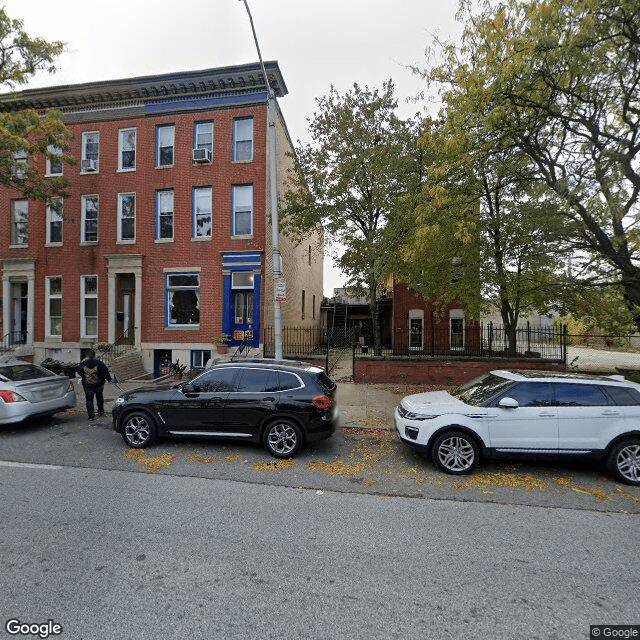
St. John's Community, nestled in the heart of Baltimore, MD, offers a warm and welcoming environment for those seeking assisted living support. This vibrant community is designed to enhance the quality of life for its residents by combining essential care services with a range of amenities.
Residents can benefit from specialized diabetic care, ensuring they receive the attention they need to maintain their health and well-being. The community features inviting indoor common areas where individuals can socialize or relax, fostering a sense of belonging and connection among residents.
Spirituality is an integral part of life at St. John's, with regular devotional activities held off-site to cater to those who wish to engage in reflective practices and enhance their spiritual journey. The surrounding area is rich with opportunities for recreation and socialization, boasting 9 nearby cafes and 27 restaurants that offer diverse dining experiences.
Moreover, nature enthusiasts will appreciate having 7 parks in close proximity, providing serene spaces for walks or outdoor gatherings. Access to healthcare needs is made easy with 21 pharmacies and 8 physicians nearby, alongside 9 hospitals ready to assist if more extensive medical care is necessary.
For those requiring transportation options or wishing to attend places of worship, the community's location conveniently includes 1 transportation service and 1 place of worship close by.
At St. John's Community, residents are not just offered care but also an enriching lifestyle filled with supportive services and engaging activities within a safe and nurturing atmosphere.
Nearby Places of Interest
This area of Baltimore, Maryland offers a convenient and diverse range of amenities for seniors looking to settle in a bustling urban environment. With multiple pharmacies within close proximity, accessing essential medications and healthcare services is easily manageable. Nearby restaurants offer a variety of dining options, catering to different tastes and preferences. Parks provide opportunities for outdoor recreation and relaxation, while hospitals and medical centers ensure access to quality healthcare facilities. Cafes within the area offer cozy spots for socializing or enjoying a quiet cup of coffee. Public transportation is accessible for those who prefer not to drive, with Penn Station providing easy access to other parts of the city. The presence of places of worship like Calvary Baptist Church also caters to spiritual needs within the community. Overall, this area combines convenience, entertainment, and essential services for seniors seeking a vibrant urban lifestyle in Baltimore.
Pharmacies
CVS Pharmacy (0.3 miles)
Rite Aid (0.7 miles)
CVS Pharmacy (1 miles)
Walgreens (1.2 miles)
CVS Pharmacy (1.3 miles)
Walgreens (1.6 miles)
Walgreens (1.7 miles)
Restaurants
Mayuree Thai Tavern (0.4 miles)
Ekiben (0.6 miles)
Barcocina (0.8 miles)
Nando's PERi-PERi (0.9 miles)
Claddagh Pub (0.9 miles)
McDonald's (0.9 miles)
Sally O's (0.9 miles)
Parks
Patterson Park (0.4 miles)
Patterson Park Annex (0.6 miles)
Harbor Point Central Plaza (1 miles)
Canton Waterfront Park (1.2 miles)
Federal Hill Park (1.5 miles)
Rash Field (1.6 miles)
Fort McHenry National Monument and Historic Shrine (2 miles)
Hospitals
The Charlotte R. Bloomberg Children's Center at Johns Hopkins Hospital (0.5 miles)
Osler Bulding (0.6 miles)
Johns Hopkins Outpatient Pharmacy (0.7 miles)
Kennedy Krieger Institute (0.7 miles)
UMMC Midtown Campus (2 miles)
Baltimore VA Medical Center (2.1 miles)
University of Maryland Medical Center (2.1 miles)
Cafes
Pitango Bakery + Cafe (0.7 miles)
Starbucks (0.8 miles)
Starbucks (1 miles)
Panera Bread (1.4 miles)
Starbucks (1.5 miles)
Dooby's (1.7 miles)
Ceremony Coffee Roasters (1.8 miles)
Physicians
Jai Medical Center (1 miles)
East Baltimore Medical Center (1.2 miles)
Bmore Health (1.9 miles)
University Health Center (1.9 miles)
Wozniak Marcella University of Maryland Medical Center Neurology (2 miles)
University of Maryland Medical Center Midtown Professional Building (2 miles)
301 Building at Johns Hopkins Bayview Medical Center (2.1 miles)
St. John's Community offers a range of accommodations that reflect competitive pricing compared to both Baltimore City and the broader Maryland area. For semi-private rooms, the monthly cost of $3,360 is slightly above the city average of $3,116 but remains lower than the state average of $3,545. Moving to studio apartments, St. John's pricing at $4,230 is marginally higher than Baltimore's $4,060 and notably lower than Maryland's statewide average of $4,656. Private rooms are similarly priced at $4,740 - a figure that surpasses Baltimore City's more affordable rate of $3,729 but still aligns closely with the state average of $4,112. Lastly, for one-bedroom units, St. John's rate of $5,400 stands out as significantly higher than both the city price at $3,113 and Maryland's median of $3,904. Overall, while some costs are above local rates in Baltimore City, St. John's Community provides a valuable option for those seeking quality accommodations within a supportive environment.
The article compares assisted living and skilled nursing facilities, detailing their differing levels of assistance, medical support, cost structures, and day-to-day experiences. It emphasizes that assisted living is for those needing help with daily activities while maintaining independence, whereas skilled nursing facilities provide intensive medical care with 24-hour staff supervision.
The transition from assisted living to skilled nursing care is often prompted by complex medical needs that assisted living cannot meet, with key indicators including frequent health declines, increased falls, severe memory issues, and caregiver burnout. Families should recognize these signs early to discuss options with healthcare providers and prepare for the emotional and logistical aspects of moving to a facility that offers comprehensive medical support.
Vibrant Senior Living emphasizes active senior living communities that promote independence and engagement through diverse amenities and activities, fostering wellness and social interaction among older adults. These communities range from independent to assisted living, with a focus on personal growth, family involvement, financial planning, and leveraging technology to enhance residents' experiences.
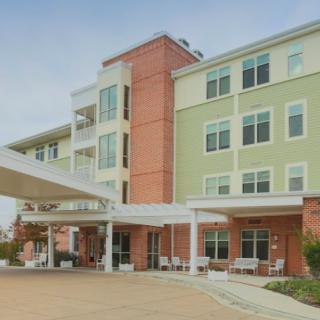
St John's Community photos
×
Get PricingAsk A QuestionSchedule A TourContact Senior Advisor
Thank You!
We'll be in touch soon.
Sun
Mon
Tue
Wed
Thu
Fri
Sat
Morning (between 8am and 12pm)
Afternoon (between 12pm and 3pm)
Late Afternoon (between 3pm and 5pm)
By continuing, you agree to receive text messages and emails related to my inquiry and understand that message & data rates may apply.
Assisted Living
Memory Care
Independent Living
Respite Care
Skilled Nursing Facility
Continuing Care Retirement Community (CCRC)
Adult Communities (55+)
Myself
Parent
Spouse
Grandparent
Friend
Other
Immediately
1 - 3 months
3+ months
Unsure
Over $5,000
$2,000 to $5,000
Under $2,000
By continuing, you agree to receive text messages and emails related to my inquiry and understand that message & data rates may apply.