

1539 Delachaise St, New Orleans, LA 70115
To contact a resident: (504) 895-3953
For more information about senior living options: (866) 208-4318
Overall Review of St Charles Health Care
Cons
 The facility was not clean.
- The first-floor air-conditioning unit was broken.
- A fan had to be brought for her.
- After complaints about the heat, she was moved to the second floor, where the room was extremely cold.
- She did not receive any physical therapy at all.
- She needed round-the-clock care, but staff did not check on her as regularly as desired.
Review
St Charles Health Care in New Orleans is best suited for seniors who require minimal assistance and whose families are prepared to supervise care actively. The lone, difficult review rooted in a nearby facility highlights how quickly fundamental expectations, cleanliness, reliable climate control, consistent rehabilitation services, and attentive daily oversight, can break down. For residents with higher care needs, robust physical therapy, round-the-clock nursing, predictable routines, and prompt staff responses, alternatives are strongly worth pursuing. This is not a setting to rely on for steady rehab progress or dependable, hands-on care without vigilant oversight.
Pros and cons are starkly unbalanced in the documented account. There are no evident positives that counterbalance the significant drawbacks, which means the main risks dominate the decision-making calculus. In practical terms, the absence of clearly reported strengths leaves families with a clear verdict: unless corroborating evidence emerges from a current, verified tour and direct conversations, the negatives appear decisive.
The review foregrounds several critical cons that translate into real, everyday risk for residents. Cleanliness is described as inadequate, raising concerns about infection control and overall living conditions. HVAC reliability is another major issue: a nonfunctional first-floor air conditioning unit forced the family to bring a personal fan, and after complaints, the resident was moved to a second floor where the room was extremely cold. The facility reportedly did not deliver anticipated rehabilitative services for a stroke patient, undermining recovery goals. Most troubling is the sense that round-the-clock oversight was insufficient, with the family noting that regular checks on a higher-need resident did not occur as needed. Taken together, these elements create a risky environment for seniors who require consistent care, monitoring, and therapeutic support.
Given these concerns, families evaluating St Charles Health Care should pursue a rigorous, actionable assessment. During tours, verify ongoing cleanliness and maintenance routines, and request evidence of HVAC service records plus contingency plans for outages or extreme temperatures. Confirm whether physical therapy is offered, its frequency, and whether therapists are available for regular sessions or flexible scheduling aligned with a residentā€™s recovery plan. Probe staffing levels, the structure of daily rounds, nurse call response times, and the presence of a care manager or point person who coordinates medical and rehabilitative needs. Demand access to recent state inspection results and any corrective action plans, and, if possible, speak with current residents and their families about responsiveness and perceived safety. The goal is to see concrete, measurable operations behind the promises.
Alternatives should be actively explored in parallel. Seek communities with a track record of clean facilities, dependable climate control, and clearly defined rehabilitation programs with consistent staffing. Look for higher CMS ratings and recent inspection citations, as well as transparent reporting on staffing ratios and incident responses. Consider different operator models, nonprofit operators, smaller intimate settings, or facilities with specialized rehab or memory care programs, especially if a stable daily routine and prompt care responses are non-negotiables. In all cases, request trial periods or short-term stays with explicit performance guarantees, and ensure a clear escalation plan is in place if needs are not met.
Bottom line: the issues raised by the available review are sufficiently serious to flag this category of communities for heightened scrutiny. If St Charles Health Care remains in consideration, demand a robust care plan with concrete milestones, guaranteed 24/7 oversight, and explicit environmental stability commitments. Require documentation of maintenance protocols, rehabilitation availability, and response times, along with a structured, on-site trial period before a long-term commitment. If any doubts persist after tours, conversations with staff, and review of inspection records, broaden the search and compare multiple options. The choice should balance safety, recovery potential, and reliable daily care, not idealistic promises.
 Skilled Nursing Facility
 New Orleans International (11 miles away)
 24/7 supervision with medication management, restaurant-style dining, and transportation options.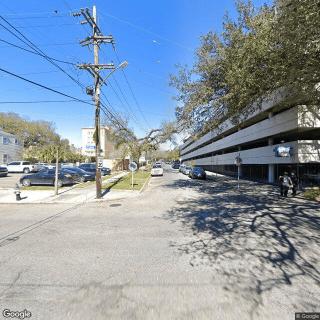




 Navigating the Tax Landscape of Caregiving: Credits, Deductions, and Beyond
 Highly Beneficial Low-Impact Exercises for Senior Living Residents
 Is In-Home Healthcare Tax Deductible? Your Comprehensive Guide