

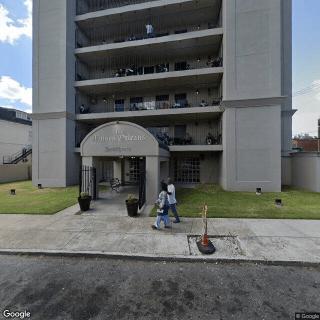
5354 Magazine St, New Orleans, LA 70115
To contact a resident: (504) 897-0535
For more information about senior living options: (866) 208-4318
Overall Review of Poydras Home For Elderly
Pros
 The facility is amazing and delivers high-quality service to residents and their loved ones.
- The staff are compassionate, loving, and patient.
- The admission process is stress-free and welcoming.
- The team provides 24/7 round-the-clock care.
- Visitors feel the love and warmth when they walk in.
- Mrs. Sellie is recognized as the best cook in the world, with meals that nourish the soul.
- Extraordinary care is provided in both assisted living and nursing sections, supported by strong collaboration and clear communication.
- The staff take their time and warmly welcome everyone.
Cons
 The leadership sucks and they don’t have a clue.
- Ten years ago this place had standards, great care and competent nursing; now it’s just a pretty building.
- This is one of the worst nursing homes ever.
- The facility is insanely expensive.
- It is extremely overpriced with questionable food for residents and disingenuous management.
Review
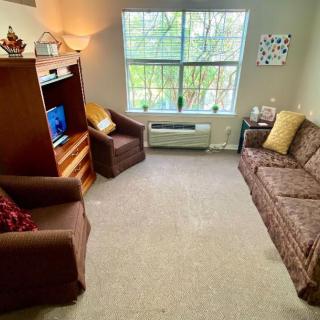
Poydras Home for Elderly is best suited for families who prize a warm, home-like atmosphere with around-the-clock caregiving and day-to-day compassion. It works well for loved ones who want to feel welcomed from the first contact, appreciate a smooth admissions process, and value staff who treat residents with patience, kindness, and genuine warmth. The community also tends to shine in the day-to-day care in both its assisted living and nursing segments, where residents can receive attentive, personal attention and meals that are described as soulful and nourishing. Those who prioritize this emotional and relational aspect of care will find the strengths of this community meaningful and sustaining.
However, several reviewers flag that the decision should hinge on leadership and price considerations. Families who demand consistently strong clinical governance and transparent, predictable pricing may want to compare options carefully. The criticisms point to leadership and management as the primary fulcrums of risk: an impression that standards have declined over time, with fears about competency at the top levels. Add to that concerns about staffing dynamics and compensation, questions about CNA pay and overall staff morale, and the risk becomes less about day-to-day warmth and more about long-term reliability and steadiness in day-to-day operations. For families who want a facility backed by unwavering administrative excellence, alternatives may be worth a closer look.
The strongest practical offset to the positives lies in the daily care culture itself. When leadership aligns with caregivers who deliver consistent, heartfelt service, the care experience can be extraordinary, as several reviews note in both the assisted living and nursing contexts. The 24/7 availability, stress-free admissions, and the sense of being well-supported create a foundation where families can trust that their loved one is being attended to with genuine regard. The kitchen team’s dedication, described as more than just meals, adds a dimension of emotional well-being that supports overall quality of life. In short, the strongest care moments come from a team that remains cohesive and patient-centered, even if leadership dynamics feel unsettled at times.
That said, the main cons cannot be dismissed. The feedback about leadership and management suggests a real risk to consistency and trust in the long run. When the head of the operation is perceived as out of touch or ineffective, it undermines confidence that staff will stay well-supported, trained, and supervised. Add to that concerns about the price: “insanely expensive” and “extremely overpriced” are repeated themes, along with remarks about questionable food quality and a sense that the facility is more about a pretty building than sustained, reliable care. These observations underscore a tension between emotional warmth and systemic value, the kind of tension that makes families pause and compare with other communities that offer clearer governance and better alignment between cost and service.
Families who should explore alternatives are those for whom governance clarity and value transparency are non-negotiable. If a facility’s price reflects more than just comfort and care, and if questions about leadership effectiveness or caregiver stability persist, it is prudent to look at competitors with proven, consistent governance and demonstrable reliability in staffing. Prospective residents who require rigorous, high-touch clinical oversight or who want assurance that CNAs and nurses are properly supported and fairly compensated will likely prefer options with a track record of steady leadership and better value communication. In practice, this means weighing narratives of warmth against documented governance and pricing clarity.
In the end, Poydras Home presents a clear trade-off: a compassionate, 24/7 care environment and a nurturing atmosphere offset by leadership criticisms and a high price tag that can erode perceived value. For families prioritizing personal connection, a welcoming admissions experience, and daily care delivered with heart, this community can be a strong contender, provided the chosen unit aligns with expectations for governance and cost. The prudent path is a careful, in-person evaluation: observe caregiver interactions, speak with front-line staff about morale, request a transparent breakdown of services and fees, and compare menu quality and dining consistency with nearby options. If these elements align, the decision leans toward Poydras Home as a solid fit; if not, alternatives that emphasize stable leadership and predictable value will likely serve better in the long term.
 Assisted Living
 Independent Living
 Memory Care
 Skilled Nursing Facility
 Activities on-site
 Devotional services off-site
 Indoor common areas
 New Orleans International (10 miles away)
 Ambulatory care
 Diabetic care
 High acuity care
 Meals provided






 Guiding Your Journey: Understanding Power of Attorney for Elderly Parents
 22 Remarkable Caregiver Support Groups Available Online and In-Person
 Understanding Medicaid Coverage for Assisted Living: A Comprehensive Guide